



Managing an asbestos cement roof in Nottingham
Asbestos roof encapsulation Nottingham building owners consider is a sealing job whenever the sheets are sound, not an automatic strip-out. Our encapsulation service keeps the building working throughout.
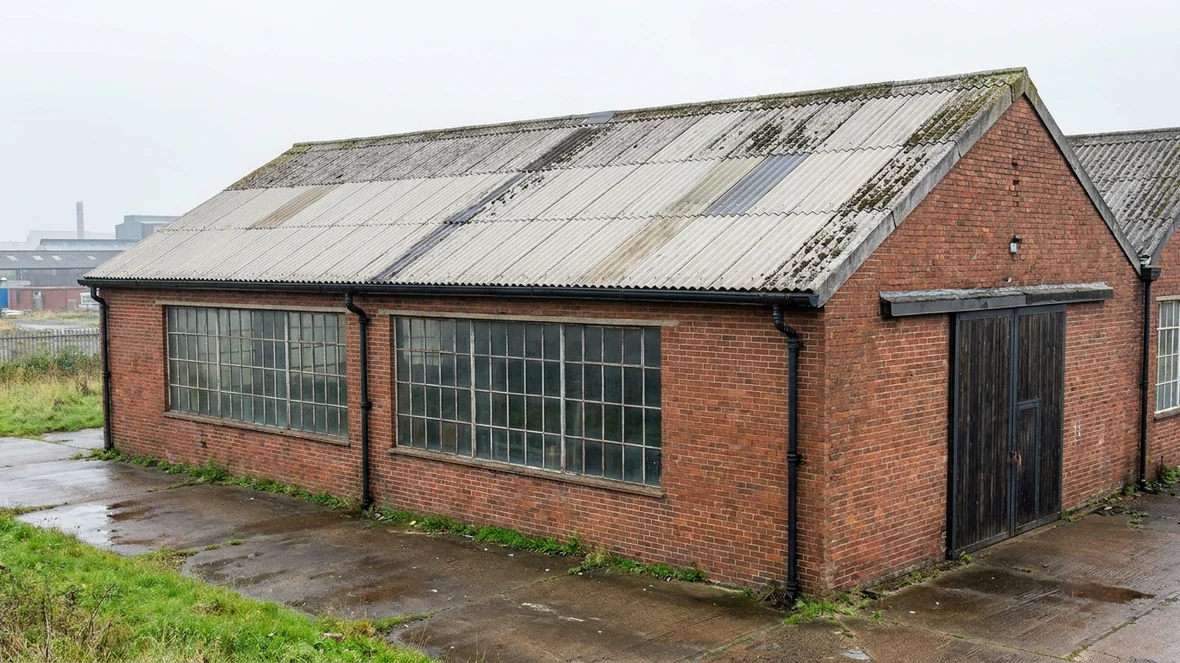
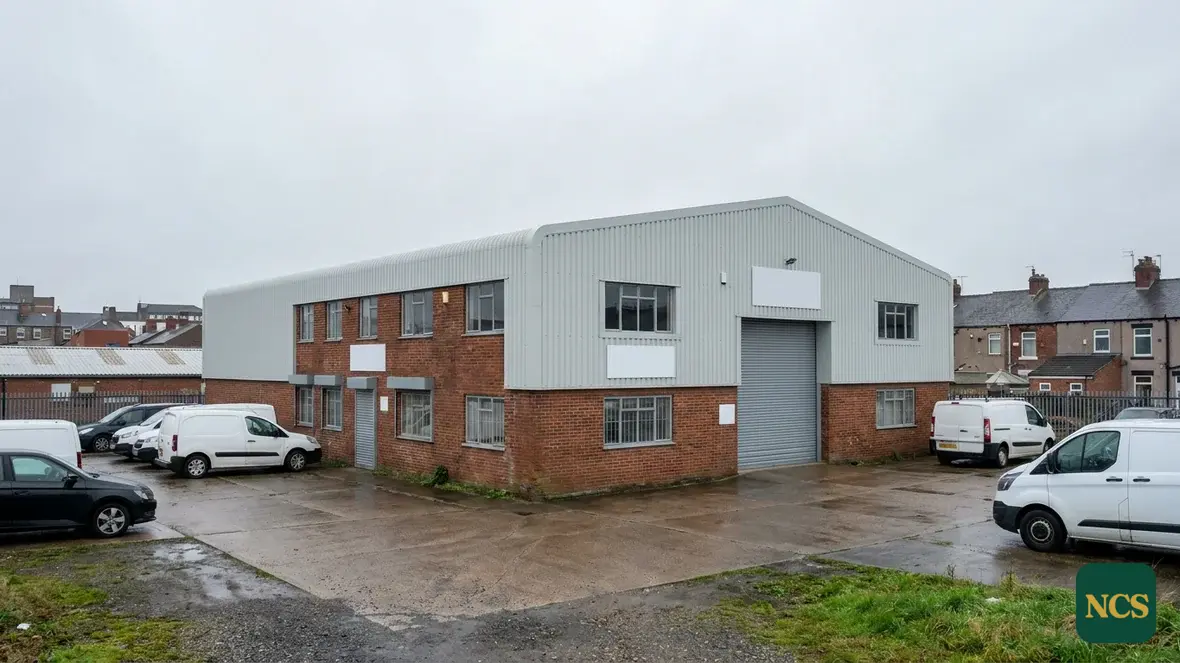
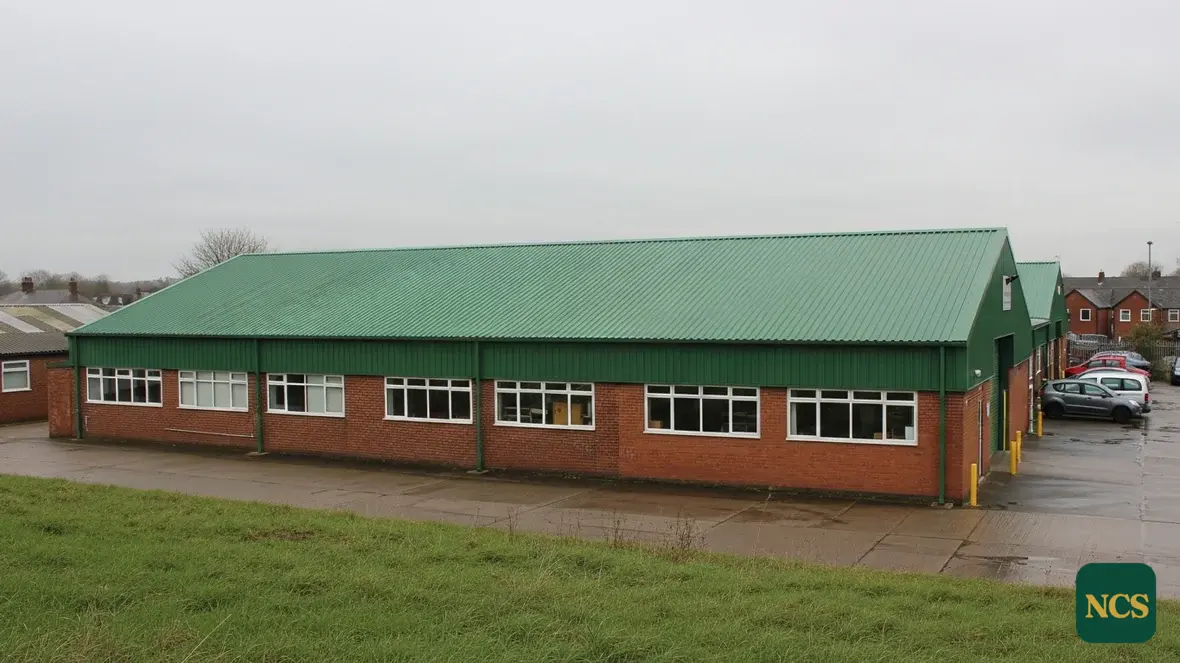
Here in Nottingham, we see plenty of commercial, industrial, and agricultural buildings still carrying their original asbestos cement roofs. Those old factory units, warehouses, and farm sheds were built to last, but the asbestos cement itself is well past its best. The surfaces are weathered, fibres can be exposed, and the legal responsibility for dealing with it falls squarely on whoever runs the building today.
We can tell you from experience: the options for managing these roofs are a lot clearer than most people think. If the sheets are sound, we can encapsulate them and manage them in place. If they’re failing, they need to come off. We always start with a proper condition survey to tell you exactly what kind of roof you’ve got on your hands.
If a Nottingham asbestos roof is past encapsulating, no paint system fixes it, and we say so rather than coat a lost cause.
What the Regulations require
The Control of Asbestos Regulations 2012 are pretty clear about the duty to manage asbestos in non-domestic buildings. You’ve got to find it, record its condition and location, assess the risk, then write and keep up a management plan. Two things follow from that. First, you can’t just ignore an asbestos roof that’s falling apart. Second, you don’t have to remove asbestos that’s in good nick; the Regulations expect you to manage it, monitor it, and keep it safe.
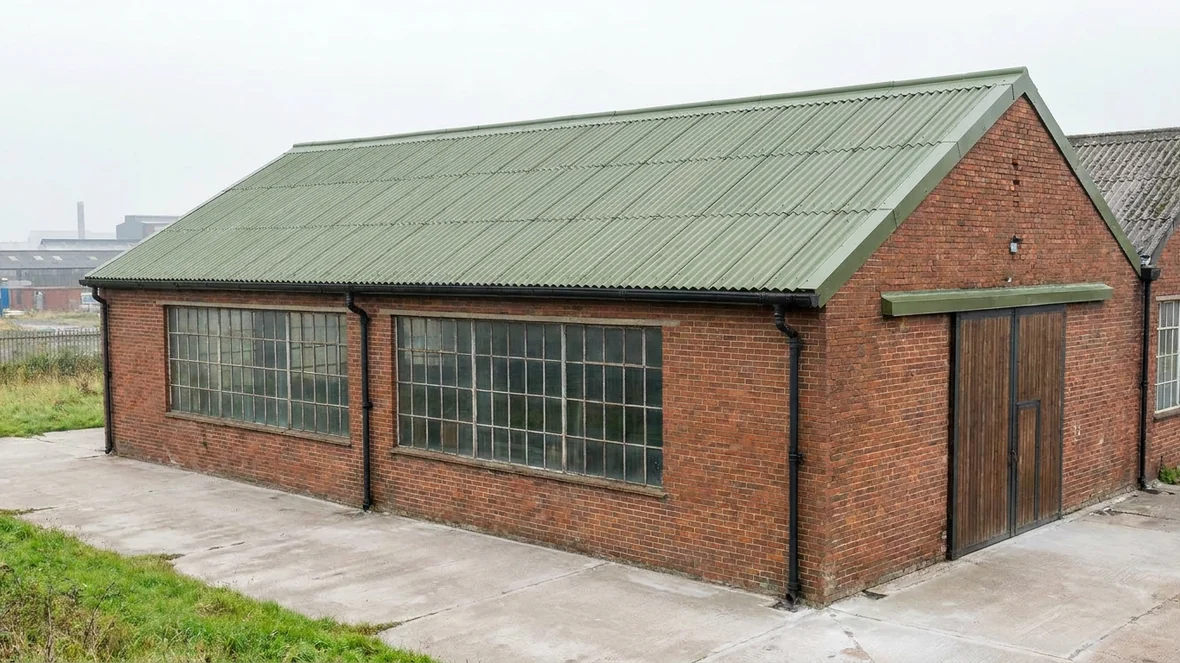
For a roof that passes our inspection, encapsulation is one of the most practical ways to meet that duty. It doesn’t just observe the problem; it improves the material’s condition.
Encapsulation as the proportionate option
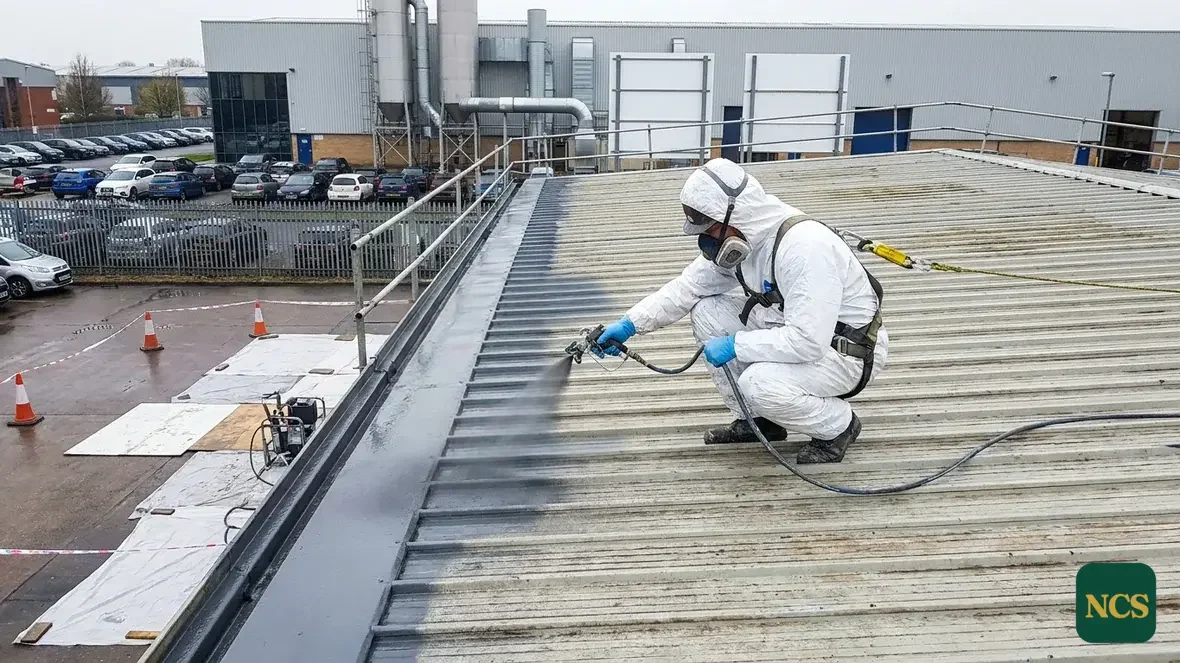
Encapsulation means we keep the existing sheets but remove the risk. Here’s how we approach it:
- We start with a roof condition survey, always before we recommend anything.
- We clean the roof carefully. No uncontrolled jet washing that just damages old sheets.
- We repair laps, fixings, and flashings, and we’ll replace any isolated sheets that have completely failed.
- Then we apply a sealing coat system, specified specifically for asbestos cement.
- Finally, we give you all the completion records you need for your asbestos register and management plan.
Compared to stripping and re-sheeting, encapsulation avoids a licensed asbestos removal programme, disposal of an entire roof, and the need to shut down the building underneath. For busy units across Nottingham, keeping the business running is often especially valuable.
Where clear advice matters: unsuitable roofs
Sometimes, people try to sell encapsulation as a miracle cure. It’s not, and we won’t pretend it is. If our survey finds sheets that are friable, delaminating, structurally soft, or broken over large areas, coating them would be bad advice and bad practice. The material underneath would just keep failing, out of sight. Roofs in that state need a licensed asbestos contractor to remove them, then a new covering. Our report will tell you that straight. We only encapsulate roofs that genuinely warrant it, because anything else lets down both the building and the person responsible for it.
How we work
We’re based in the South East, but we carry out asbestos roof encapsulation right across the UK. Nottingham and the East Midlands are well within our working area. Our process never changes: survey first, then our written findings and a straight recommendation. If you’re responsible for an industrial, commercial, or farm building with an ageing asbestos cement roof, that initial survey is the step that turns an open-ended worry into a clear, defined plan. You can arrange your initial survey with our team.

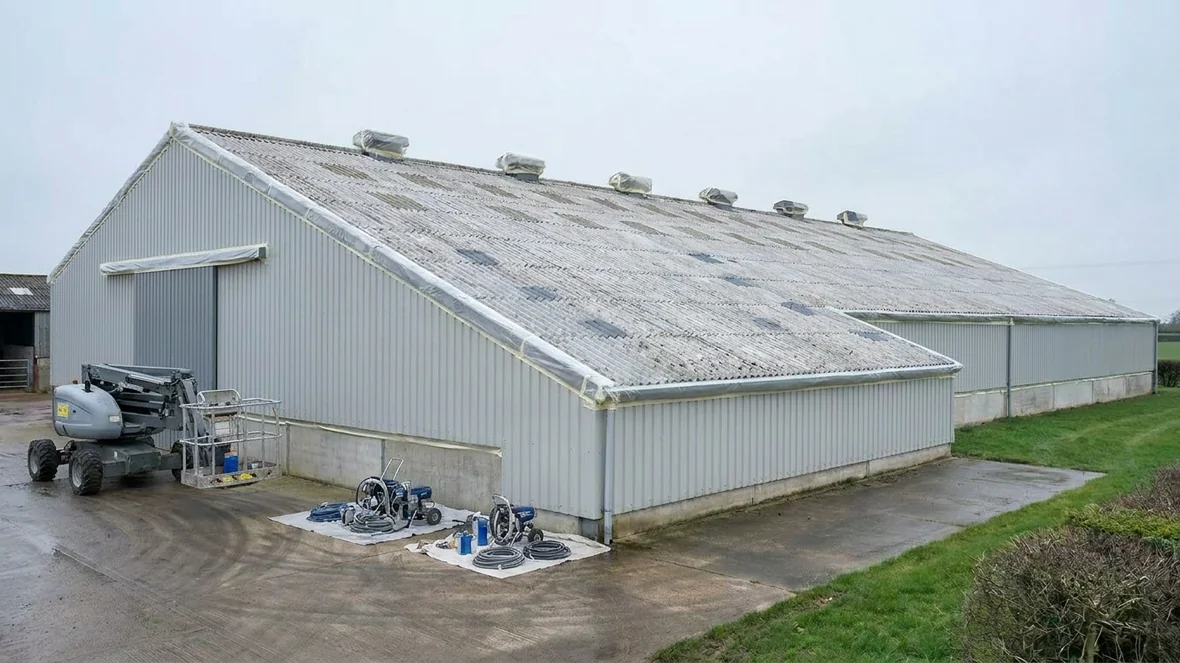
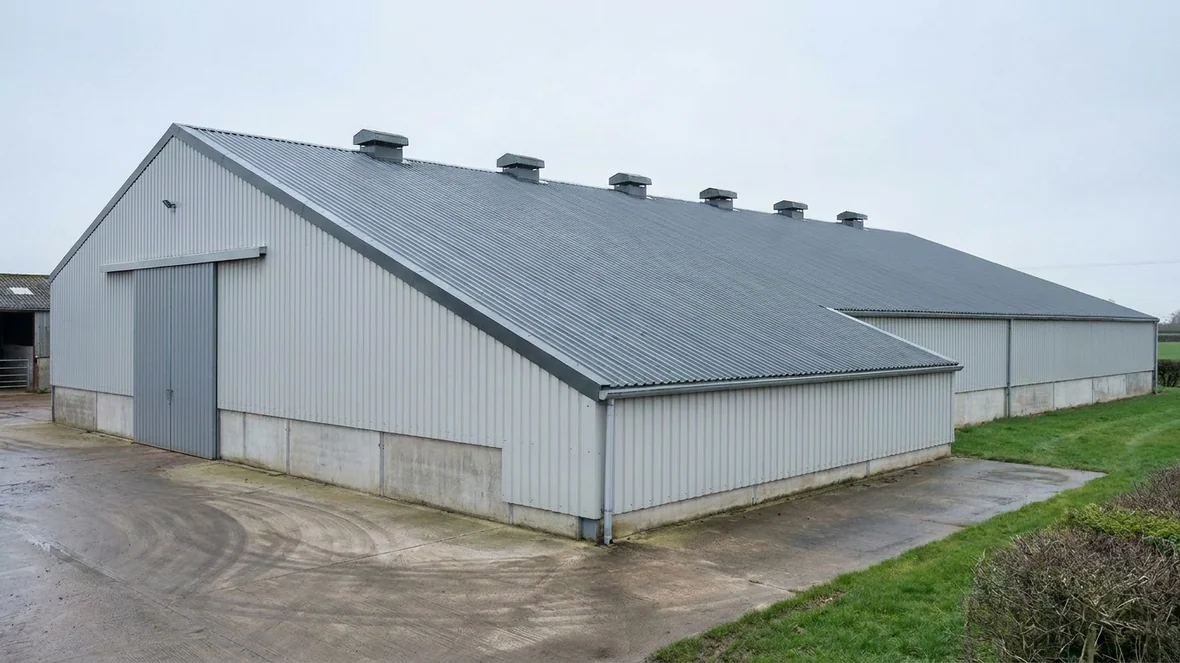
Asbestos roof encapsulation Nottingham: recent work we can show you
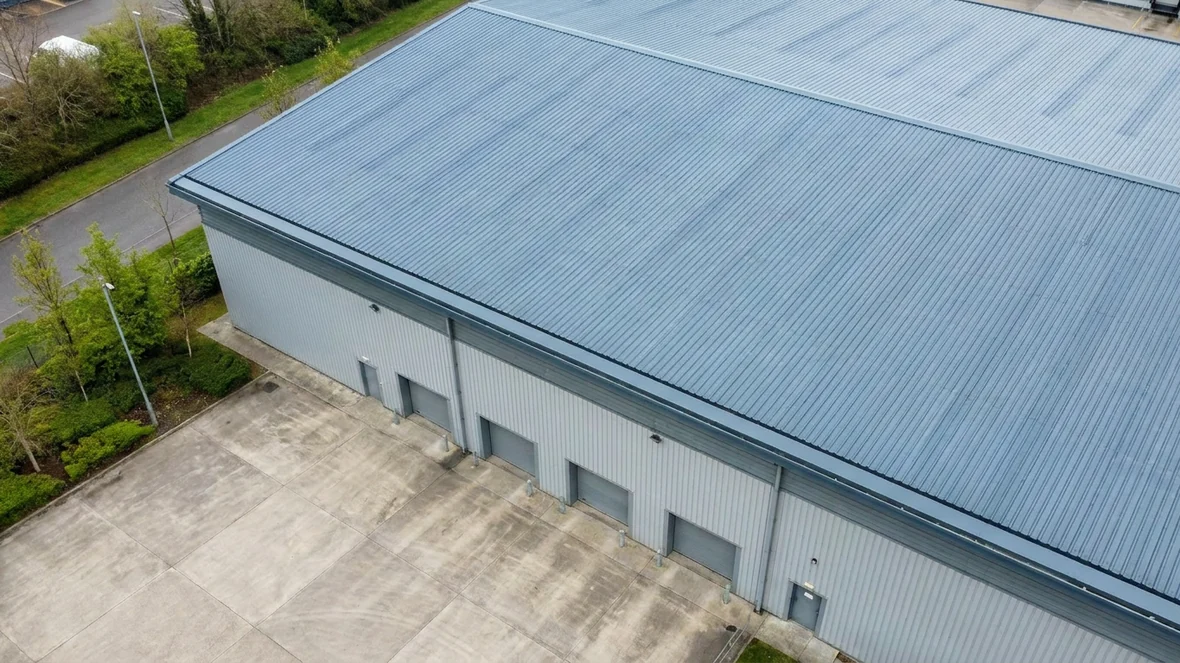
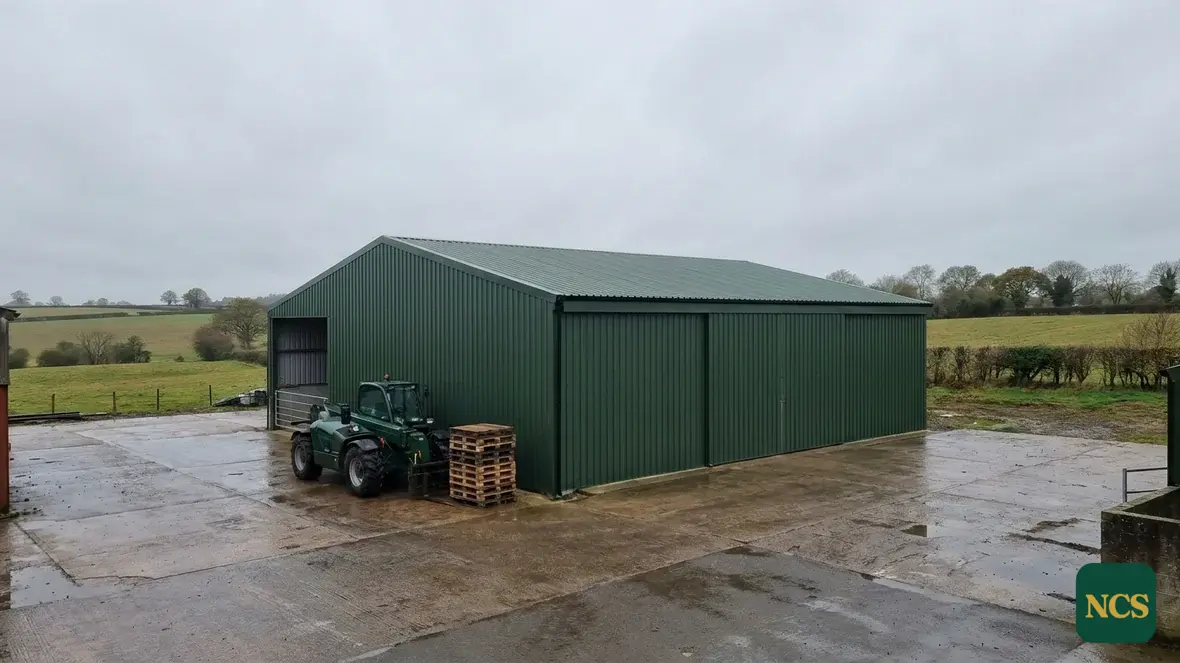
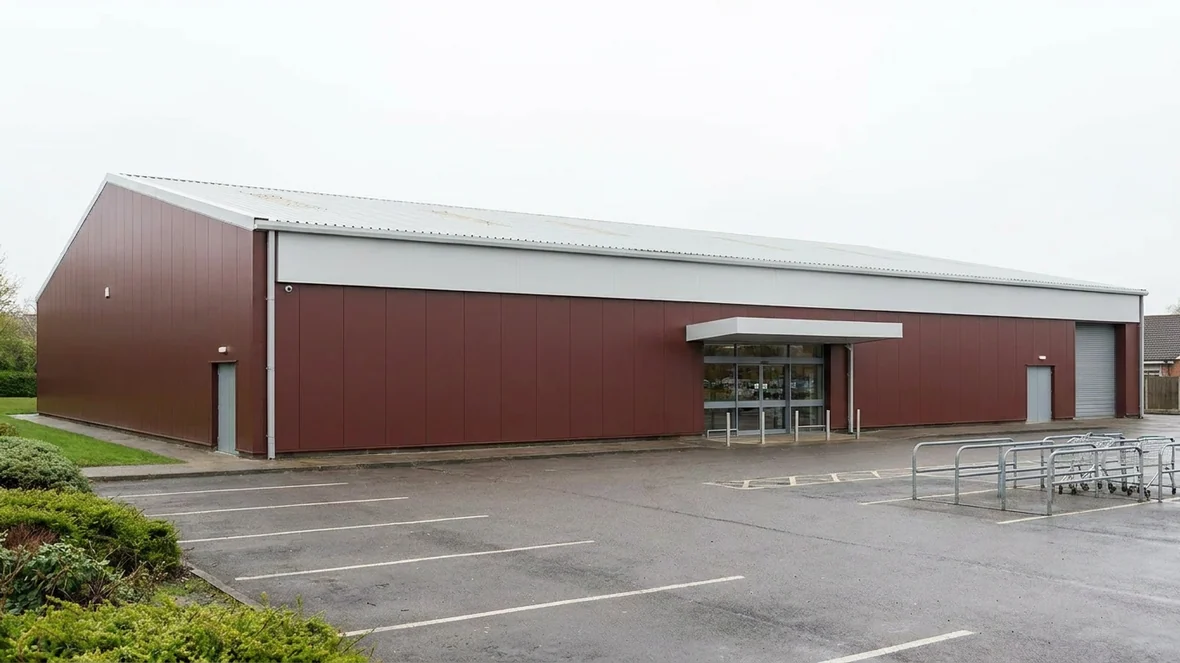
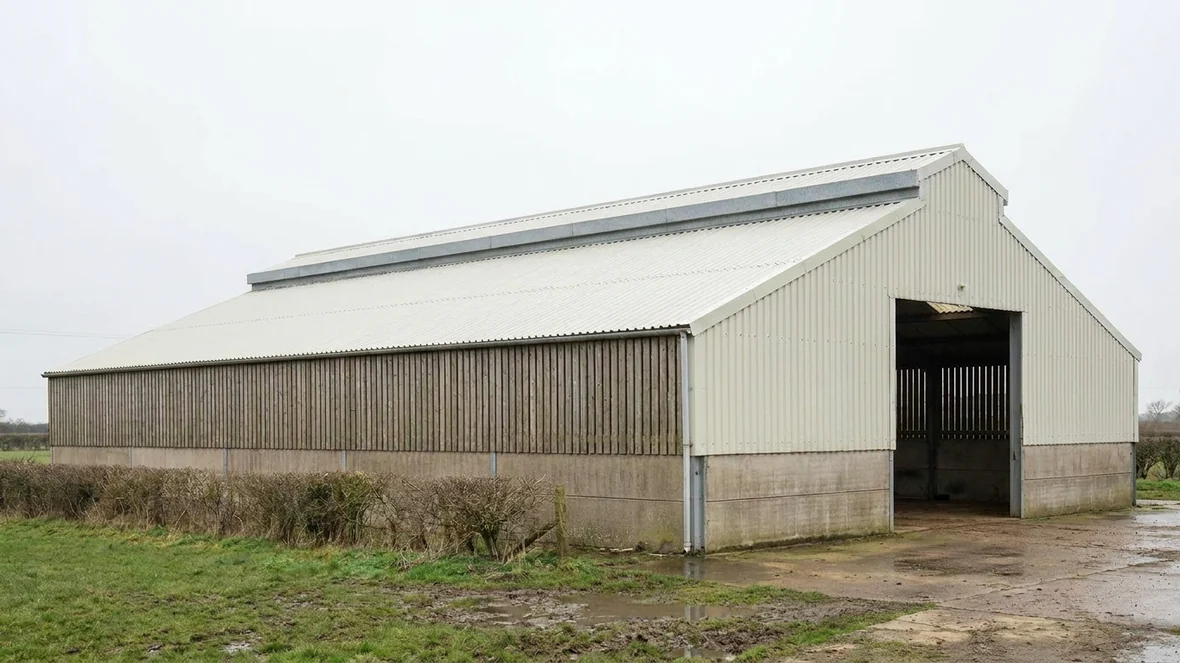
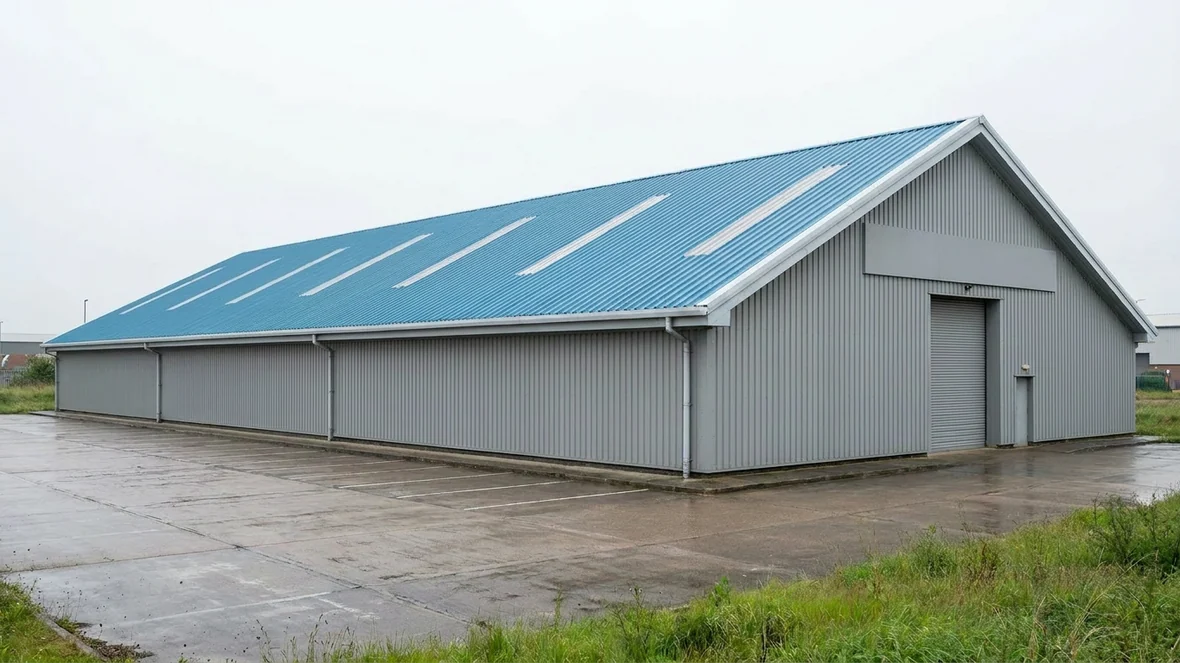
These are our own photographs from jobs of the same type. They are not stock images, and none of them is dressed up as something it is not. The caption tells you where each one was taken.
Standards behind our asbestos roof encapsulation Nottingham work
Encapsulating asbestos cement safely means not disturbing the fibres it contains, so method matters as much as the coating. Our teams plan every job around the HSE’s asbestos guidance, and we hold CHAS accreditation so the health and safety paperwork a facilities manager or building owner asks for is ready before the first van arrives.
Common questions about asbestos roof encapsulation Nottingham
Can an asbestos cement roof be coated safely?
Yes, provided the sheets are sufficiently sound and the work follows a suitable risk assessment and method statement. The purpose of encapsulation is to seal the weathered surface, limit fibre release and extend the serviceable life of the roof without unnecessary disturbance.
We begin with a roof survey rather than assuming every asbestos cement roof is suitable. Access, sheet condition, fragile areas, existing leaks and the state of the fixings all influence the proposed method.
Does the asbestos roof need to be cleaned before encapsulation?
Usually, yes. A coating cannot perform properly over loose moss, lichen, dirt or a friable surface. Cleaning must be controlled because aggressive abrasion or uncontrolled pressure washing can damage asbestos cement and spread contaminated debris.
We select a preparation method appropriate to the condition of the sheets. Run-off, gutters and waste are managed as part of the work rather than treated as an afterthought.
Will encapsulation stop an asbestos roof from leaking?
Encapsulation can resolve many leaks associated with weathered surfaces, tired laps, minor defects and vulnerable fixings. It is not a substitute for structural repair. Split sheets, failed rooflights, open joints and defective flashings need to be addressed before or during coating.
Where leakage is caused by substantial movement, widespread sheet failure or problems with the supporting structure, replacement may be the more dependable course.
Can a commercial building remain in use during the work?
Often it can, subject to the survey findings and the building’s operations. We consider safe access, exclusion zones, fragile roof controls, air intakes, loading areas and the movement of staff or visitors. No two occupied sites have quite the same constraints.
The programme and working method should be agreed before preparation begins, particularly where cleaning run-off or temporary restrictions could affect activities below.
Do I need an asbestos survey before arranging roof encapsulation?
The asbestos-containing material must be properly identified and its condition understood. Existing survey information may assist, but it must be current, relevant and sufficiently detailed for the proposed work.
For asbestos roof encapsulation Nottingham building owners should also check the asbestos register and management plan. The legal category of the work depends on the material, its condition and the method used, so this should be established during planning rather than guessed from the ground.
Asbestos roof coating or replacement: which is the better option?
Coating and replacement solve different problems. Encapsulation is generally suited to an asbestos cement roof that remains structurally serviceable but has a weathered surface, localised leaks or ageing details. It avoids stripping the entire covering and usually causes less disruption to the building beneath.
Replacement wins when the roof has reached the point where retaining it merely postpones an unavoidable larger job. That includes widespread cracking, badly weakened sheets, persistent movement, extensive water ingress, significant corrosion in the supporting structure or a roof layout that no longer meets the building’s needs.
Replacement may also be the better choice when a wider refurbishment requires substantial insulation improvements, major alterations, repeated new penetrations or a different roof build-up. In those circumstances, coating an obsolete covering can be false economy even if the surface will accept a coating.
Encapsulation may be preferable where:
- the asbestos cement sheets remain stable and capable of repair;
- defects are local rather than widespread;
- the supporting structure is in serviceable condition;
- the building must remain operational with limited disturbance;
- retaining the existing roof supports the planned use of the property.
Replacement may be preferable where:
- sheet failure is extensive or progressive;
- the roof cannot safely carry the preparation and coating process;
- the structure or fixings require major intervention;
- the building is being comprehensively redeveloped;
- future alterations would repeatedly disturb the encapsulated material.
We do not treat coating as the automatic answer simply because it is possible to apply one. The recommendation should follow the roof condition, the intended life of the building and the practical consequences of retaining asbestos-containing materials on site.
Preparation and detailing that determine coating performance
The broad roof area is rarely the difficult part. Performance is commonly decided at laps, fixings, rooflights, penetrations, flashings and drainage points. These details need to be surveyed and prepared individually rather than buried beneath a uniform coat.
Controlled surface preparation
Loose growth and unstable surface material must be removed without unnecessarily abrading the asbestos cement. We plan how debris and wash water will be contained, collected and handled. The roof is then allowed to reach a suitable condition before coating; applying material over retained moisture or contamination creates an avoidable weakness.
Fixings, laps and local repairs
Loose or corroded fixings are assessed before encapsulation. Laps are checked for movement, open joints and signs of capillary water entry. Small defects may be repaired with compatible reinforcing and sealing methods, but severely fractured sheets should not simply be painted over.
Rooflights and penetrations
Rooflights, vents, ducts and service penetrations often have different movement and adhesion characteristics from asbestos cement. Their junctions require suitable detailing, and heavily degraded rooflights may need separate attention. Coating alone will not correct a poorly formed flashing or an unsupported penetration.
Gutters and drainage
Gutters must remain clear after preparation, and outlets should be checked before the roof is returned to service. Encapsulation should not obstruct drainage paths or conceal defects at the eaves. Ponding and repeated overflow can undermine otherwise sound coating work.
Application checks
We monitor weather conditions, substrate condition, coverage and continuity throughout application. Particular attention is given to edges, profiles and repaired areas where thin coverage can be difficult to see from normal access positions. The finished roof should form a continuous protective envelope while preserving the function of joints, drainage and adjoining materials.