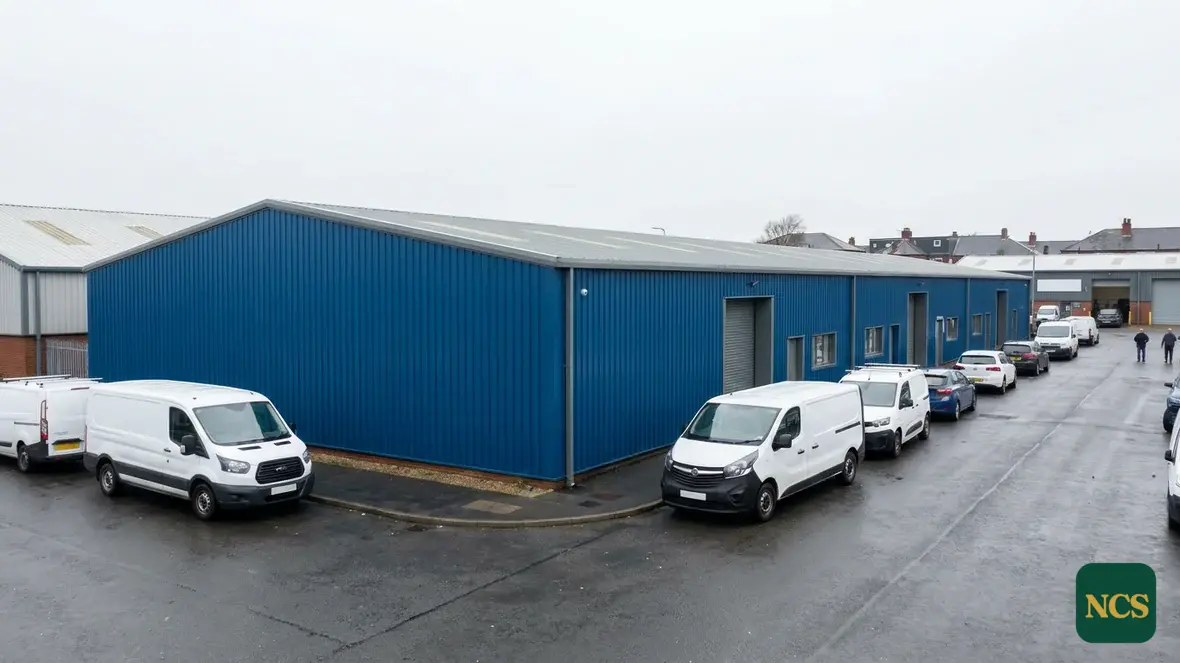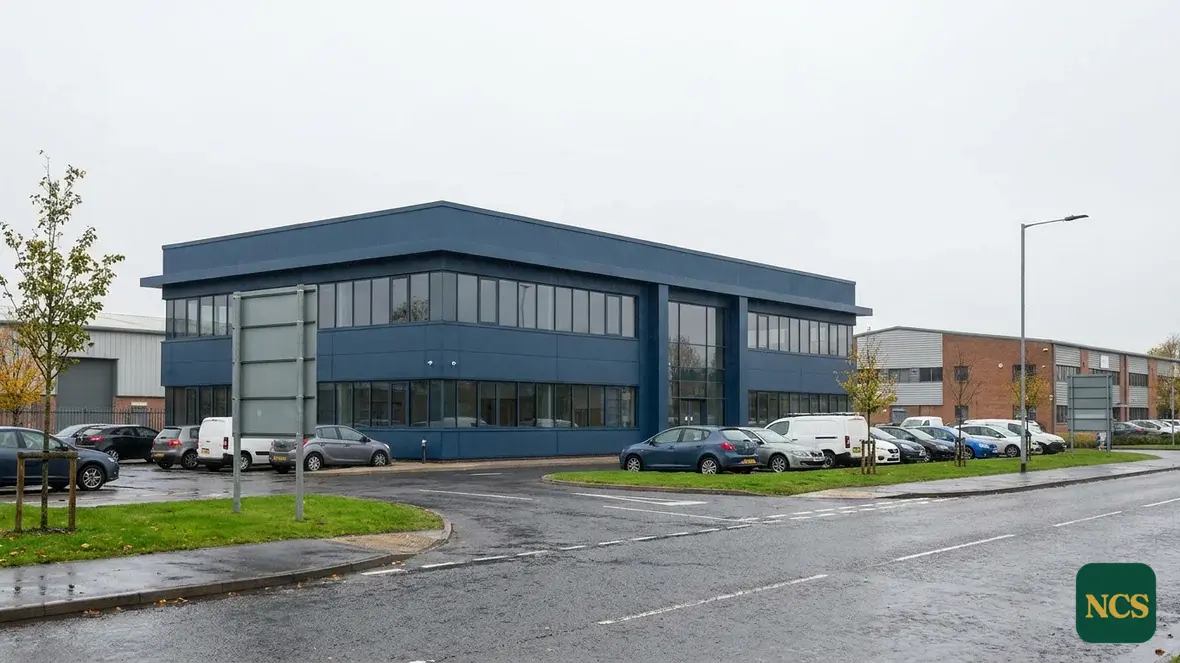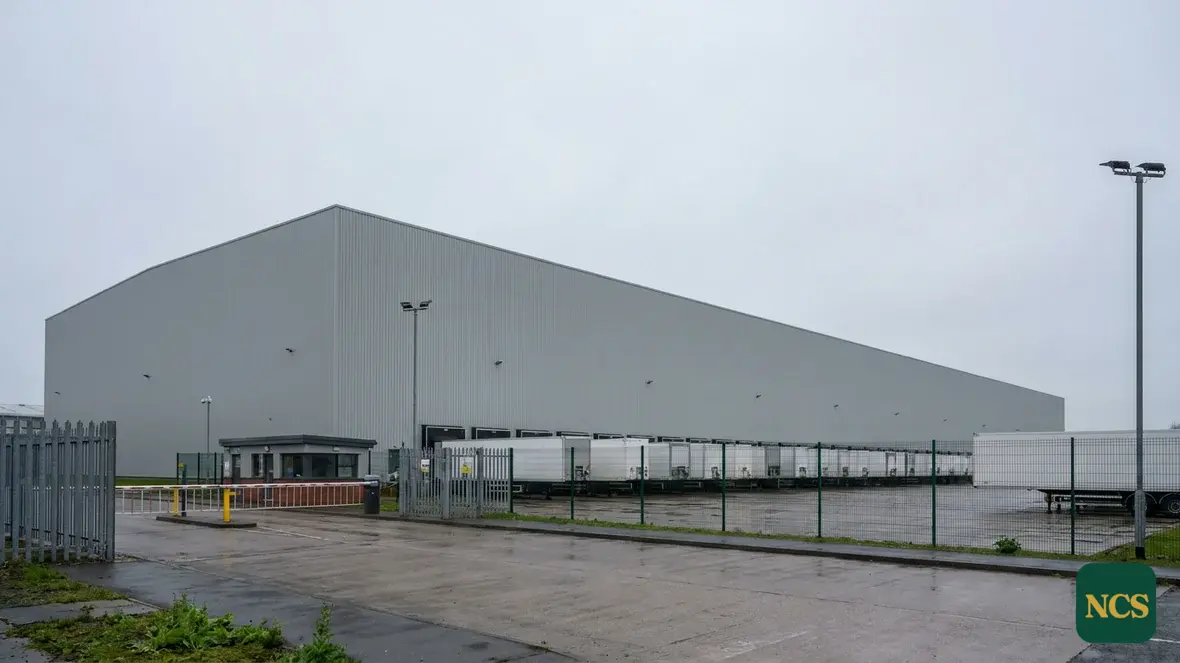
Cladding spraying in Nottingham
Cladding spraying in Nottingham usually means we’re talking about avoiding a full replacement. When the profiled steel or composite panels on a commercial building have faded, chalked, or started to corrode along their cut edges, the sheets underneath are often still sound. Spraying puts a fresh, factory-quality finish back onto the existing cladding, restoring its colour and protection without stripping the building’s envelope or shutting the place down.
We work survey-led. We won’t quote from a photograph, and we won’t put a coating onto a surface we haven’t inspected up close. The condition of the panel, not the colour chart, dictates what happens next. That principle guides us through every stage of the job.
The building stock we tend to survey around the city
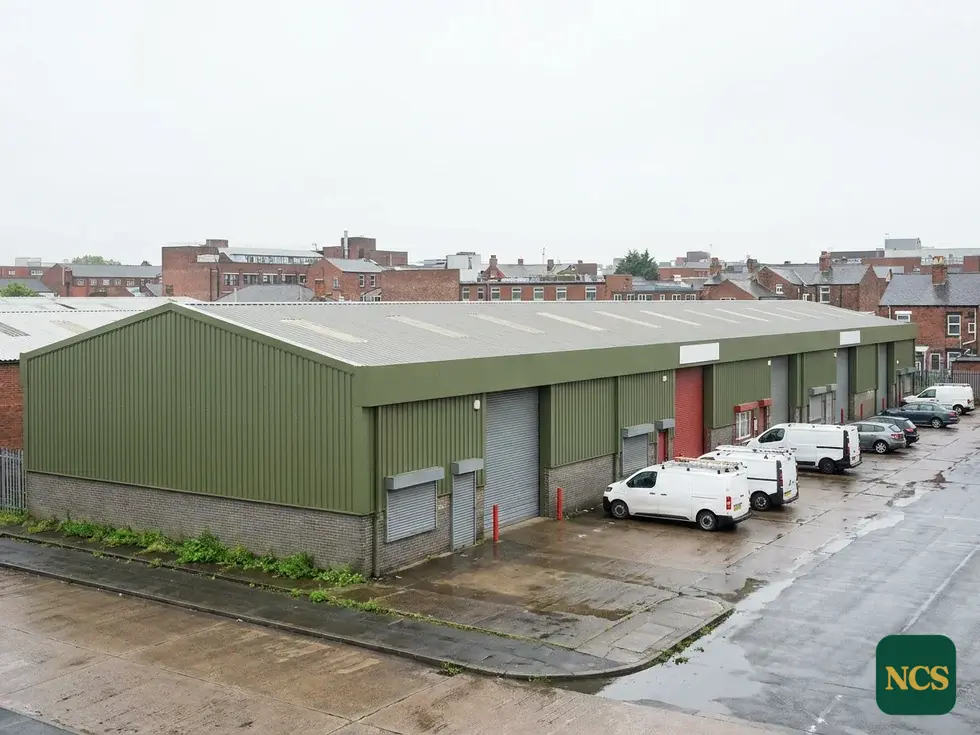
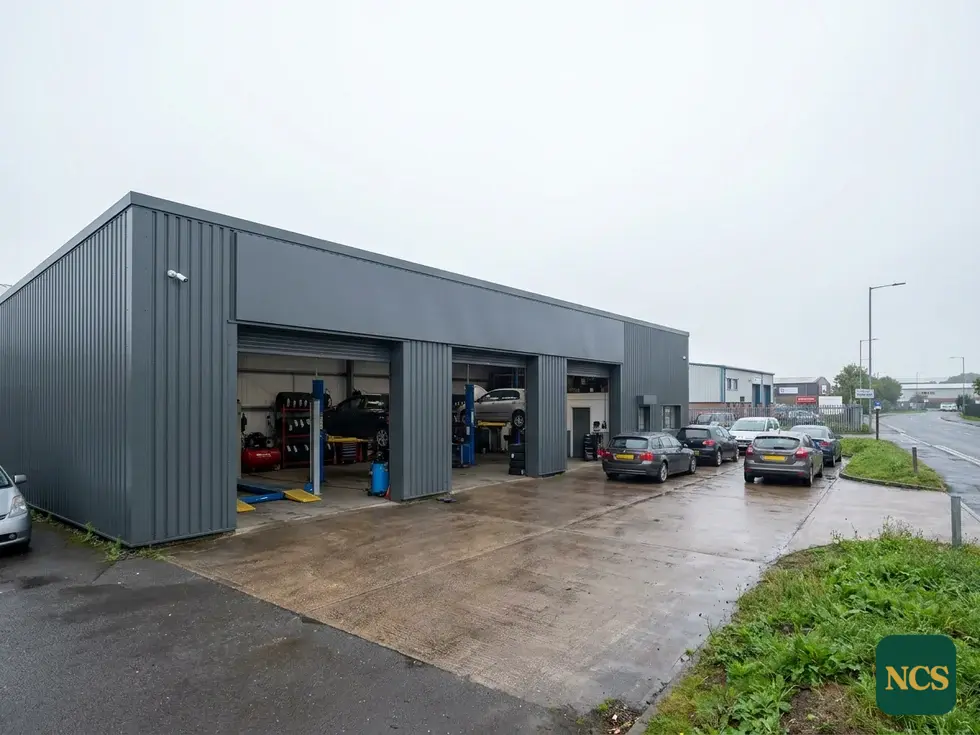
Nottingham’s commercial property relies heavily on profiled metal. We see trading estates inside and around the ring road, distribution units by the M1, retail parks lining the main routes, and mixed industrial stock filling the gaps. A lot of it went up between the 1970s and the 2000s. That’s exactly the age when original plastisol and PVDF finishes start to fail.
Around here, that breakdown shows up in predictable ways: a chalky residue on your hand, elevations that have faded unevenly where they’ve caught the weather, and corrosion creeping under panel laps and along sheet ends. Nottinghamshire’s climate isn’t extreme, but thirty or forty years of it is enough to wear out a factory coating.
From first survey to final sign-off
Every project starts with us physically inspecting the building. Our surveyor walks the site, photographs the elevations, and records all the details a sensible specification relies on:
- The type of surface and the condition of its existing finish
- How extensive and deep any cut-edge corrosion is
- Any damaged sheets, fixings, flashings, and sealant lines
- Access requirements and any site restrictions
- The preparation the surface will need before we mix any paint
The specification, the programme, and the price all come from that record. Preparation, masking, edge treatment, and spraying then follow in sequence. We check the finish elevation by elevation before handover. We use this same survey-first approach whether the building is in Nottingham itself, or out towards Derby, Mansfield, Beeston, or Newark-on-Trent.
Repainting profiled cladding around Nottingham by brush rarely lasts. A sprayed system applied to prepared panels is what brings the factory finish back.
When we will tell you not to spray
Spraying restores a finish. It doesn’t rebuild a panel. Where corrosion has gone right through the sheet, where composite panels are delaminating, or where fixings and supports have failed, a coating would only hide a problem that’s going to resurface. In those cases, we’ll tell you plainly. The honest recommendation might be partial sheet replacement first, or sometimes a different solution altogether.
The same goes for surfaces that simply won’t hold a coating. If adhesion testing during our survey suggests the existing finish is too far gone to coat over reliably, the specification changes or the job doesn’t go ahead. A coating that fails early helps nobody, least of all us.
Why survey-led matters when you choose a contractor
Anyone with a sprayer can give you a price. The difference between a finish that lasts and one that peels comes down almost entirely to what happens before the topcoat: the inspection, the preparation, and the treatment of edges and repairs. A contractor who hasn’t stood in front of your panels is just guessing at all three.
Working survey-led also protects your budget. We find problems on day one, so we price them on day one. They won’t appear as variations halfway through the contract. A recoat is also the natural time to change the colour completely, refreshing a tired scheme or bringing a newly acquired unit in line with the rest of an estate. If your building in Nottingham needs an honest assessment, rather than a guess, that inspection is the right place to begin.