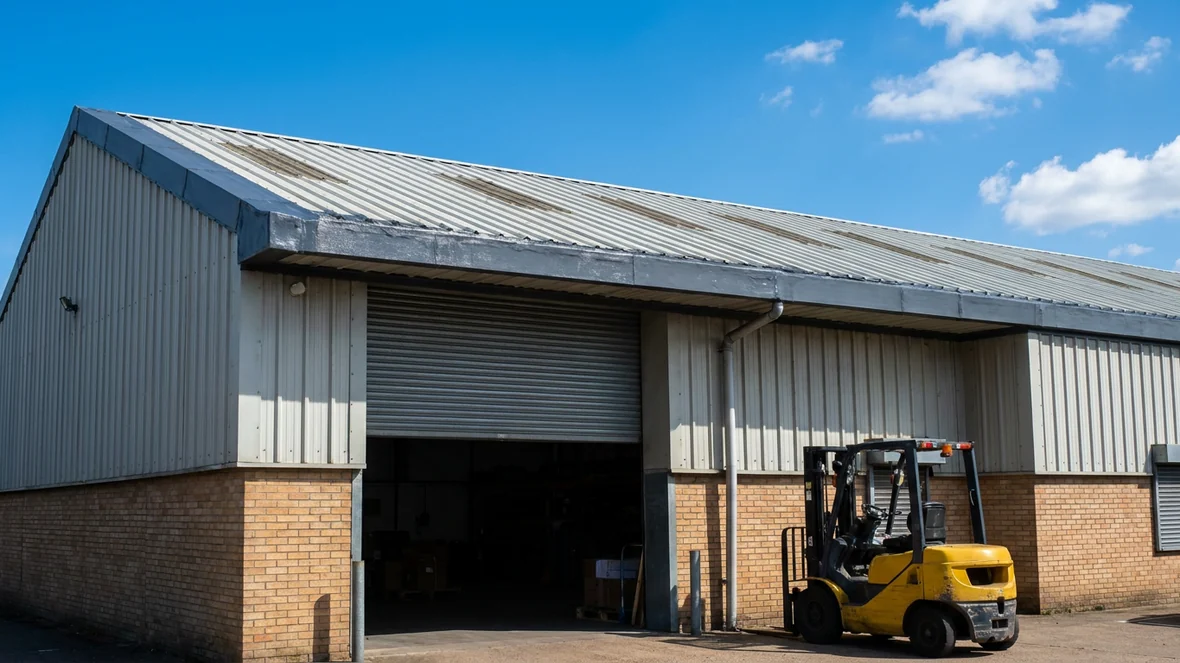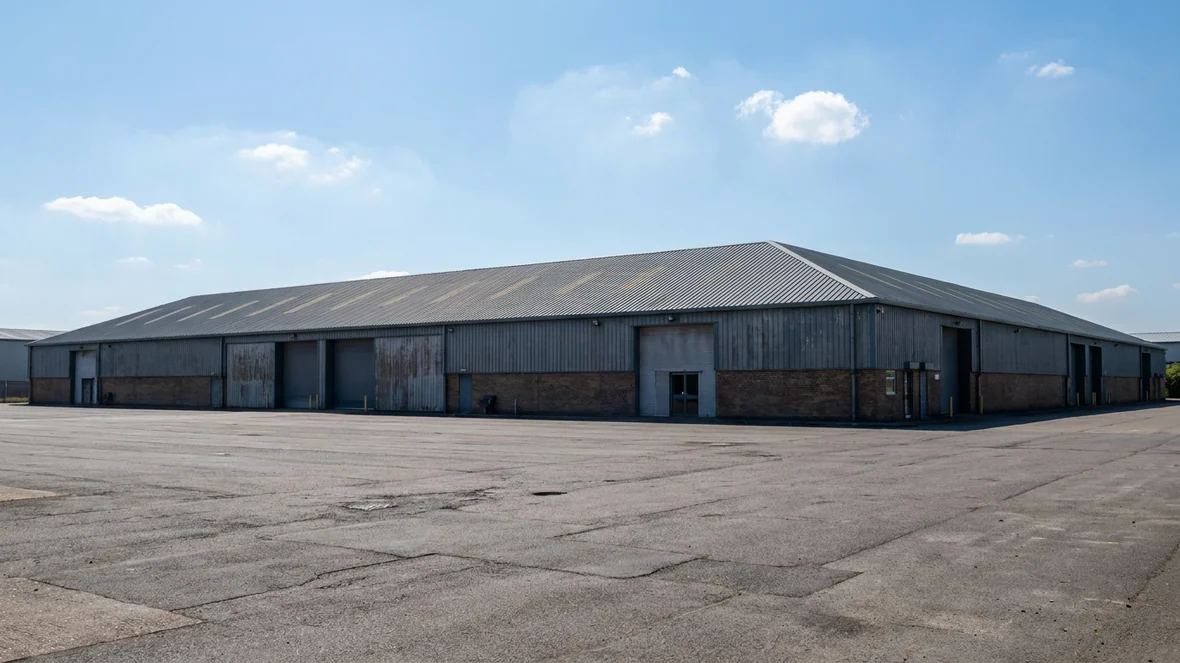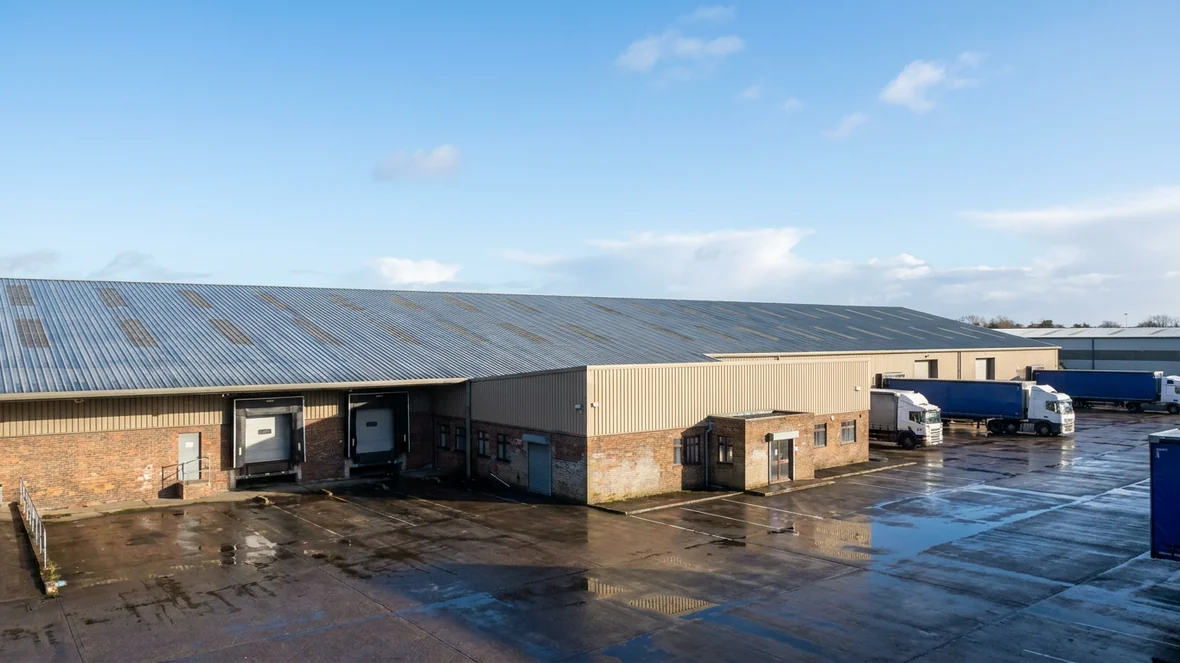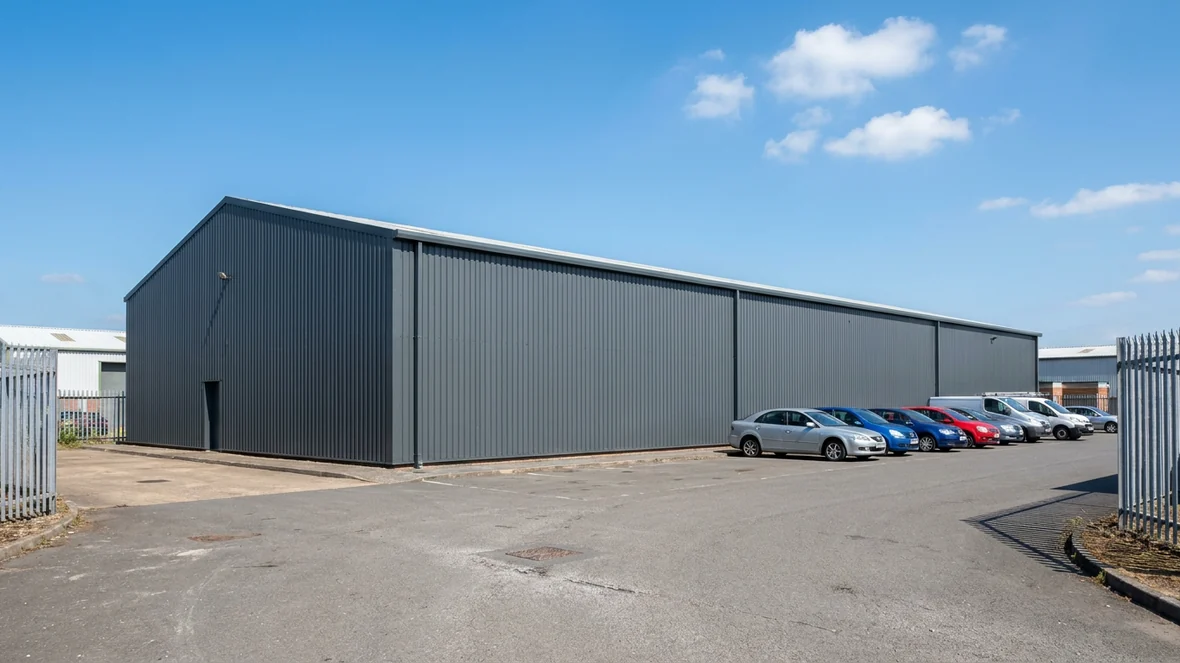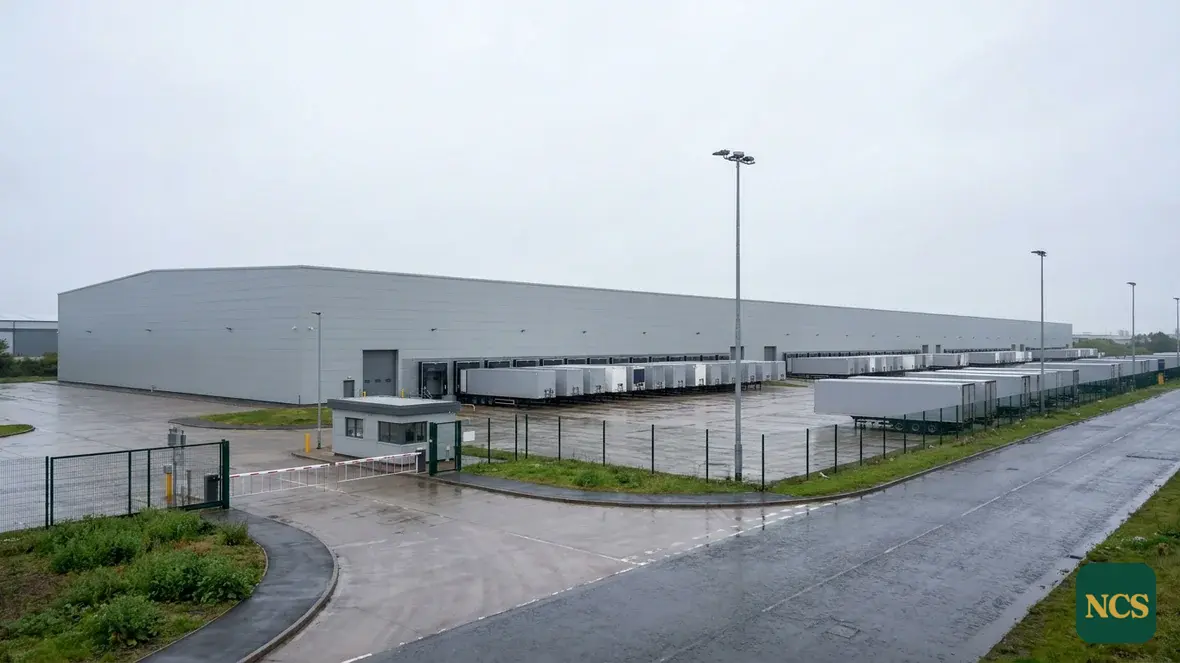










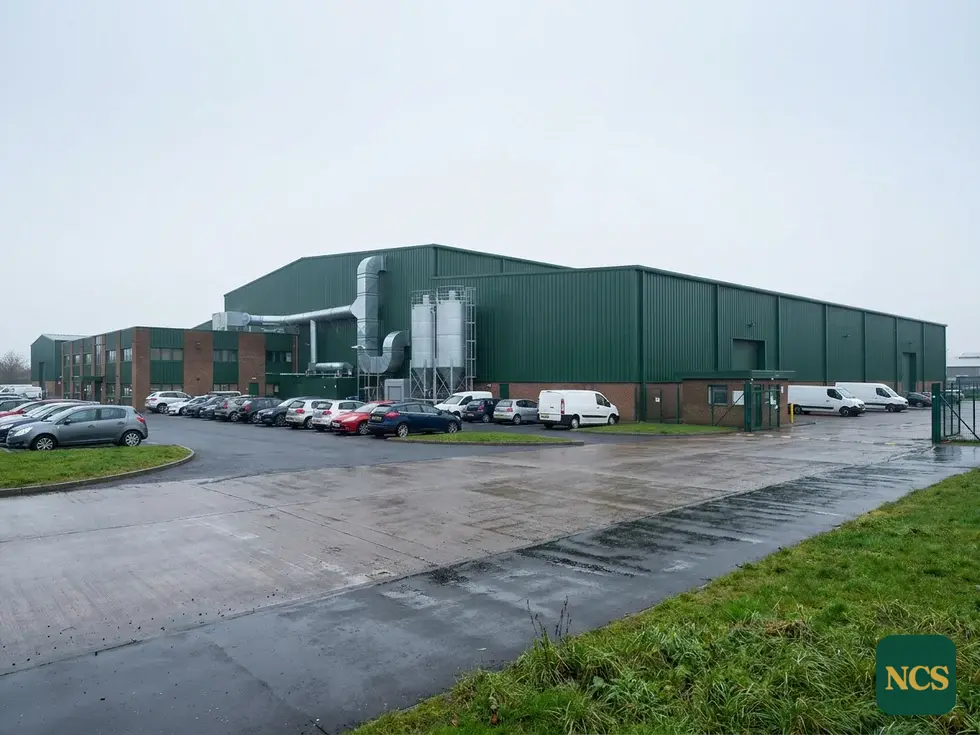
Most cut edge corrosion in Newcastle upon Tyne is found one of two ways: during a planned gutter clean, or when water starts dripping onto something that matters. The first route is far cheaper than the second. On profiled metal roofs the trouble starts quietly, at the sheet ends and overlaps, long before anything shows from the yard below.
The first signs are easy to miss
A thin rust line along the eaves. A little lifting at a lap joint. Brown streaks in the gutter after heavy rain. From ground level these read as cosmetic, and they are routinely ignored for years. They should not be. Each one is the visible end of a process already working underneath the coating, and by the time it can be seen from the car park it has usually been running for some time.
How a clean cut becomes a corroded lap
Coated roof sheets are protected by a factory finish applied to the steel coil before it is cut to length. The cutting is the problem: every sheet end and side lap exposes a strip of bare metal. Rainwater is drawn into the overlaps and sits there, the exposed edge rusts, and the rust then travels beneath the coating, peeling it back from the steel. Left untreated the sequence is predictable: staining, then delamination, then perforation, then a leak. Treated early, the same defect is a modest repair: clean back, stabilise, seal the lap, coat the edge. The gap in cost between those two outcomes is the whole argument for acting at the staining stage rather than the bucket stage.
North East exposure does it no favours
Salt air comes in off the North Sea and follows the Tyne well inland, and the region’s freeze-thaw winters work at any coating that has started to lift. The building stock around Newcastle upon Tyne reflects its industrial history: riverside sheds and engineering units of some age sit alongside newer business park stock, and the older the roof, the more years its cut edges have spent wet. None of this means a sheet roof here is doomed; it means inspection intervals that might be fine in a softer climate are too relaxed on Tyneside.
An honest answer: treat, patch or replace
Edge treatment is not always the right recommendation, and we would rather lose a job than coat a roof that cannot carry it. Where sheets are perforated, where corrosion has spread far beyond the laps, or where the steel itself has thinned, replacement is the only honest advice, and we will give it even though recladding is not our trade. Because we are survey-led, the recommendation comes after someone has actually been on the roof. Our report covers:
- The condition of sheet ends, laps and fixings, with photographs
- How far corrosion has crept beneath the existing coating
- Which areas will respond to treatment and which will not
- Whether any sheets are beyond sensible repair
- A clear recommendation, including walking away if treatment is not justified
On many roofs the verdict is mixed, with a few sheets past saving and the majority in treatable condition. That detail changes the price and the plan, which is why we will not guess at either from a photograph.
Edge treatment and full roof coating together
Cut edges are usually the first part of a coated roof to fail, not the only part failing. If the laps have gone, the field of the roof is often chalking and losing thickness too, so it is worth pricing edge treatment alongside a full roof coating while the access equipment is already in place. One visit, one system across the whole roof, and no second round of scaffold costs in three years. We are based in the South East and work across England, and Newcastle upon Tyne is comfortably within our normal coverage. If your maintenance round has turned up rust at the sheet ends, a survey is the sensible next step.