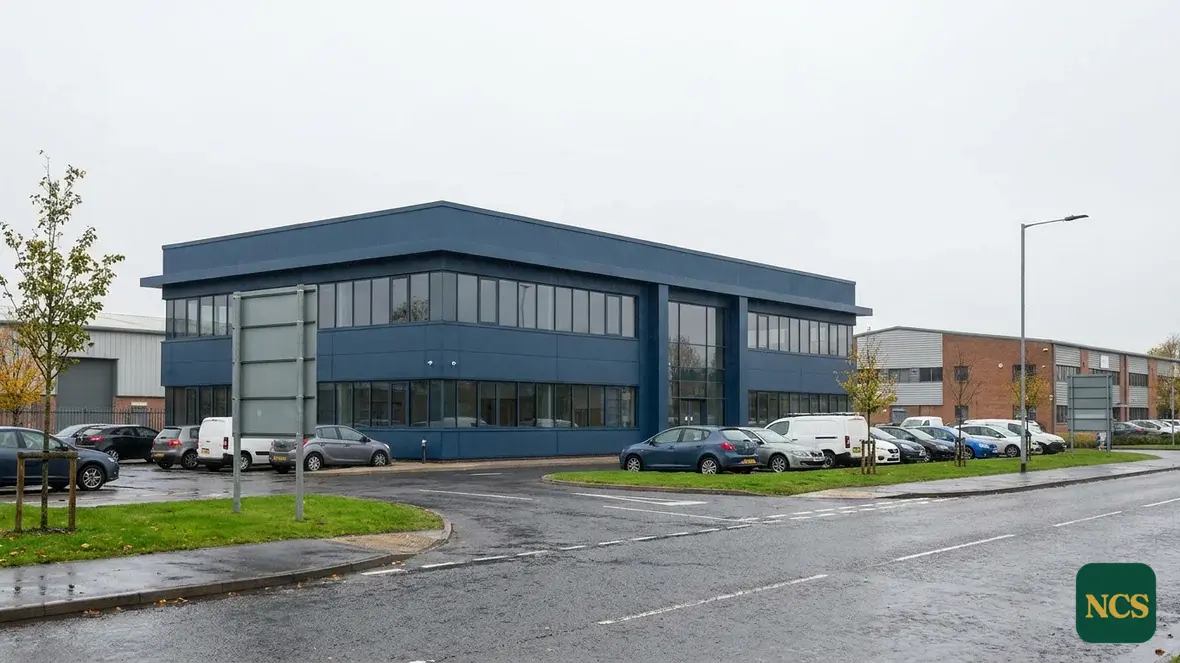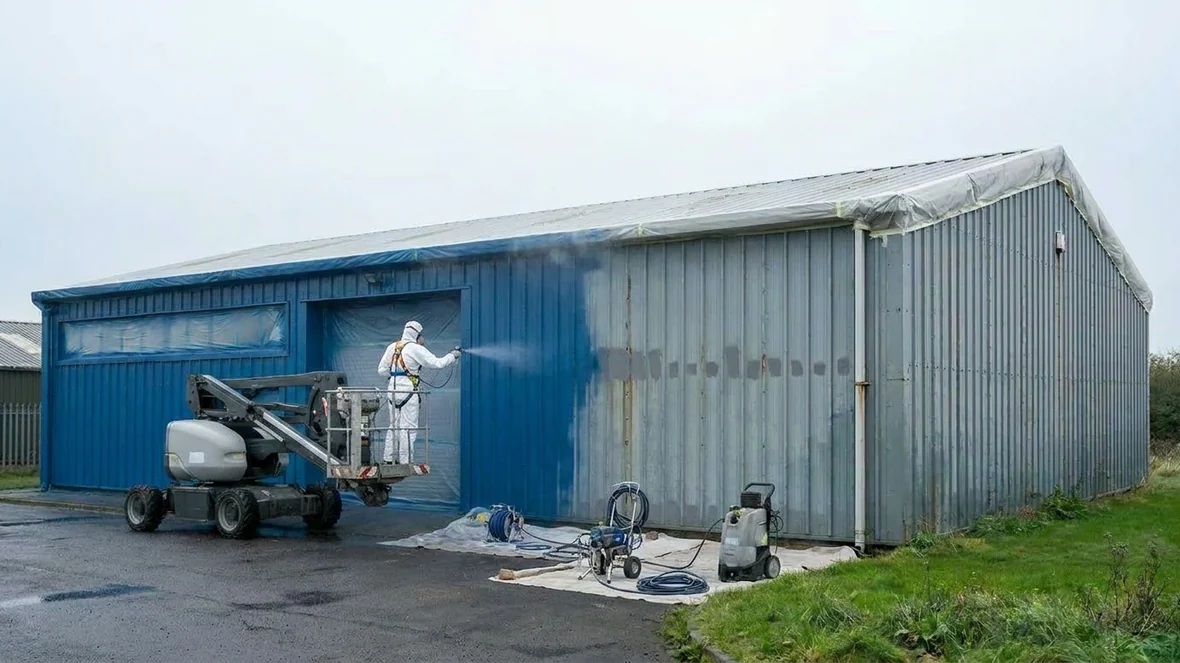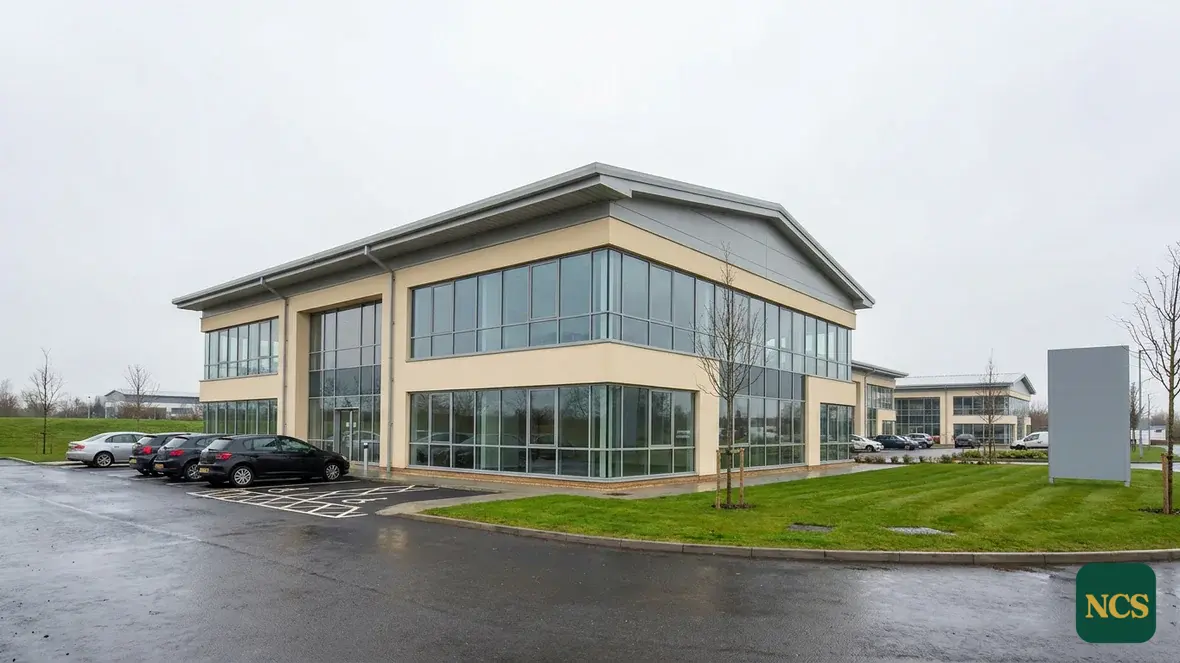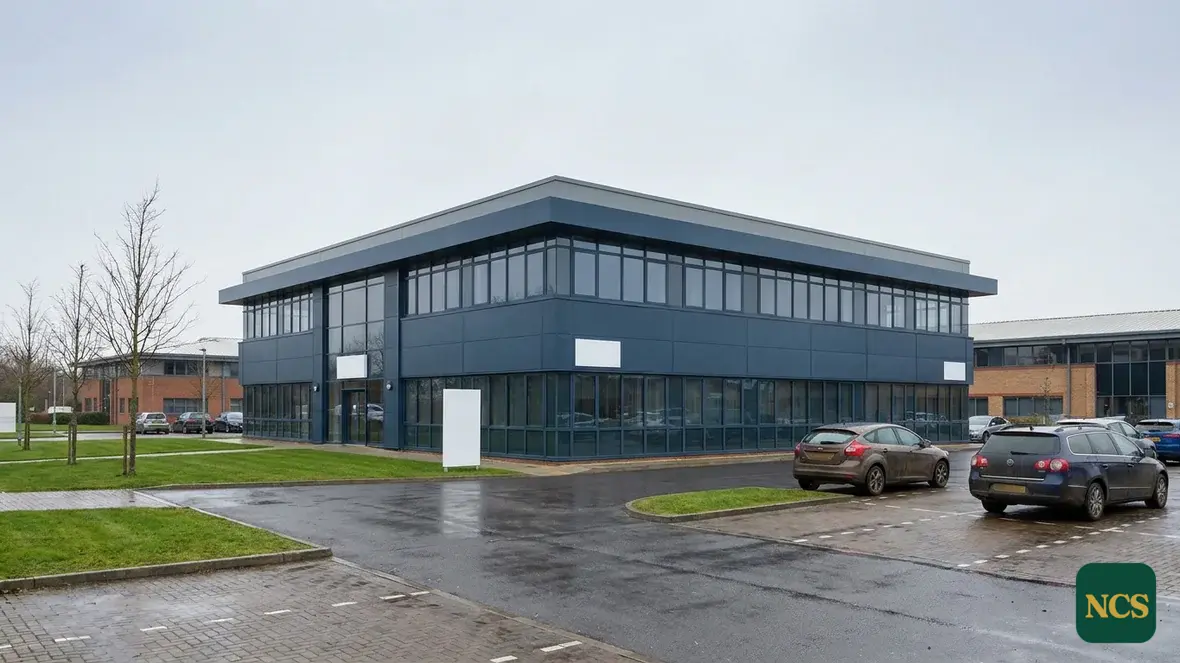
Commercial wall coating in Newcastle upon Tyne
The North East doesn’t mess about with exterior finishes. We’ve seen driving rain off the coast, hard winters with repeat freeze-thaw cycles, and exposed elevations above the Tyne all shorten the life of paint and render. Commercial wall coating in Newcastle upon Tyne is made for exactly this environment. A properly specified system protects the masonry underneath, holds its colour through rough weather and stretches the gap between maintenance cycles. The phrase that really matters in that sentence, though, is ‘properly specified’. The same product that performs for years on one wall can fail in eighteen months on another, purely because nobody checked what the wall was doing before it was coated.
Why the survey happens before the quote
Our first visit to your building is an inspection. Not a sales call. Our surveyor identifies the substrate and any earlier coatings, takes moisture readings on each elevation, records the repairs that absolutely must come first, and works out how we’ll manage access around a trading business. The output is a written specification you can hold us to: preparation, repairs, system, programme. Only after that do we put a price on it. The same routine applies across Tyne and Wear and beyond it. Buildings in Gateshead, North Shields, Sunderland and Durham get the same surveyor-first treatment as a city-centre frontage.
The stock this region puts in front of a contractor
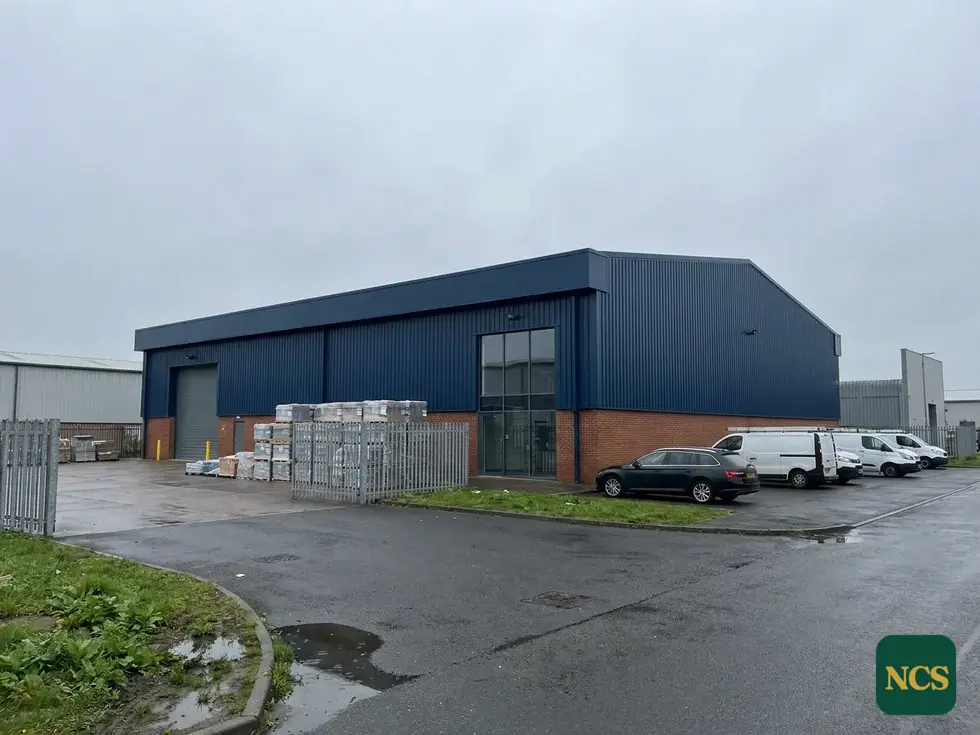
Tyneside’s commercial buildings cover a wide span. The centre of Newcastle carries stone-fronted Victorian commercial stock, brick terraces with shops below and offices or flats above, and a strong layer of post-war concrete-frame building. Further out, you’ll find rendered parades, painted brick industrial units and newer business park stock in thin-coat render. Weathering shows differently on each. Freeze-thaw spalling on saturated brick, carbonation staining on exposed concrete, crazing and hollow patches on older render, chalking on modern systems. The preparation and repair schedule has to answer the actual defects on the actual wall. No product brochure can do that on its own.
If the Newcastle upon Tyne job is honest repainting on a sound wall, that is what we quote. If the wall needs work first, the report says so plainly.
Signs a wall is not ready for coating
Part of an honest survey is recognising the walls that shouldn’t be coated yet, or at all:
- Masonry saturated by failed gutters, downpipes or parapet details. These must be repaired and dried first.
- Render that sounds hollow over large areas. That means it needs removal, not overcoating.
- Active structural cracking. That calls for investigation, not a flexible finish.
- Heavy salt staining or efflorescence. That’s a sign that moisture is still moving through the wall.
- Listed status or conservation constraints that haven’t yet been resolved with the council.
Where we find any of these, we say so in writing and explain what should happen instead. Coating over a known defect just delays and enlarges the bill.
What survey-led actually means for you
It means the price reflects your building, not an average one. It means repairs are itemised before work starts, instead of appearing as extras halfway through. It means the coating system was chosen because of the substrate, the exposure and our condition findings, not because it was the product in the van. And it means that if the right answer for your building in Newcastle upon Tyne is repointing, render repair or simply fixing the rainwater goods, you hear that before you spend money on a finish. That discipline is the whole difference between a coating that works for many years and one you regret by the second winter.
What a commercial wall coating survey in Newcastle upon Tyne looks at
National Coating Specialists carries out commercial wall coating work in Newcastle upon Tyne and the surrounding area. Every building is assessed on its own condition first. The survey weighs up the points that decide whether coating, repair or replacement is the right route:
- Clear list of commercial wall coating services specific to Newcastle (walls, render, brick, cladding).
- Evidence of experience with North East weather and coastal exposure.
- Detail on coating systems used (acrylic, elastomeric, anti-carbonation etc.) without brand puffery.
- Step-by-step overview of the survey and installation process.
- Example project types and sectors served in Newcastle (warehouses, retail parks, factories, offices, schools).
Related survey-led services
Cladding SprayingSurvey-led cladding spraying for commercial and industrial buildings across England.
Industrial Wall CoatingsSurvey-led industrial wall coatings for commercial and industrial buildings across England.
For a survey-led assessment of your building in Newcastle upon Tyne, request a free site survey.