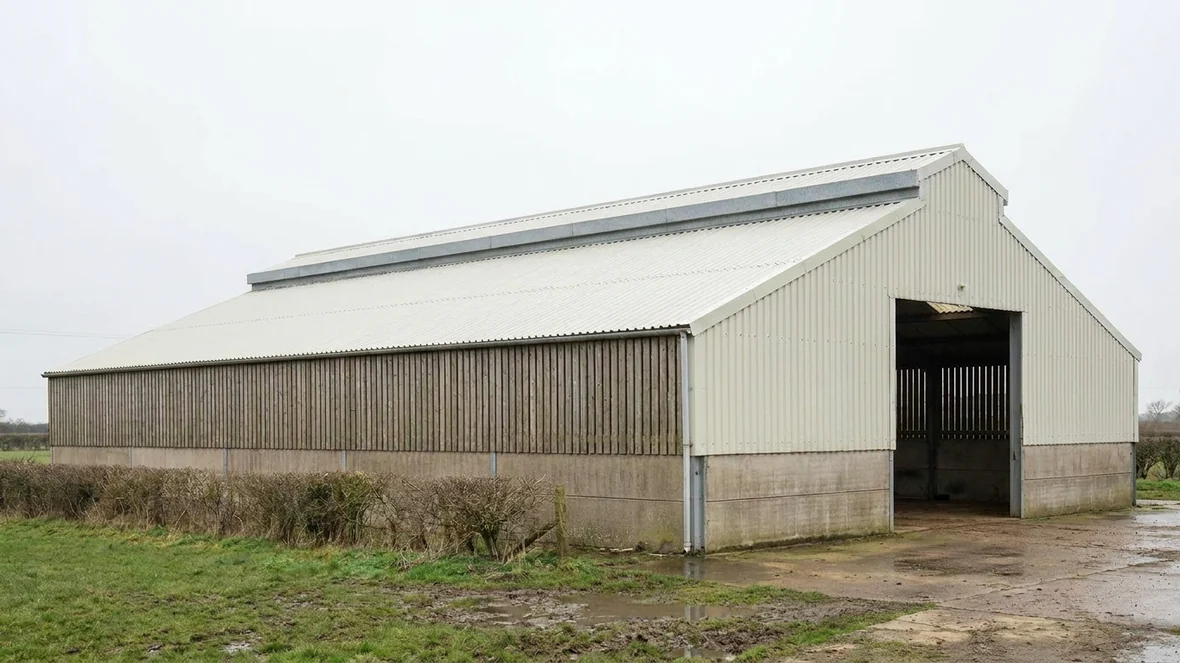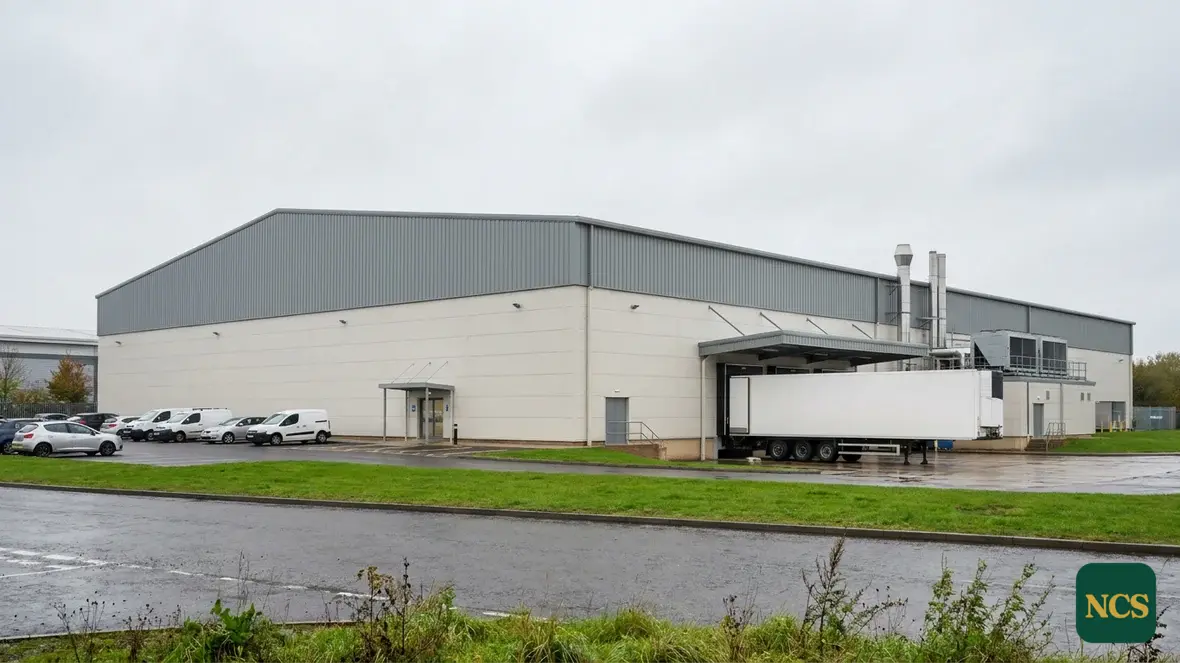




Industrial roof coating Newcastle upon Tyne
Industrial roof coating Newcastle upon Tyne estates get starts with North Sea weather, not a generic spec.
Industrial roofs on Tyneside earn their keep the hard way. North Sea weather, salt in the air, long winters and exposed positions along the river and the A1 corridor all shorten the life of profiled metal sheeting.
Industrial roof coating across Newcastle and Tyneside
We are National Coating Specialists, an exterior coating contractor. We are based in the South East and work across the UK, including the North East, on the building types that dominate Tyneside’s industrial estates: steel portal frame warehouses, factory units and distribution sheds with large profiled metal roofs.
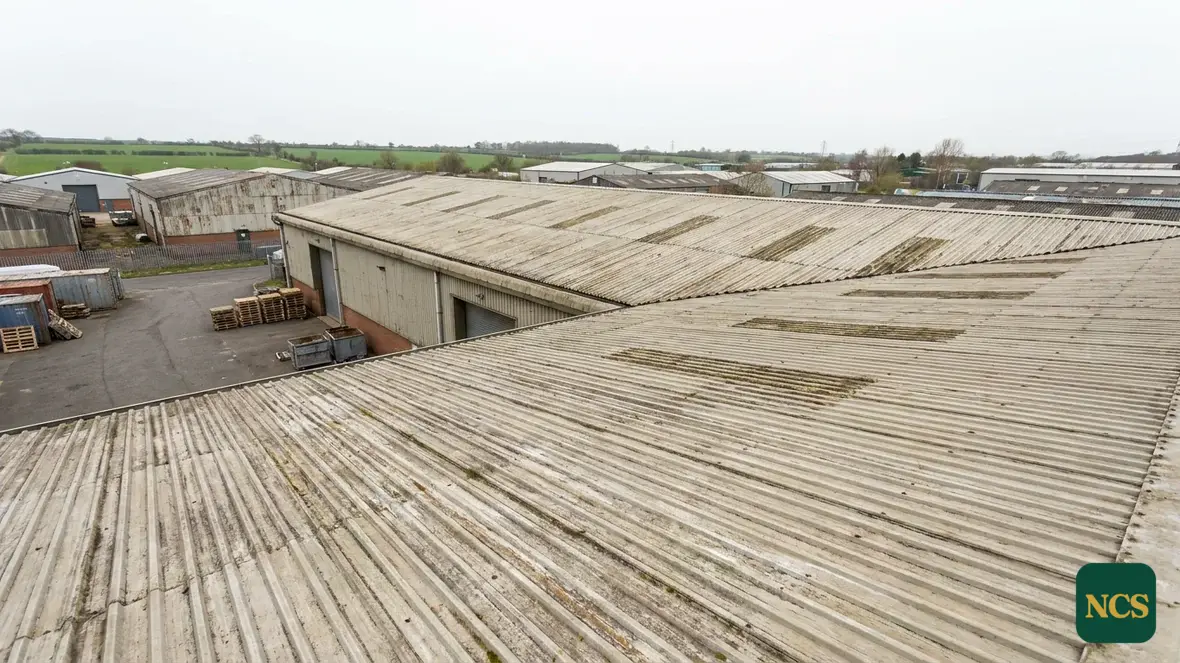
The job is to take a roof that is fading, rusting at the sheet edges and beginning to leak at the laps, and return it to sound, watertight condition without the cost, programme and disruption of full replacement. Our services cover everything from a single factory unit to a phased programme across a multi-building estate. Our approach is the same at either scale: inspect first, recommend second.
Where a Newcastle upon Tyne factory roof mixes sound sheets with corroded runs, the survey maps repairs first and painting second.
What North Sea weather does to sheet steel
Coastal climates accelerate every failure mode a metal roof has. Cut-edge corrosion, the rust that forms where sheets were cut through their protective coating at manufacture, appears earlier and spreads faster. Fixings corrode and back out sooner. Plastisol and similar finishes chalk, crack and peel ahead of their inland equivalents. Rooflights turn brittle in the freeze-thaw cycles. The pattern is predictable, which is genuinely useful: caught before corrosion perforates the sheet, all of it can be treated, sealed and protected under a full coating system. The judgement is timing. Timing is what the survey establishes. Wait too long and the options narrow to one, and it is the expensive one.
A survey before anyone talks products
We do not price industrial roofs from aerial photographs. A surveyor inspects the roof at close quarters: sheet and finish condition, the extent of edge corrosion, fixings, flashings, ridges, rooflights and gutters, plus the underside where access allows. You receive a written, photographed report and a clear recommendation. Sometimes that is a full coating with localised repairs. Sometimes it is targeted repairs and gutter works now, with coating budgeted for a later stage. The specification follows the roof’s condition, not the other way around.
Keeping a 24-hour site running
Estates and facilities teams around Newcastle manage buildings that do not get quiet weeks, so we plan the works on that basis:
- Everything happens from outside, with no need to clear or stop the floor below
- No strip-off, so the building is never opened to the weather
- Working areas phased to keep yards and loading doors live
- Access plant positions and deliveries agreed with your team in advance
- A daily point of contact so site management always knows what is overhead
It is also a quieter way to refurbish a roof. There are no sheets being cut overhead, no skips of old cladding moving through the yard, and far fewer vehicle movements than a strip-and-replace job would generate, which matters on a tight Tyneside estate with shared circulation.
The roofs we tell people not to coat
A coating cannot rescue a roof that has structurally failed. We will not pretend otherwise. Sheets rusted through, widespread perforation, saturated insulation or a deck with movement problems all mean one thing: the clear recommendation is replacement, and that is what our report will say.
You can take that finding to any contractor you like, with no obligation to us. Where the roof is sound and only the surface is tired, though, coating is usually the most economical decision an estates team can make, and Newcastle upon Tyne has a great deal of stock in exactly that condition. The survey will tell you which side of the line your building sits on. That is the same test behind every industrial roof coating job we take on across Tyneside.
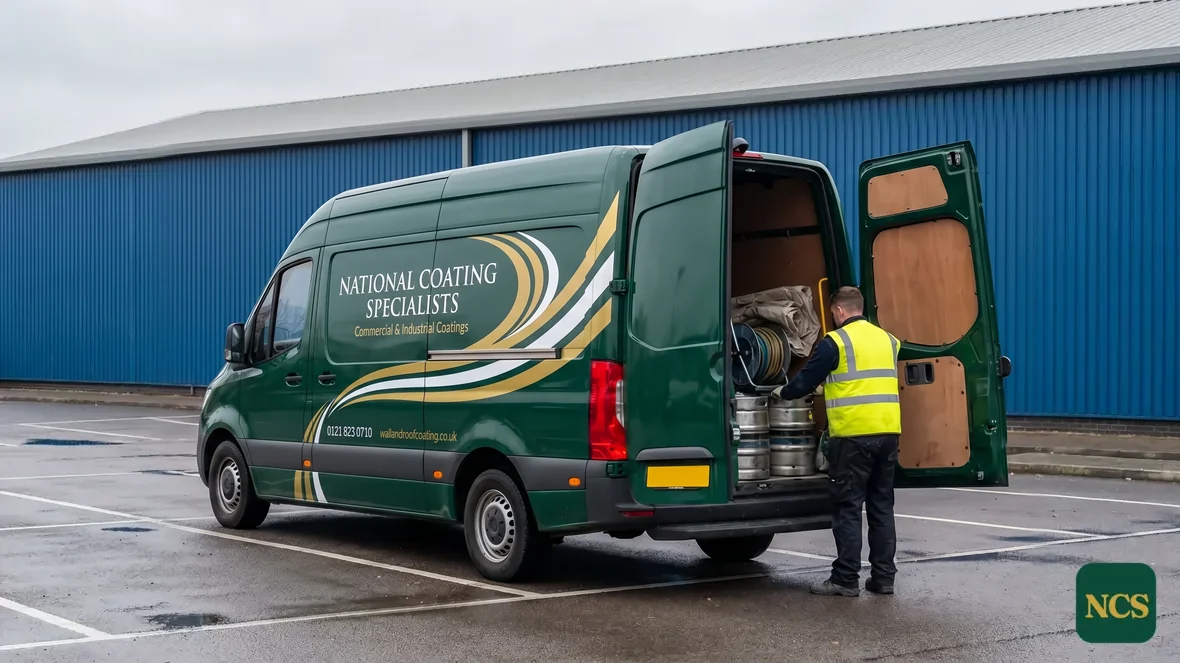
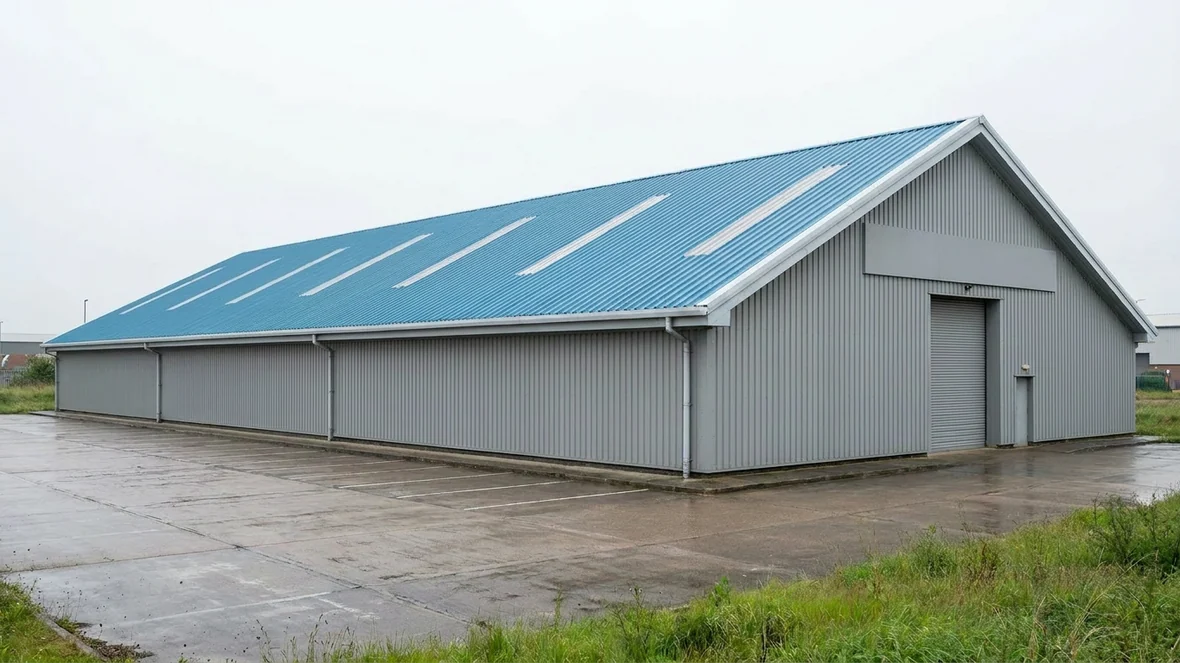
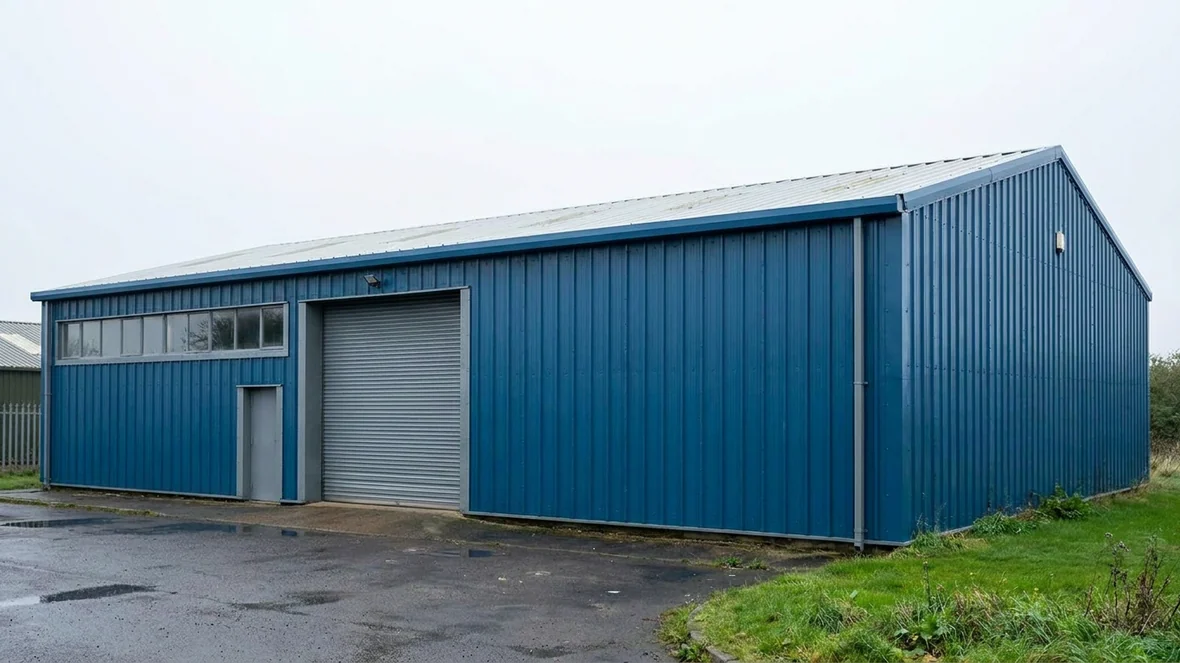
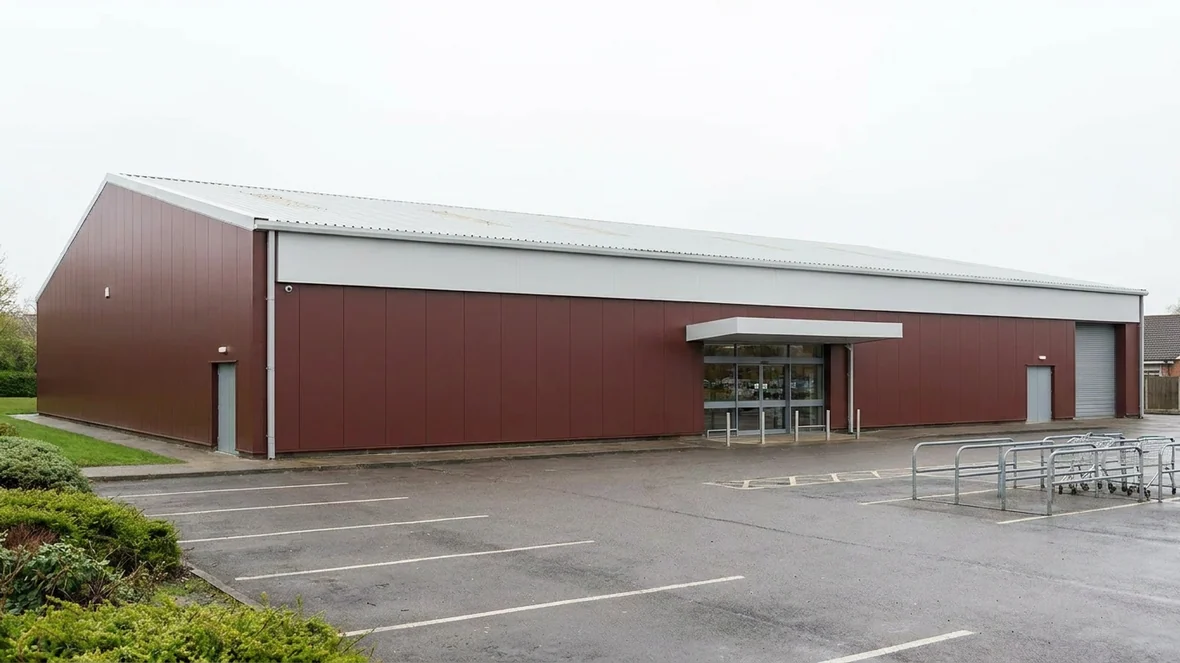
Industrial roof coating Newcastle upon Tyne: recent work we can show you
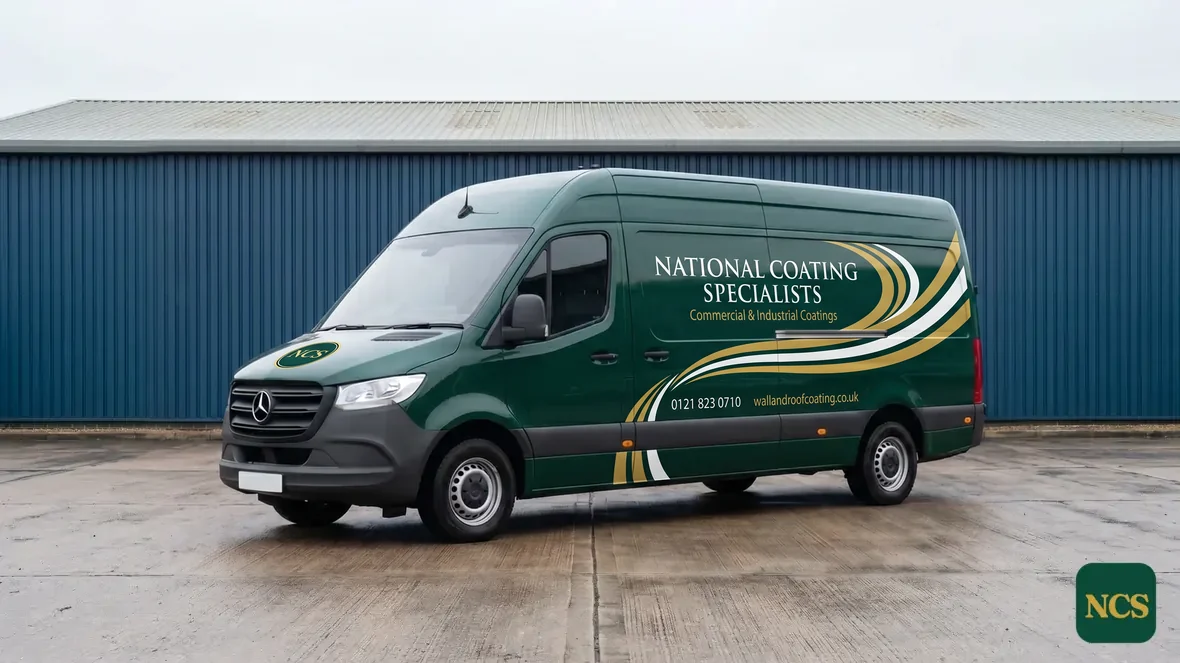
These are our own photographs from jobs of the same type. They are not stock images, and none of them is dressed up as something it is not. The caption tells you where each one was taken.
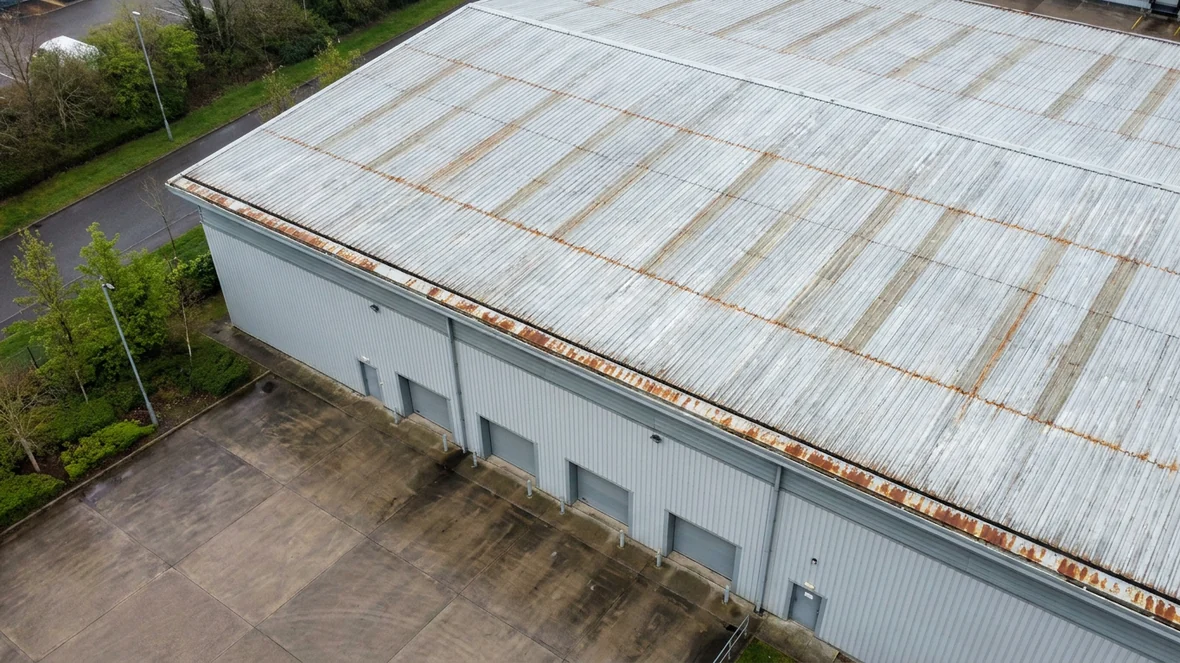
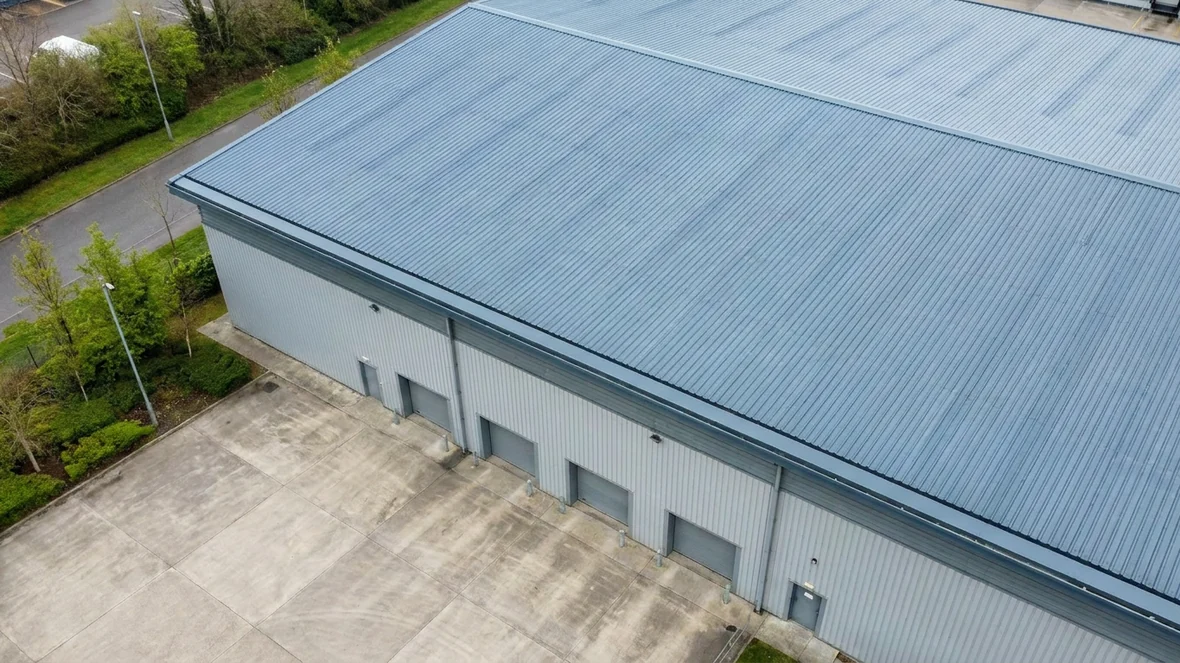
Standards behind our industrial roof coating Newcastle upon Tyne work
Industrial roof coating Newcastle upon Tyne sites are surveyed as work at height on a live, 24-hour operation, and access is planned with your team from the first visit. Our teams plan every job around the HSE’s work at height guidance, and we hold CHAS accreditation so the health and safety paperwork a managing agent or estates team asks for is ready before the first van arrives.
To arrange a survey, request a free quote.
Common questions about industrial roof coating Newcastle upon Tyne
Can an industrial roof coating stop a leaking roof?
It can, provided the leaks arise from defects that can be repaired and incorporated into a coating system. Typical examples include failed laps, loose fixings, localised corrosion, cracked sealants and deteriorated junctions. We first trace the likely routes of water entry, as the point where water appears internally may be some distance from the external defect. A coating should not be used to conceal saturated insulation, extensive structural decay or an unsuitable roof build-up.
Can a rusty metal roof be coated?
Surface corrosion does not automatically rule out coating. We assess the depth and distribution of corrosion, paying particular attention to sheet ends, side laps, fixings, gutters and areas beneath persistent deposits. Sound metal can often be cleaned, prepared and treated before the industrial roof coating is applied. Where corrosion has perforated sheets or substantially weakened the profile, affected sections will usually need replacement first.
Which industrial roofs are suitable for waterproof coatings?
Industrial roof coatings may be suitable for profiled metal sheets, fibre cement roofs and certain existing membrane systems. Suitability depends on adhesion, roof condition, moisture within the construction, drainage and the compatibility of previous treatments. We use a survey and, where appropriate, adhesion testing to establish whether coating is technically justified rather than assuming every weathered roof is a candidate.
Can roof coating be completed while the building remains in use?
Often it can. The practical answer depends on access, roof fragility, ventilation intakes, working areas below and the activities carried out inside the building. We plan preparation and application in controlled sections, protect openings and coordinate disruptive work around the site. Occupation should never be allowed to compromise safe access, adequate preparation or curing conditions.
How long does industrial roof coating take to cure?
Curing varies with the coating type, film thickness, roof temperature, humidity and exposure to rain or condensation. Drying to the touch is not the same as achieving a fully cured waterproofing layer. We programme each stage around suitable conditions and observe the required interval between coats. Applying material too late in the day, onto a damp surface or ahead of rainfall can impair adhesion and finish.
Industrial roof coating or roof replacement?
Coating and replacement solve different levels of deterioration. Industrial roof coating is generally the less disruptive option where the roof covering remains fundamentally sound but needs repaired details, corrosion control and renewed weatherproofing. It can retain serviceable sheets, reduce work inside an occupied building and address vulnerable laps, fixings and penetrations as part of a continuous system.
Coating is not a substitute for structural repair. Replacement wins when sheets are extensively perforated, the supporting structure is defective, insulation is widely saturated or the roof build-up no longer meets the building’s operational needs. Replacement may also be the better decision where repeated alterations have left too many incompatible materials and poorly formed details to create a reliable waterproofing system.
There are cases where a combined approach is appropriate. Localised sheets, rooflights, gutters or flashings can be replaced before industrial roof coatings are applied to the remaining sound areas. This avoids discarding serviceable fabric while ensuring that weak components are not merely covered over.
We base the recommendation on condition rather than preference. A survey should consider structural integrity, hidden moisture, corrosion, drainage falls, condensation risk, internal operations and the expected future use of the building. If replacement offers the more dependable outcome, we say so plainly.
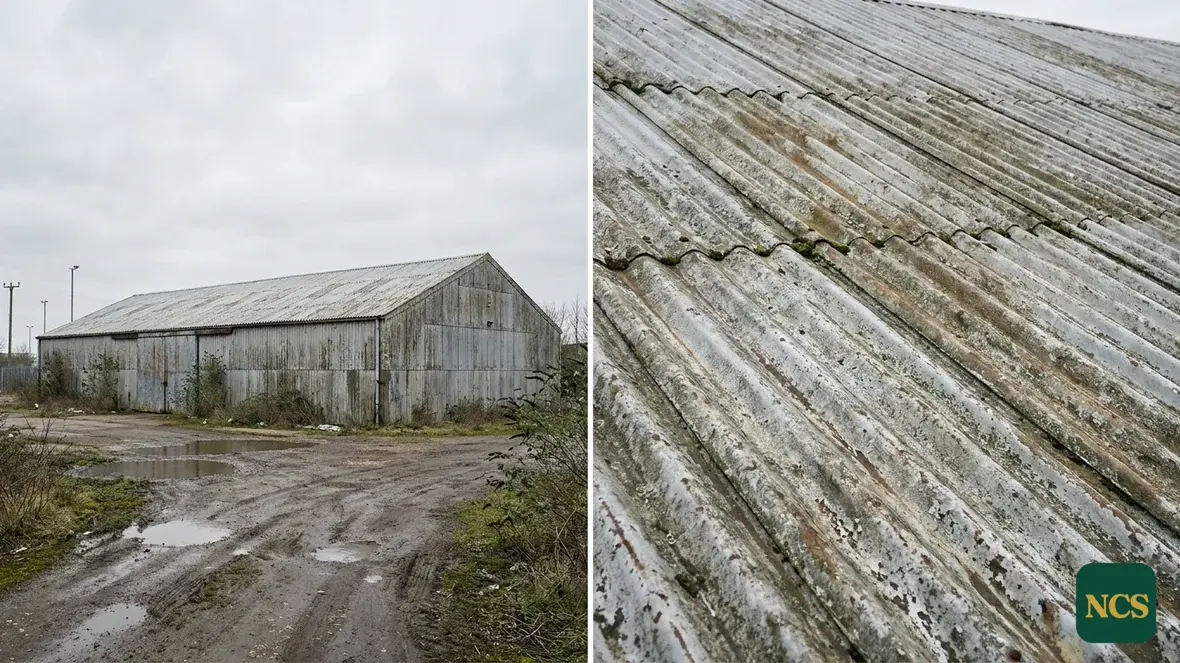
Preparation and detailing before an industrial roof coating is applied
The quality of a roof coating depends heavily on work that is no longer visible once the final coat has cured. Preparation must produce a clean, stable and compatible surface. Simply washing the roof and applying material over existing defects is not a sound waterproofing method.
Cleaning and surface preparation
We remove dirt, biological growth, loose paint, oxidation and residues that could prevent adhesion. Cleaning methods are selected for the substrate and condition of the roof. Corroded metal is prepared back to a stable edge, while brittle or fragile materials require controlled techniques that do not damage the sheets.
Repairs to laps, fixings and penetrations
Side laps, end laps, fasteners, rooflights, vents and service penetrations are common routes for water ingress. We replace defective fixings where required, remove failed sealants and rebuild details using compatible materials. Reinforcement may be incorporated at movement-prone junctions, but it must be properly embedded rather than left bridging voids.
Gutters, outlets and roof edges
A waterproof coating cannot compensate for inadequate drainage. We check gutters, outlets, valleys and discharge points for corrosion, obstruction and poor falls. Sheet ends and eaves deserve particular attention because retained debris and repeated wetting can accelerate deterioration. Necessary repairs are completed before the main coating application.
Application conditions and film continuity
We monitor the substrate and weather rather than relying only on a general forecast. The roof must be sufficiently dry, with no imminent rain or condensation likely to affect curing. Coats are applied in the specified sequence, with attention to coverage around profiles, repaired details and changes in plane. The finished waterproofing layer should be continuous, without pinholes, missed edges or material applied so heavily that it cures unevenly.
- Survey the roof covering, structure and internal signs of water ingress.
- Confirm adhesion and compatibility with existing surfaces.
- Repair unsound sheets, flashings, fixings and drainage components.
- Prepare corrosion and remove contaminants thoroughly.
- Detail laps, penetrations, rooflights and vulnerable junctions.
- Apply each coat only within suitable weather and curing conditions.
- Inspect the completed industrial roof coating for continuity and sound detailing.