Cladding spraying in Newcastle upon Tyne
You’ll struggle to find a part of England that tests a coated steel façade like the North East. Cladding spraying in Newcastle upon Tyne has to contend with coastal salt, hard winters and long spells of wind-driven rain. It all shortens the life of the original factory finish. The good news is that the steel underneath usually outlasts its coating by decades, which makes respraying on site a proper alternative to replacement for most commercial buildings up here.
We work from a survey, right from the first call. A building on an exposed Tyneside industrial estate needs a different spec to a sheltered unit inland. We won’t guess. We inspect.
Cladding painting around Newcastle upon Tyne starts at the cut edges. Treat the corrosion first and the finish lasts; paint over it and it comes back through.
Exposure, salt and the stock across Tyne and Wear
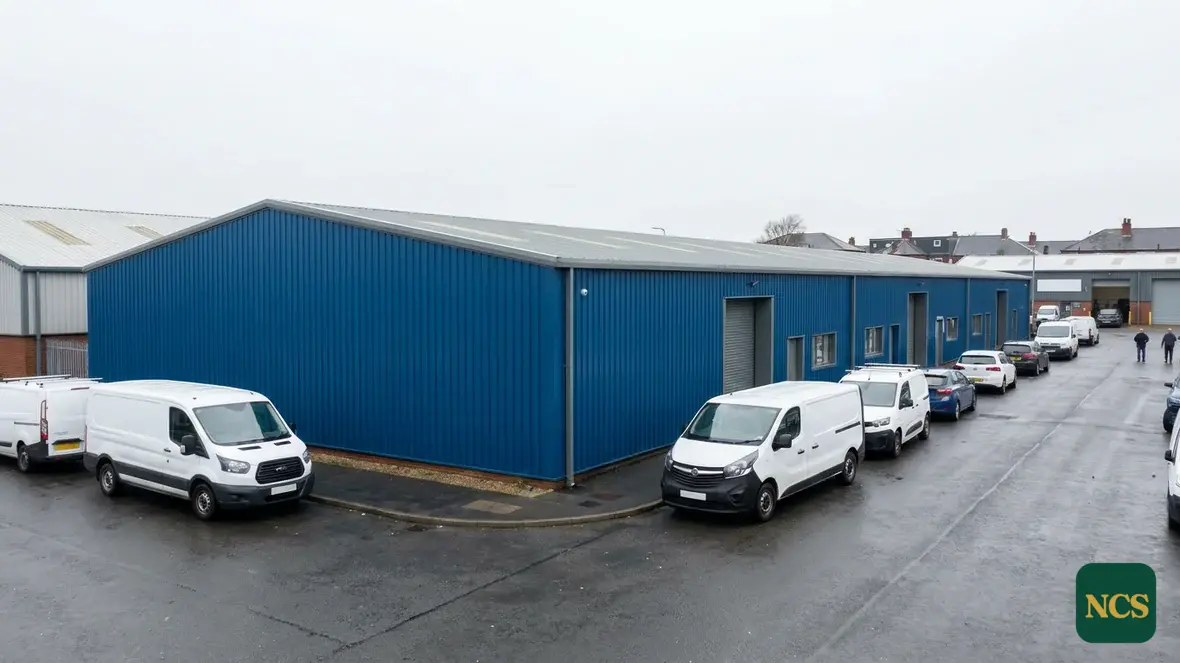
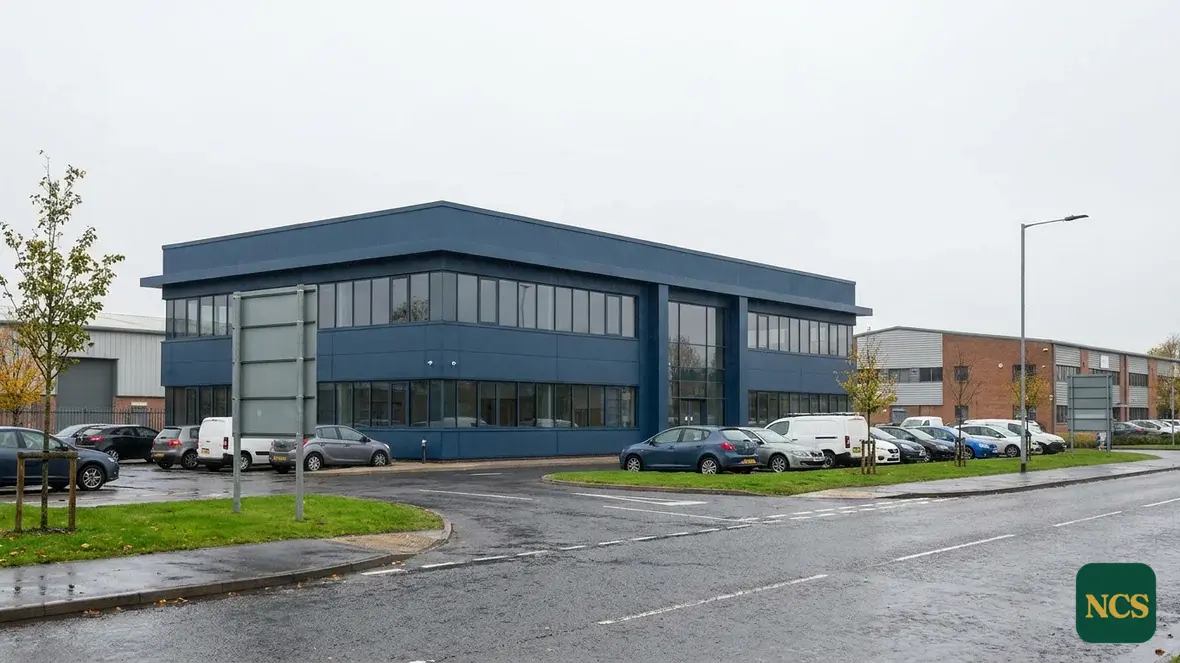
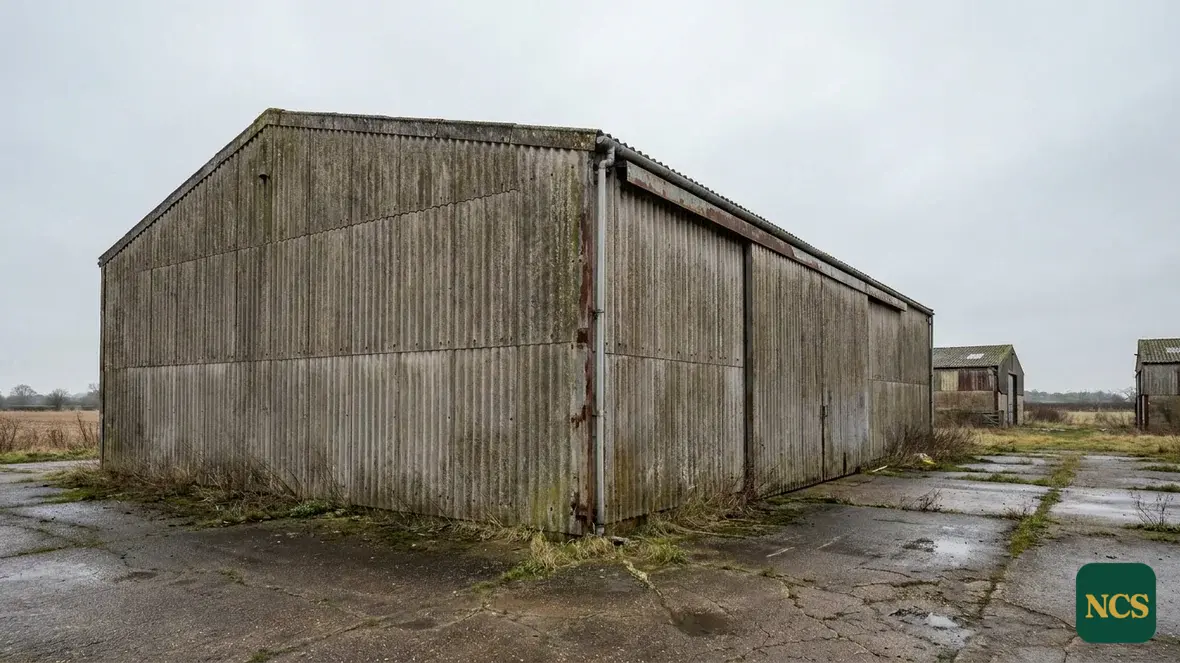
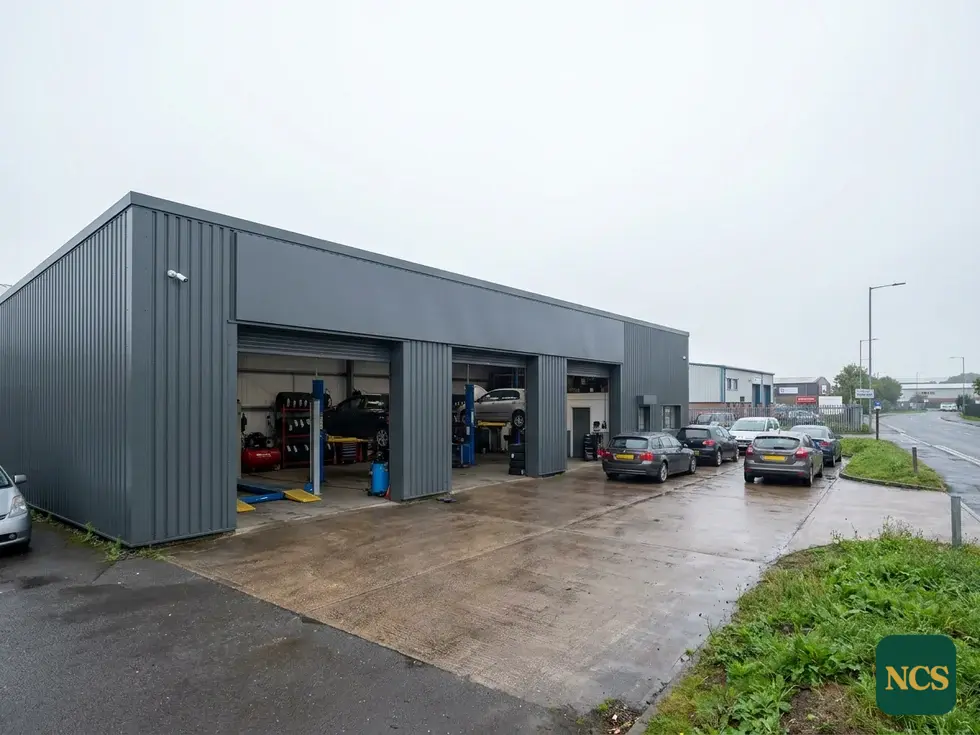
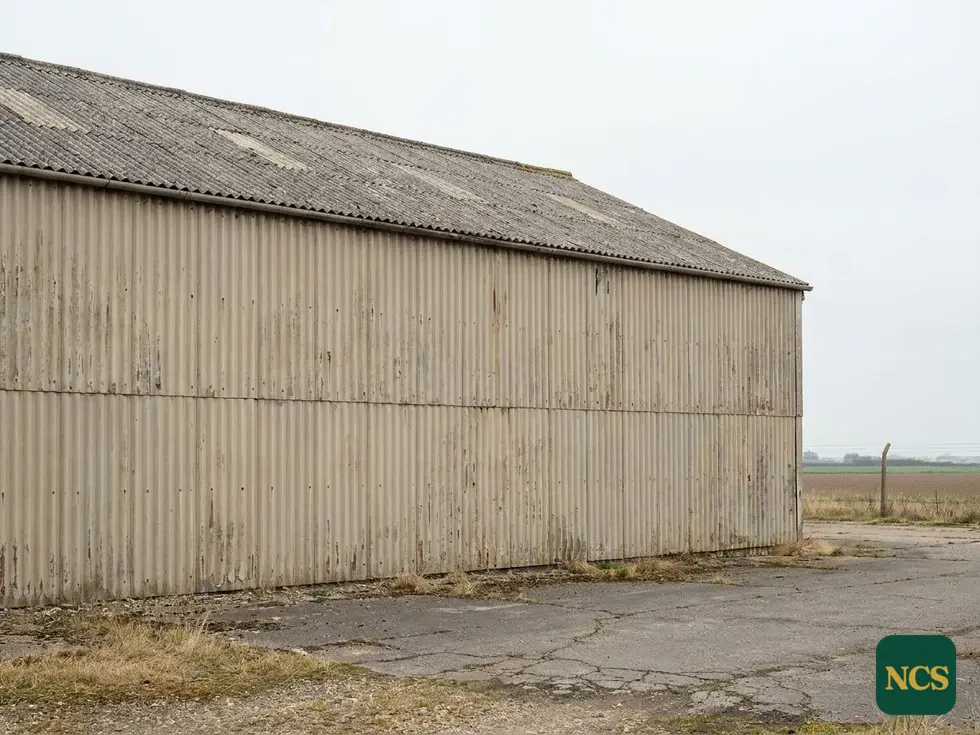
Tyne and Wear’s commercial property ranges from riverside industrial estates and big trading estates south of the river, up to business parks, retail sheds and leisure units on higher, more exposed ground. A lot of it is profiled steel from the 1970s onwards, now showing the classic signs: chalking you can wipe off with your finger, fade on the weather-facing elevations, and rust tracking along sheet ends and laps.
How close you are to the coast matters more than most owners realise. Airborne salt speeds up corrosion at cut edges. Two outwardly identical buildings a few miles apart can be in completely different condition. That’s exactly the kind of difference a close-range survey is there to catch.
A process built around inspection
Before we price anything, a surveyor walks the building and builds a written record:
- Panel type, profile and the state of the existing coating
- Corrosion mapping, with particular attention to cut edges and laps
- Adhesion checks to confirm the surface will accept a new system
- Repairs needed to sheets, flashings, fixings and sealant lines
- Access, weather windows and site constraints for the programme
The job then runs in a fixed order: cleaning, corrosion treatment, repairs, masking, spray application and a final elevation-by-elevation check. The same process covers Gateshead and North Shields a few minutes away, and reaches Sunderland and Durham without any change in method.
Planning around the weather is part of the same discipline. Coatings need dry panels and workable temperatures. Programmes in the North East are written with realistic weather windows, not optimistic ones. The survey notes which elevations will be hardest to protect while the work is under way.
When a coating is not the right call
A sprayed finish renews protection. It doesn’t put steel back. If corrosion has gone through the sheet, if panel faces are separating from their cores, or if fixings have failed, coating over the top would just hide a live defect. Our surveys flag this honestly. In those cases, the recommendation is repair or partial replacement before we even consider a coating.
We take the same line on adhesion. If the existing finish is detaching and testing says a new system won’t hold reliably, we won’t apply one. A coating that lets go after two winters on the coast is worse than no coating at all.
The case for a survey-led contractor
On exposed sites, the difference between a coating that lasts and one that fails sits almost entirely in the preparation. Preparation can only be specified by someone who has actually examined the building. That’s the case for a survey-led contractor in a single sentence.
It also keeps the commercial side honest. What the survey finds is priced before work starts. The figure you agree for a building in Newcastle upon Tyne is built on its real condition, not a guess from the kerb. If your cladding is fading faster than you expected, the inspection is where to start.