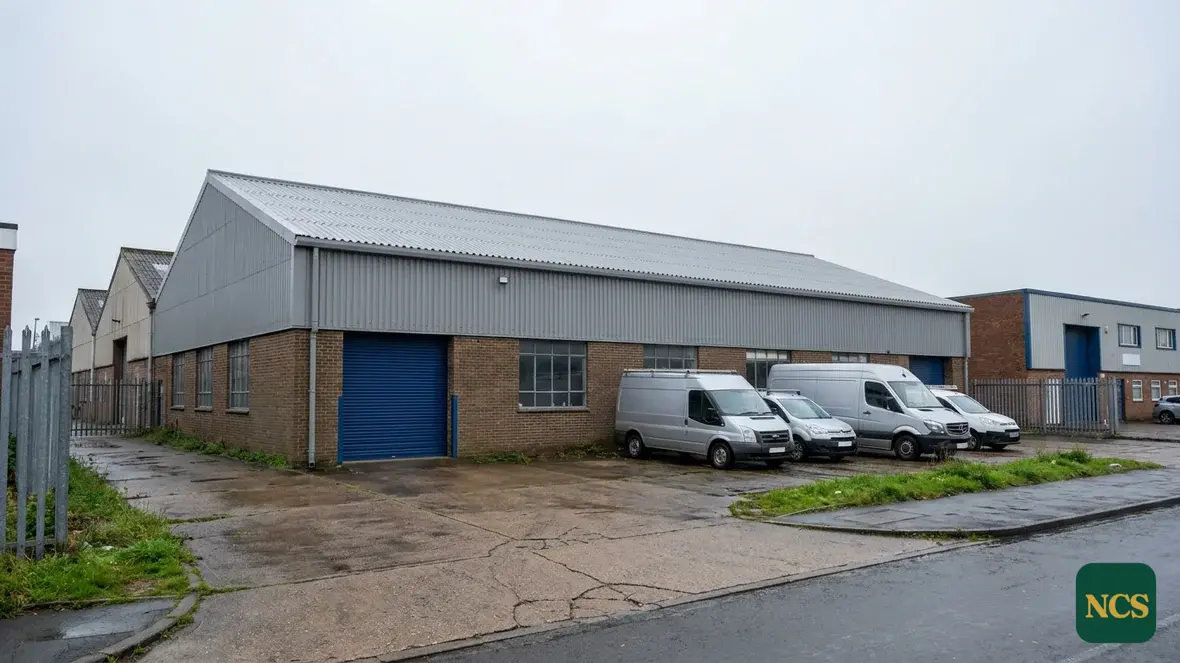










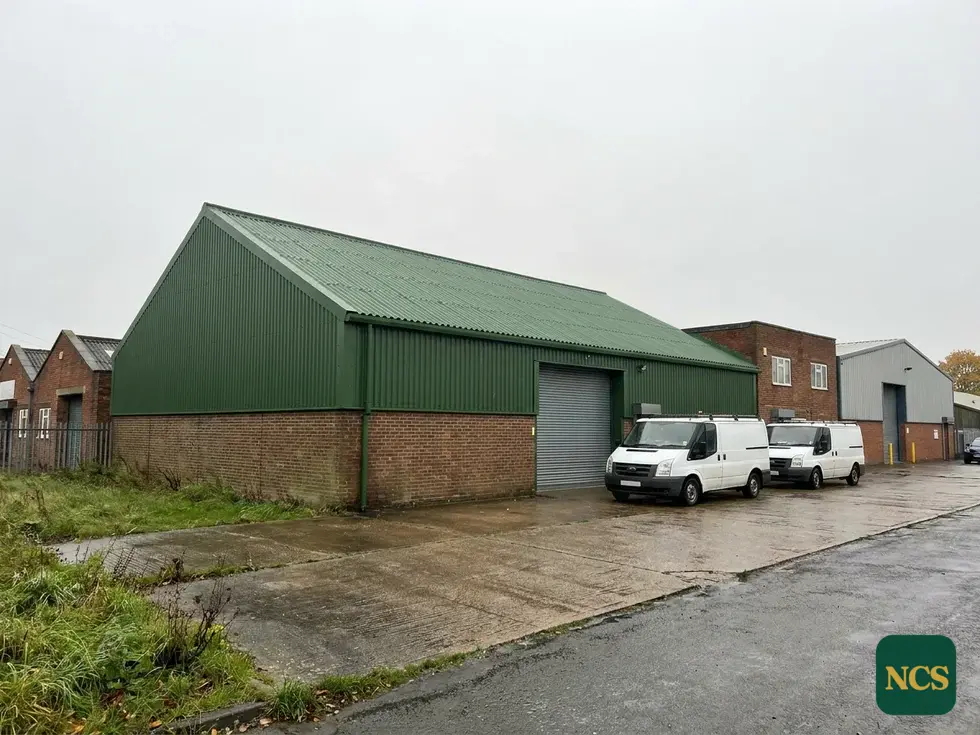
Plenty of asbestos cement roofs across Lincolnshire are good candidates for encapsulation. Plenty are not. The difference decides whether sealing the roof is sound asset management or money poured onto failing sheets, so it is worth being clear about it before anyone starts talking about coating systems or programmes of work.
Is your roof a candidate?
As a rough first filter, an asbestos cement roof is worth surveying for encapsulation when:
- The sheets are weathered and porous but structurally intact
- Cracks, holes and past repairs are limited and repairable
- Fixings, laps and edges are largely sound
- The building has a working future of years, not months
- You want to keep the building in use during the work
If that sounds like your roof, encapsulation deserves a proper look. If it does not, read the section further down on the jobs we turn down, because it may apply to you.
Asbestos cement across Lincolnshire’s farms and estates
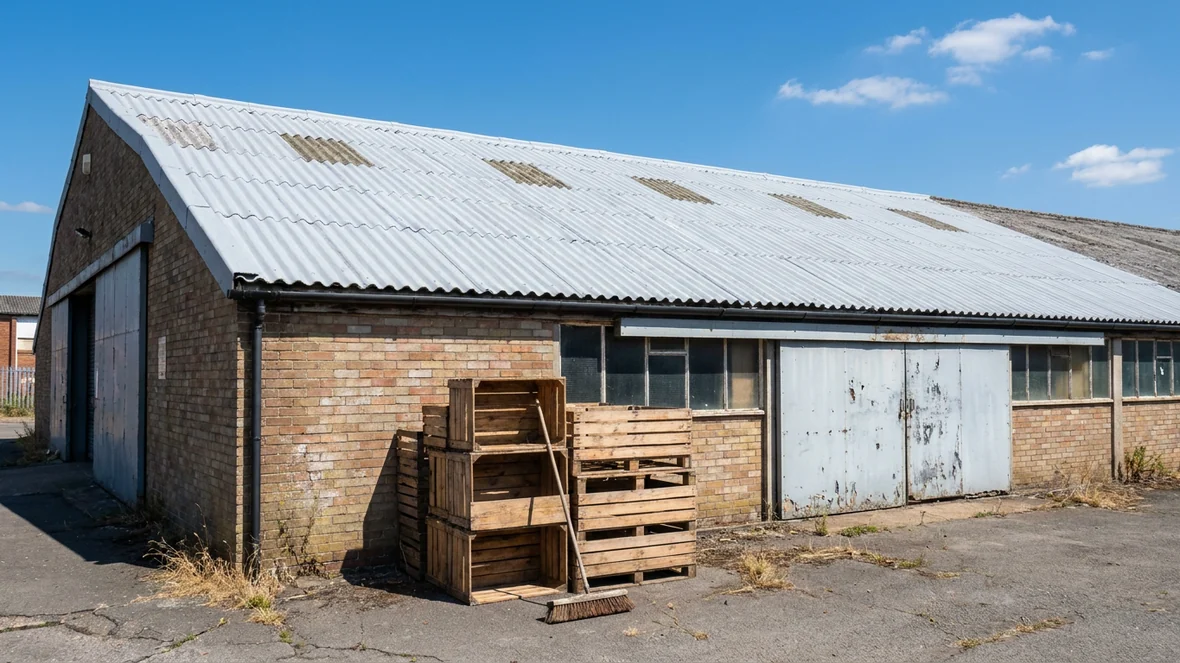
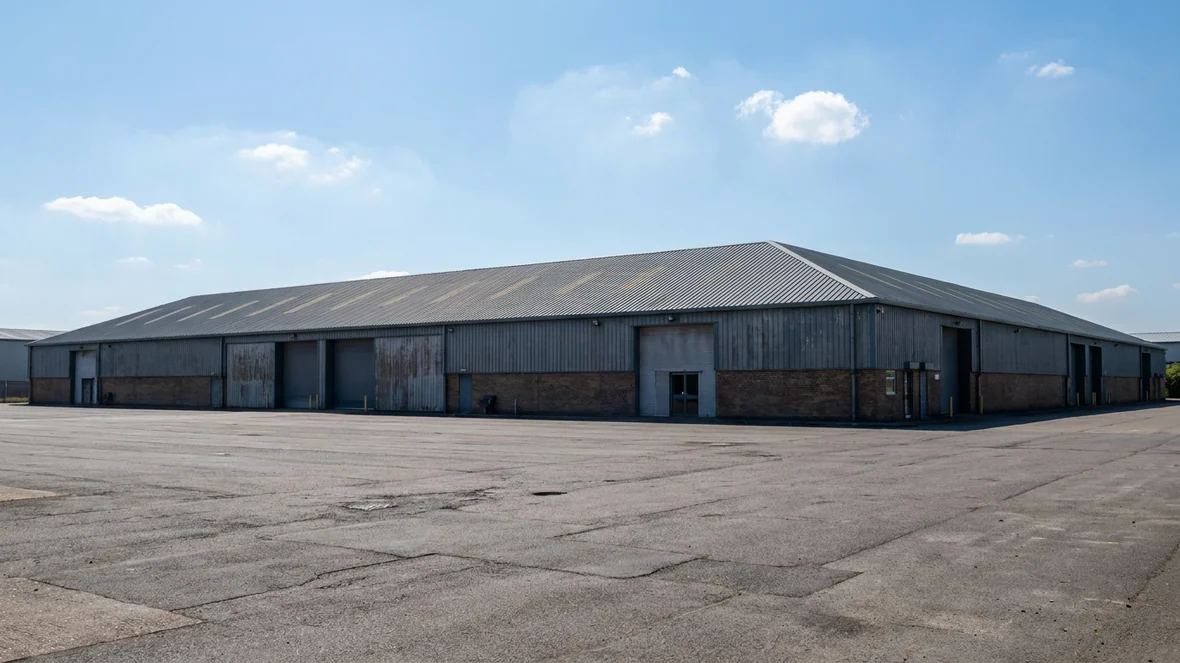
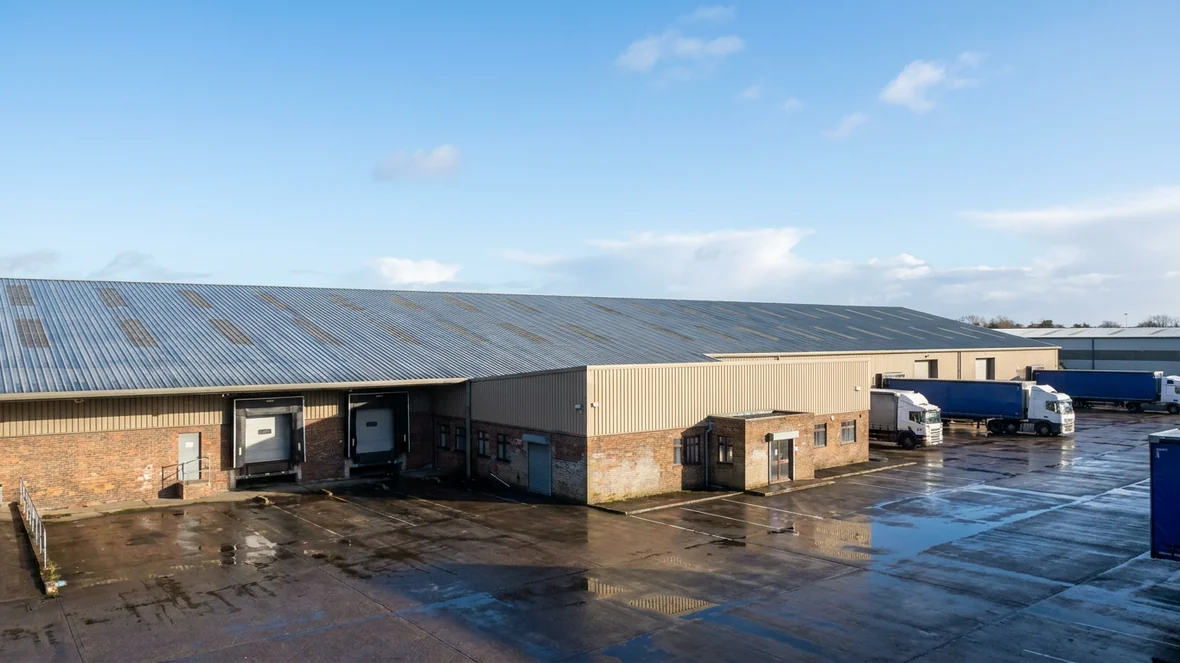
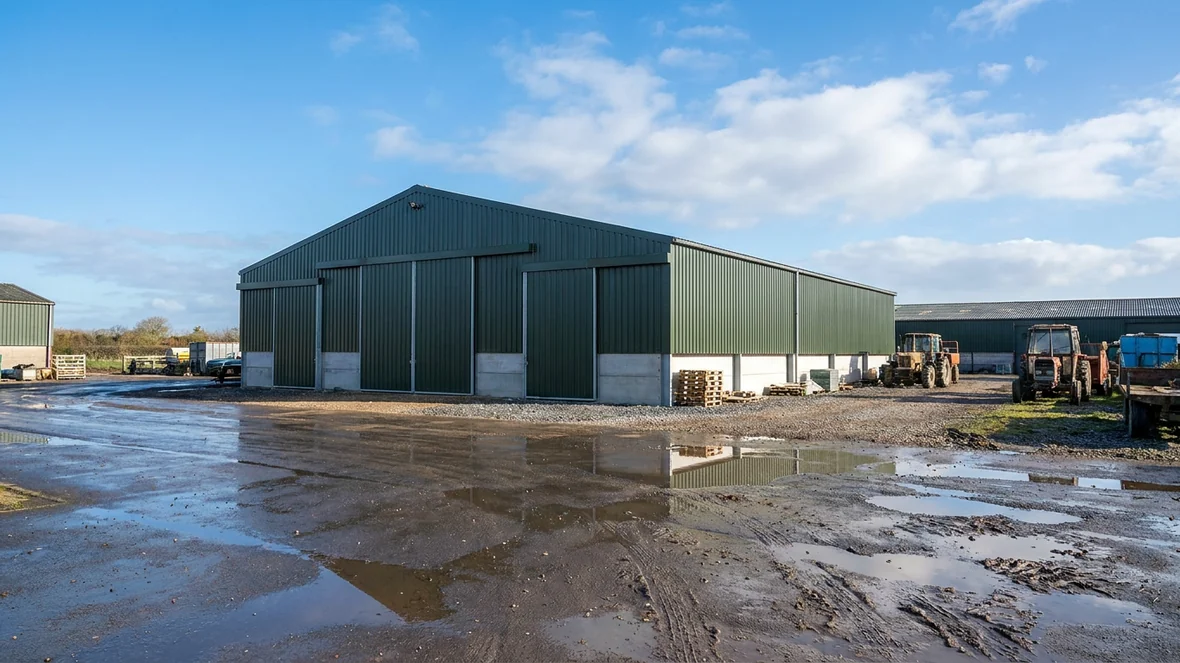
Lincolnshire is farming country, and its agricultural buildings, grain stores, machinery sheds and livestock housing among them, made heavy use of profiled asbestos cement through the 1960s, 1970s and 1980s. The industrial estates in and around Lincoln carry the same material on older workshops and units. After decades of east-coast weather, many of these roofs share the same condition: eroded surfaces, moss, hairline crazing, damp staining at laps and fixings. Structurally they often have life left in them; the surface is the problem, and the surface is exactly what encapsulation addresses.
The encapsulation process, step by step
First, the survey, covered below. Then controlled cleaning: no abrasive blasting and no aggressive pressure washing, because scouring an asbestos surface releases fibres. Biological growth is treated and cleared, minor defects are repaired, loose fixings are dealt with and fragile roof lights are managed safely. The encapsulant coating system then goes on to the specified thickness, sealing the porous cement, locking down fibre release and restoring a weathertight surface. The work is done from outside, with the building below typically remaining in use throughout.
The jobs we turn down
We decline to encapsulate roofs that have passed the point where a coating is honest engineering. That includes sheets that are extensively cracked or holed, delaminating, soft or friable, and roofs where edges and fixing points are crumbling away. It also includes buildings with suspect frames or purlins, and sites with demolition or redevelopment planned, where the spend would be wasted. Those roofs need removal under proper controls by an appropriate contractor, and our survey report will say so in writing. A coating company that never recommends removal is not advising you; it is selling to you.
Where encapsulation fits your duty to manage
The Control of Asbestos Regulations 2012 require whoever controls a non-domestic building’s maintenance, and that includes working farm buildings, to identify asbestos, assess its condition and manage the risk under a written plan. Managing sound material in place is fully recognised, and HSE guidance generally favours leaving good-condition asbestos cement undisturbed rather than disturbing it without need. Encapsulation turns that policy into something physical: deterioration arrested, surface sealed, re-inspection interval set. For a Lincoln building owner the result is a roof with usable life ahead of it and a register entry that shows the risk is being actively managed rather than just watched. We are a South-East based contractor and carry out this work across England, Lincolnshire included.