Cladding spraying in Lincoln
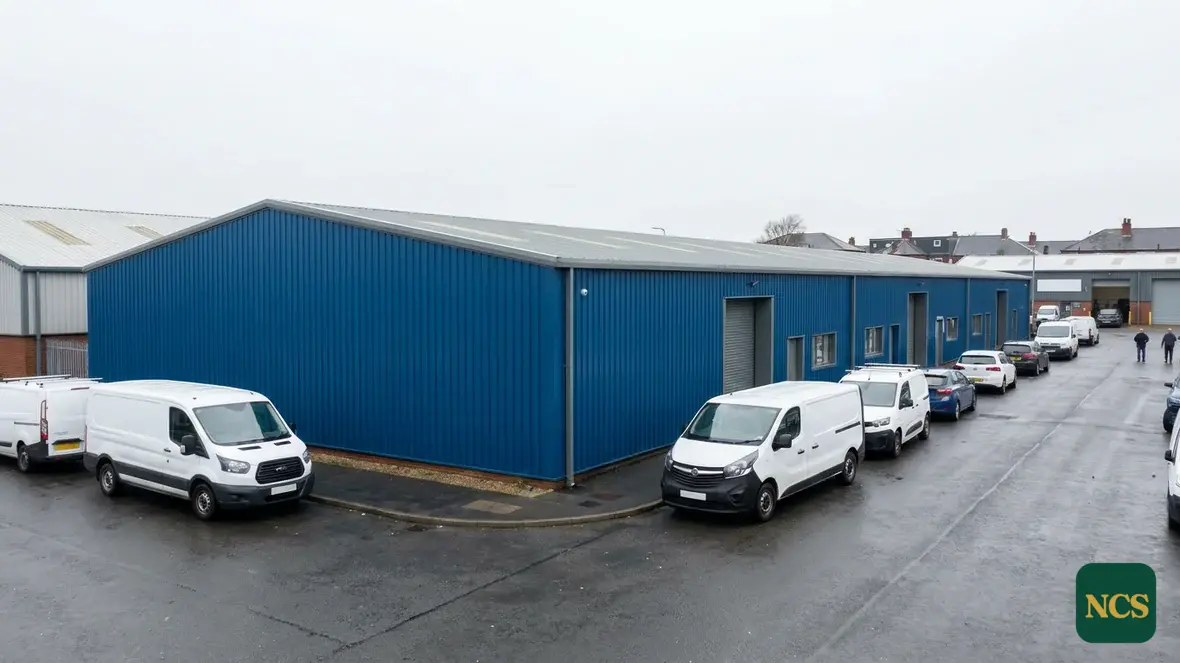
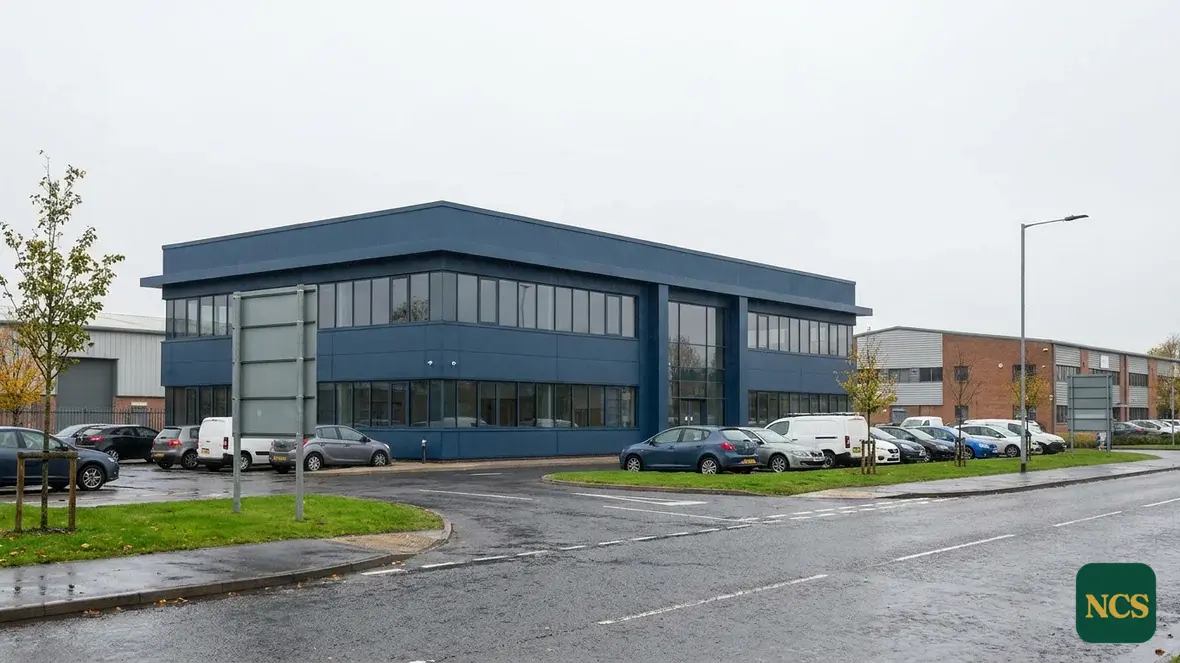
Lincoln’s skyline belongs to the cathedral, but its economy runs on working buildings: engineering sheds, food-sector units, trade estates and depots, a large share of them clad in profiled steel. We spray cladding in Lincoln to give those buildings a renewed finish on site once the original coating has faded, chalked or started to rust at the edges. It means you avoid the cost and disruption of stripping and recladding perfectly sound panels.
The deciding factor is always condition. You can only judge that up close. Every project we take on in the city starts with a physical survey for exactly that reason.
Cladding painting and on-site respraying around Lincoln is the same job done properly: panels washed back, edges treated, then a coating matched to the original finish.
Lincolnshire’s working buildings
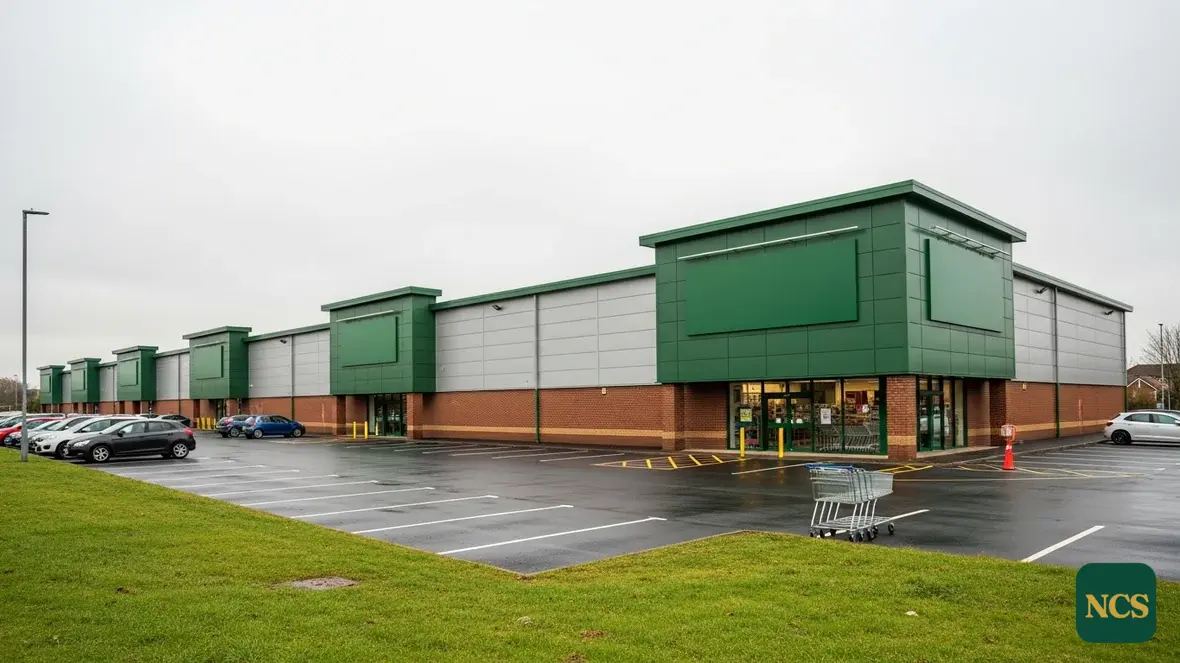
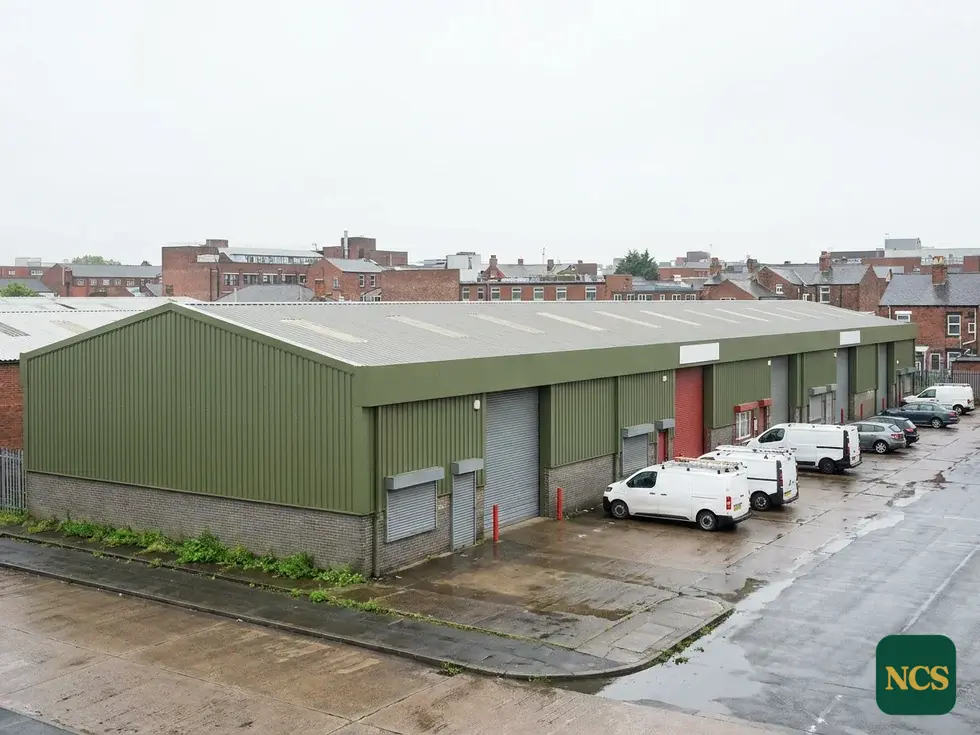
The county’s commercial stock is spread out and practical. We see steel-framed, steel-clad units across Lincolnshire for agricultural engineering and food businesses. Trade and industrial estates ring the city along the bypass routes. Retail sheds line the main approaches. Many of these buildings have worked hard for thirty or forty years on their original factory finish.
Open, flat country adds its own pressure. Exposed elevations take wind-driven rain with little shelter. Fade and edge corrosion often arrive earlier on freestanding rural units than on tucked-in urban ones. It is a difference we can only assess accurately after seeing the building.
A recoat is also the moment to choose a colour rather than inherit one. Plenty of the county’s older units still wear the browns and beiges they were built in. Spraying replaces that with any current scheme, walls and trims treated separately if you want, so a building can be brought up to date visually at the same time as it is protected.
What a survey-led job looks like
The survey produces a record you keep whether or not you proceed:
- A photographic condition report for every elevation.
- Notes on coating adhesion, corrosion and necessary repairs.
- A written specification for preparation and the coating system.
- An access and masking plan suited to the site.
- A fixed sequence for the work, through to a final walk-round.
That same starting point covers buildings well beyond the city. Newark-on-Trent, Gainsborough, Sleaford and Grantham all sit comfortably inside the area we survey, along with the wider county. Roof cladding can be included in the same visit where it makes sense, which on portal-frame buildings it usually does.
When recoating is not the answer
Spraying has limits. Pretending otherwise is how facades end up coated twice in five years. Sheets that rust has gone through, composite panels coming apart at the skin, failed fixings and saturated insulation are not painting problems; they are repair problems, and our reports identify them as such.
Where remedial work should come first, we say so before quoting for any coating. Where the building is simply not a sensible candidate, we say that too. An honest ‘no’ protects your budget far better than an optimistic ‘yes’. It is also why our reports separate what must be done from what could be done, so the spending can be staged if the budget needs it.
Why we lead with the survey
The survey is not a formality; it is where the project succeeds or fails. Preparation, edge treatment and repairs determine how long a sprayed finish lasts. All three can only be specified by someone who has stood in front of the panels. That is what separates a survey-led contractor from a price on a web form.
For a clad building in Lincoln that has lost its colour or started showing rust lines, the practical first step is an inspection and a written report you can make a decision with. And if the report says the building is a good candidate, you will know why, elevation by elevation.
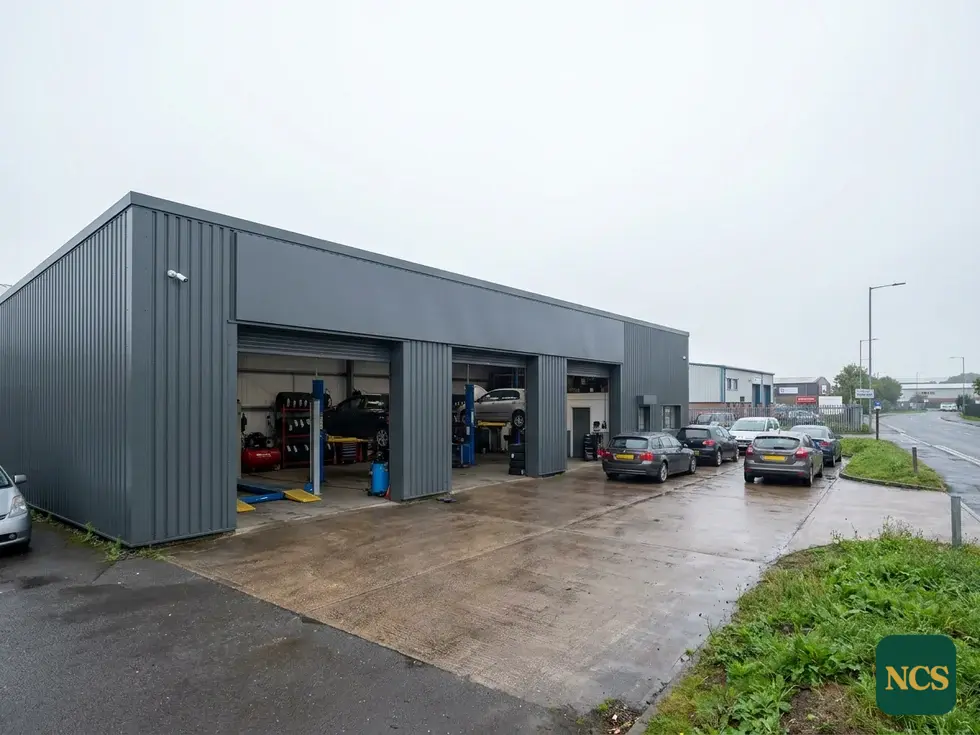
Recent project near Lincoln
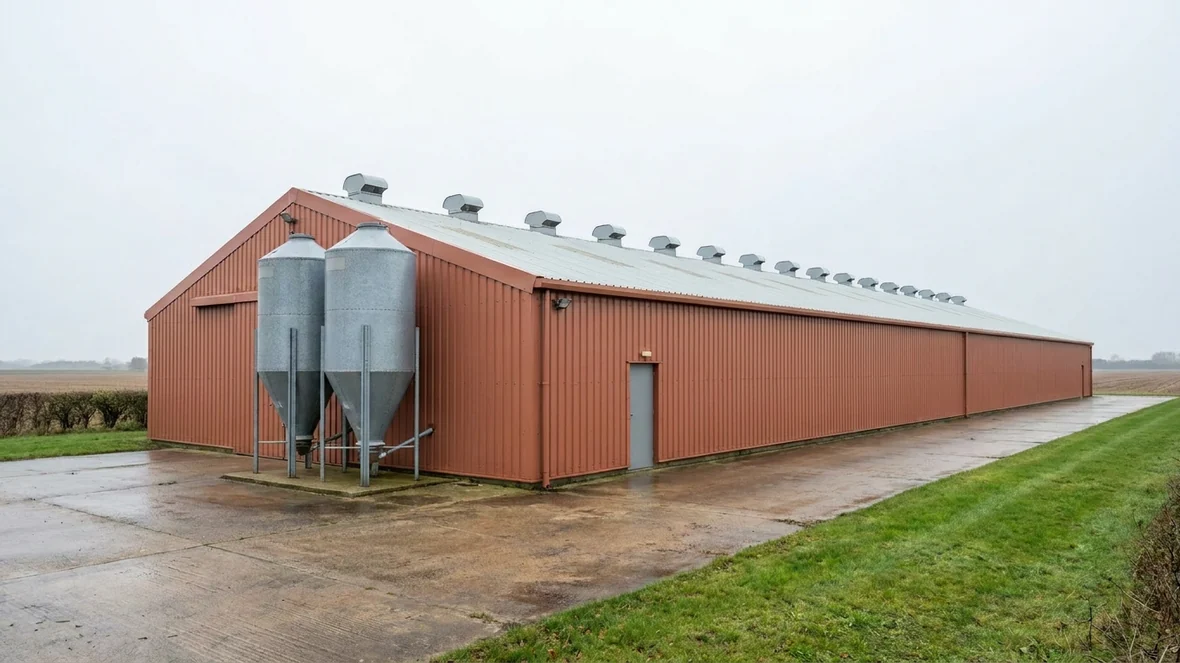
A faded broiler shed near Lincoln resprayed in Terracotta inside the biosecure turnaround window between flocks. Read the full case study.