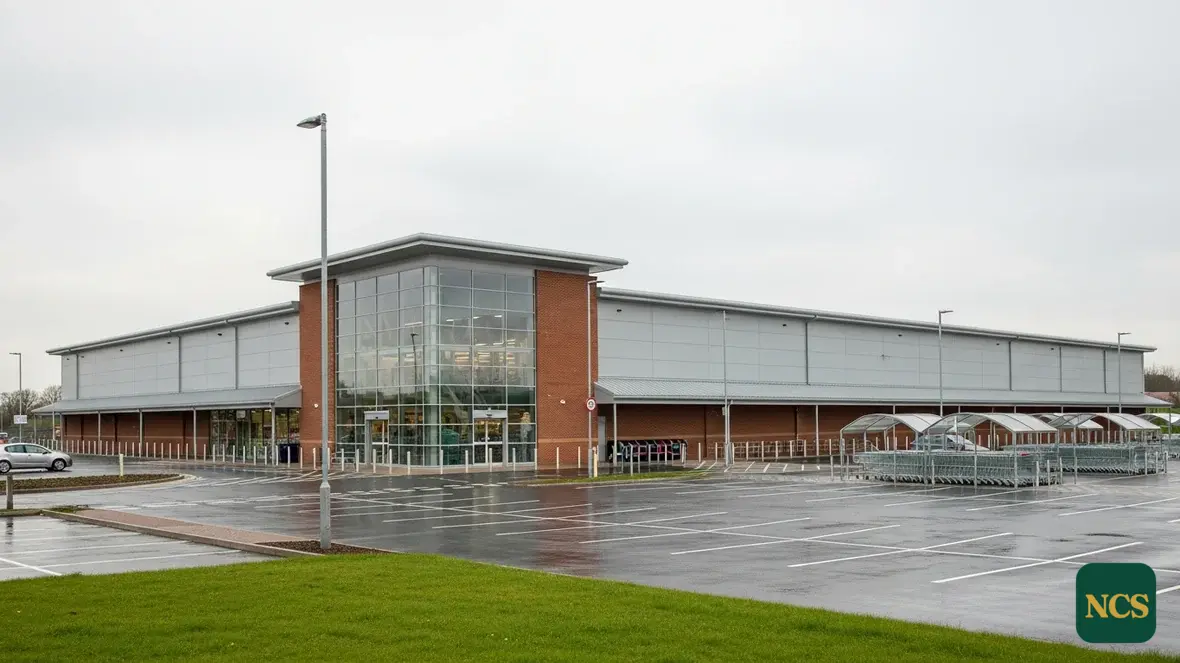
Commercial roof coating in Lincoln
Lincolnshire’s weather arrives with very little in its way. Wind crosses the county’s open landscape and works on roof sheets, laps and fixings year after year, while wide temperature swings open and close every joint on the roof. Commercial roof coating in Lincoln is a way to renew the weatherproof surface of a sound roof without the disruption and cost of stripping it off, and National Coating Specialists begins every job the same way: with a survey, a set of measurements and a written report, before any talk of systems or prices.
The commercial stock we survey in this part of the county
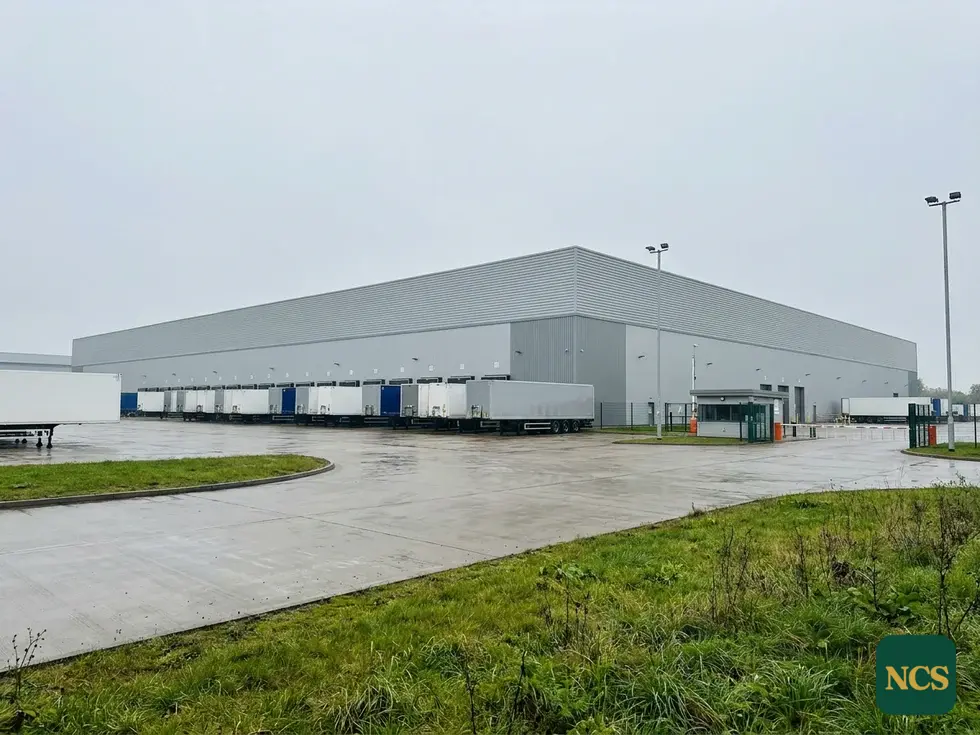
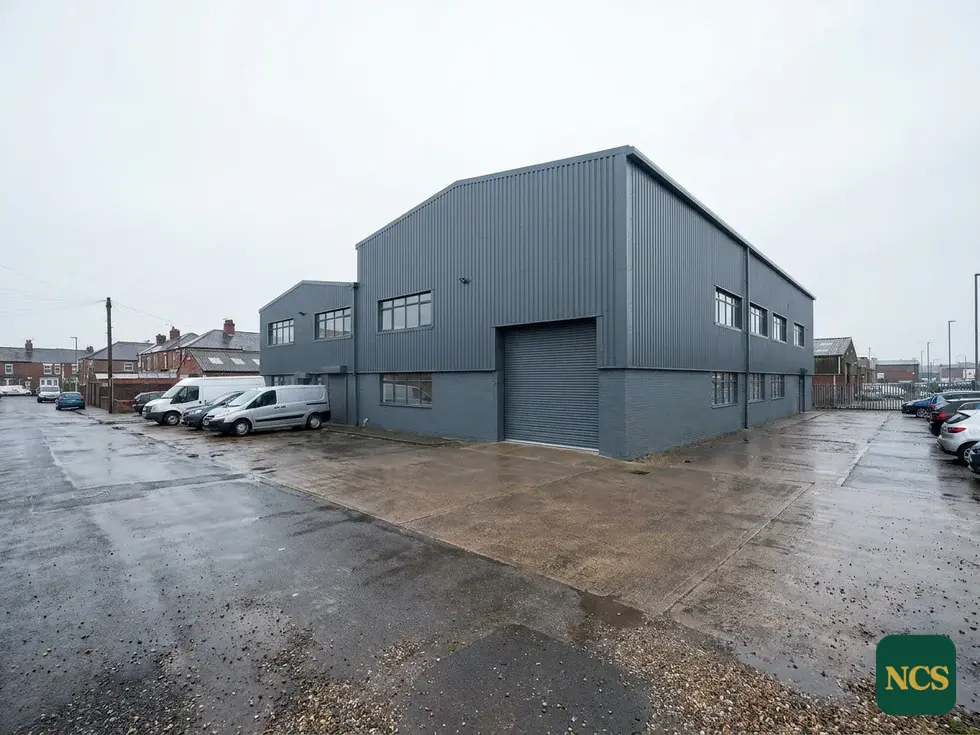
Lincoln’s working buildings reflect the local economy: engineering and manufacturing units, agricultural supply and storage buildings, trading estate sheds, retail warehouses and older brick-built industrial premises. Profiled metal roofing dominates the larger units, with asbestos cement sheeting still common on older sheds and felt or asphalt flat roofs on offices and workshops.
The typical defects follow the materials. Metal roofs show cut edge corrosion and failing lap seals. Asbestos cement grows porous, stained and moss-covered. Flat roofs blister and crack at the details first. Each of these can often be coated. The question of whether yours should be is answered on the roof itself, never over the phone.
If you have been quoted for roof painting in Lincoln, compare the preparation, not just the finish. The treatment of the sheets and fixings decides how long any coat lasts.
Survey, report, then a decision
We inspect the roof physically wherever safe access allows: moisture readings, fixing and lap condition, gutters, rooflights, flashings and penetrations, with photographs taken throughout. Surveys run across Lincolnshire and over the county line where needed, taking in Newark-on-Trent, Gainsborough, Sleaford and Grantham. Where a building is occupied or has awkward access, the visit is planned around how the site actually works, and tenants are disturbed as little as the job allows. The report that follows covers:
- The current condition of the roof, defect by defect, with photographs
- Whether the substrate is suitable for a coating system at all
- The preparation and repair work that must come first
- The system we would specify for that particular substrate
- A plain-spoken alternative if coating is not the answer
Only once you have read that report do we talk about a price, and the price follows the specification rather than the other way round.
The roofs we refuse
If insulation is saturated, decking is failing, sheets are perforated across whole bays, or asbestos cement has become too fragile to prepare safely, a coating would only postpone the truth at your expense. We say no to those roofs and explain why in writing. There are firms who will coat anything that holds still long enough. The results keep loss adjusters busy and give the whole trade a reputation it has to keep living down. We would rather walk away from a job than add to that pile.
Why survey-led is the standard worth demanding
Every part of a coating job that matters is decided before the product arrives: the assessment of the substrate, the honesty of the recommendation, the thoroughness of the preparation. A survey-led contractor commits to doing those parts in the open, with findings you can read, keep and challenge. The survey is also the cheapest stage of the entire process, which makes skipping it a strange economy for anyone to suggest.
For the owners of hard-working buildings in an exposed county like this one, that is the difference between maintenance you can rely on and an expensive coat of paint with a sales story attached. If your Lincoln building is showing its age from the ground, the roof has usually been saying it for longer. A survey will tell you exactly what it has been trying to say.