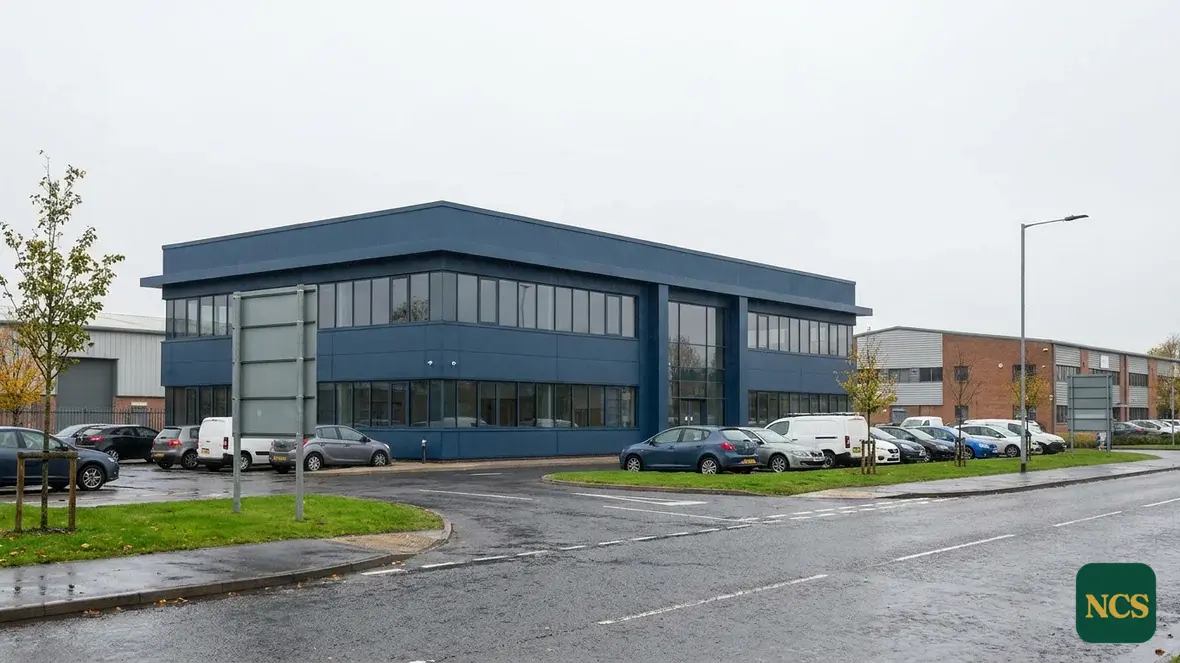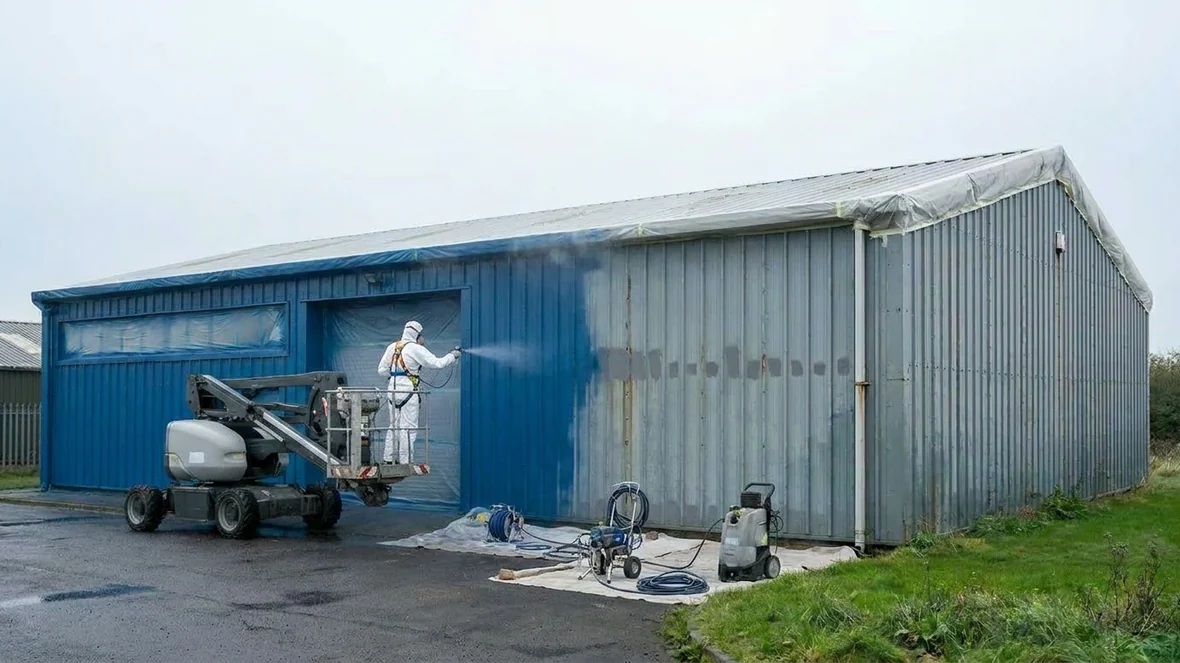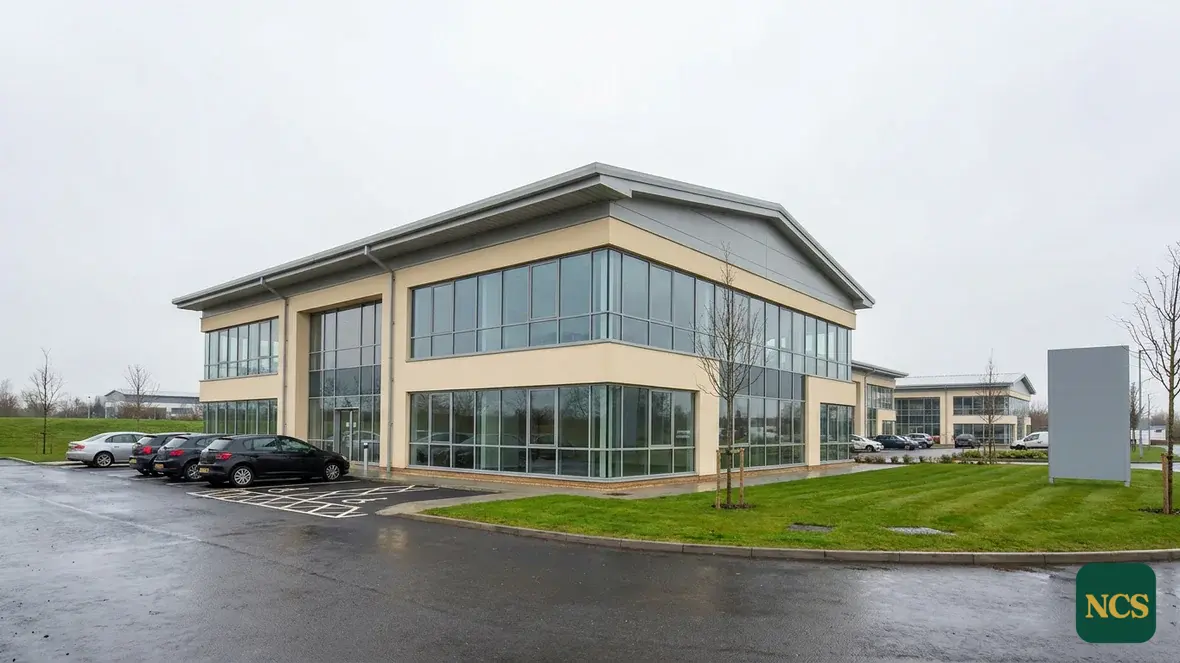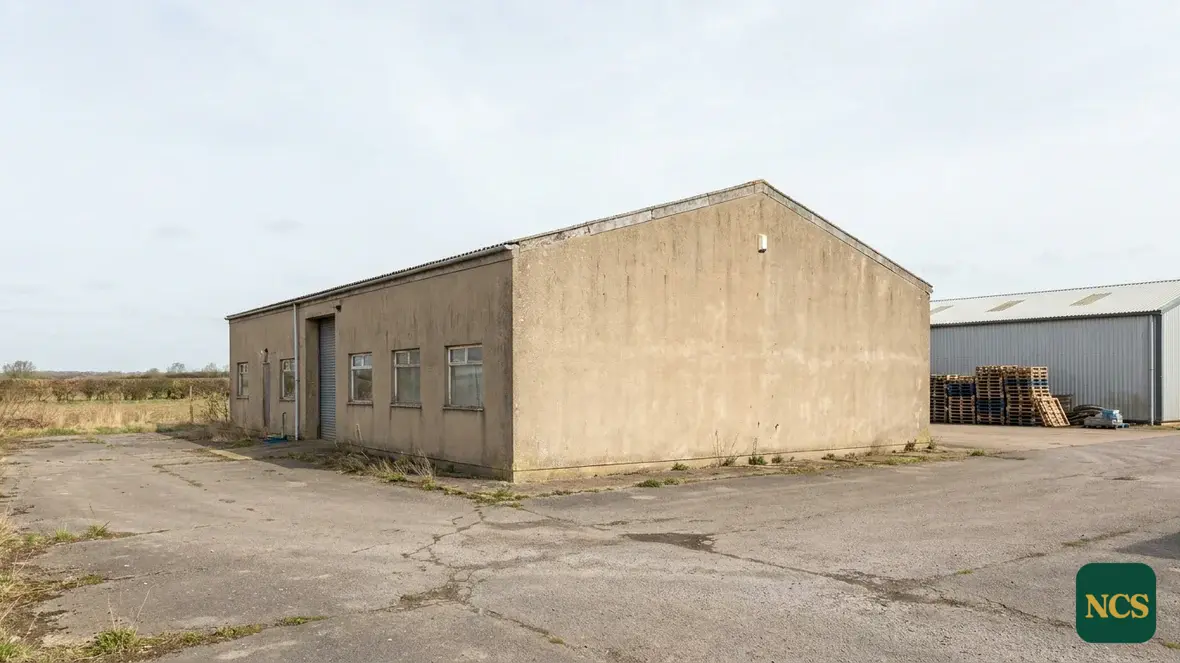
Commercial wall coating in Lincoln
Does your building actually need a coating, or just another repaint? That’s the first question worth asking, and the answer depends entirely on the wall. Commercial wall coating in Lincoln makes sense where masonry has become porous, where render is crazed and patched, or where repeated repaints are failing faster each cycle. In those cases, a specified coating system protects the substrate and resets the appearance in one programme. Where the wall has a different problem, like damp from a defective gutter, render that has lost its bond, or masonry that simply wants repointing, a coating is the wrong spend. The only reliable way to tell the difference is to inspect the building before pricing it, which is precisely how we work.
A good share of our Lincoln enquiries start with a search for commercial painters, and for exterior work that is what we are, with the wall repaired and primed before any finish goes on.
Lincolnshire stock, from stone to render
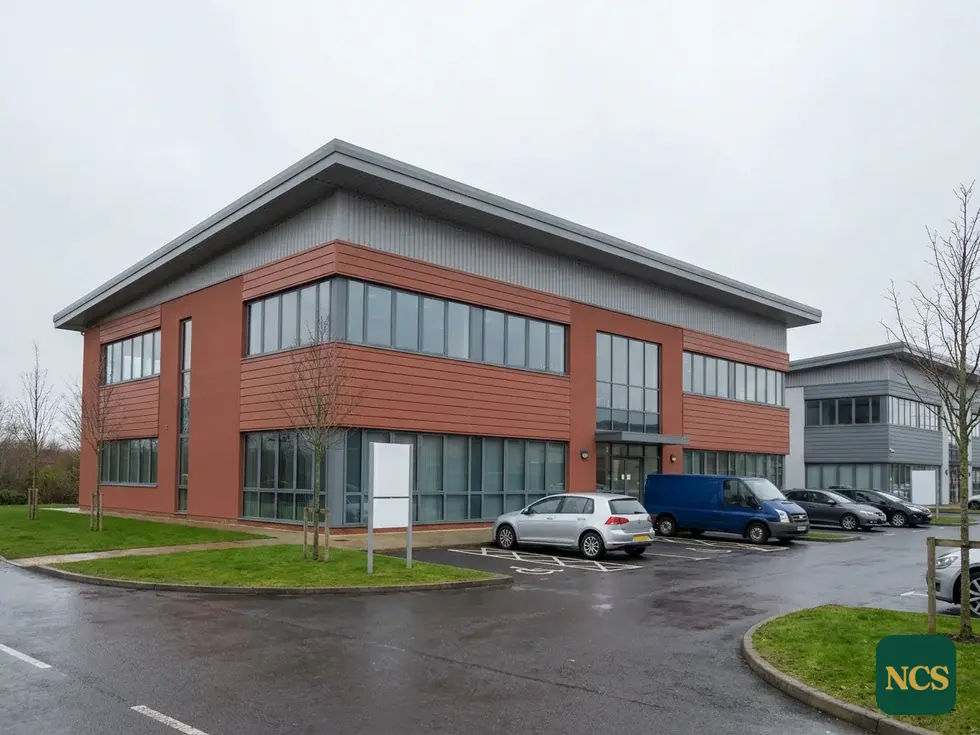
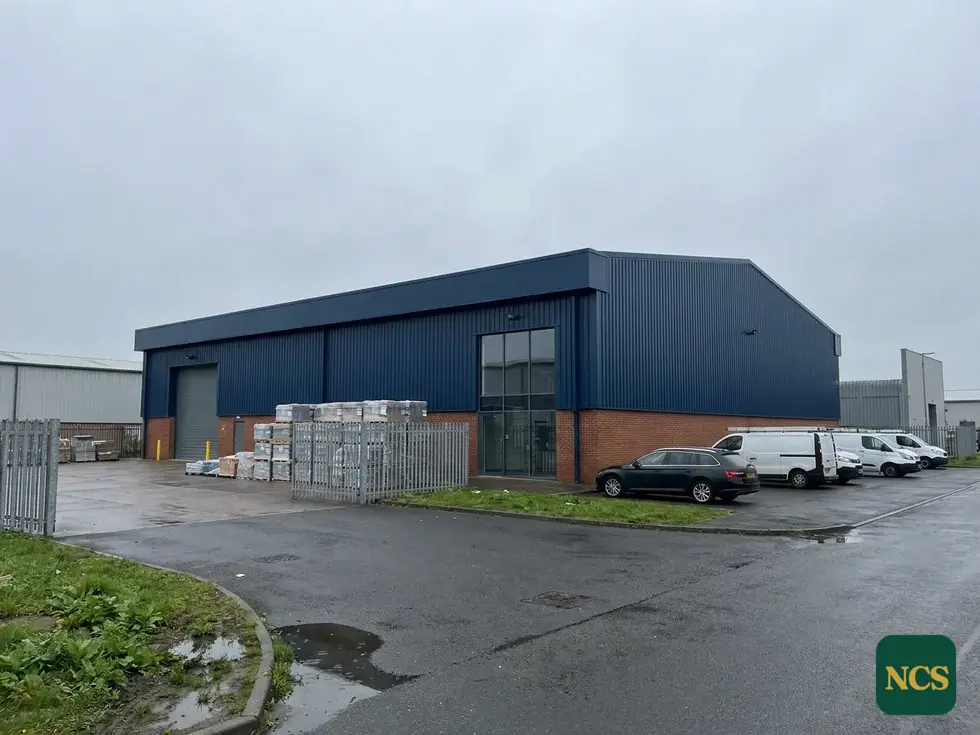
Lincoln’s commercial buildings range more widely than most cities of its size. The historic core carries limestone and older brick frontages, often within conservation constraints, while the trading streets below mix Victorian brick parades with post-war infill. Around the edges sit industrial estates and business parks in painted brick, blockwork and modern render, and the same spread repeats through the market towns across Lincolnshire. Stone, soft brick, hard brick, sand and cement render and thin-coat systems all weather differently and all want different preparation. Treating them as one surface with one product is how coatings get a bad name. Treating each as its own case is simply doing the job properly.
The survey that decides the specification
Our process starts with a surveyor at the building, walking every elevation that is in scope. They establish the substrate and the history of previous coatings, take moisture readings, record the repairs that must precede any finish, and note access and trading constraints. The written specification that follows names the preparation, the repair schedule and the coating system, with the price built on top of that document. Distance does not change the method. Premises in Newark-on-Trent, Gainsborough, Sleaford and Grantham are surveyed and specified exactly as a frontage in the centre of Lincoln would be.
Straight answers, including when the answer is no
Part of working survey-led is reporting what the wall needs rather than what is easiest to sell. There are recurring cases where we advise against coating, or against coating yet:
- Masonry kept wet by failed rainwater goods, parapets or ground levels, which needs repair and drying time first
- Historic stone or solid-wall brick that should breathe, where repointing serves the building better than a film
- Render that sounds hollow over large areas and needs removal rather than overcoating
- Active structural cracking that calls for investigation before any decoration
- Listed buildings and conservation frontages where consent has to be settled before specification
When the survey turns up any of these, you get that finding in writing along with the route we would take instead. It is also, in the end, the strongest argument for choosing a survey-led contractor: the recommendation is anchored to evidence from your own building, the repairs are itemised before work begins, and the system on the wall has a documented reason for being there. A quote produced without that inspection is a guess with a number attached, and on commercial buildings guesses are expensive. Start with the survey, read the findings, and then decide. That order protects your budget whichever way the decision goes.