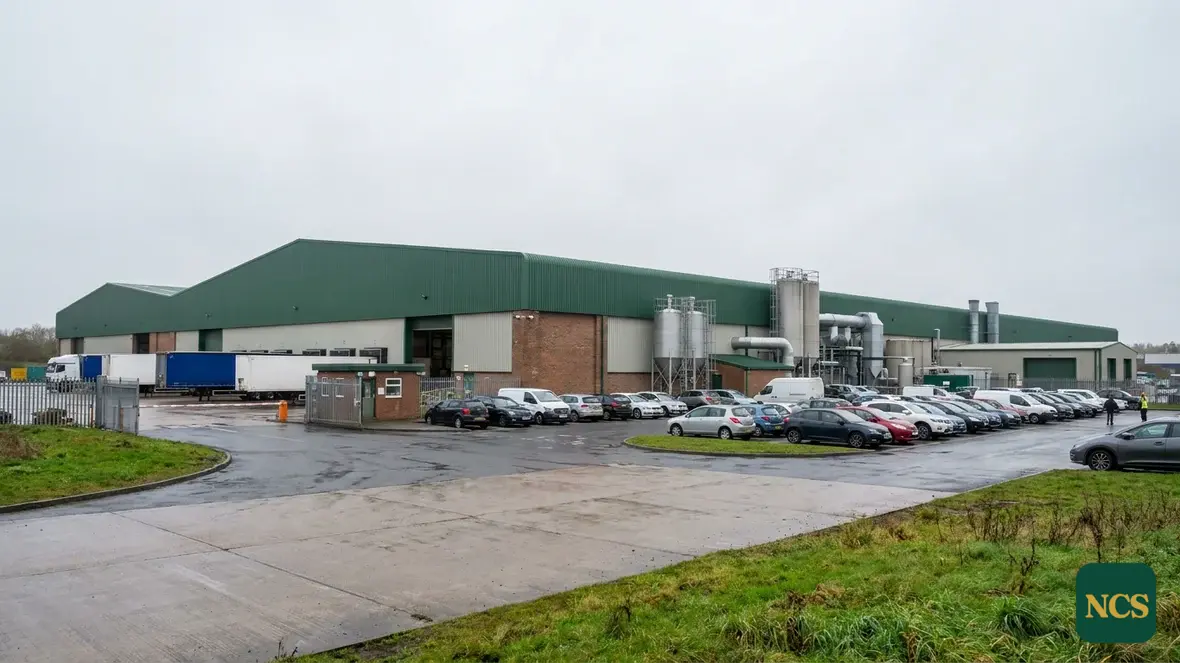
Industrial roof coatings for Bradford’s working buildings
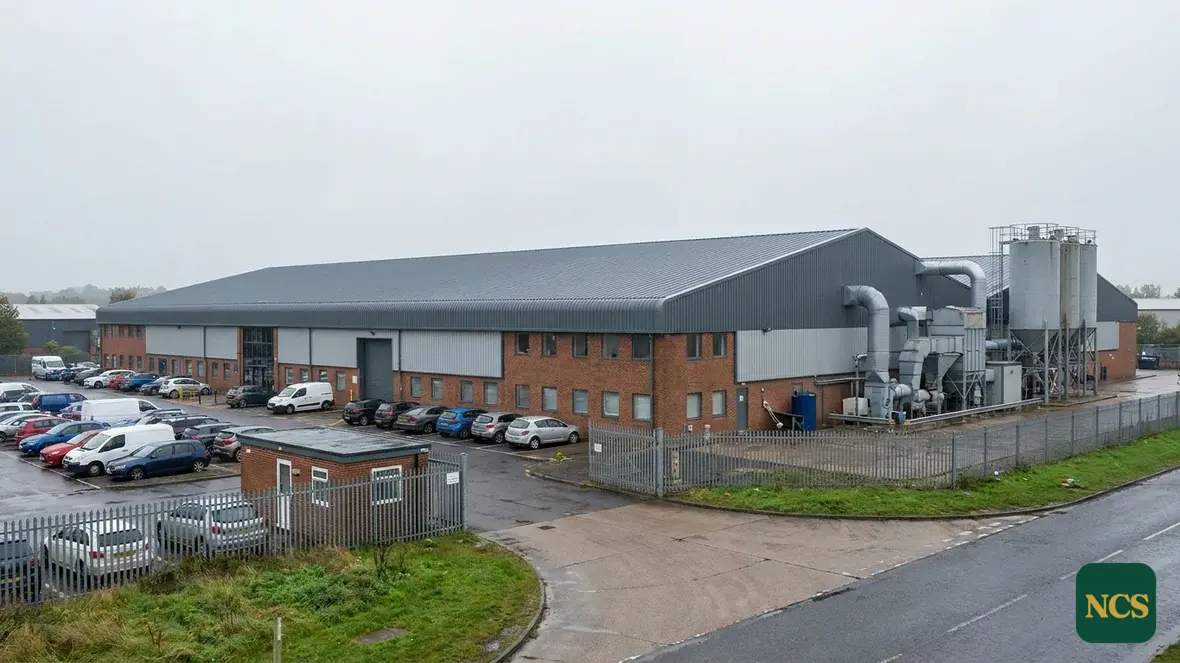
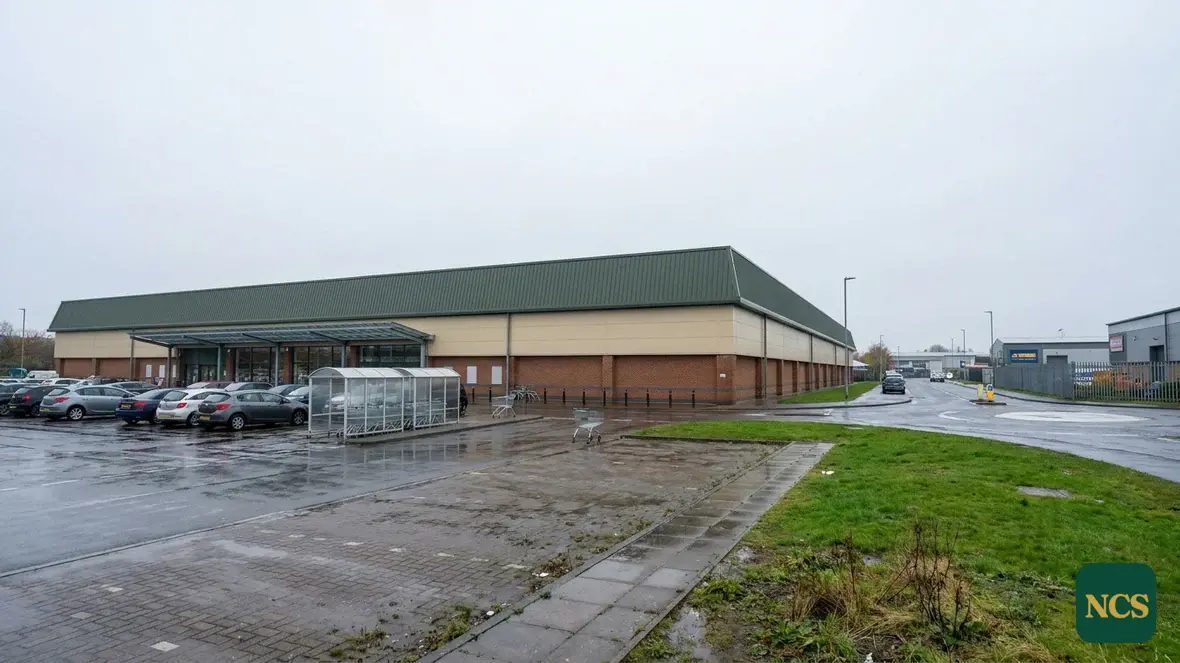
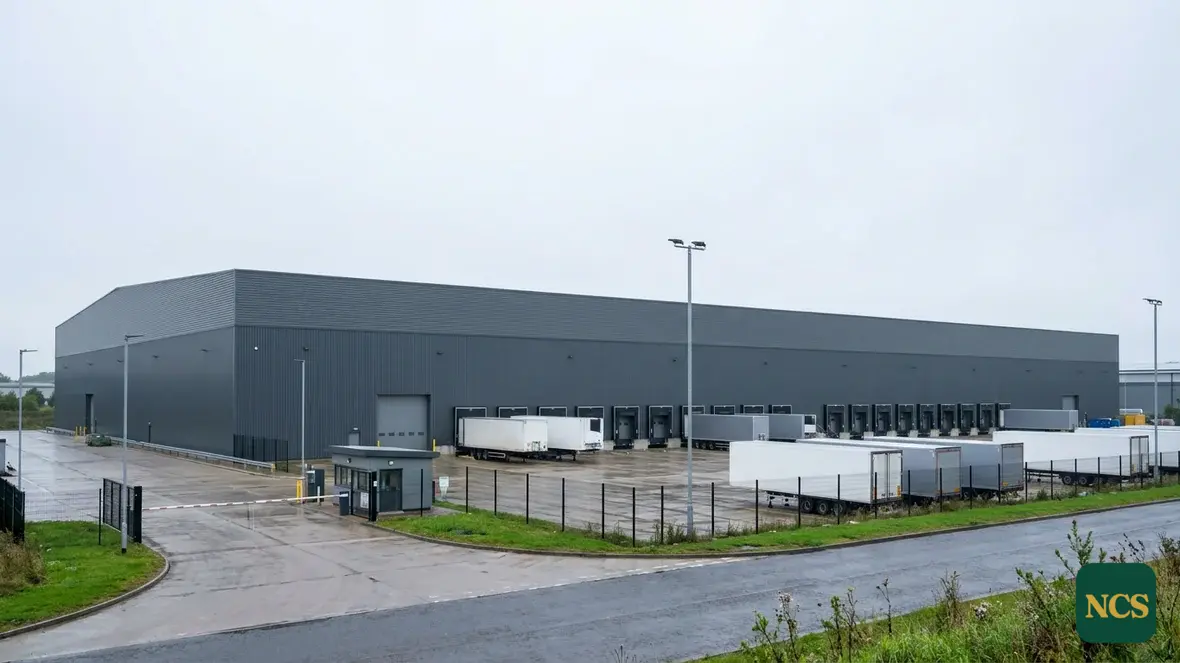
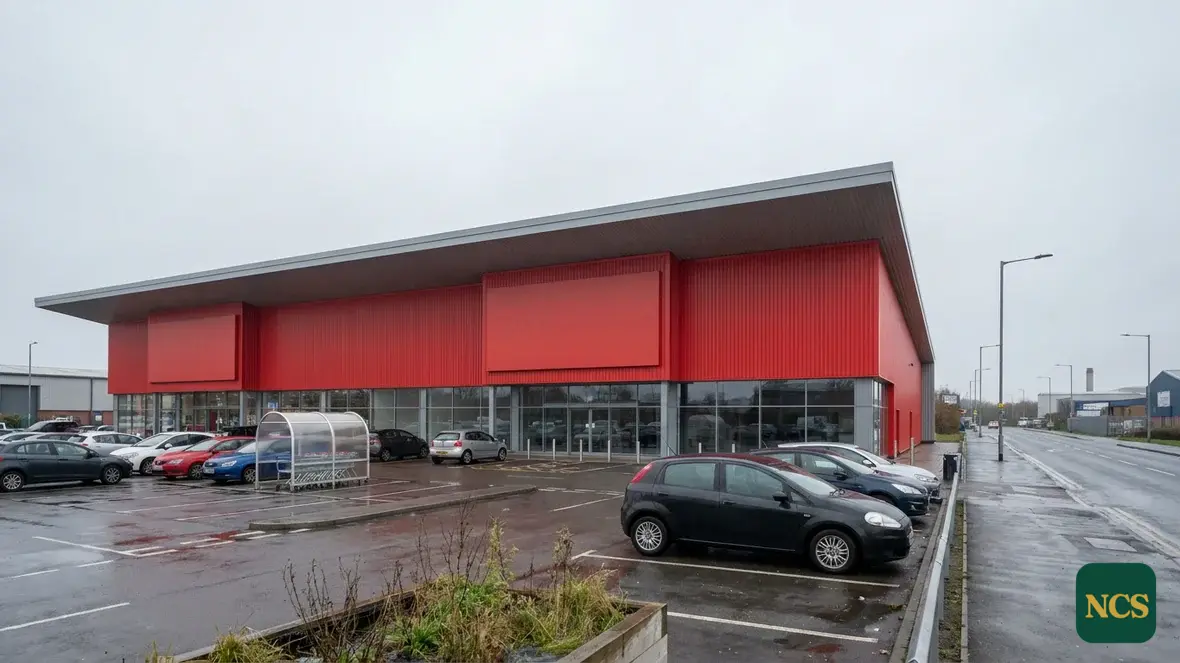
Bradford’s industrial story runs from stone-built mills to modern distribution sheds on the motorway corridors, and the roofs above that stock vary just as widely. The buildings we are asked about most are the steel-framed units of the last forty years: factories, warehouses and trading-estate stock with large profiled metal roofs that have quietly aged while the business underneath got on with work. Mill conversions aside, it is these big single-storey roofs that swallow maintenance budgets when they fail, usually after years of looking just about acceptable from the car park. For the facilities and estates teams responsible for them, the question is rarely whether the roof needs attention. It is whether attention means a coating system or a full replacement, and the honest answer depends entirely on condition.
Why the survey comes before the quotation
We do not price a roof from the ground or from satellite photos. A proper inspection establishes what the sheets, laps, fixings, gutters and rooflights are actually doing, and whether any existing finish still has enough adhesion to build on. Pennine weather is not kind to coated steel: persistent rain, freeze-thaw cycles and wind-driven moisture find every weakness on an ageing roof, and defects that look minor from a drone photo often turn out to be the visible end of something larger.
The survey separates roofs that need cleaning, edge treatment and a coating system from roofs that need sheet repairs first, and identifies the small number that are past saving altogether. Either way, the report is written for a facilities audience: findings, photographs, options and a clear recommendation.
Cut-edge corrosion and the other usual suspects
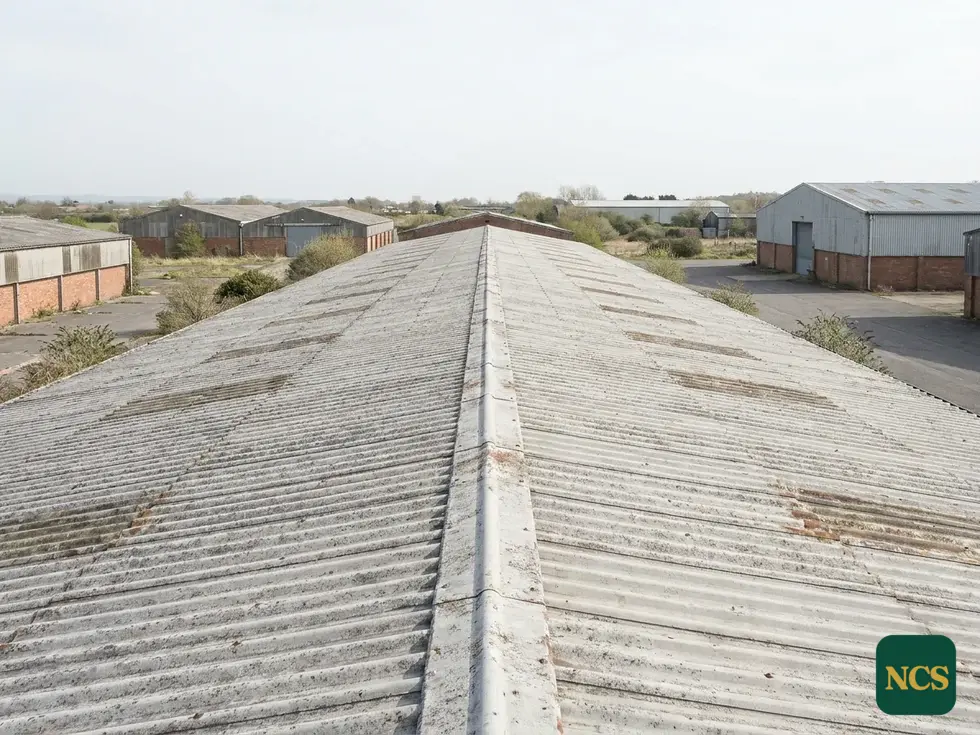
The exposed edges of profiled sheets, at laps, eaves and gutter lines, are where corrosion starts. The protective layers stop at the cut, bare steel takes the weather, and rust creeps back beneath the finish until it lifts. On many Bradford units we also find factory topcoats peeling in strips, rooflights gone brittle and yellow, corroding fasteners, and gutters that have been quietly rusting for a decade. None of this is unusual, and all of it is treatable when caught in time. The economics are blunt: edge preparation and a coating system now costs a fraction of the re-sheeting work the same roof will need after another five winters of neglect.
The case for coating, in facilities terms
Replacement strips the building open, which can mean decanting stock, pausing production or difficult conversations with tenants about weeks of disruption. Coating works happen from roof level on an occupied building: deliveries continue, shifts continue, and on multi-let estates the programme can be phased so each occupier is affected as little as possible. Rooflights can be replaced and gutters repaired within the same programme, so the whole roof reaches the same standard in one visit rather than three. A coating system also shifts roof expenditure from a capital emergency to planned maintenance, which is usually an easier conversation with whoever signs off the budget.
And the cases where we will say no
A coating cannot rescue every roof, and we will not pretend otherwise. Where perforation is widespread, where corrosion has come through from the underside, where saturated insulation sits inside a built-up roof, or where the deck and fixings are structurally tired, coating over the top would simply bury the problem under a fresh colour. Our survey reports say so when that is what we find, and the recommendation will be repair or replacement instead, with reasons you can take to a board or a landlord. We are based in the South-East and work survey-first across England, and that honesty applies to every roof we look at, in Bradford or anywhere else.