Salt air and big roofs: the Southampton problem
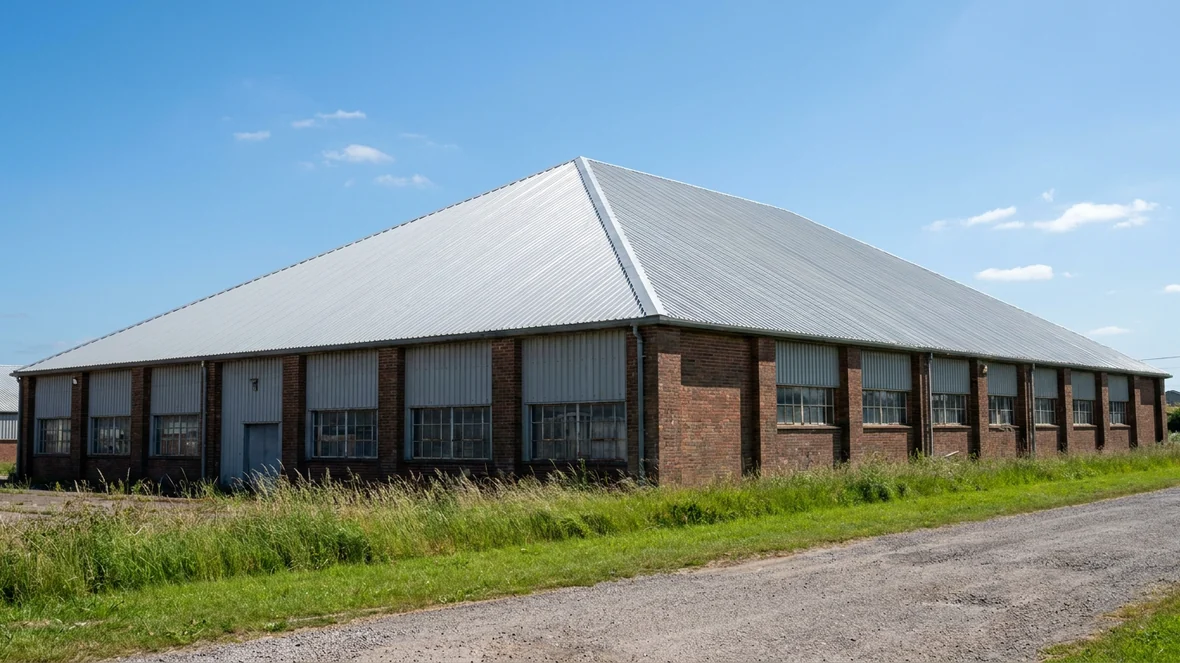
Industrial roofs around Southampton work in one of the tougher environments in southern England. Salt-laden air off the water accelerates corrosion on profiled metal, and the city’s stock of dockside warehousing, freight and distribution sheds along the M27 corridor and trading-estate units across the wider area carries plenty of roof acreage that has been exposed to it for decades. On steel roofs the attack concentrates where protection is weakest: the cut edges of the sheets, the fixings and any scratch or scuff in the factory finish. A roof that would still look respectable inland can be visibly rusting at the laps here years earlier. Industrial roof coatings are one of the few cost-sensible responses, provided the roof is still in a fit state to take one.
The building stock we are usually asked about
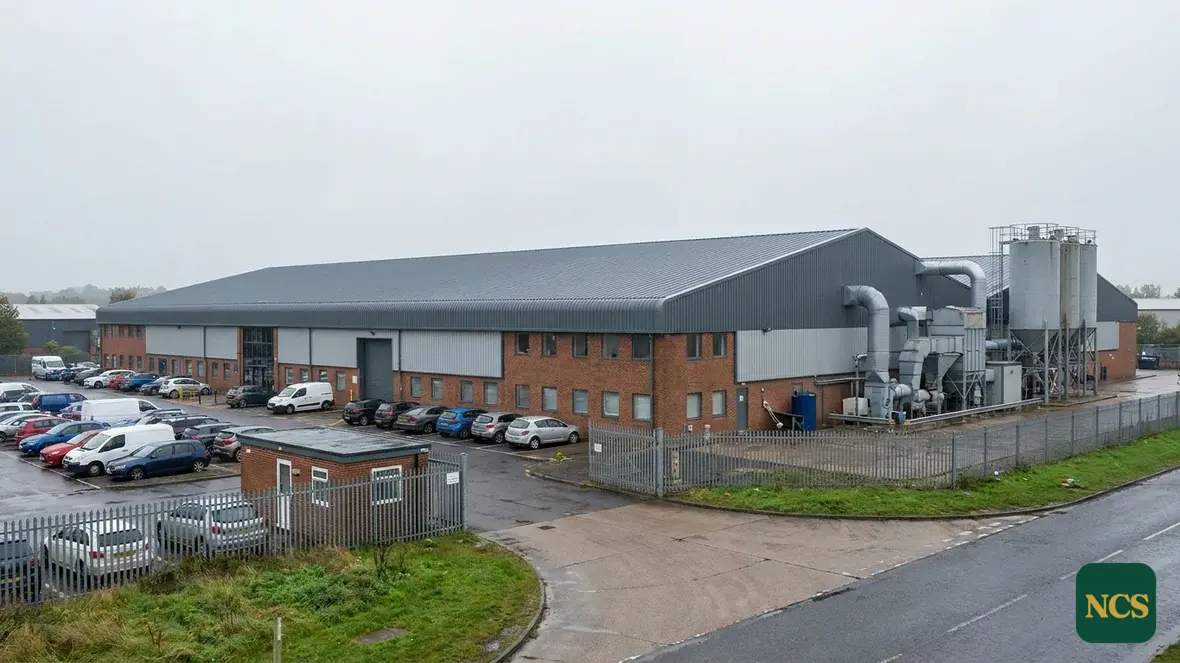
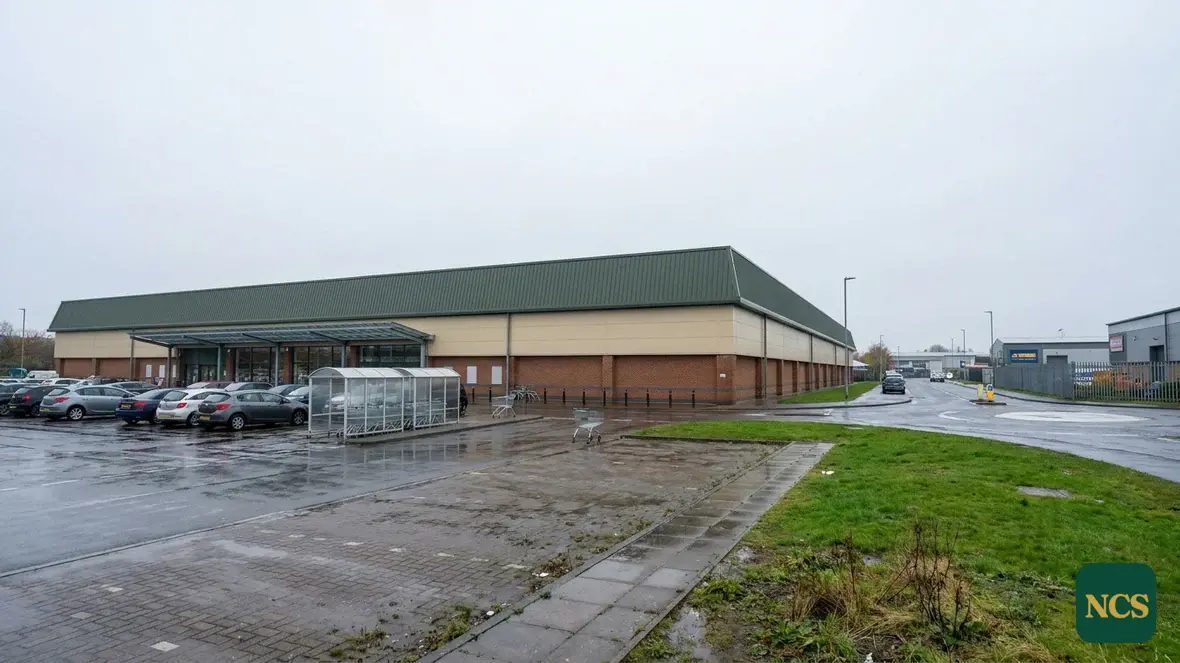
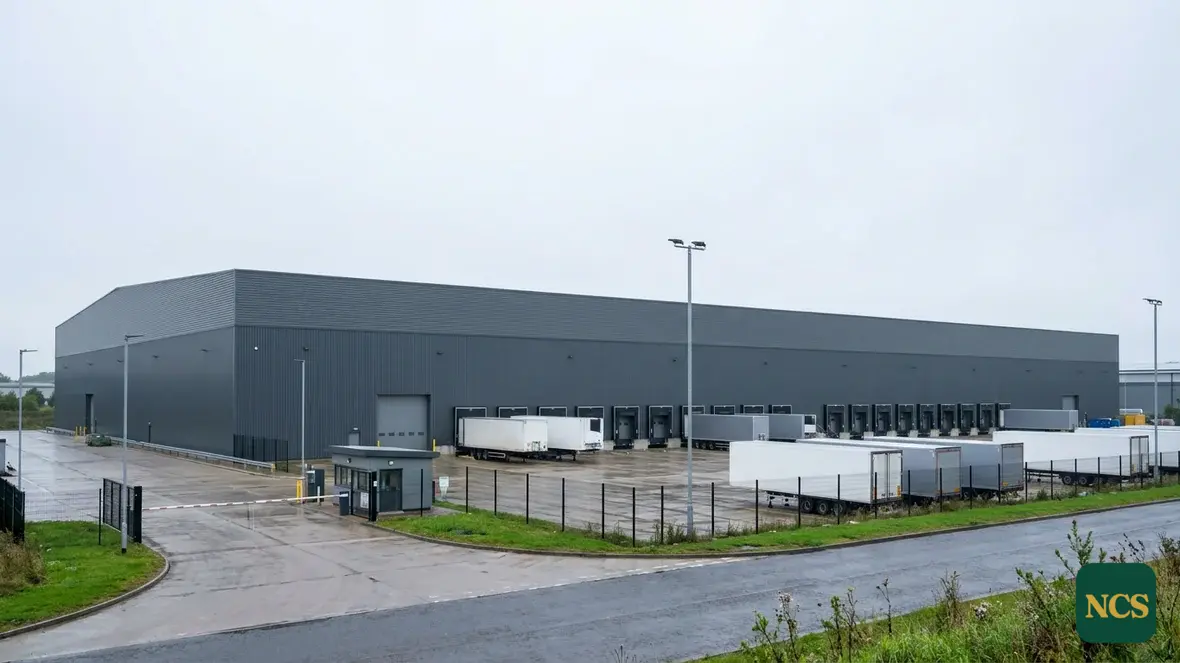
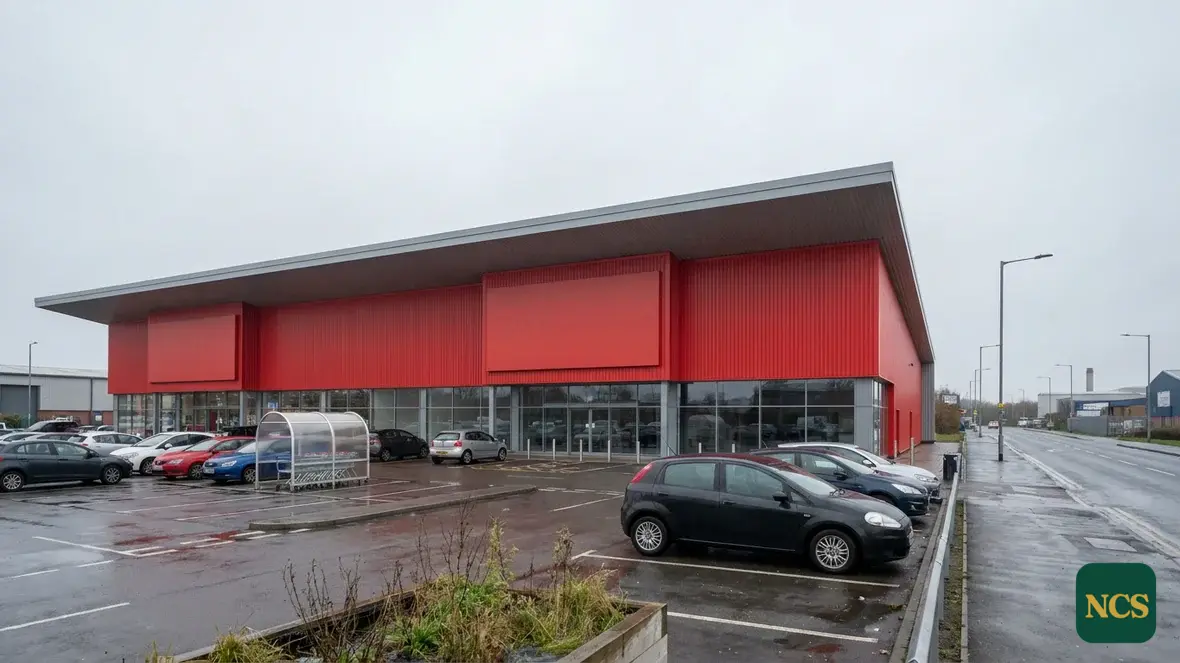
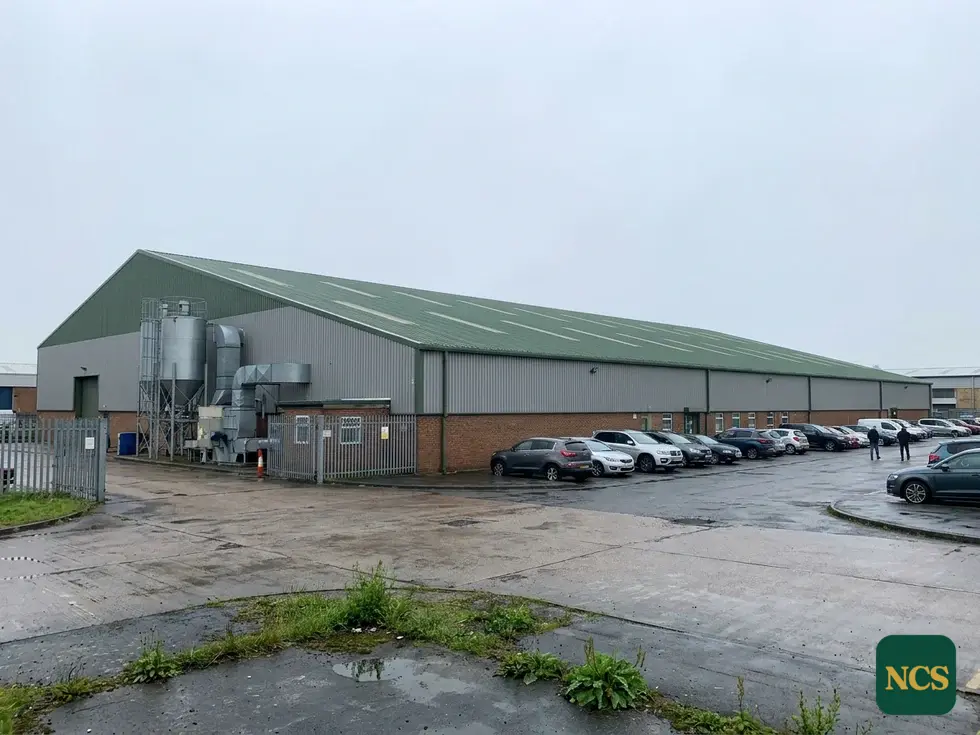
The typical enquiry from a Southampton facilities or estates team concerns a profiled steel or built-up metal roof of twenty to forty years old over a warehouse, factory or multi-let industrial unit. The operation underneath cannot stop, the leaks are getting harder to chase with patch repairs, and full replacement has been priced and parked. Coating sits in the gap: the roof is cleaned and prepared, corrosion is treated, cut edges and laps are sealed, and a new weatherproof layer goes over the whole surface. For coastal buildings the corrosion treatment stage matters more than anywhere else, and skimping on preparation is how coating jobs fail.
What our survey establishes first
Before we recommend anything we survey the roof and report on what is actually there:
- How far cut-edge corrosion has progressed, and whether any sheets are perforated
- The condition of fixings, washers and lap sealant
- Rooflights, flashings and penetrations that need replacing or detailing
- Gutter condition, since coastal grime and blockages drive many of the leaks blamed on roofs
- Whether moisture has reached the insulation on composite systems
The outcome is a written recommendation: coat, repair then coat, or do not coat. We would rather lose a job at the survey stage than coat a roof that cannot hold it.
Coating without stopping the operation
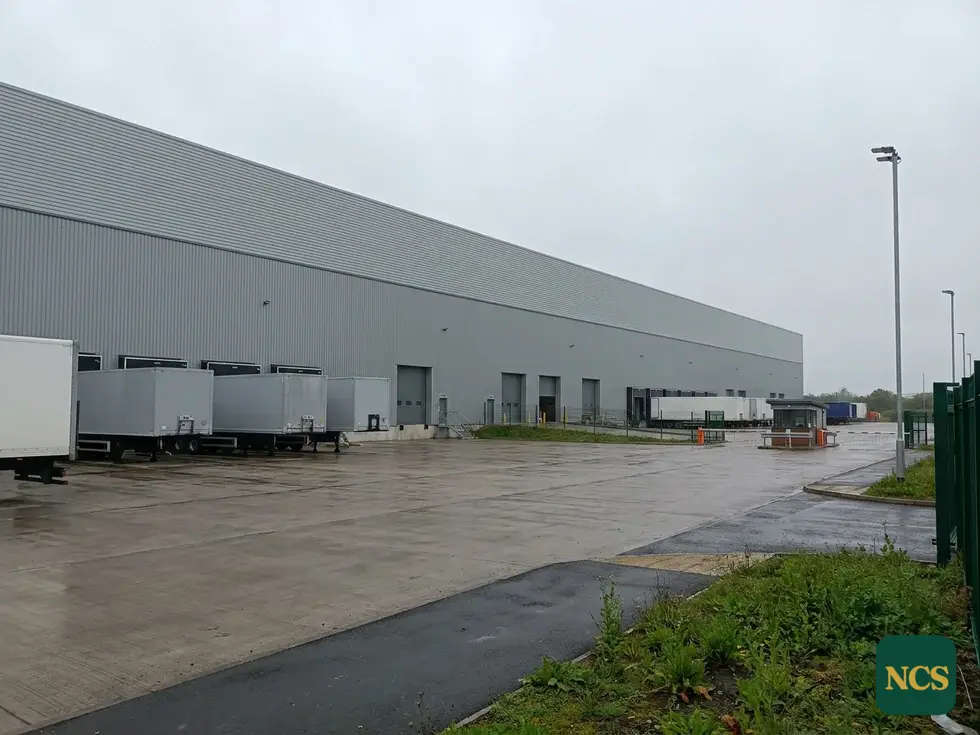
Ports, freight yards and distribution sheds run to schedules that do not bend for contractors. Coating work is carried out from outside the building, with no strip-off phase, so the operation below continues throughout and the building is never opened up to the weather. We sequence large roofs in sections, agree vehicle movements and access with your site team, and keep noisy preparation work to agreed windows. For estates teams the practical difference from re-sheeting is stark: no decant, no closures, no period of exposure if the forecast turns.
When replacement beats a coating
Coastal exposure means more Southampton roofs fall on the wrong side of the line than estates teams hope. Where corrosion has gone through the sheet in numbers, where edge rust has travelled well back from the laps, or where a composite roof is holding water in its core, a coating would be money spent on postponing the inevitable by very little. In those cases we recommend sheet replacement, overcladding or a full re-roof instead, and our report says so plainly. The honest version of this service is simple: a coating is excellent value on the right roof and poor value on the wrong one, and the survey is how you find out which you own.