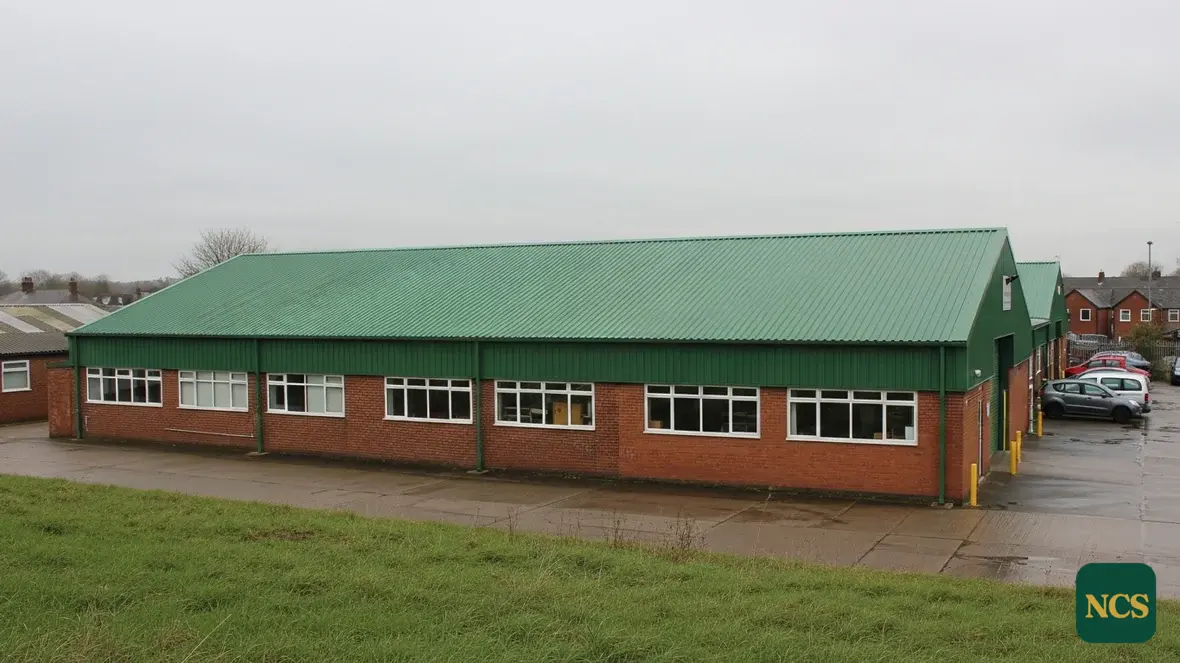
Southampton’s industrial areas, especially around the docks and the older trading estates, still have plenty of buildings with corrugated asbestos cement roofs. It was the default choice for warehouses, workshops and commercial units well into the 1980s. If you’re responsible for one, you’ll know it needs attention. The real question is whether you tear the roof off or seal it in place. For sheets that are still solid, encapsulation usually makes more sense. Less money, less disruption.
Removal or encapsulation: the decision you actually face
Stripping an asbestos cement roof means a licensed contractor, skips full of hazardous waste, the building shut down for a while, and a whole new roof to pay for. Encapsulation means we keep the roof you’ve got, seal it up, and you can keep trading. The reason you even have that choice is down to the law.
Regulation 4 of the Control of Asbestos Regulations 2012 says if you control a non-domestic building, you have a duty to manage any asbestos. You have to find it, check its condition, record it, and manage the risk. Ripping it out is one way to do that. Keeping sound material sealed up and safe is another. For a weathered but intact roof, it’s usually the cheaper and far less disruptive option.
Encapsulation around Southampton is survey-led work: cleaning that does not disturb the surface, primers and paint systems made for asbestos cement, and a topcoat that seals it.
How the coating system works
Asbestos cement becomes a risk when the surface erodes and fibres get released. Encapsulation locks that surface down. We clean the roof using controlled wet methods, never dry abrasion. We fix any damaged flashings and fixings, sort out minor defects, and then seal the whole surface with a flexible coating designed for asbestos cement. The finished roof is watertight, the fibres stay locked in, and your building doesn’t have to close while we do it.

What makes a Southampton roof a candidate
Being so close to the coast, with all that salt in the air, roofs in Southampton can weather quicker than inland. That’s why we always check the condition properly, not just assume. We survey every roof before we quote. We’re looking for:
- General surface weathering, not big cracks or holes.
- A cement matrix that’s still firm, not soft or flaking apart.
- Fixings, sheet laps and flashings that are sound, or that we can repair.
- Rooflights and gutters that we can bring back into good working order.
- A supporting structure that’s still safe and sound.
When encapsulation is the wrong answer
Sometimes the right advice isn’t what anyone wants to hear. A coating moves with the sheet underneath it. If that sheet is already falling apart, no coating will save it. Spending money on encapsulation just delays the inevitable bill for replacement. If our survey finds brittle or delaminating sheets, leaks that keep coming back, or a roof frame that can’t handle the load anymore, we’ll recommend removal and replacement. We’ll put that in writing. We also draw a hard line on material type: high-risk asbestos products like insulation board or sprayed coatings are not for encapsulation. They usually need an HSE-licensed removal contractor. Encapsulation is only for sound asbestos cement.
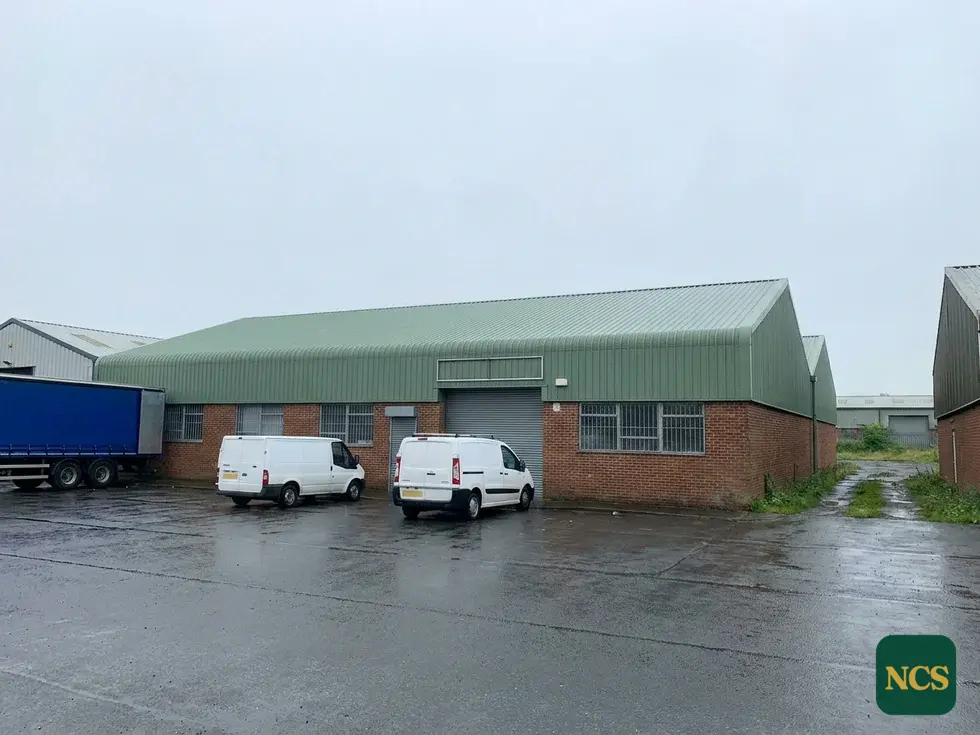
A survey-led answer for Southampton building owners
Before we talk money, we properly inspect the roof: the sheet condition, fixings, rooflights, gutters, any signs of leaks inside, and the state of the structure holding it all up. You’ll get our findings in writing and a straight recommendation, whether that’s encapsulation, a repair first, or removal by the right contractor. It’s important to remember that sealing the roof doesn’t end your duty to manage. The asbestos stays on your register, and you should still get it re-inspected periodically. What you change is its condition: from a slowly failing roof to a sealed, maintained one that you’re properly in control of.
We carry out asbestos roof encapsulation work in and around Southampton. For the full survey-led service and how we assess each building, see our Asbestos Roof Encapsulation service, or request a free site survey.
Recently — July 2026
Through the drier summer months we can programme preparation, coating and curing with far less chance of a weather delay holding the job up.
If a coating is not the right call for your building, we will tell you that after the survey rather than sell you a job that fails.