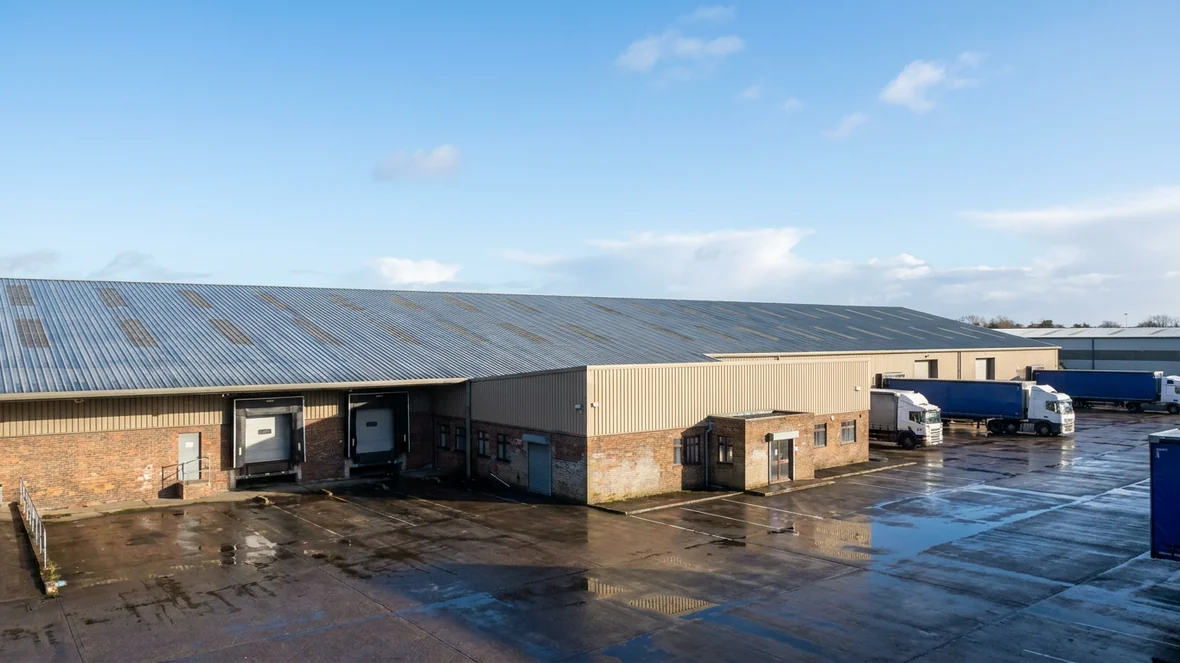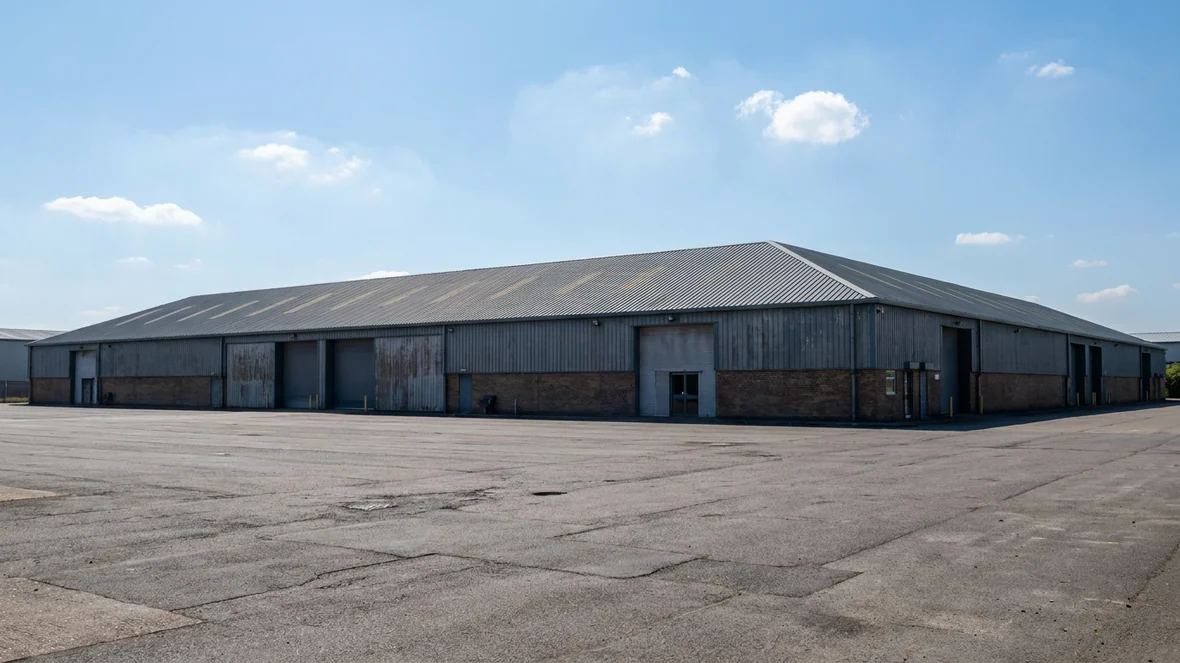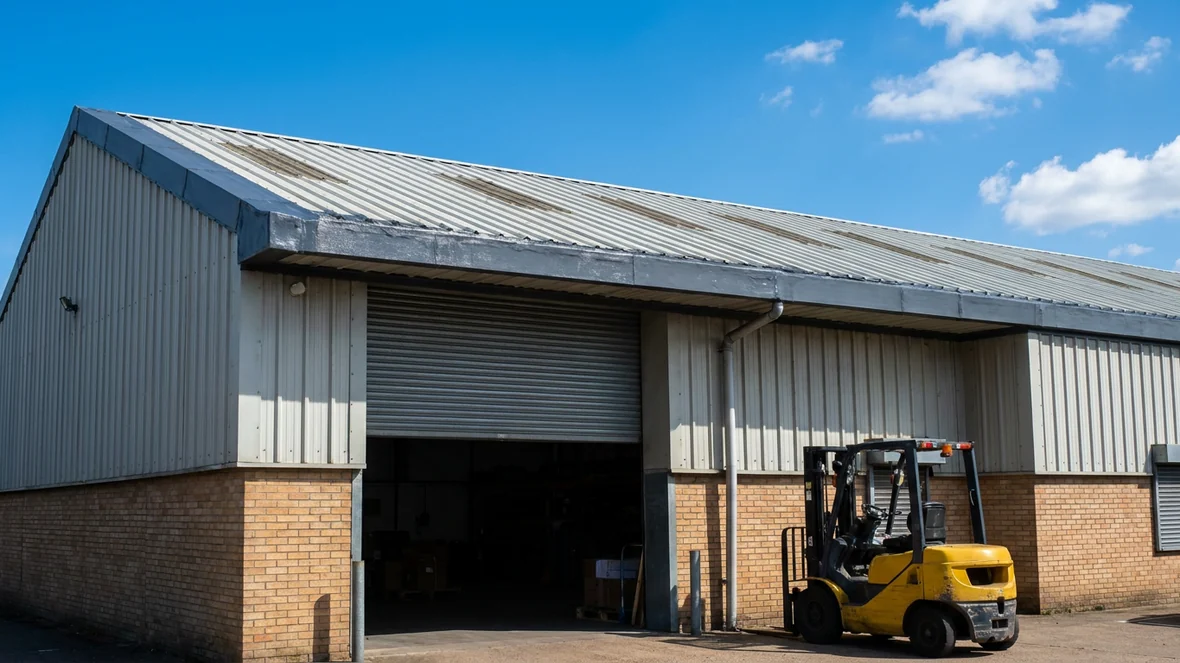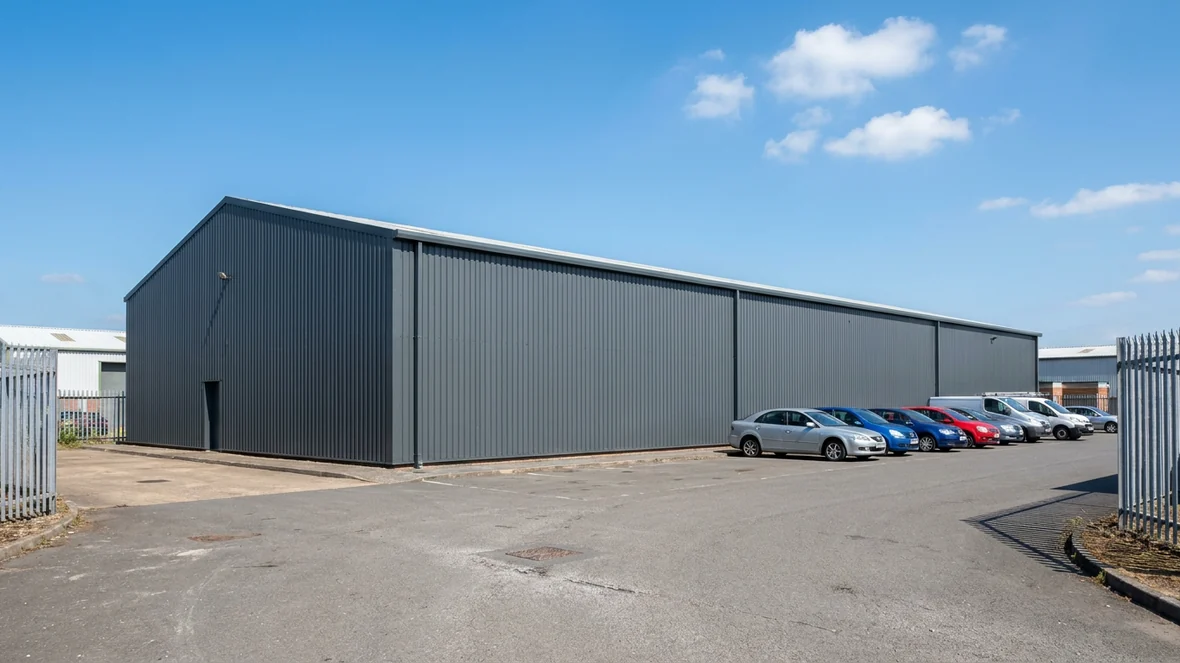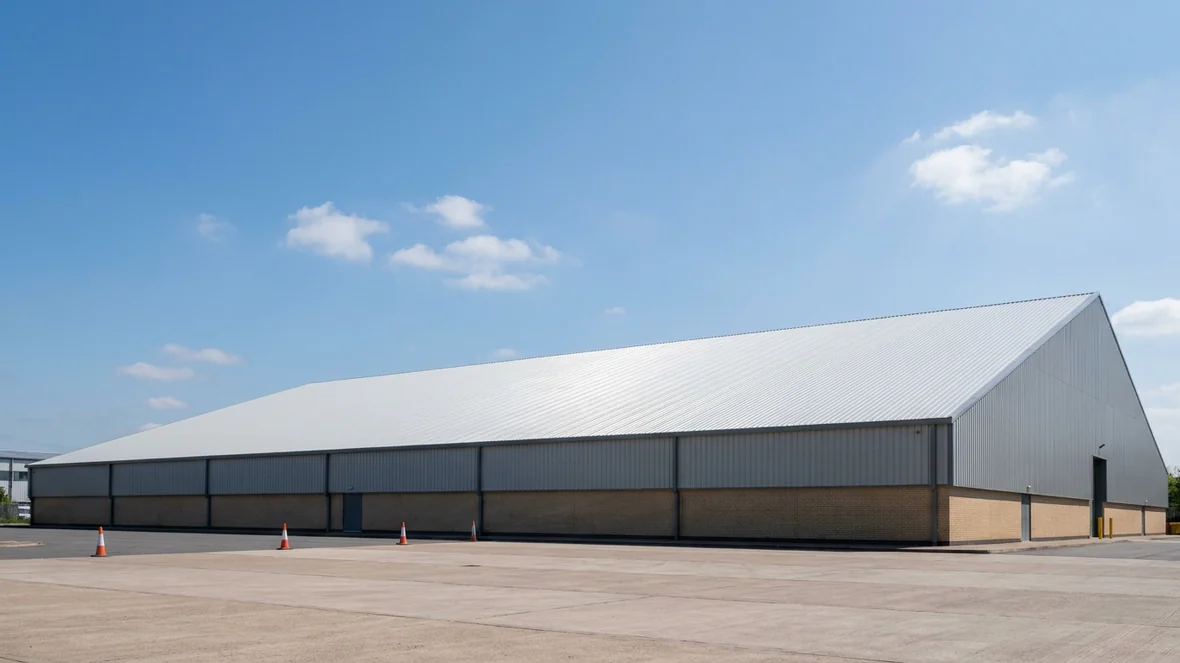










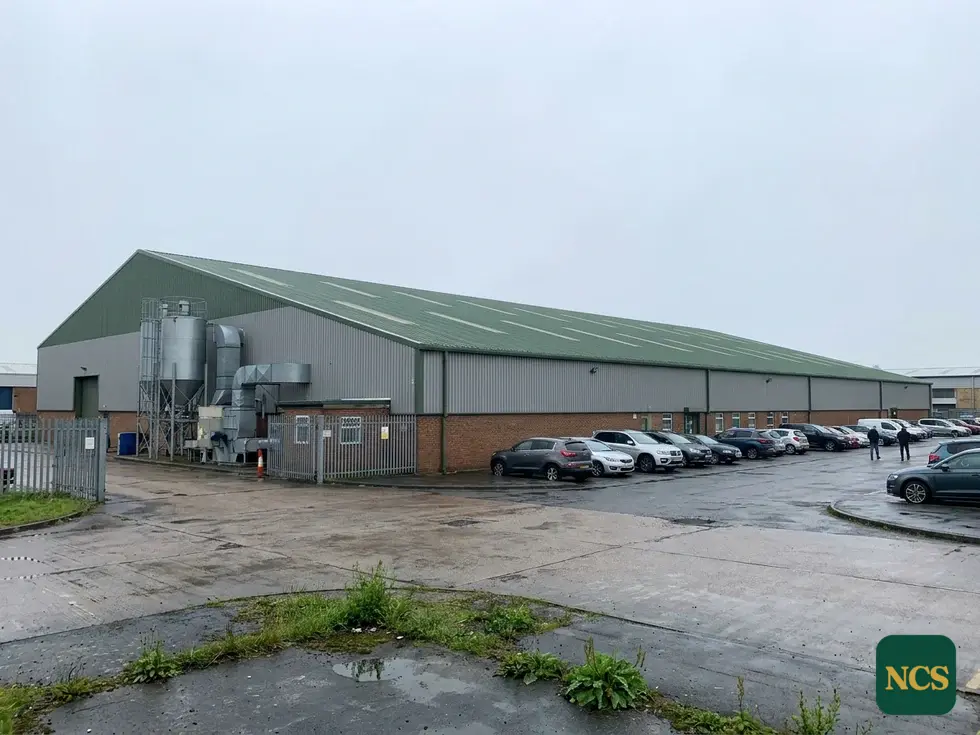
The industrial stock around Southend-on-Sea is mostly mid-sized: trading-estate units, workshops, storage and light manufacturing strung along the A127 corridor towards London, with a scattering of larger sheds. Much of it is profiled metal, much of it is decades old, and all of it lives with estuary air that pushes corrosion along faster than the same roof would suffer inland. For the people managing these buildings the choice on an ageing roof is rarely dramatic. It is a steady drift from occasional patching towards a decision: coat the roof while it can still be saved, or accept that replacement is coming.
Estuary weather and what it does to profiled metal
Salt in the air attacks bare steel wherever the factory finish is broken, and on profiled sheets that means the cut edges first. Corrosion starts at laps, eaves and ridges, where the sheet was cut and the protective layer stops, then works back beneath the finish. Add wind-driven rain off the estuary keeping joints wet for longer, and the surface life of a metal roof here is meaningfully shorter than the brochure suggested when it was built. The structural steel usually has plenty of life left. It is the surface that gives up early, and the surface is what a coating renews.
Common faults on Southend industrial roofs
Most surveys on roofs of this age and location turn up the same shortlist:
- Cut-edge corrosion at lap joints, eaves and ridge lines
- Rusting fixings and perished washers letting water track in
- Brittle, discoloured rooflights past their safe working life
- Failed lap sealant opening capillary paths between sheets
- Blocked or back-falling gutters causing leaks blamed on the roof itself
Every one of these has to be put right before a coating is applied. Preparation and repair are most of the job; the coating is the final layer, not a shortcut over faults.
A survey-led approach, not a one-size quote
We price from inspection, not from a postcode and a roof area. The survey records sheet condition, corrosion spread, fixings, rooflights, gutters and any signs of moisture in the build-up, with photographs throughout. The report then gives a straight recommendation. Sometimes that is a full coating system. Sometimes it is targeted repairs and gutter work with no coating needed yet. The point of being survey-led is that the building gets what it needs, in the right order, rather than the most expensive thing that can be sold to it.
Keeping tenants and operations moving
Coating work happens from outside, so units stay occupied and trading throughout. There is no strip-off, no temporary exposure to the weather and far less noise than mechanical sheet removal. On multi-let estates we agree access, parking and timing with the managing agent or facilities lead, then work in sections so disruption to any one occupier is brief. We are South-East based, so sites in Southend-on-Sea and across Essex are comfortably within our day-to-day working area.
When we will say no
Not every roof should be coated, and coastal-belt roofs fail the test more often than most. If sheets are perforated across wide areas, if corrosion has run deep beyond the edge zones, or if a composite roof has wet insulation in its core, a coating would be a poor use of your budget and we will not recommend one. The same goes for fragile fibre-cement roofs that cannot be accessed safely. In those cases the report sets out the realistic alternatives, from partial sheet replacement to a full re-roof, so you can plan and budget on facts rather than optimism.