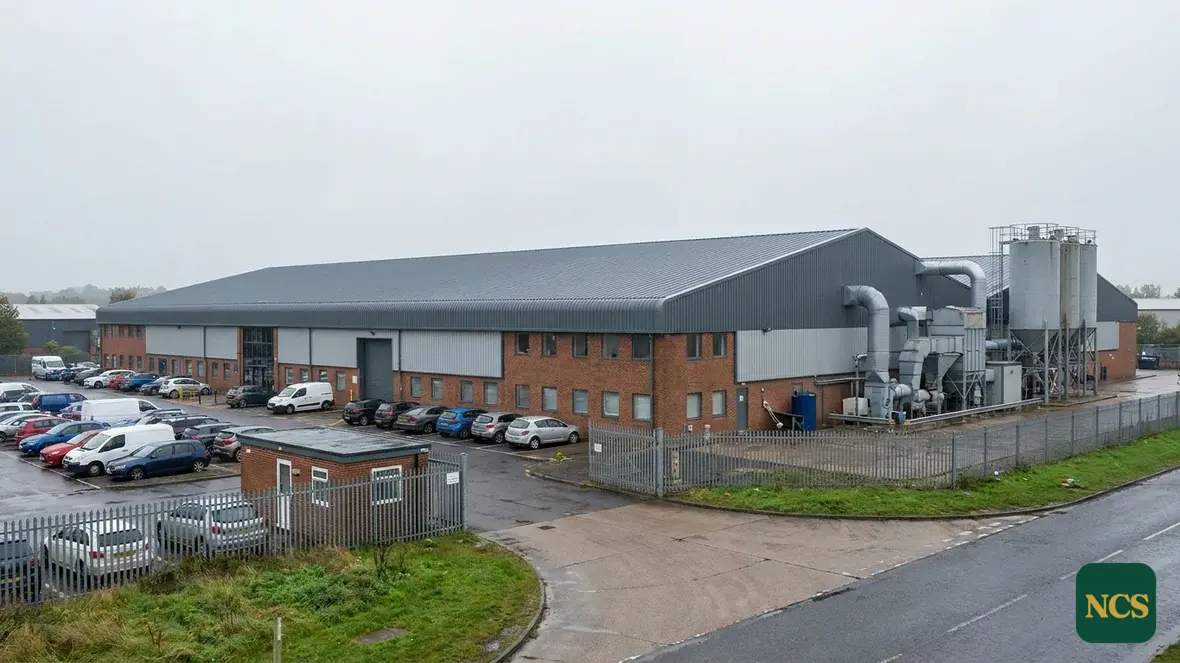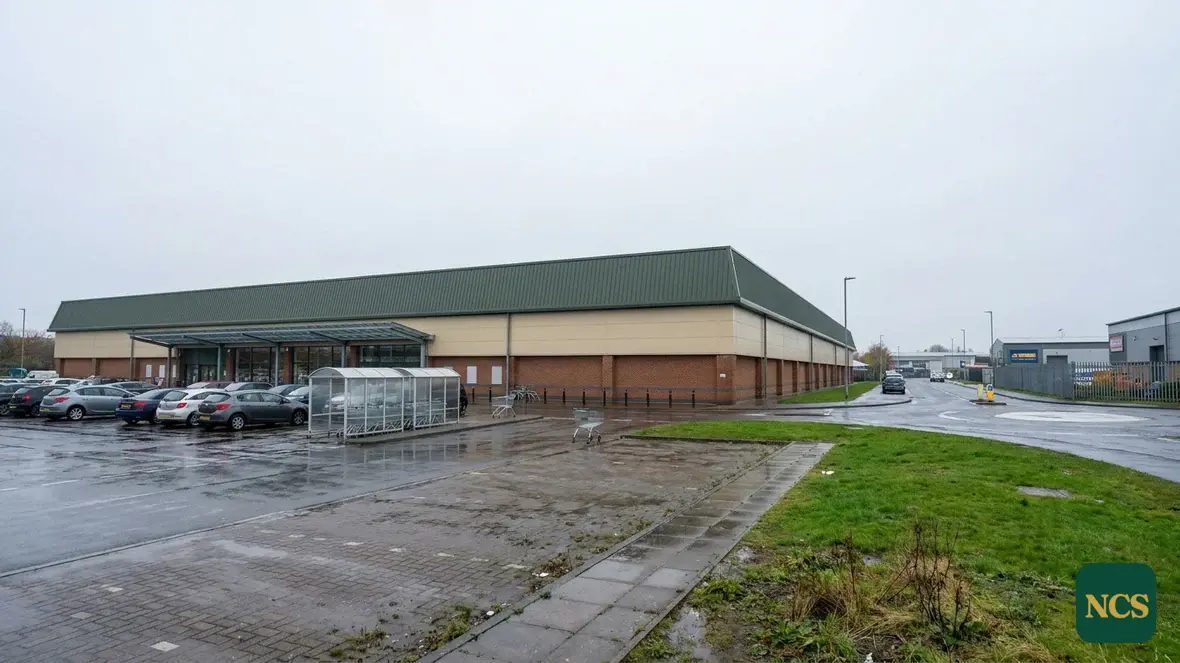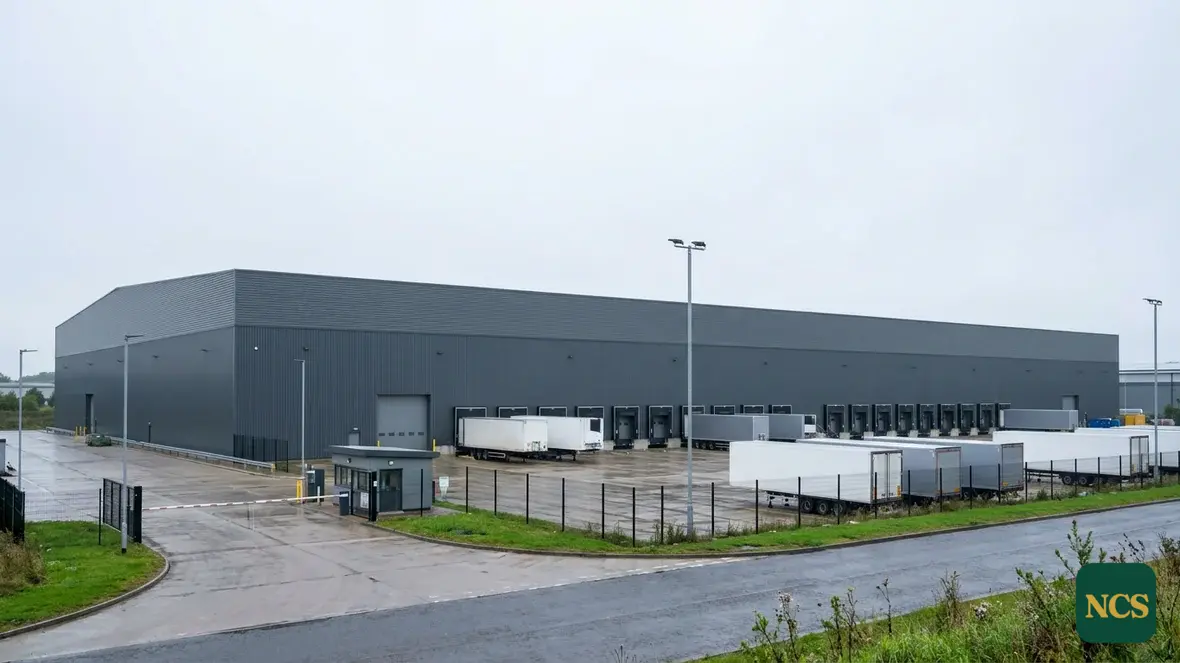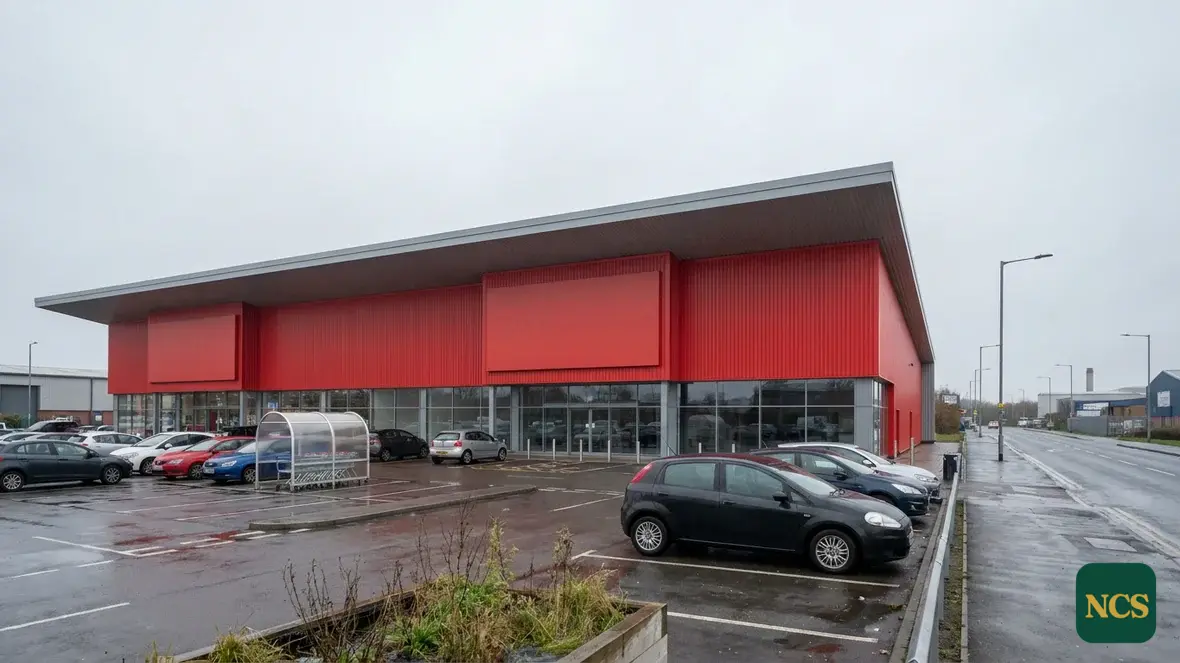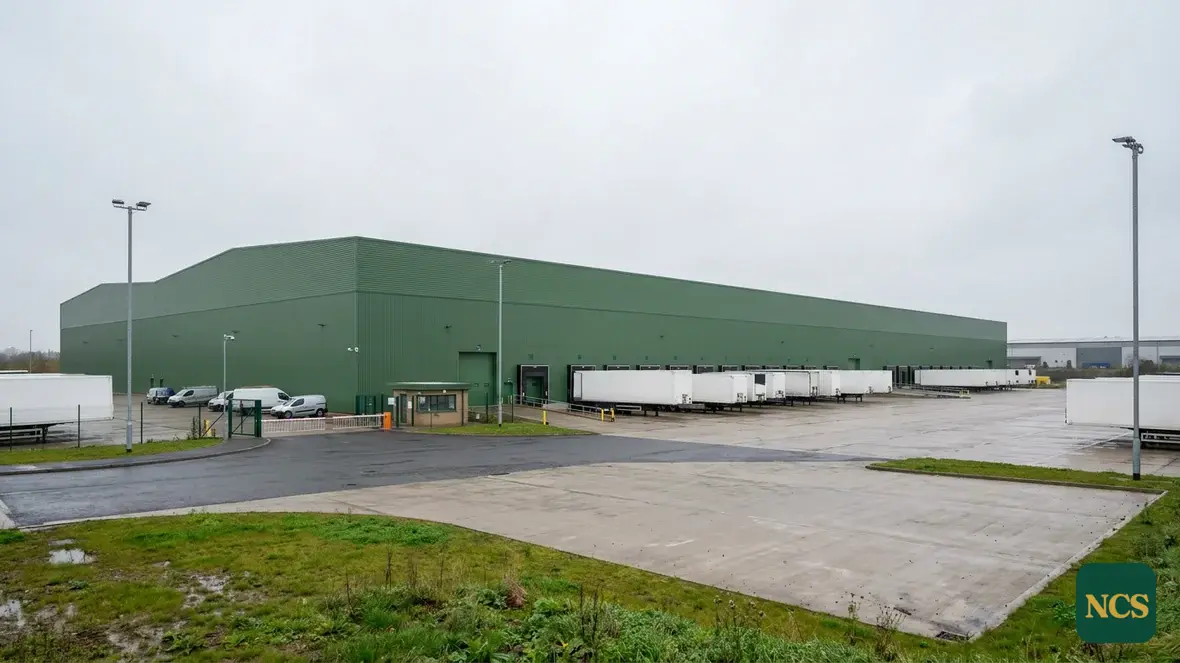
The industrial roofs we see in this corner of Somerset
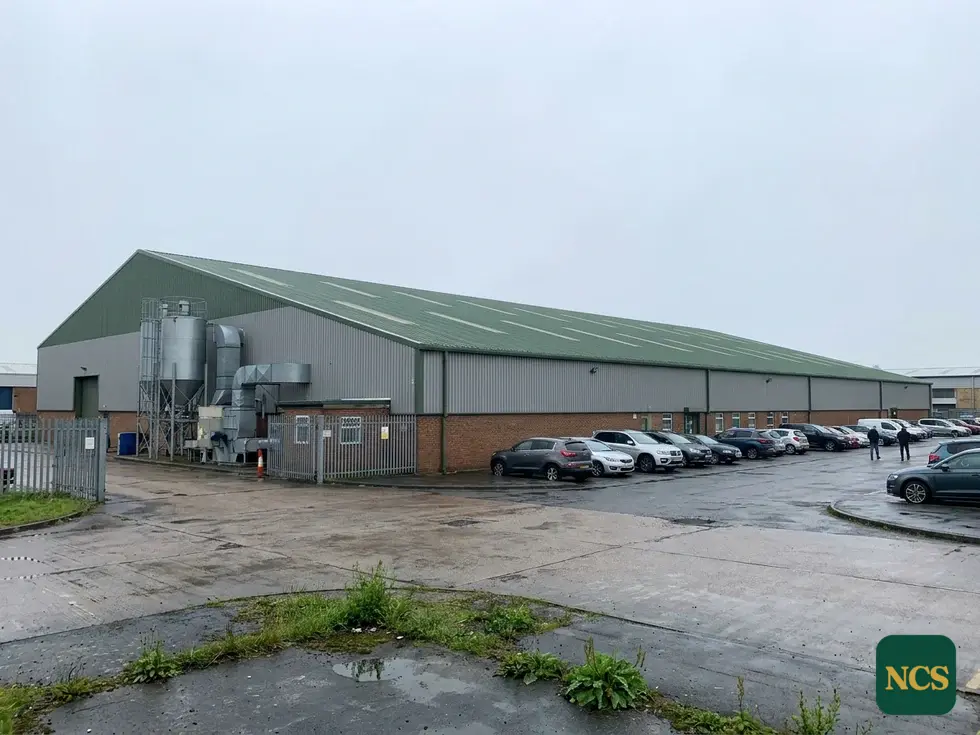
Wells is a small city with a working hinterland. The industrial stock here is not vast distribution sheds but a mix of units on small trading estates, agricultural buildings pressed into commercial service, and food and drink production facilities scattered across the surrounding countryside. Roofs are typically profiled metal or fibre cement, many of them thirty years old or more, and many showing the same pattern: sound structure, tired surface. National Coating Specialists works across England from our South East base, and our approach is the same everywhere: survey first, recommend second, and only ever recommend a coating where the roof justifies one. For buildings of this age, that discipline matters more than any product brochure.
Common faults on profiled metal and fibre cement
On profiled steel, the dominant defect is cut-edge corrosion: rust creeping under the factory finish at every cut lap and eaves edge, gradually lifting the coating away from the steel. Fixings corrode, washers perish, and laps that have relied on sealant since the day they were built start letting wind-driven rain through. Fibre cement ages differently. The sheets become porous and brittle, grow moss and algae in the damp Mendip air, and shed fibres as the surface erodes. Both substrates can often be coated successfully, but they need different preparation, different primers and a different attitude to fragility. Older fibre cement may also contain asbestos, which does not necessarily rule out coating but does dictate how the work is planned and who walks the roof.
Where coating earns its keep, and where it does not
A coating system is the right call when the substrate is structurally sound, corrosion is at the treatable stage and the building has a future that justifies the spend. It is the wrong call when sheets are perforated or thinned right through, when the insulation below is saturated, when the frame is moving, or when the building is due for redevelopment within a few years. There are also cases where a full coating is simply more than the roof needs: if the only genuine faults are failed gutter joints and a handful of cracked rooflights, we will price the repairs and leave the rest of the roof alone. A straight no at survey stage costs us a job and saves you a budget. We think that trade is worth making.
Keeping your site running while we work
Most of the buildings we survey near Wells are in daily use: production lines, stores, workshops with customers on site. The work is external, so in the normal run of things nobody inside needs to move anything or stop anything. Beyond that, disruption is managed by planning:
- Phased working so yards, loading doors and access routes stay open
- Agreed hours for the noisier preparation stages
- Protection of rooflights, gutters and anything parked or stored below the eaves
- Clear daily contact with your site manager or facilities lead
- Weather-dependent scheduling agreed in advance, not improvised on the day
Arranging a survey in the Wells area
If you look after an industrial or agricultural-commercial building in or around Wells and the roof is on your risk register, the useful first step is a walked survey rather than a guess. Send us the address, a note of what the building does day to day and any leak history, and we will assess the roof, photograph the detail and report on whether coating, repair or replacement is the right recommendation. You receive the findings in writing either way, in a form you can put in front of a landlord, an insurer or a board, and there is no obligation to take the work any further with us. Roofs in this part of Somerset have usually been patched more than once before anyone calls a specialist; the report tells you whether the patching era can end.