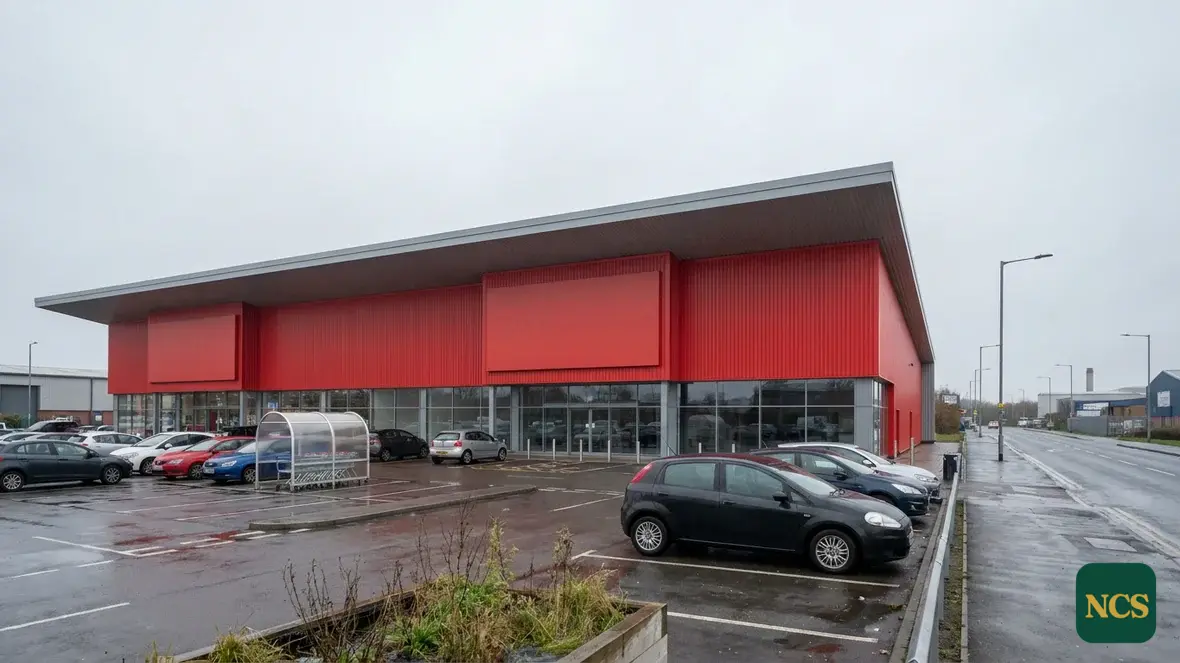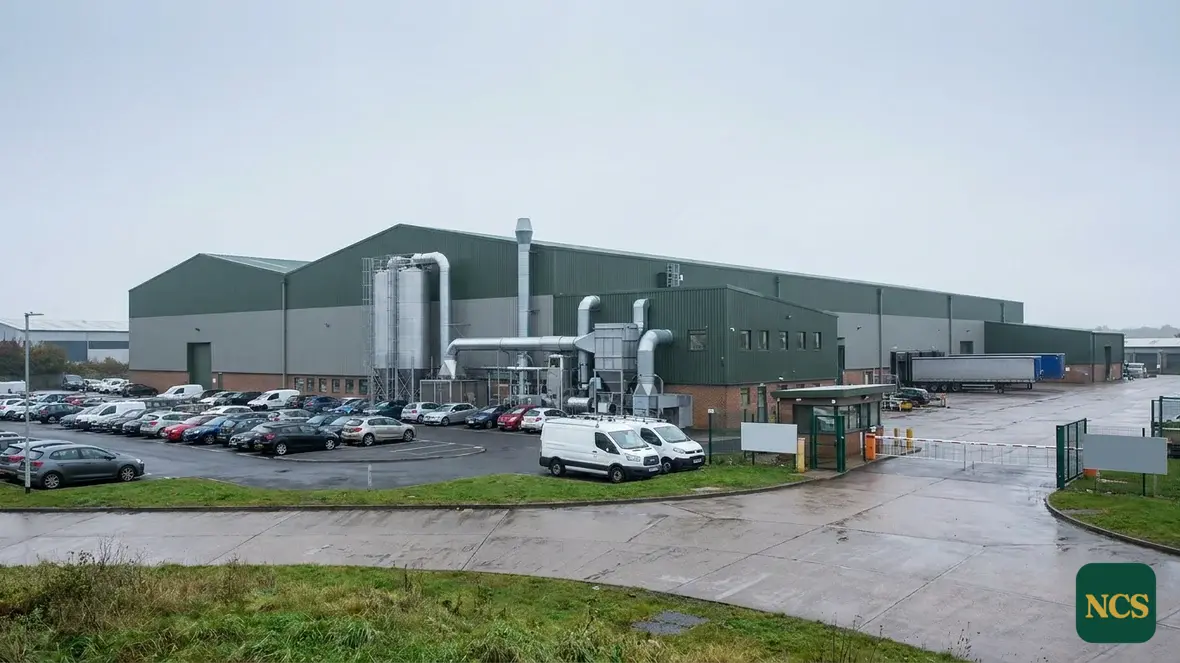
Sheet-end rust on Doncaster’s big-shed roofs
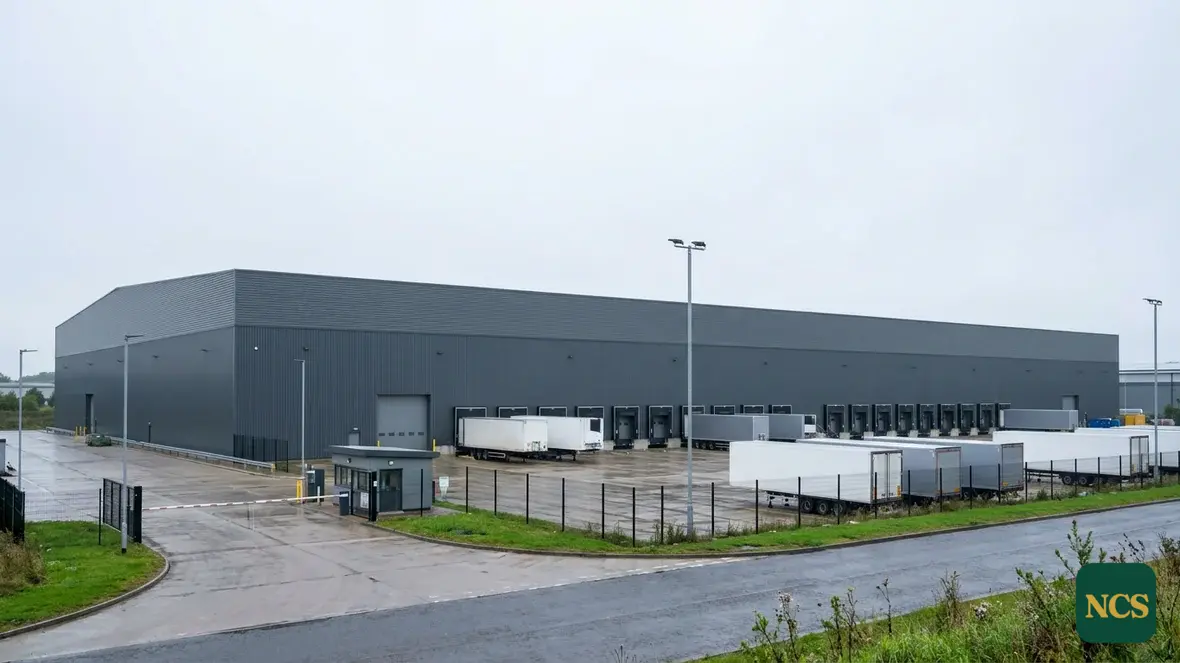
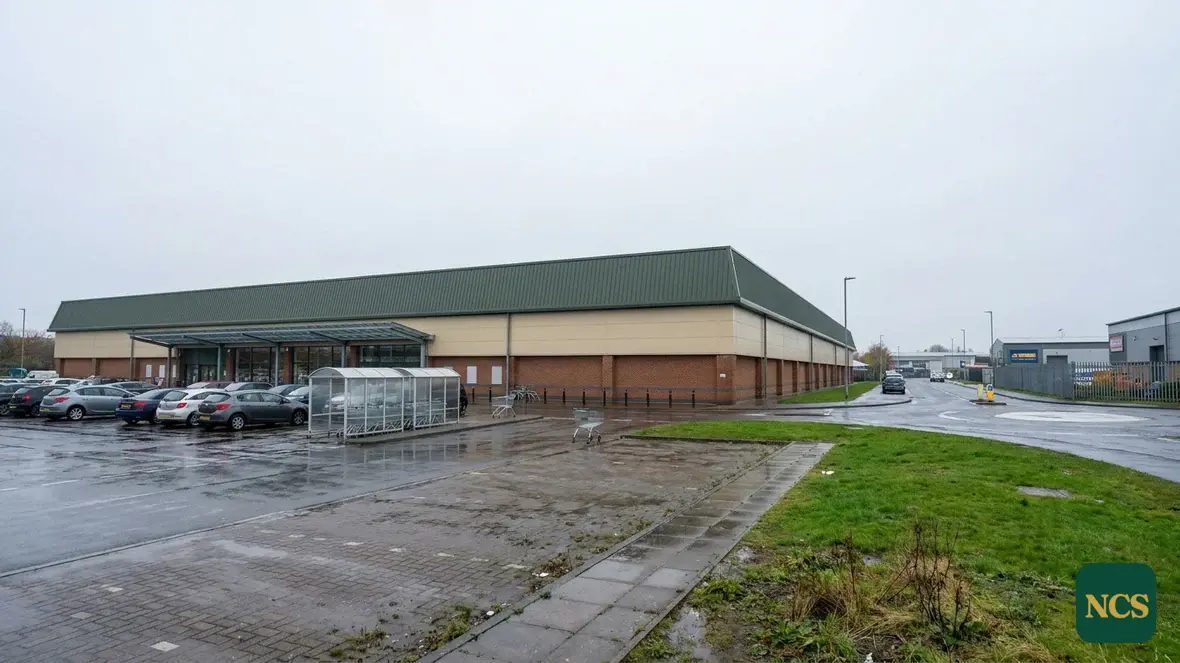
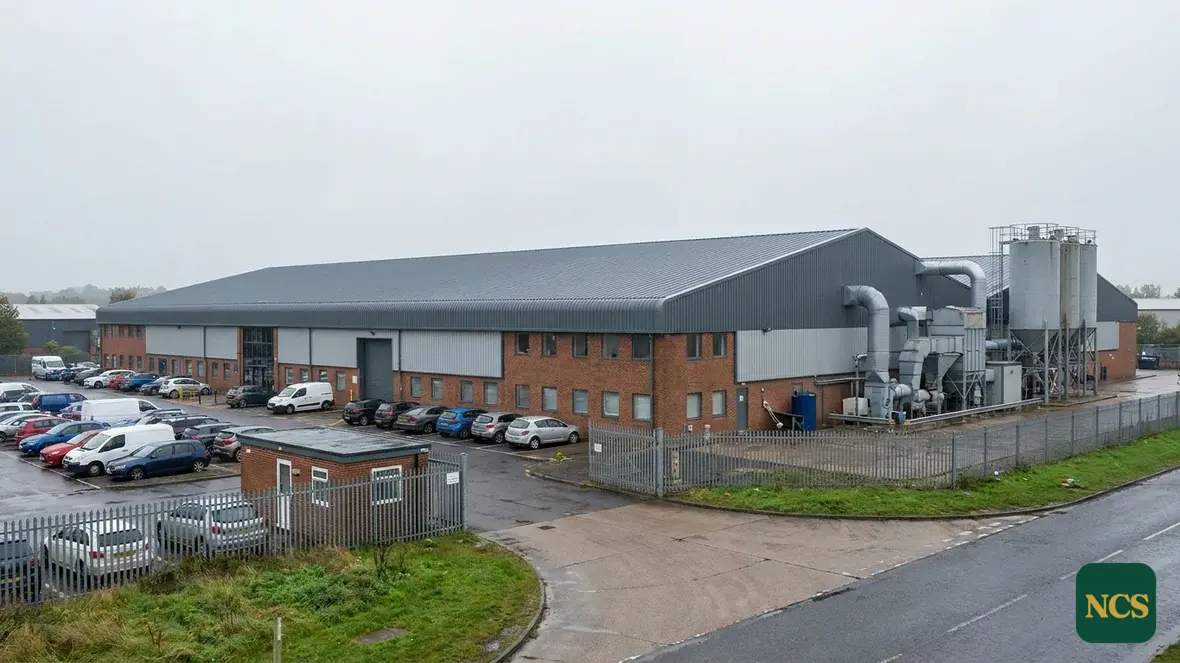
Few towns in England carry as much profiled steel roofing as Doncaster. The logistics and distribution units along the motorway corridors, the older industrial estates and the workshops between them all rely on coated steel sheets, and every one of those sheets has the same weak point. The sheet was cut to length during manufacture, the cut went straight through the protective coating, and bare steel has been sitting exposed at the ends and laps ever since.
Cut edge corrosion is the result. Rust takes hold on the unprotected edge, then creeps back underneath the factory finish, lifting the coating from the steel. From the ground it reads as a brown line along the eaves; on the roof, the peeling tells you how far it has run.
Why big roofs make it a bigger problem
The scale of the local building stock works against you. A large distribution unit can carry hundreds of metres of eaves edge and end laps, so the defect is never in one place; it sits along every cut line on the roof. Eaves edges live in the splash zone of the gutters, end laps draw water in by capillary action, and South Yorkshire winters give the steel very little chance to dry out.
The escalation is what hurts. Edge rust costs comparatively little to put right. A perforated sheet over an internal gutter line, above racking, stock or plant, is a different category of problem, and the leak usually announces itself at the worst possible moment.
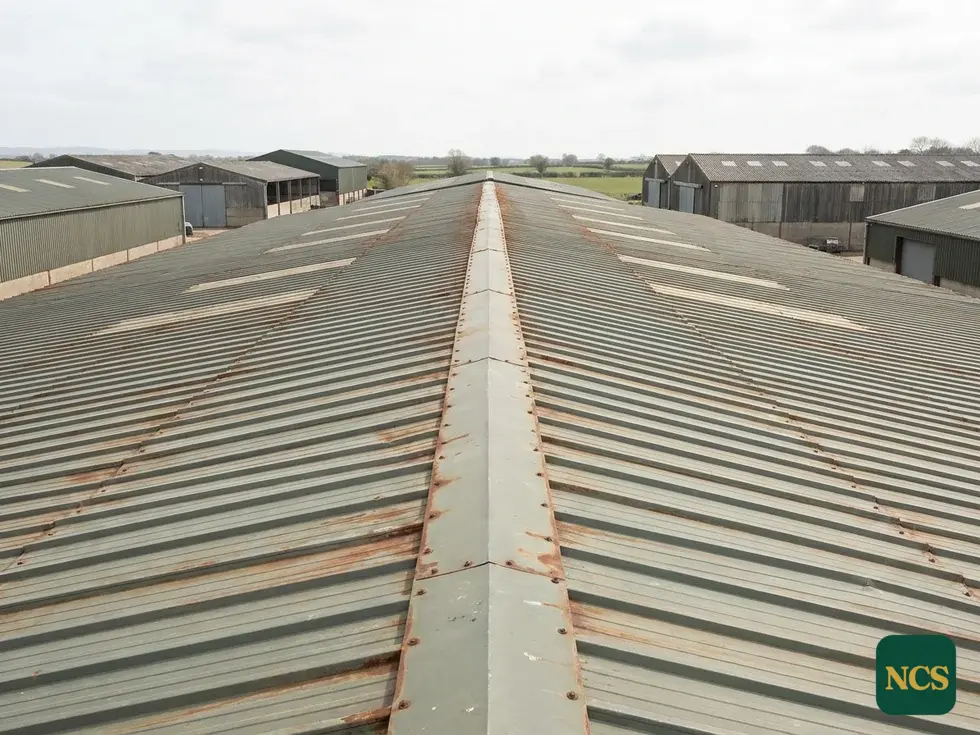
What early treatment actually involves
- Mechanical preparation of the corroded edges back to sound steel
- Corrosion-inhibiting primer on the cleaned metal
- Sealing of side and end laps to shut out capillary moisture
- A flexible, reinforced coating band over the vulnerable edge zone
- Checks on fixings and gutter lines, which corrode in the same way
The point of all of it is simple: give the cut edge the protection the factory never applied, and stop the rust front where it stands. Done before the steel thins, it is a maintenance job rather than a roofing project, and the building stays operational throughout.
Straight answers when the steel is too far gone
We will not coat a roof that cannot be saved. Where the survey finds perforation, deep metal loss at the laps, or corrosion attacking the underside of the sheets, a coating would only hide the problem while it got worse. In those cases we say so, with photographs, and set out the realistic options: replacing the failed sheets and treating the remainder, or accepting that the roof needs an overlay or a re-sheet. It is a worse answer for us and a better one for you, and it is the only answer worth giving.
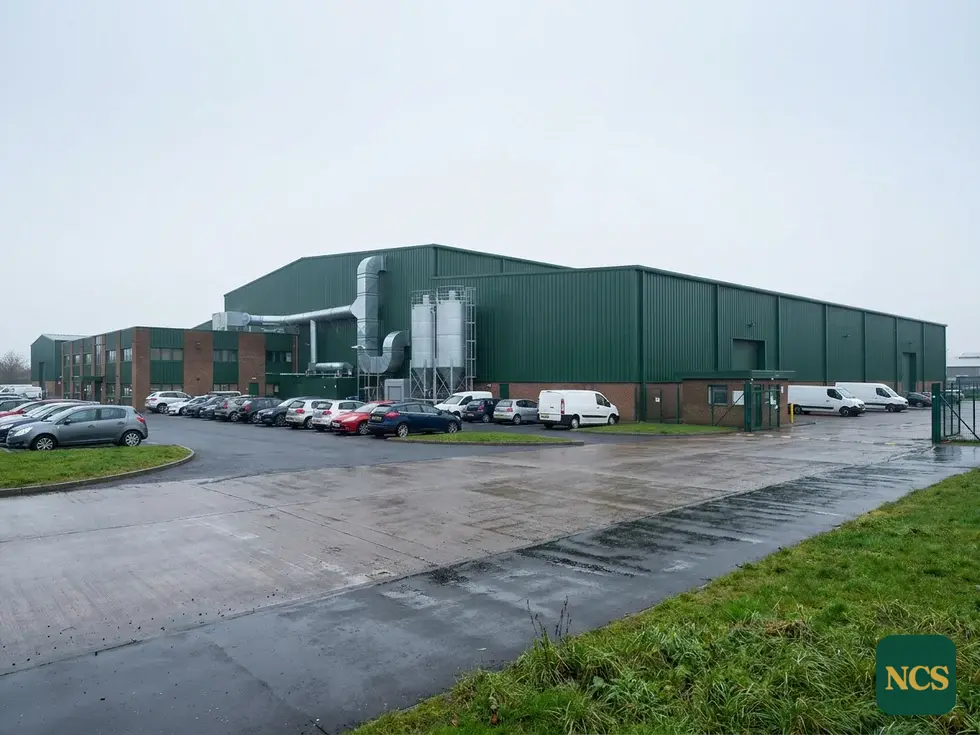
From edge treatment to full roof coating
Cut edge corrosion rarely arrives alone. If the sheet faces across a Doncaster roof are chalking, fading or going brittle, the coating protecting the whole surface is reaching the end of its life too, and treating the edges in isolation only defers the next job. In that situation it is often better value to deal with the edges as part of a full roof coating, restoring the entire surface in one visit.
Our surveys answer both questions: how bad are the edges, and how much life is left in the rest. We are South-East based and work across England, Doncaster included, and the survey findings, not a sales script, decide what we recommend.