Cladding spraying in Doncaster
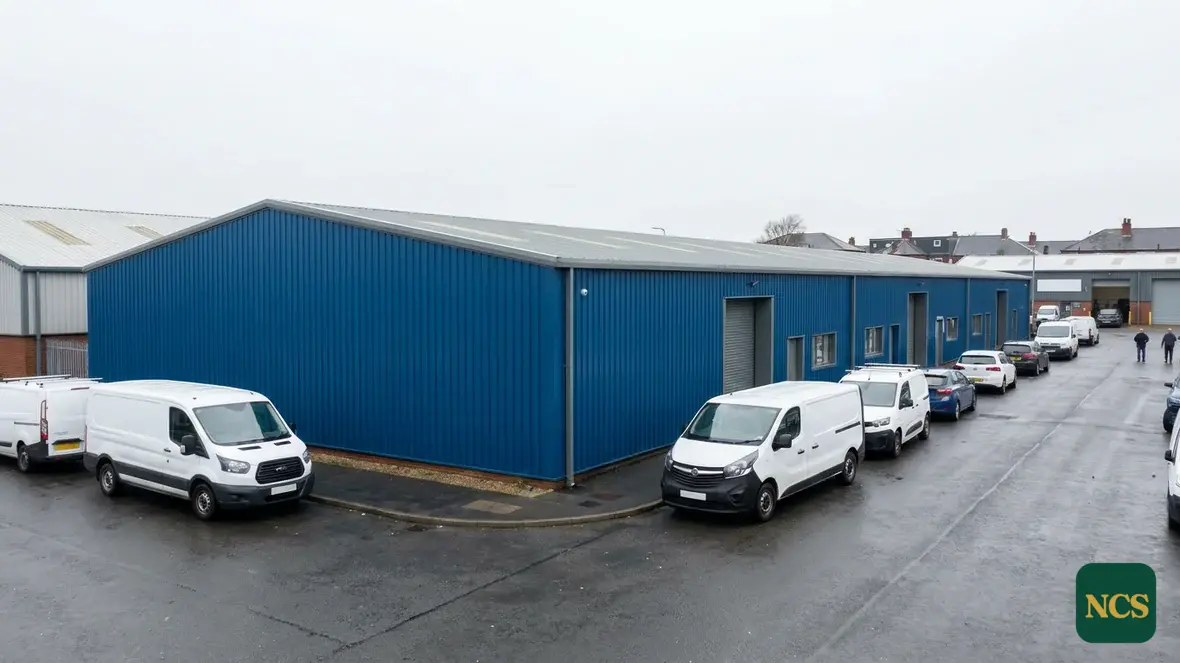
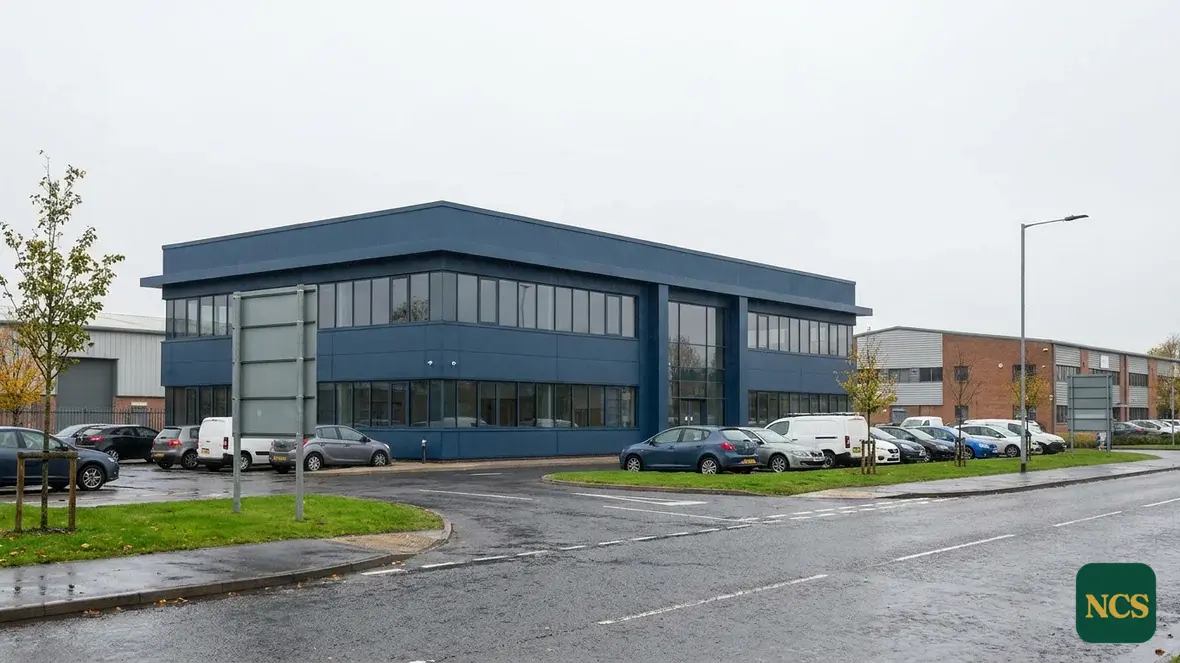
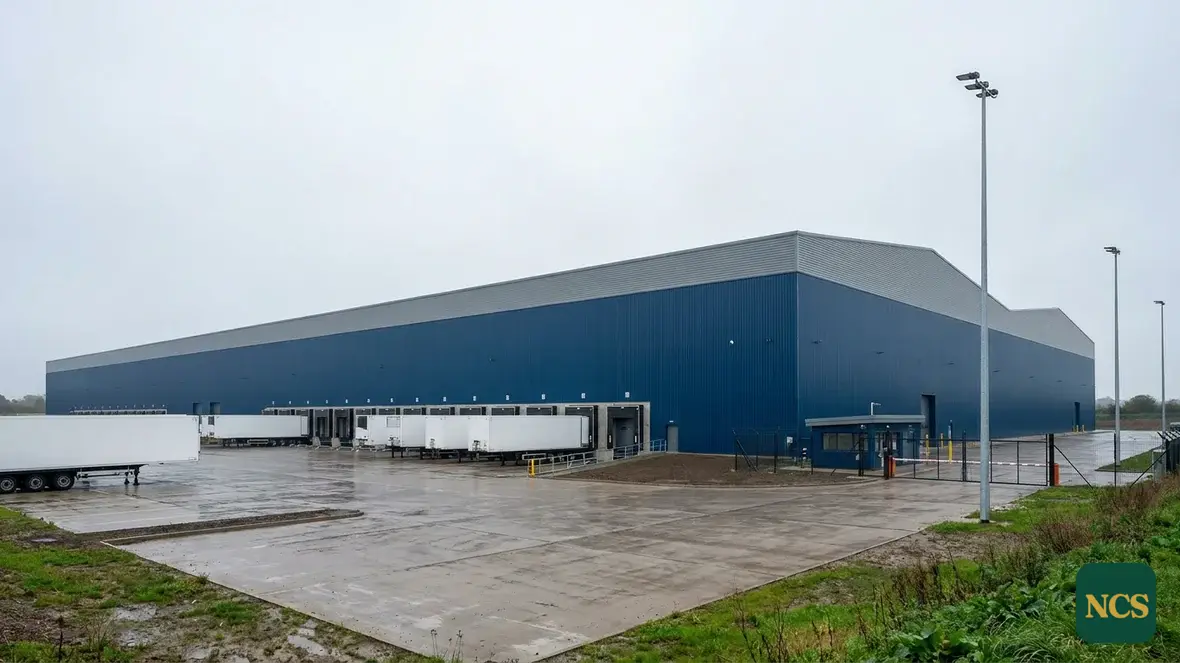
Doncaster is one of the logistics capitals of the North, and big sheds mean big elevations. Cladding spraying in Doncaster frequently involves serious areas of profiled steel and composite panel: distribution warehouses near the motorway junctions, manufacturing units on the established South Yorkshire estates, and the trade and retail parks that serve the town. At that scale, the difference between recladding and recoating is measured in weeks of disruption as well as money.
We are survey-led, it’s policy. Especially on big buildings, an honest condition report before any price is the only way to keep a project predictable. It also keeps tender comparisons fair, because every bidder can be measured against the same written findings.
The same logic applies down the scale. Workshops, trade counters and yard buildings across the borough wear in the same way as the big sheds; they simply take longer to show it from the road.
What the survey usually turns up on big sheds
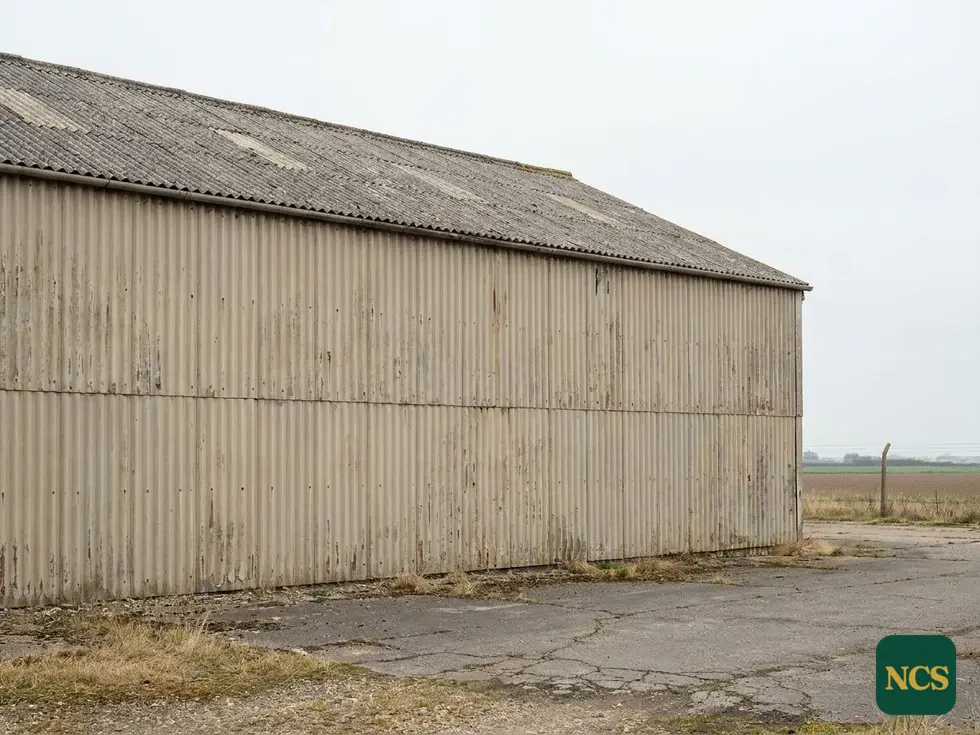
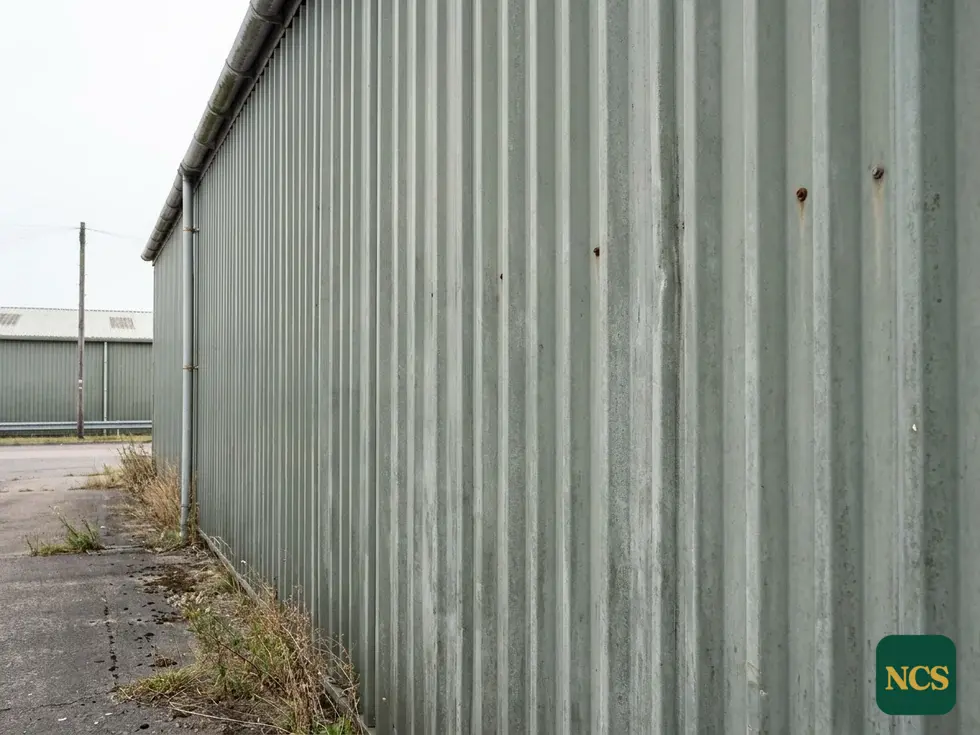
Large clad buildings wear in recognisable ways, and our inspection is designed to find all of them:
- Cut-edge corrosion along gutter lines and sheet ends. Often the first thing to fail.
- UV fade and chalking on south and west elevations while sheltered faces still look new.
- Impact damage around loading doors and yard-level panels.
- Mismatched replacement sheets left over from old repairs.
- Ghosting where signage has been removed after a rebrand.
Each finding shapes the specification: which primer, how much corrosion treatment, where repairs come before coating. That’s why we never price a large building from the road.
From inspection to finished elevation
The sequence is fixed: survey, report, preparation, application, inspection. On site that means adhesion tests and corrosion mapping first, then a written account of what we found and what we recommend. Preparation covers cleaning, corrosion treatment, priming and masking. The coating itself goes on in controlled passes to build an even film across elevations that can run to thousands of square metres.
We plan our work around the building’s operation, loading bays and traffic routes included, so a busy site can keep moving while its exterior is renewed. Out-of-hours and phased working are both options where loading schedules are tight. We’re South East based and operate across the UK. We combine Doncaster surveys with Rotherham, Barnsley, Scunthorpe and Worksop easily, which works well for landlords holding stock across the region.
We paint and respray cladding across Doncaster and South Yorkshire, always to a specification set by the survey rather than a standard colour-up.
When recoating is the wrong call
Coating buys years for sound cladding. It does nothing for failed cladding. Where finishes are delaminating wholesale, rust has perforated sheets, panels are structurally compromised or water is already getting in, our advice will be repair or replacement, in writing, with the reasoning shown. No coating alters the fire performance of a panel system either, and on large commercial stock that question deserves a specialist answer rather than a layer of paint. On distribution stock we also find gutters approaching the end of their serviceable life; where that is the case it’s flagged separately, because gutter failure undoes coating work faster than anything else.
Why survey-led matters more as buildings get bigger
On a small unit, a misjudged specification is an irritation. On a distribution shed, the same mistake multiplies across every square metre of elevation. Survey-led contracting keeps that risk where it belongs: identified, written down and dealt with before work begins, not discovered halfway up a scaffold.
If you run clad buildings in Doncaster or anywhere in South Yorkshire, start with the inspection. It’s the smallest commitment in the whole project. It’s the one everything else depends on. It leaves you with a documented condition baseline for the asset that has value well beyond the coating decision itself.