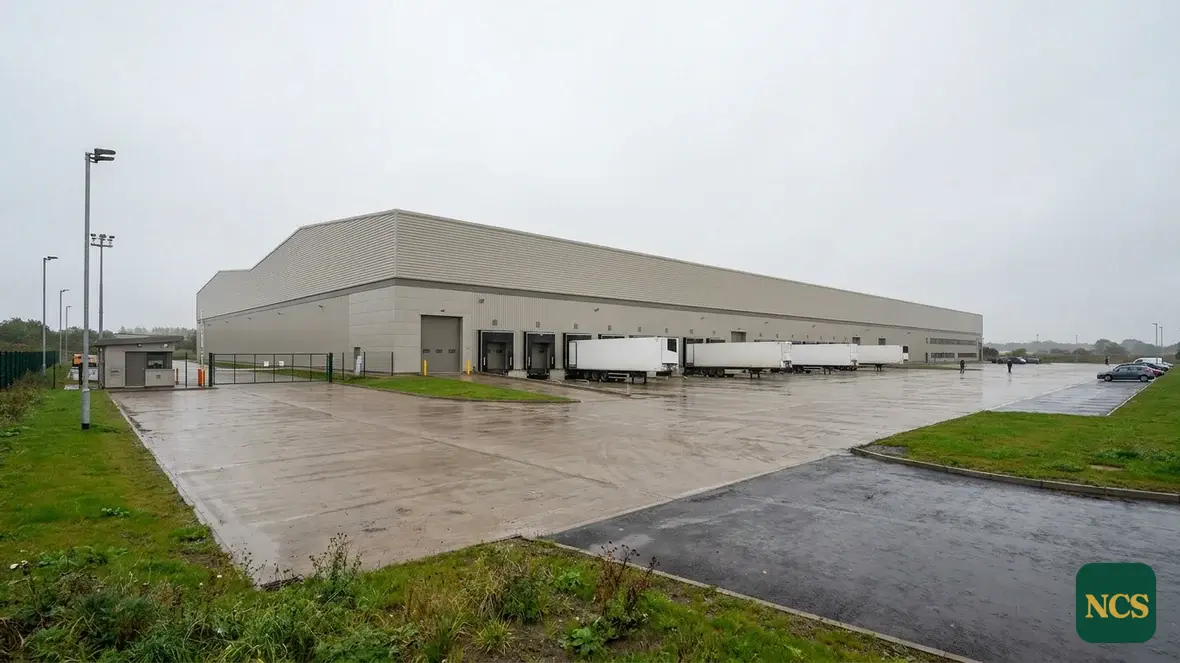
Big roofs, big numbers: industrial roof coatings in Doncaster
Doncaster sits at one of the busiest logistics crossroads in the country, and its building stock shows it: large modern distribution parks around the motorway network alongside older trading estates and factory buildings that date back to the town’s rail and industrial heritage. The common factor is profiled metal roofing, often in very large areas, where the difference between maintaining and replacing runs into serious money. National Coating Specialists is based in the South East and works across the UK, and we survey and coat industrial roofs in Doncaster and South Yorkshire for the estates and facilities teams who manage that stock.
Two generations of roof, two different problems
The newer distribution sheds tend to have roofs that are structurally sound but approaching the point where the factory finish on the sheets begins to weather through. Catching that stage early, before bare steel is exposed, is the cheapest intervention these buildings will ever need: preparation, edge treatment and a full coating that resets the weatherproof surface.
The older estate buildings are a different conversation. Decades of service, previous patch repairs, replaced sheets in mismatched profiles and long-neglected gutter lines are common. Some of these roofs remain excellent candidates for coating once the defects are dealt with. Others have deteriorated past the point where coating is honest work, which is why we never specify without standing on the roof first.

Cut-edge corrosion and the gutter line
On large profiled roofs, the two failure points that matter most are the cut edges and the gutters. Cut-edge corrosion attacks the unprotected ends of the sheets at laps and eaves, lifting the finish and working back under it. Gutter lines, especially concealed valley gutters between bays, collect debris and standing water and quietly corrode out of sight. Both are treatable with dedicated systems if they are caught while the steel still has its strength, and both are central to our survey because they determine the real scope of the job. A coating quotation that does not address the edges and the gutters is not a serious quotation.
We paint industrial roofs across Doncaster and South Yorkshire to a specification set on the roof, not from a desk.
Planning works around a continuous operation
Many Doncaster distribution sites run extended hours or around the clock, with vehicle movements that cannot pause for roofing works. Coating is one of the least disruptive interventions available because the building envelope is never opened, but the logistics still need planning:
- Access equipment positioned to keep dock doors and yard circulation clear
- Work phased bay by bay, agreed against your operational calendar
- No hot works in standard application, reducing permit burden on site
- Daily handover so your site team always knows what is happening overhead
- Weather-dependent tasks scheduled honestly, with no claims of progress that has not happened
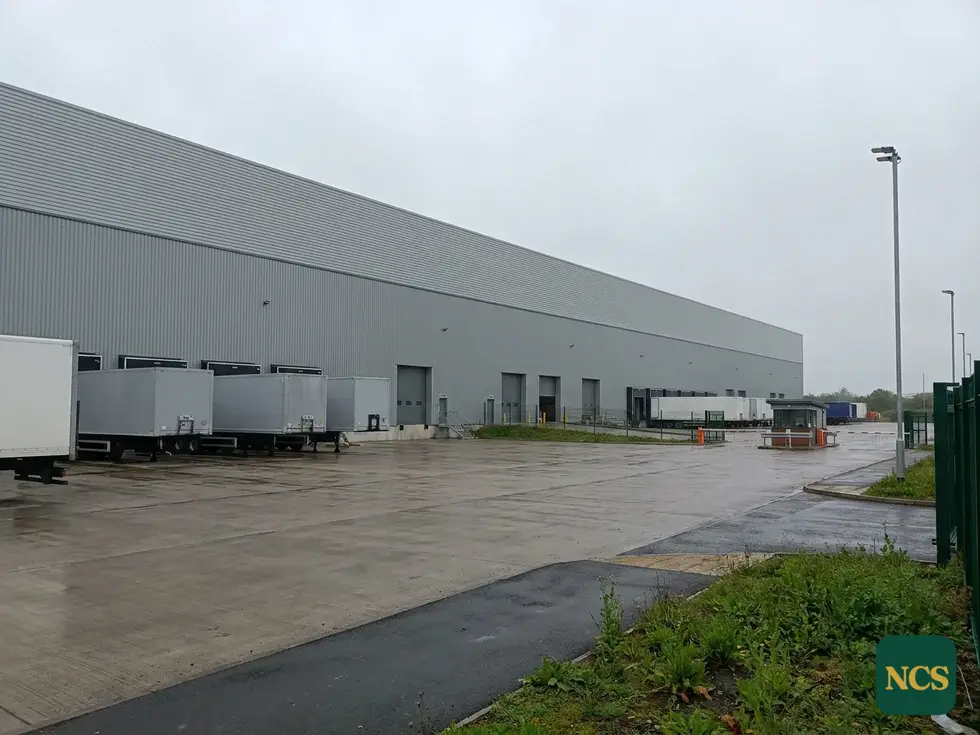
When replacement beats coating
There are roofs we will not coat, and we will tell you which yours is after the survey rather than after the invoice. Widespread perforation, corrosion that has compromised sheet strength or fixings, saturated insulation in built-up constructions, and structural deflection causing permanent ponding all point to replacement rather than coating. Coating over those conditions buys a tidy appearance and a short delay, not a solution, and on a roof the size of a distribution shed that is an expensive way to postpone the inevitable.
Where the substrate is sound, coating typically wins on cost, programme and disruption, and it keeps tens of tonnes of stripped sheeting out of the waste stream. The survey gives you the evidence either way, in writing, so the decision can be defended to whoever signs off the budget. If you manage industrial roofs in Doncaster and want a straight assessment before committing to anything, that survey is the place to start.