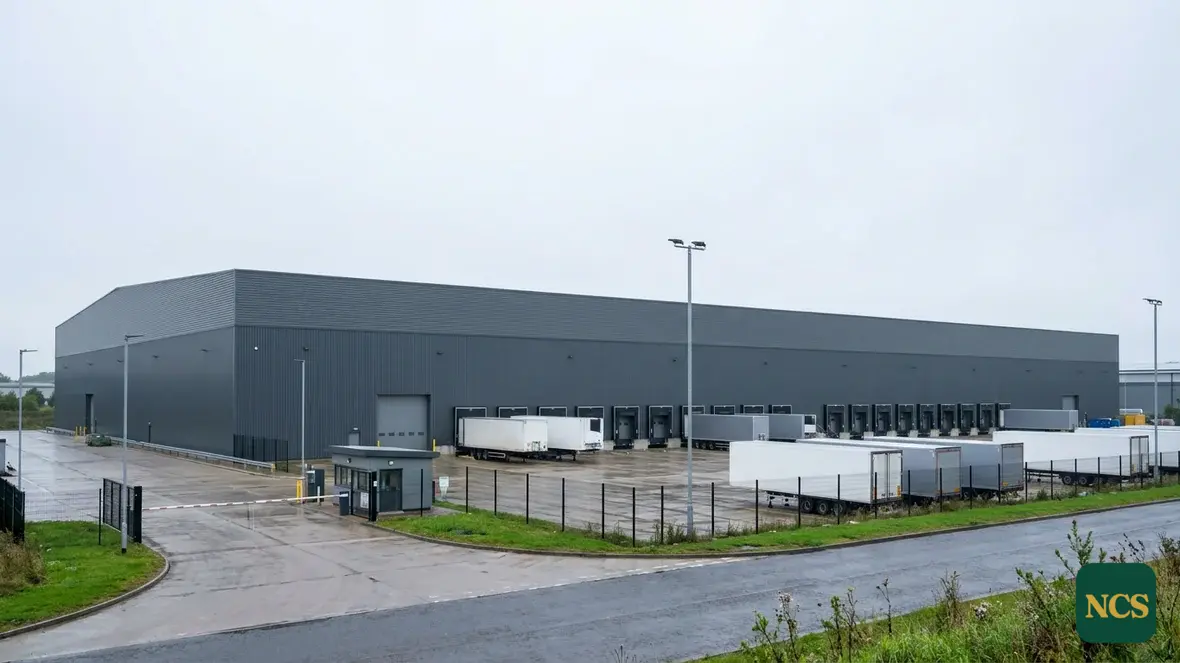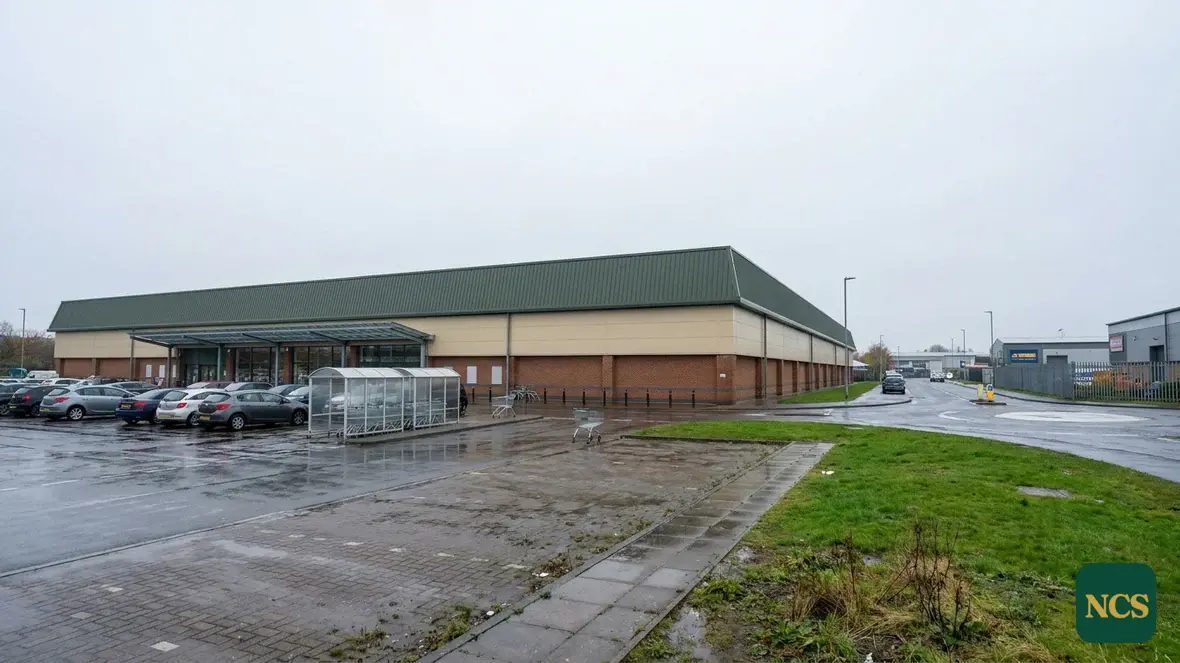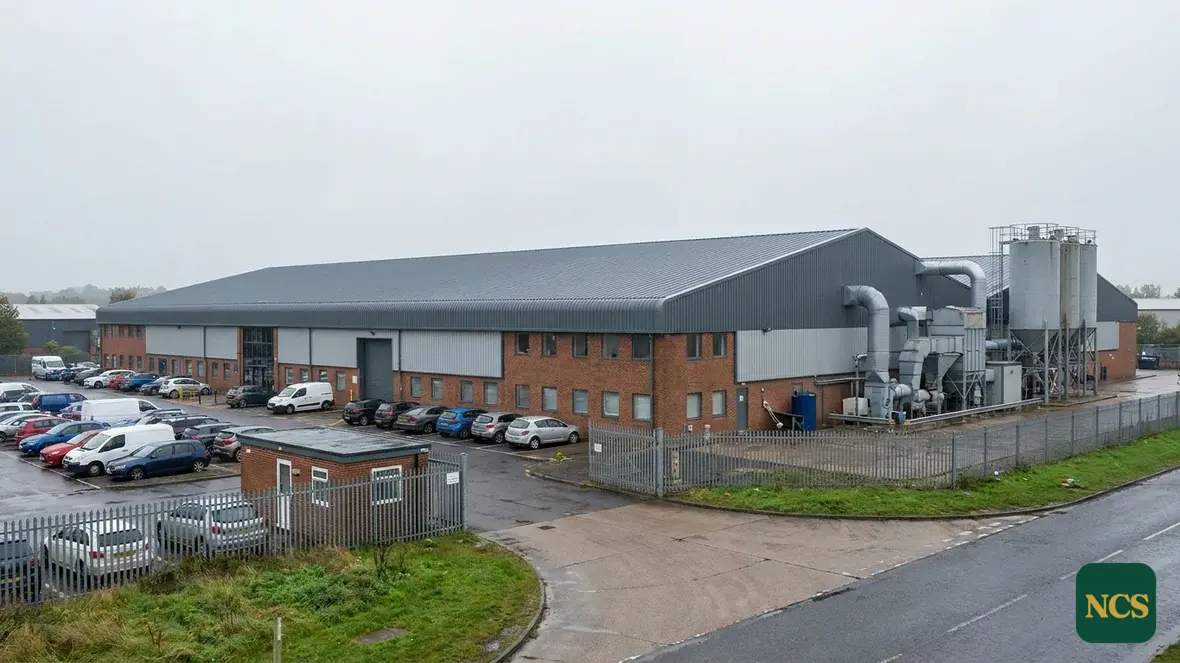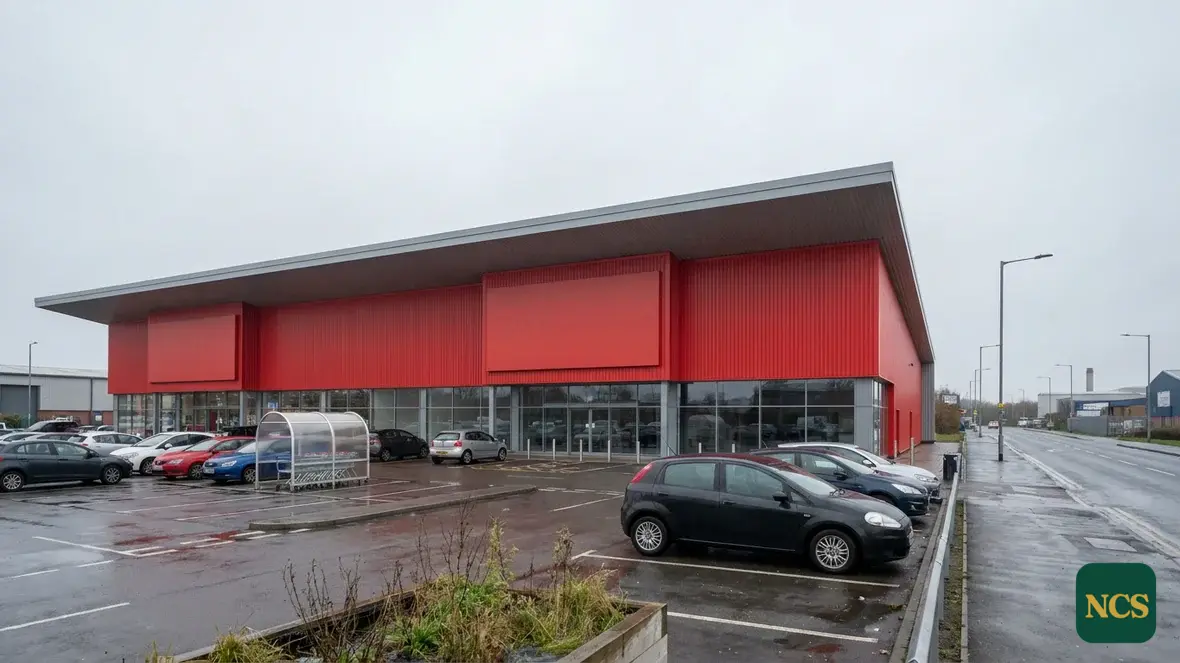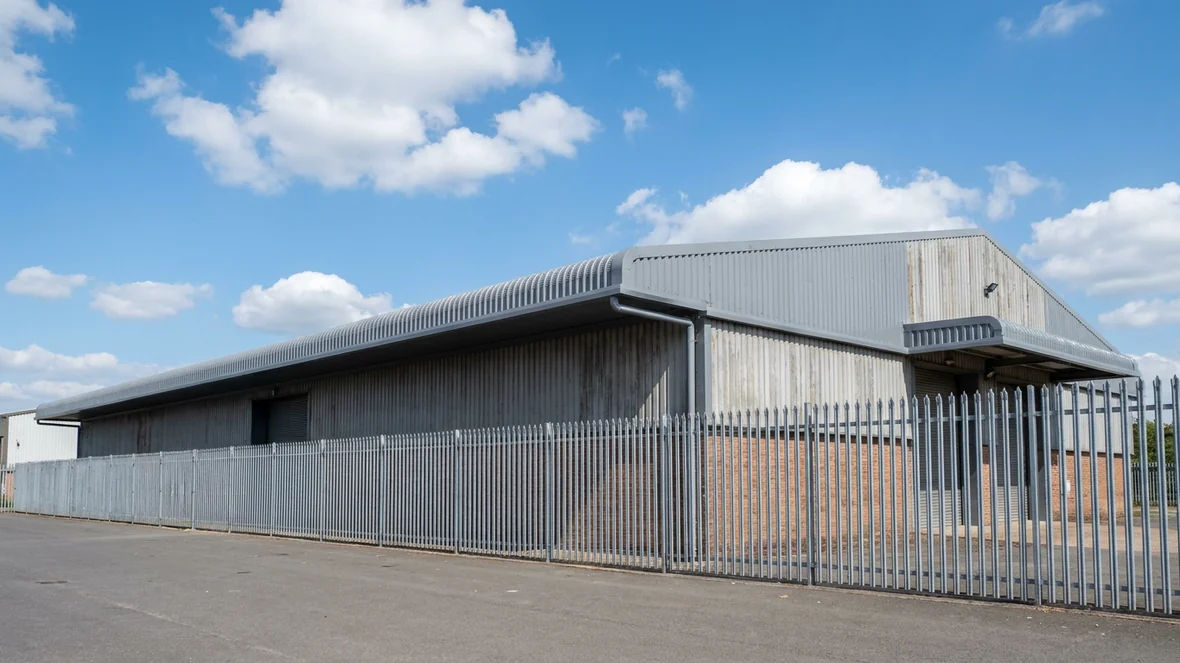
Steel roofs near the coast live a harder life. Around Southampton, with the docks, the estuaries and the salt that drifts inland on the prevailing wind, profiled metal roofing corrodes measurably faster than the same sheet would inland, and nowhere faster than at the cut edges where the factory coating ends and bare steel begins.
Salt, sheet ends and a head start for rust
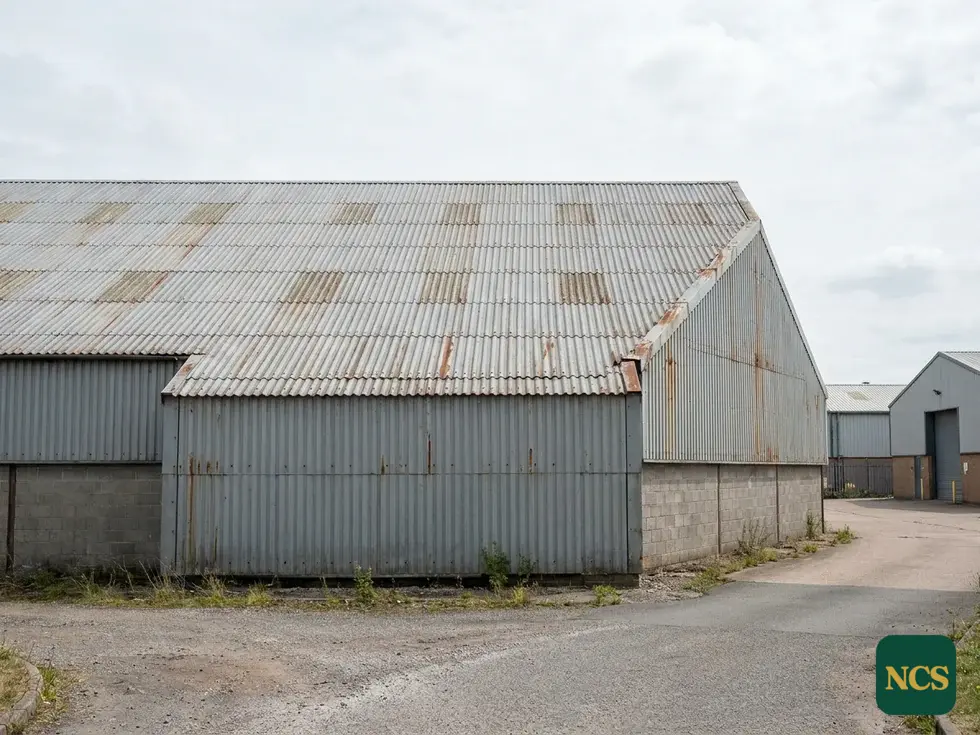
Cut edge corrosion starts wherever sheets were trimmed during installation, typically at the eaves and in the end laps. Those edges are unprotected steel, and in a marine-influenced environment they are attacked by chloride-laden moisture rather than plain rainwater. Salt accelerates the chemistry of rusting and keeps surfaces damp in conditions where an inland roof would dry out. The result is that roofs in Southampton and along the wider Solent corridor often show edge corrosion years earlier in their life than identical buildings further from the water.
How the damage advances
Once rust has a foothold at the edge, it creeps underneath the coating and breaks its bond with the steel. The coating lifts, more metal is exposed, and the wet zone inside the lap keeps the process running even through dry spells. From gutter level you can often spot the progression without ever getting on the roof:
- Rust staining bleeding from the sheet ends into the gutter
- A dark, damp shadow line along the end laps
- Coating visibly curling or flaking at the eaves edge
- Streaks or damp marks inside the building below lap positions
Treat early or pay for steel later
The intervention itself is well established: corroded edges are prepared back to sound metal, primed with a rust-inhibiting system, and sealed with a flexible waterproof band across the lap and edge zone. The economics only work in one direction. Early treatment keeps the existing sheets in service for years more. Postponed treatment lets perforation set in, and perforated sheets cannot be treated, only replaced. On distribution and dockside buildings where downtime carries real cost, the gap between those two outcomes is rarely small, and it never narrows by waiting.
We will tell you if treatment is the wrong call
Because we survey every roof before quoting, we sometimes deliver unwelcome news. Sheets with holes at the laps, steel thinned by years of salt exposure, or corrosion that has run deep under the coating are beyond what any treatment can honestly fix. Where that is what we find, we recommend replacement of the affected sheets and say clearly which areas are still worth protecting. We would rather lose a treatment job than coat over a failure and hand the problem back to you with a tidier surface.
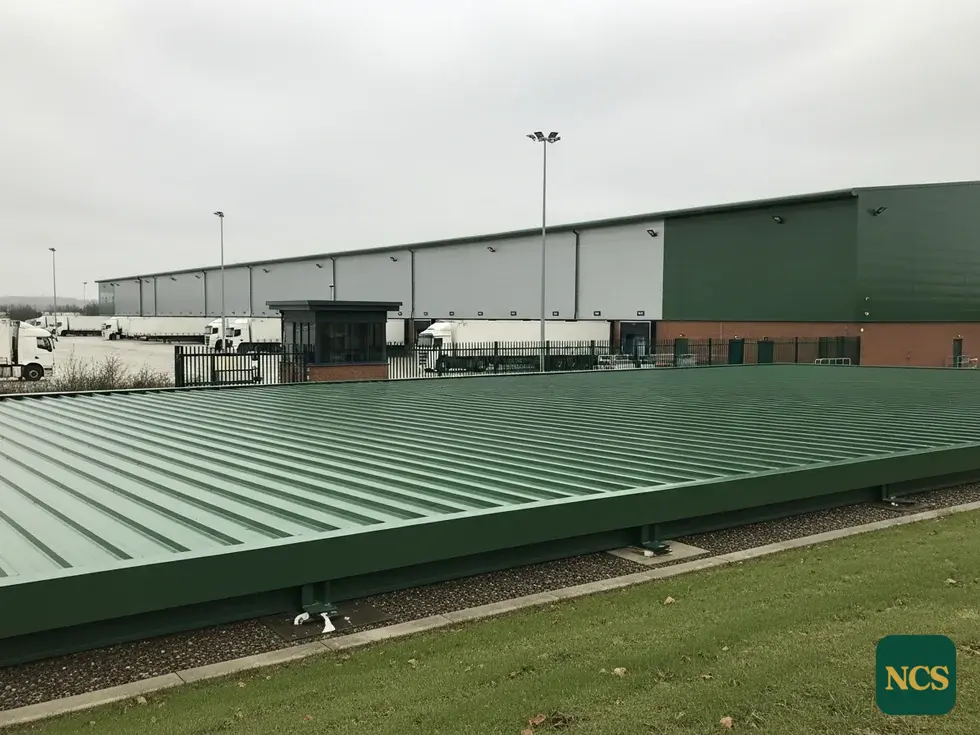
Sealing the rest of the roof while you are up there
Edge treatment addresses the weakest points; a full roof coating addresses everything else, the chalking finish, the faded slopes, the weathered fixings. In a coastal setting the case for combining the two is stronger still, because the whole surface faces the same salt load as the edges. National Coating Specialists is South East based and covers England, with Southampton, the Solent towns and the wider south coast firmly inside our working area, and a survey comes before any price.