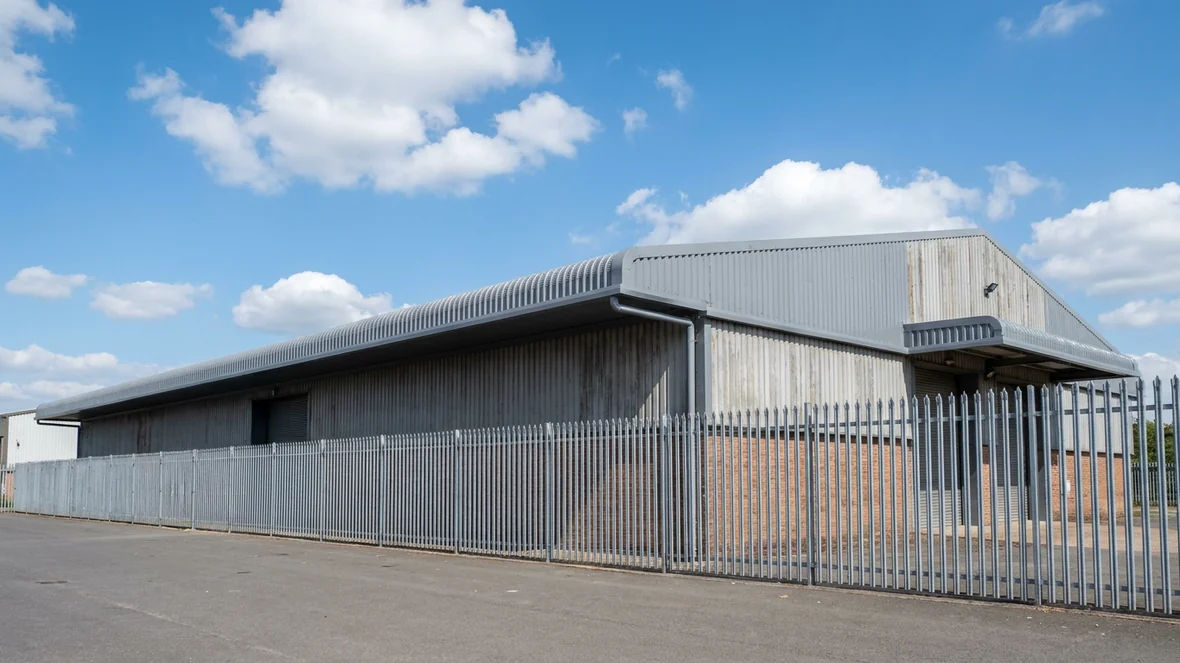
Cut edge corrosion in central London? More common than you would think
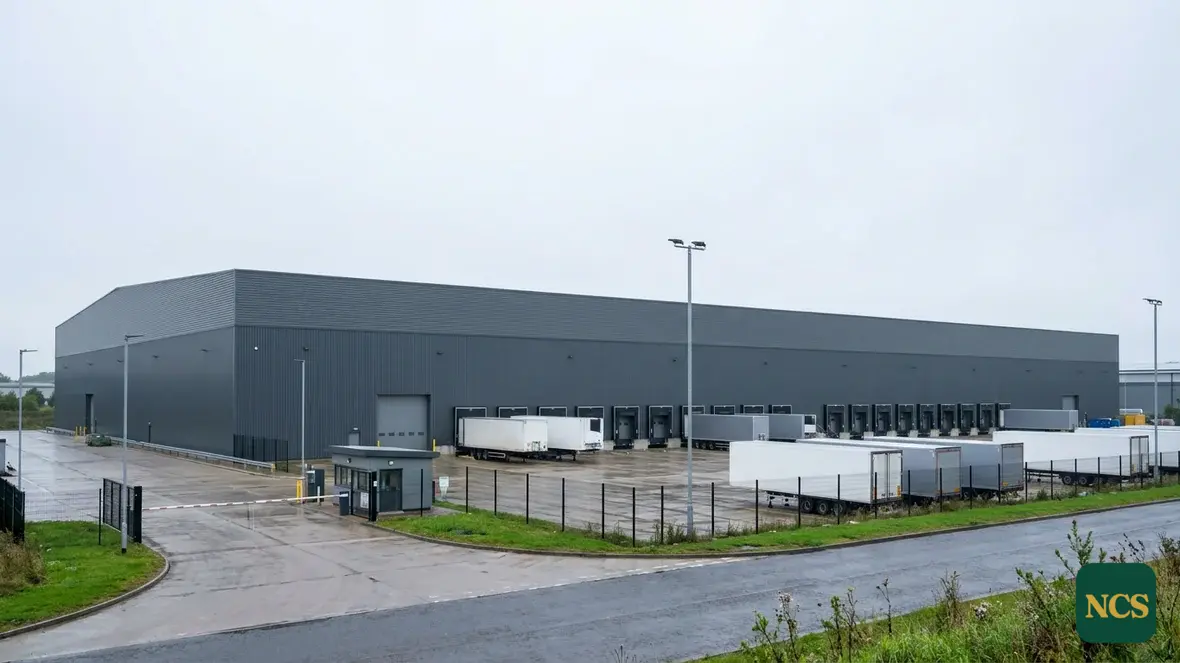
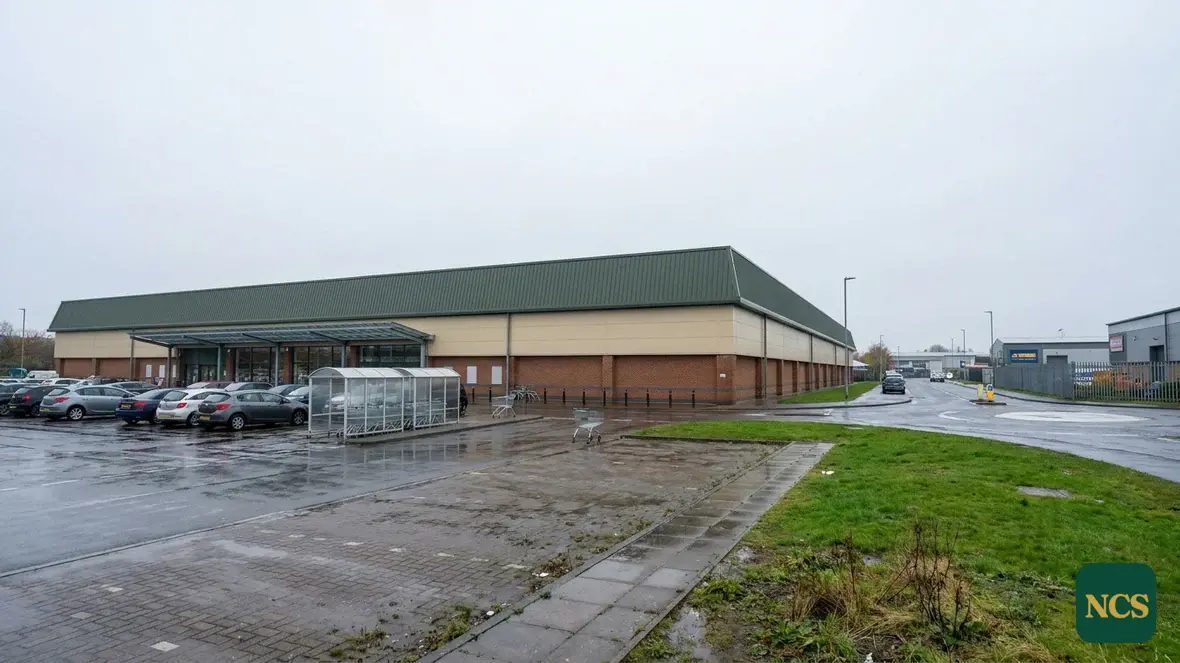
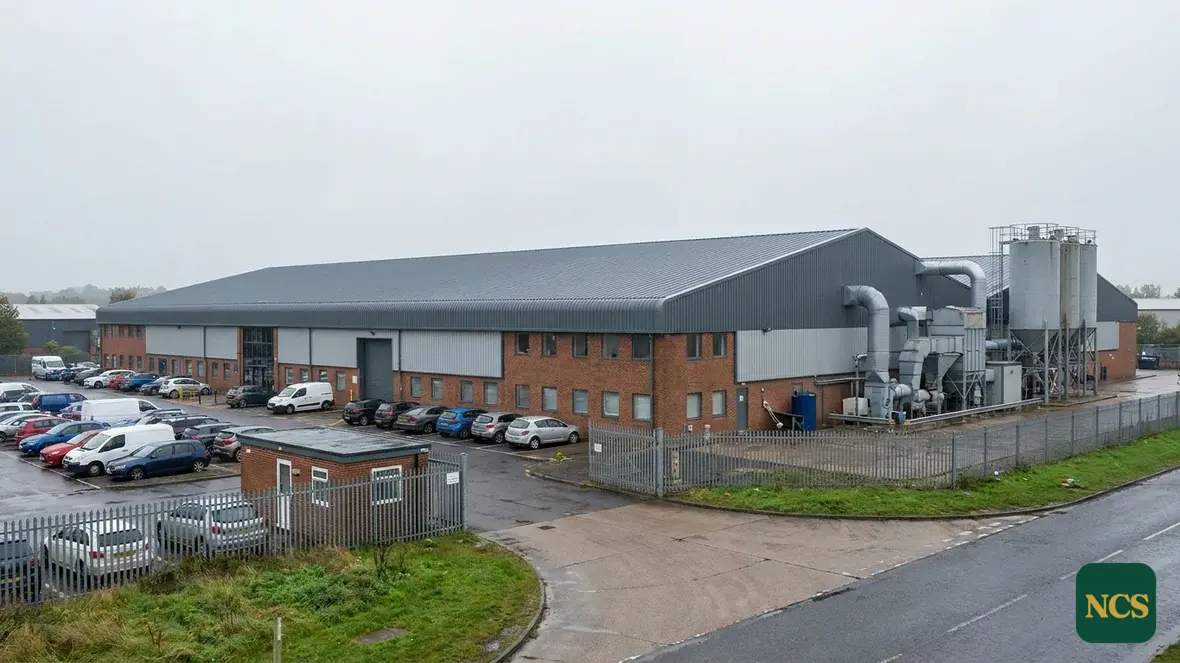
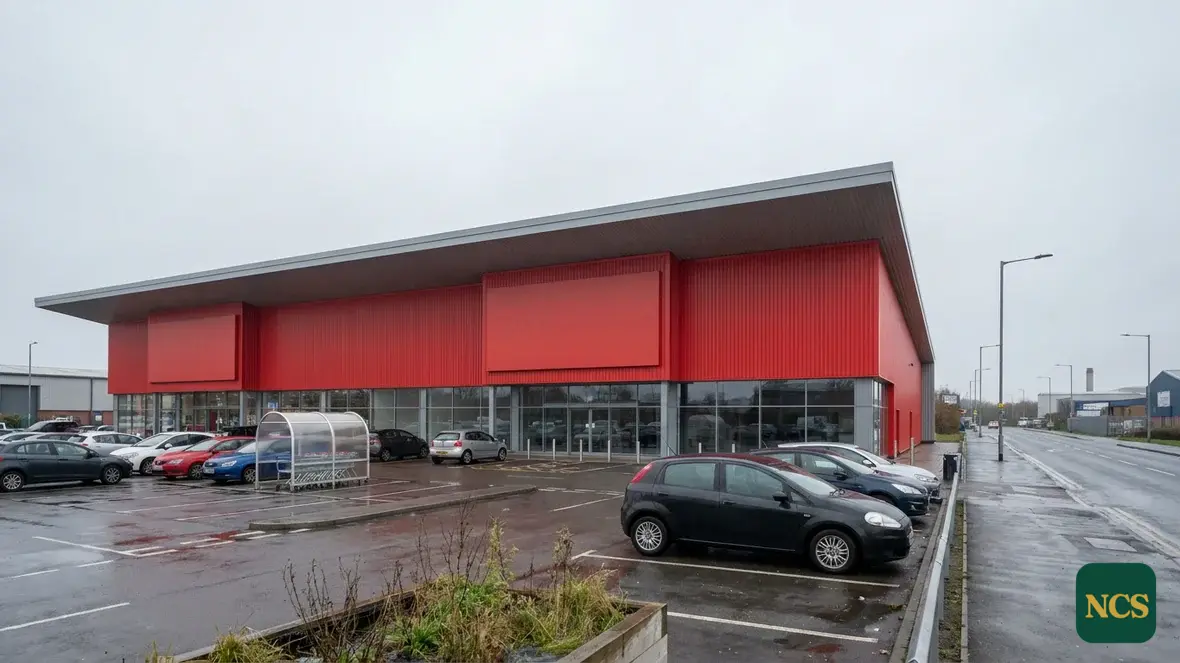
Westminster is not a borough of farm sheds, but profiled metal roofing is everywhere once you look for it: rooftop plant rooms and plant screens above offices and mansion blocks, service yards and loading bays behind retail frontages, depot and workshop buildings on backland sites, storage structures beside the railway. Most of it is coated steel, most of it was cut to length when it was installed, and every one of those cut ends is bare metal that the factory coating never covered.
That is where cut edge corrosion begins. Rust takes hold on the exposed edge, then creeps back underneath the coating, lifting it in flakes as it goes. It shows first as a brown line along gutter edges and sheet overlaps, and it widens every season it is ignored, because each millimetre of lifted coating exposes fresh steel for the next winter to work on.
Why city roofs corrode in their own way
Urban roofs miss the salt spray of the coast but collect problems of their own. Traffic pollution leaves mildly acidic deposits on roof surfaces, which speed up corrosion wherever bare metal is exposed. Gutters and box gutters on plant room roofs fill with leaves, moss and street grime, holding water against the sheet ends for weeks at a time. And because these roofs are out of sight, often several storeys up, nobody looks at them until a stain appears on a ceiling below.
On a plant room or service building in Westminster, that last point is the dangerous one. The roof above a comms room, a switch room or a tenanted floor can be quietly failing for years before anyone notices, and the resulting damage is rarely confined to the metalwork itself.
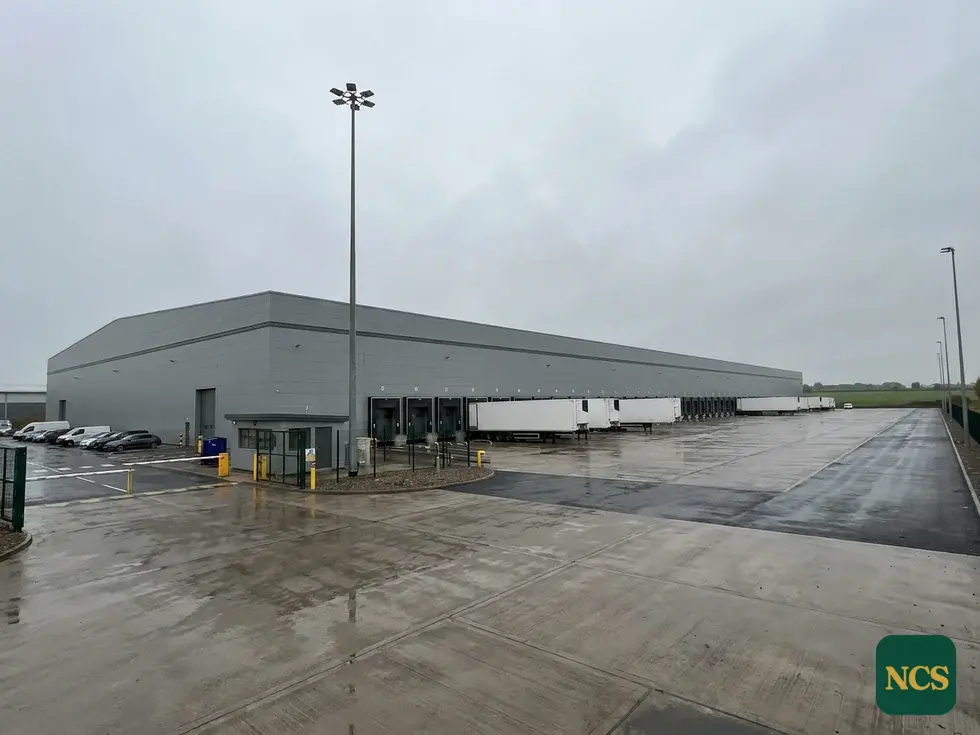
Catch it early and the work stays small
Treated early, cut edge corrosion is precise, contained work. The edges are prepared back to sound steel, the rust is treated, and the sheet ends and laps are sealed with a flexible corrosion-resistant coating. On a sound roof we would usually pair this with a full coating of the sheet faces, so the whole surface is reset in one visit rather than patch by patch over several years.
In central London that matters more than usual, because the expensive part of any roof job here is often the access: getting people and materials safely onto the roof at all. Doing the complete job once, rather than returning every couple of years for the next repair, stops that access cost repeating. Signs worth acting on:
- Brown staining along gutter edges and sheet laps
- Flaking or lifted coating at sheet ends
- Standing water or debris in box gutters
- Rust streaks on walls or pipework below roof level
- Damp patches on ceilings beneath plant areas
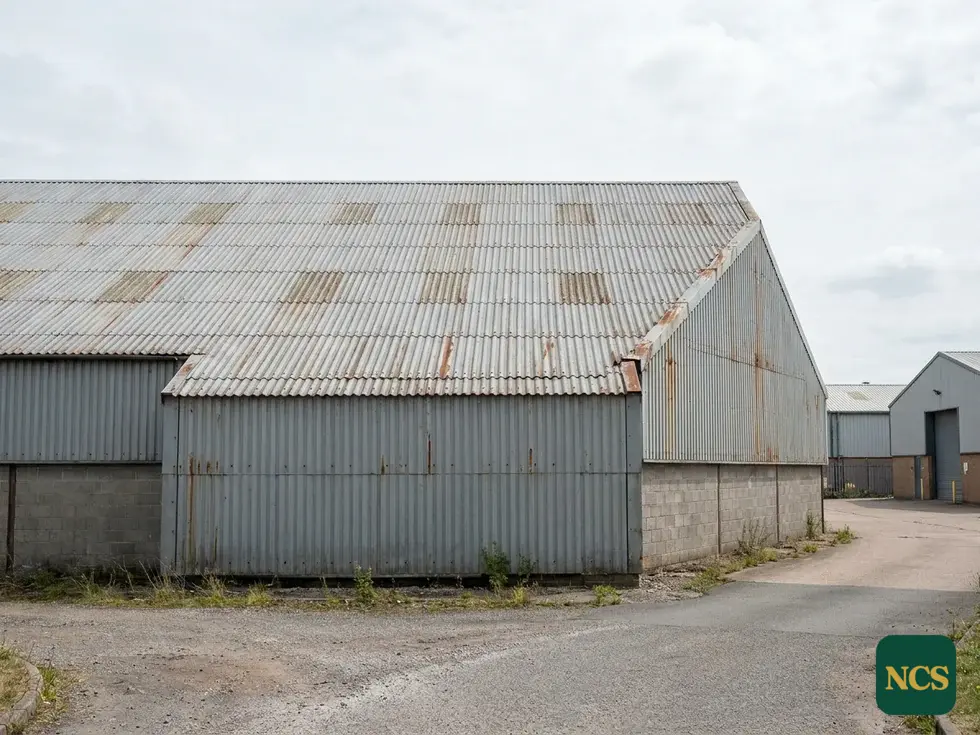
The honest limit of treatment
Not every roof can be saved, and we will not pretend otherwise. Where sheets are perforated, where corrosion has gone through both layers of a lap, or where the metal has thinned so far that fixings no longer bite, coating becomes a cosmetic exercise over a failing structure. The right answer then is sheet replacement or over-sheeting, and our report will say so in plain terms, supported by photographs. We survey before we price for exactly this reason: you should know what the roof actually needs before anyone asks you to commit to anything.
If you manage a building in Westminster with metal roofing somewhere on it, a plant enclosure, a rear addition, a depot or yard building, it is worth having those cut edges looked at before winter. The survey is quick, the findings are set out in writing, and they are yours to act on either way.