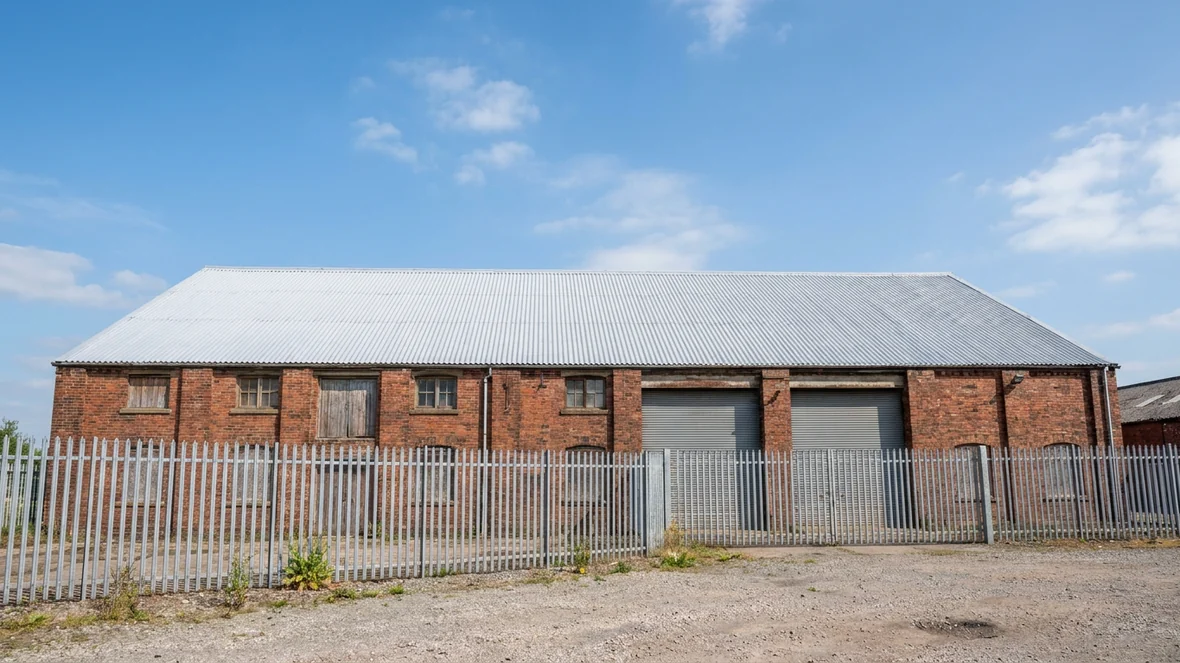
Managing asbestos cement roofs around Lichfield
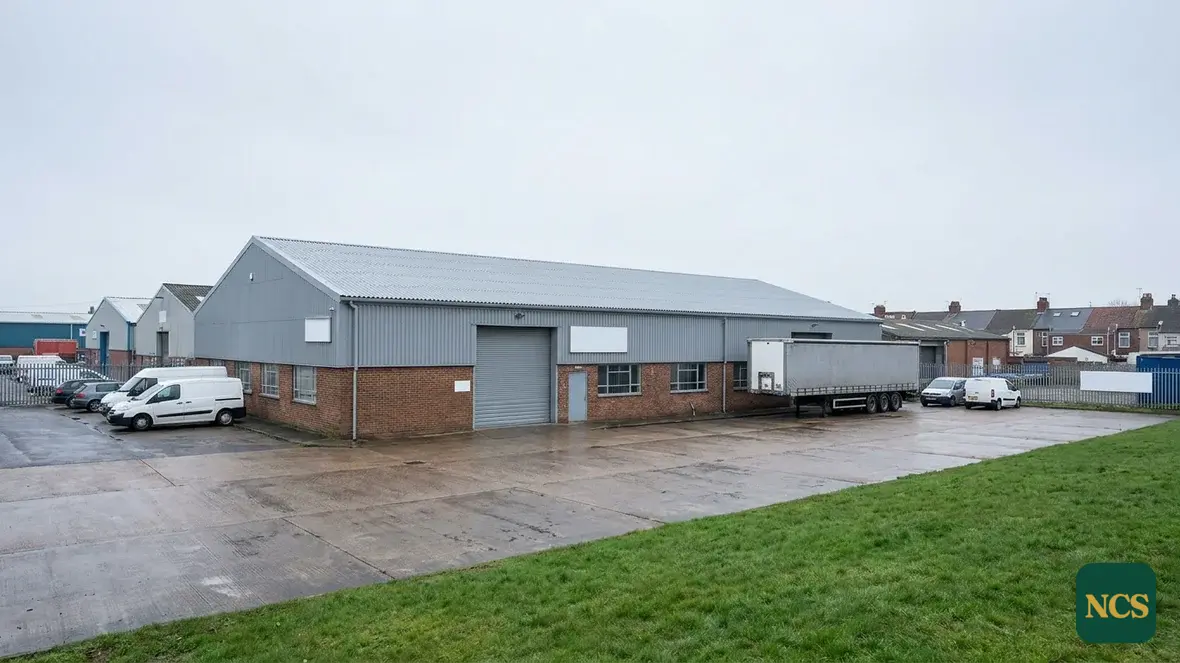
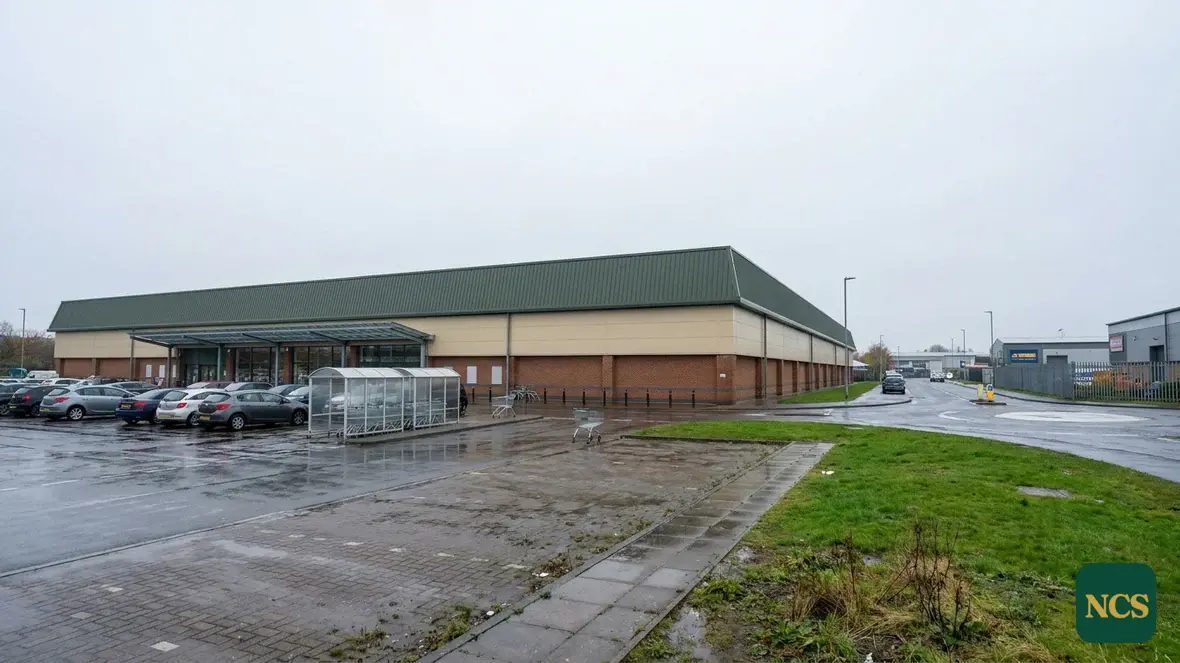
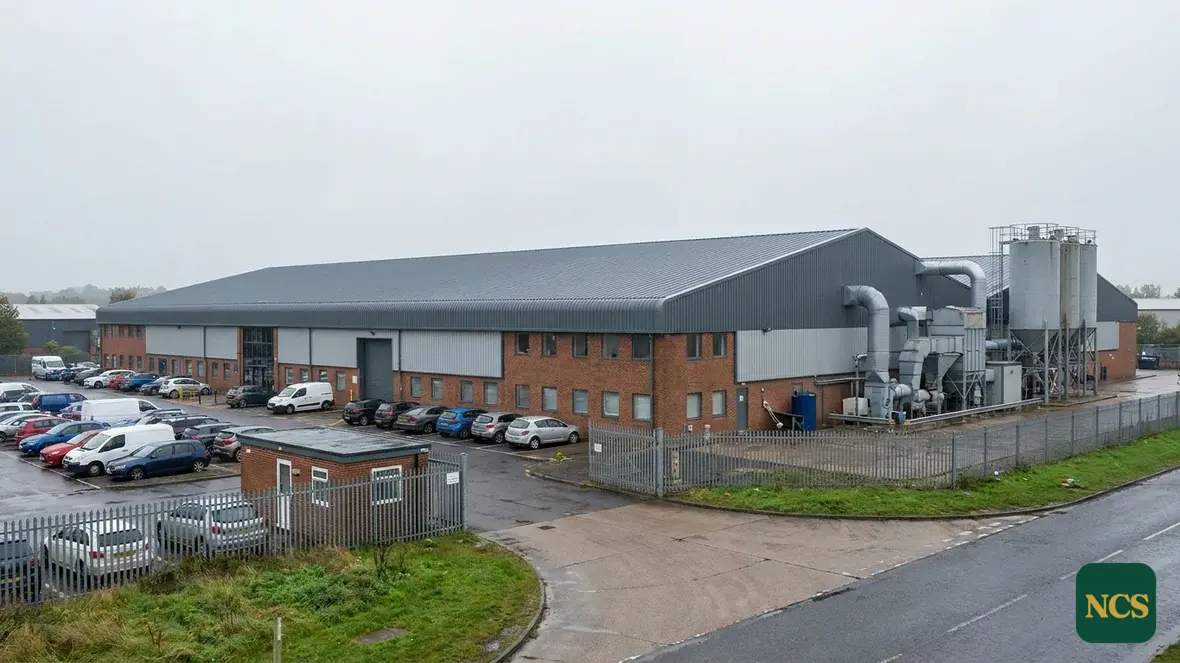
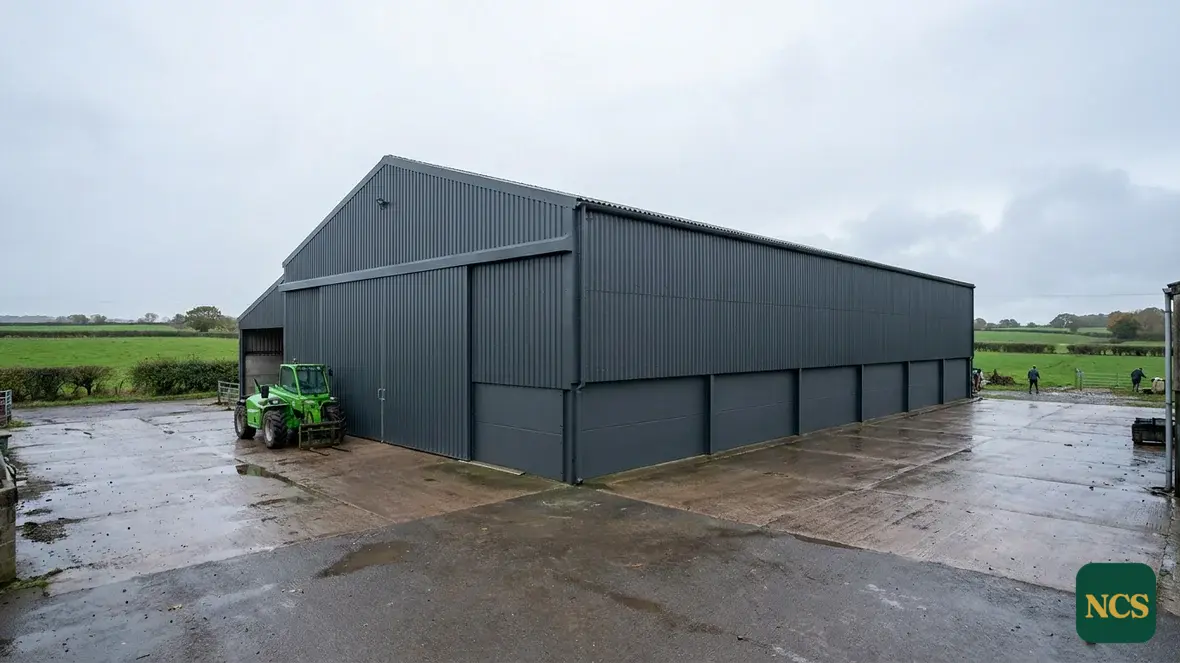
Lichfield’s commercial building stock is a mix of ages, but the workshops, storage units and small industrial premises on the trading estates around the city, along with farm buildings across the surrounding south Staffordshire countryside, include plenty of roofs laid in asbestos cement between the 1960s and the 1980s. The material was standard for its time, and because asbestos was not banned in the UK until 1999, those roofs are now well into middle age. Identification is the first step, since some later grey sheet roofs are non-asbestos fibre cement, and only sampling or strong documentary evidence can tell the two apart. Weathered, mossy and stained these roofs may be, but many remain structurally sound, and a sound asbestos cement roof can be managed in place rather than removed.
Encapsulation as a compliance tool, not just a coating
The Control of Asbestos Regulations 2012 give whoever controls a non-domestic building a duty to manage the asbestos in it: identify it, assess it, plan for it and act on it. Encapsulation answers that duty directly. A specialist elastomeric coating seals the weathered sheet surface, holds the cement matrix together, and sharply reduces the chance of fibre release from normal weathering. Done after a proper survey and recorded in your asbestos management plan, it is a clear, documented management action rather than a cosmetic one.
It is also usually the cheaper path. Stripping a roof means controlled waste handling and disposal, temporary weather protection, new sheeting and significant downtime. Encapsulation avoids most of that, which is why it is often the first option worth pricing for a sound roof.
What the survey covers
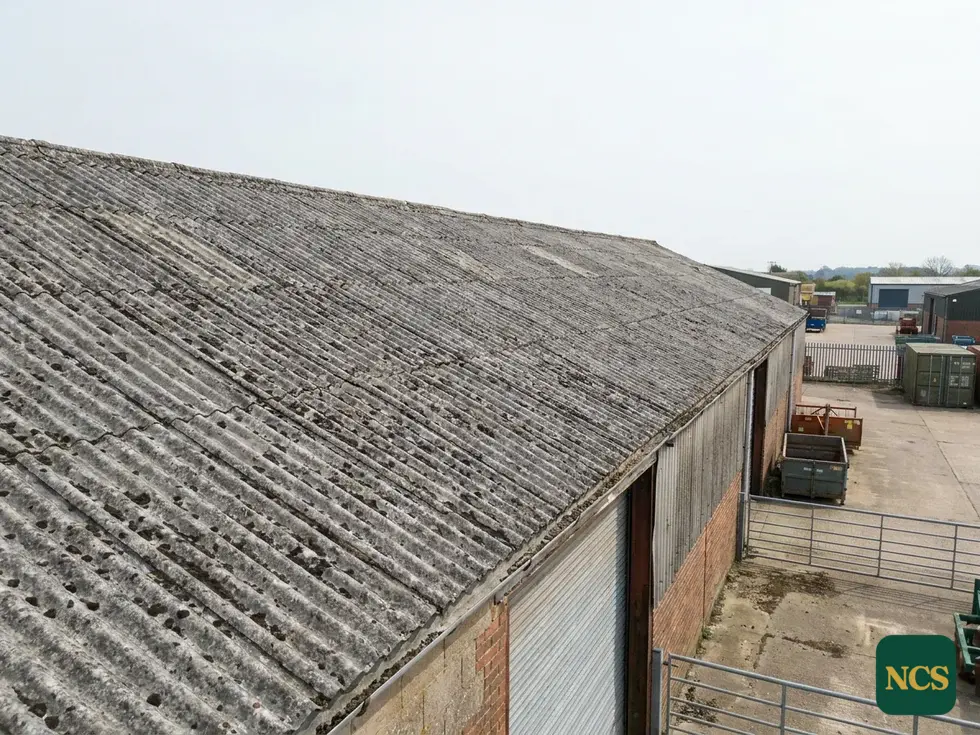
Condition decides everything, so we survey before we price. On a typical roof near Lichfield the inspection records:
- The proportion of sheets that are cracked, holed or patched
- Surface condition: firm matrix or softening, delaminating faces
- Fixings, laps and ridge cappings
- Roof lights, flashings and gutter lines
- Access and structural considerations for safe working
Only when those findings support coating do we move to a specification: a controlled clean, repairs where needed, then the encapsulant applied across the full roof area.
Where encapsulation stops: honesty about removal
Encapsulation cannot fix everything, and pretending otherwise would do you no favours. Roofs with widespread cracking or crumbling sheets, material that proves to be asbestos insulation board rather than cement, fire or storm damage, or supporting structures in poor condition are not candidates for coating. Nor are buildings facing demolition or redevelopment within a few years. In those situations our report will recommend removal instead, carried out by a licensed asbestos removal contractor where the material or method requires one. We would rather give you that answer at survey stage than coat a roof that should never have been coated.
From the South East to Staffordshire
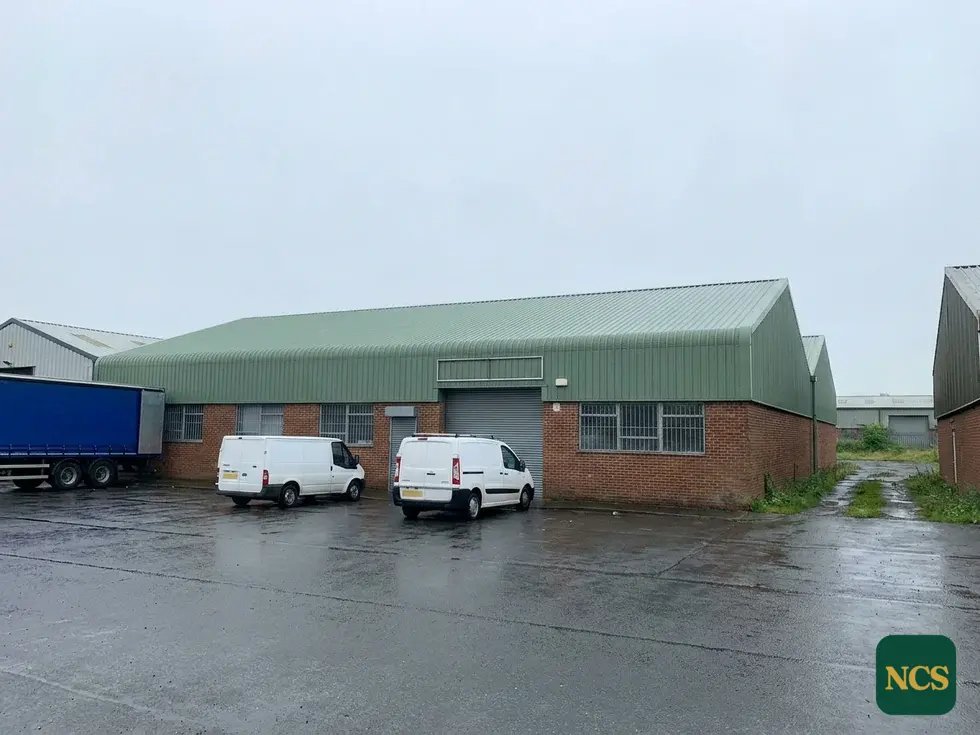
National Coating Specialists is a survey-led exterior coating contractor based in the South East and working throughout England. Lichfield and the surrounding area are comfortably within our coverage, and every project there follows the same sequence: inspect the roof, report honestly on its condition, and encapsulate only where the sheets are sound. The report sets out condition, suitability and a recommended course of action in plain terms, so it is useful to you even if you take the work no further. If you hold the duty to manage for a building with an ageing cement fibre roof, a documented condition survey is the logical place to start.