Cladding spraying in Lichfield
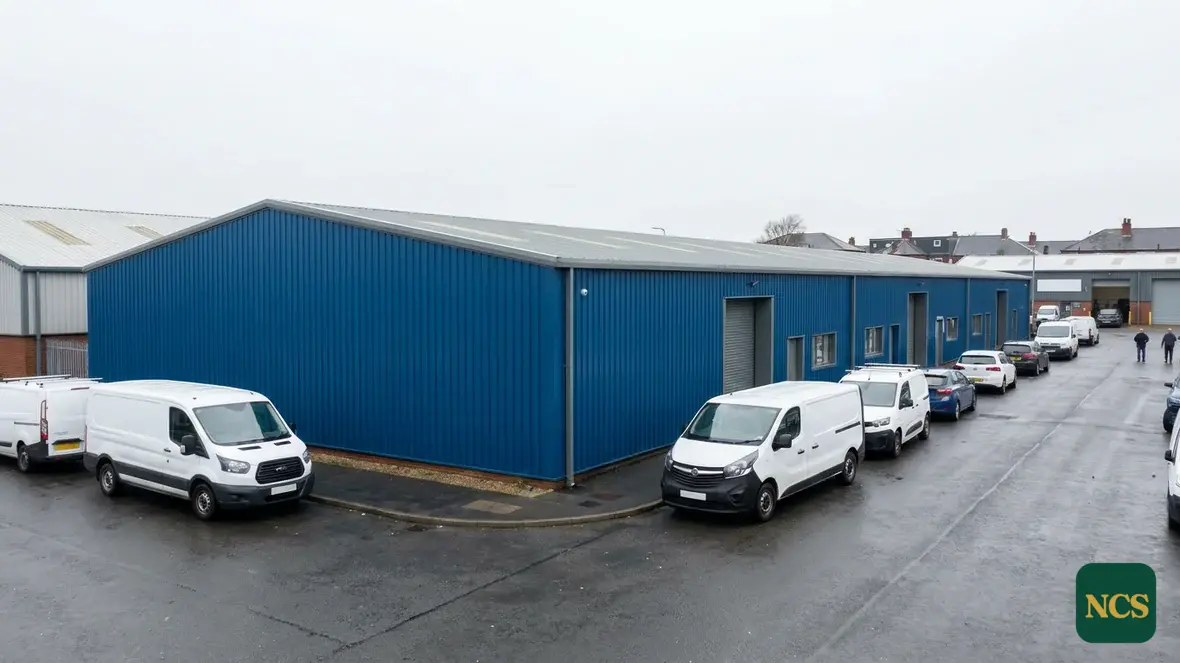
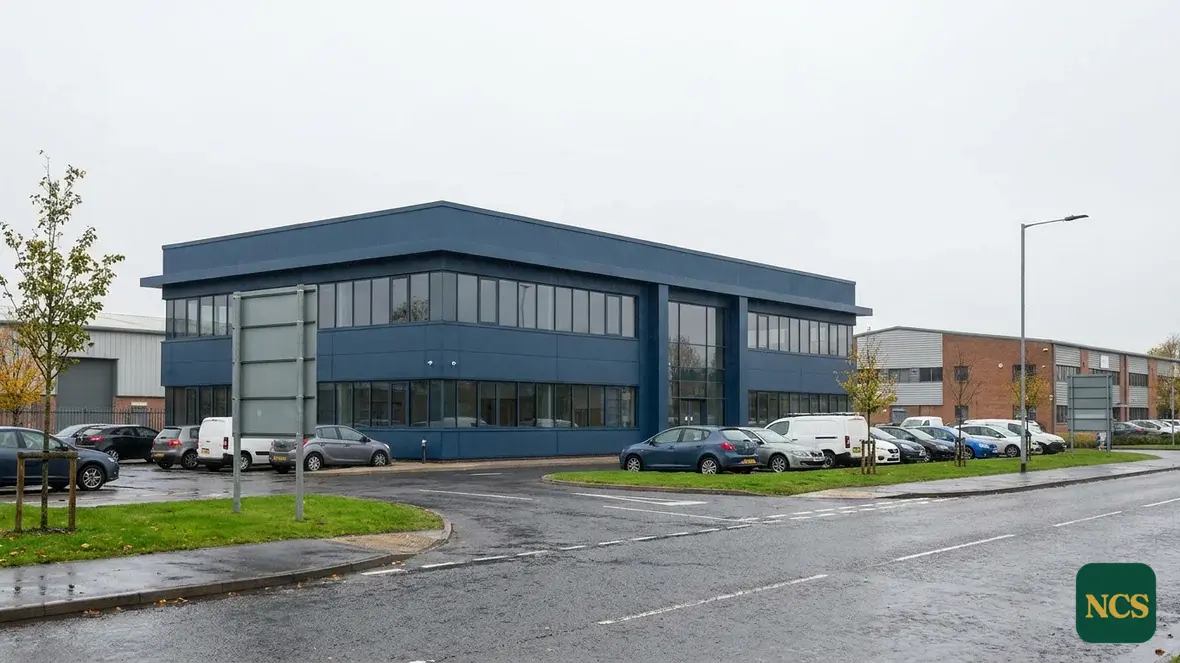
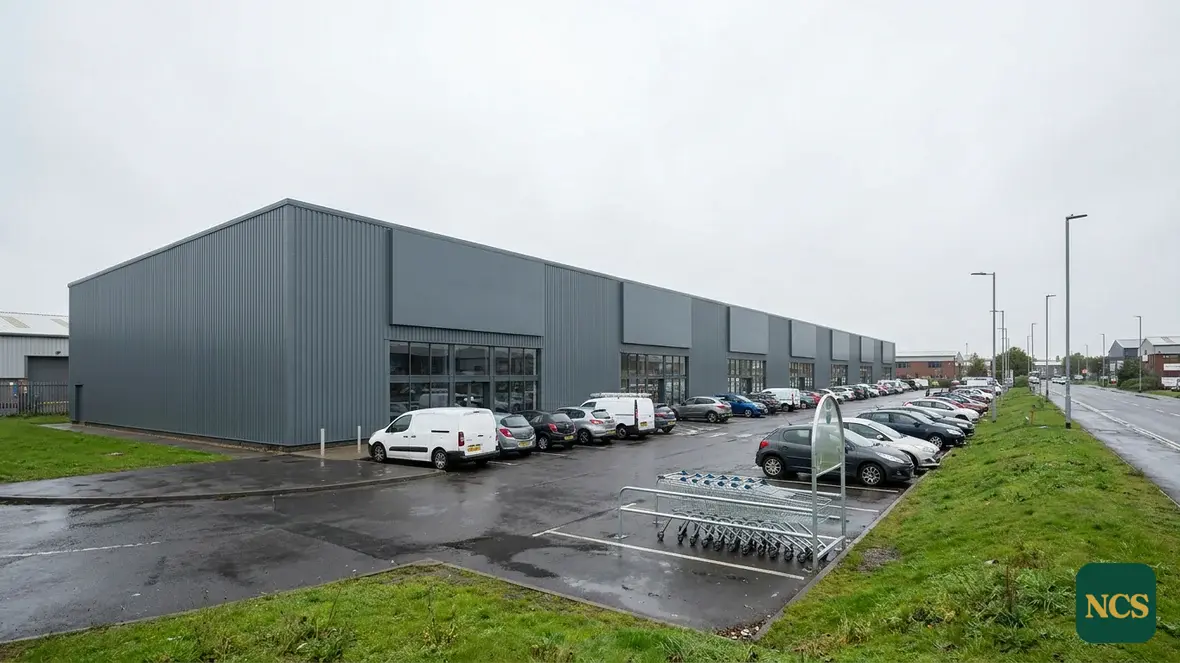
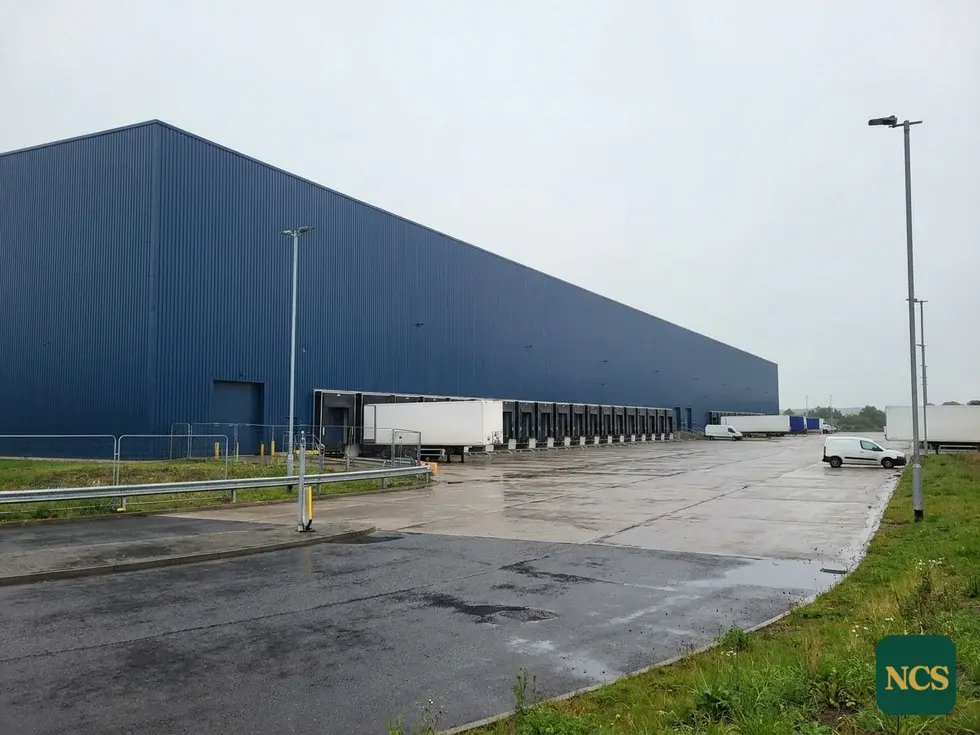
Lichfield is a small city on a hard-working stretch of the Midlands. We mostly spray cladding on the commercial buildings strung along the A38 and A5 corridors and the business parks around the city. We’re talking about units whose profiled steel or composite facades have faded, chalked, or started rusting at the edges but are still structurally sound. A good respray on site renews the finish without the expense and disruption of recladding.
Our method is survey-led, always. We inspect the building before we price it. The specification we write comes from what that inspection finds, not from some standard template. If both need attention, we can cover walls and roof sheets in the same survey.
Cladding sprayers who skip the washdown and edge treatment leave Lichfield buildings with a finish that chalks early. Ours do not skip it.
A small city on a busy corridor
Staffordshire’s southern edge carries a dense mix of distribution units, trade parks, manufacturing buildings, and depots. A lot of it was built from the 1980s onwards using coated steel. With the Birmingham conurbation immediately to the south, the area also holds plenty of older clad stock on long-established estates, now well past the life of its original finish.
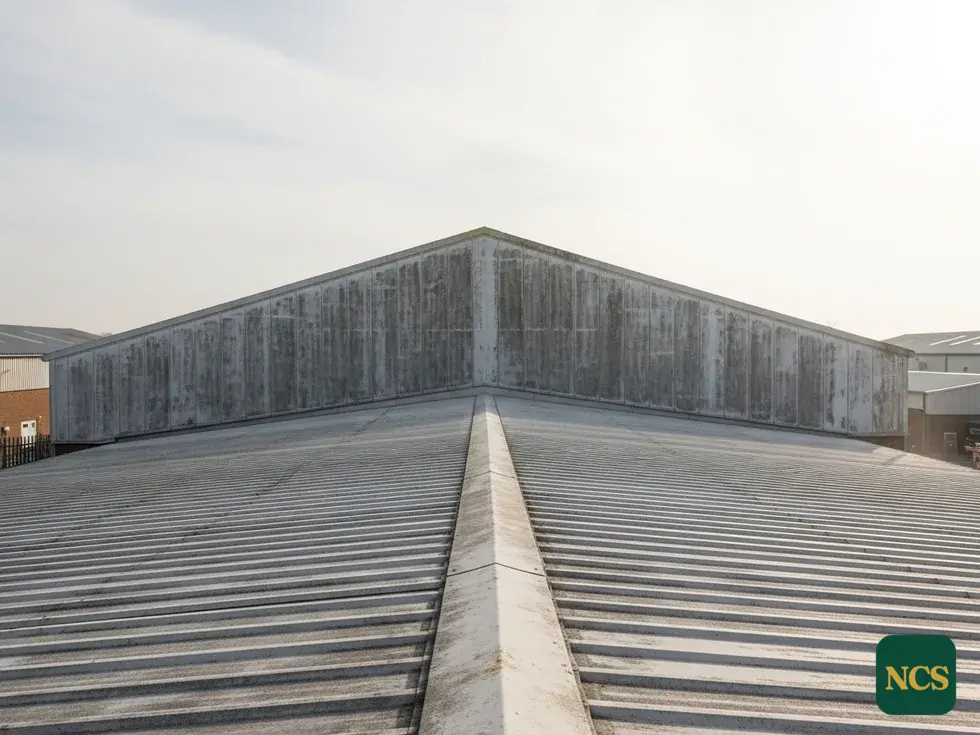
The symptoms are consistent: colour that has dulled unevenly, a chalky film that transfers to your hand, and rust tracing along the sheet ends where the factory coating never fully protected the cut steel. None of these mean the cladding has failed. They mean its coating has.
For businesses on these corridors, the facade works as advertising whether anyone intends it to or not. Thousands of vehicles pass a unit on the A38 every day. A faded, rust-streaked elevation says something to every one of them. A recoat in a sharp, current colour scheme changes that message for a small fraction of what the building itself cost.
How the survey shapes the job
A survey settles what the building actually needs:
- The substrate, and how firmly the existing coating still holds to it.
- Corrosion mapped edge by edge, not estimated from the ground.
- Repairs to sheets, flashings, sealants, and fixings before recoating.
- Access, masking, and programme constraints around a working site.
- The preparation and coating system the conditions call for.
The work then follows that written specification in order, finishing with an elevation-by-elevation check before handover. We use the same approach whether we’re in Tamworth, Cannock, Burton upon Trent, or Birmingham itself. If a site stays operational during the work, we sequence the programme around deliveries, parking, and opening hours. The survey records all of that in advance.
A straight answer on what spraying cannot fix
We are equally clear about the limits. Spraying cannot restore steel that corrosion has gone through, hold together composite panels that are delaminating, or compensate for fixings that have failed. Where the survey finds those conditions, the report recommends repair or replacement first. The coating proposal waits or is withdrawn. The distinction we draw is between cosmetic failure, which spraying addresses well, and structural failure, which it must never be used to hide.
That honesty occasionally costs us a job. It also means that when we do recommend spraying, the recommendation is worth something.
Why we put the survey before the quote
The quiet advantage of a survey-led contractor is that surprises get found early, while they are still information rather than invoices. Condition, preparation, and scope are established before anyone commits. The finished work is checked against the same written specification it was agreed on. You also keep a record of the building’s condition that is useful well beyond the coating decision, for maintenance planning and for any future sale or letting.
If a clad commercial building in or around Lichfield is starting to look tired, an inspection will tell you whether spraying is the right answer, and exactly what the job involves if it is.