Commercial wall coating in Lichfield
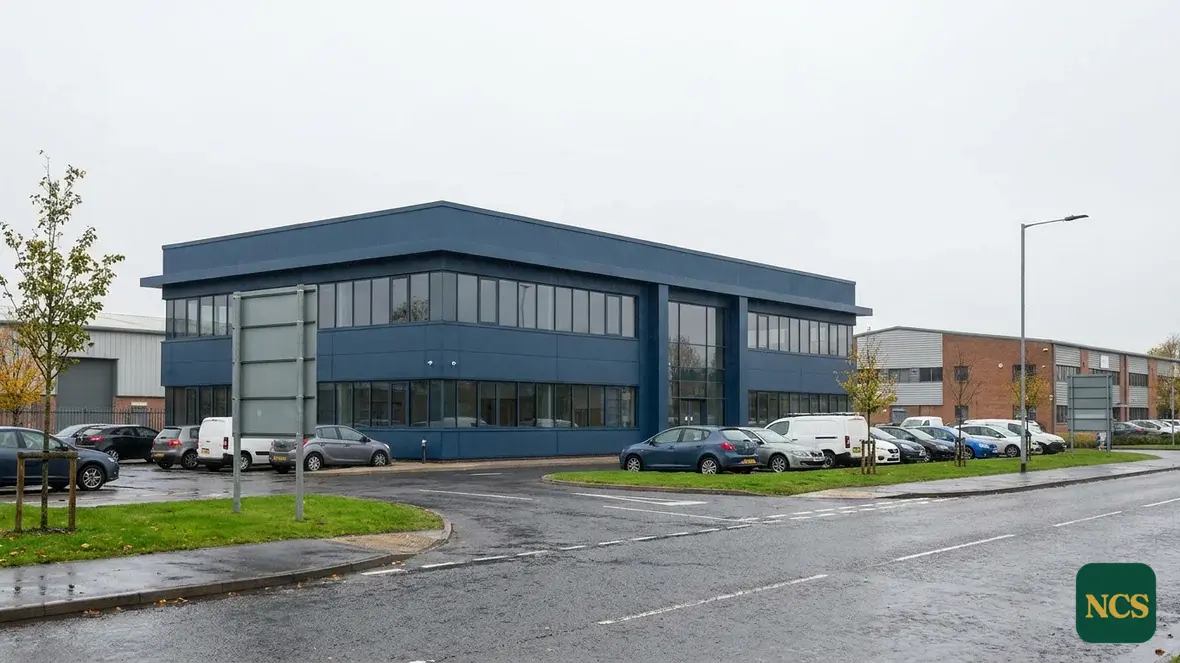
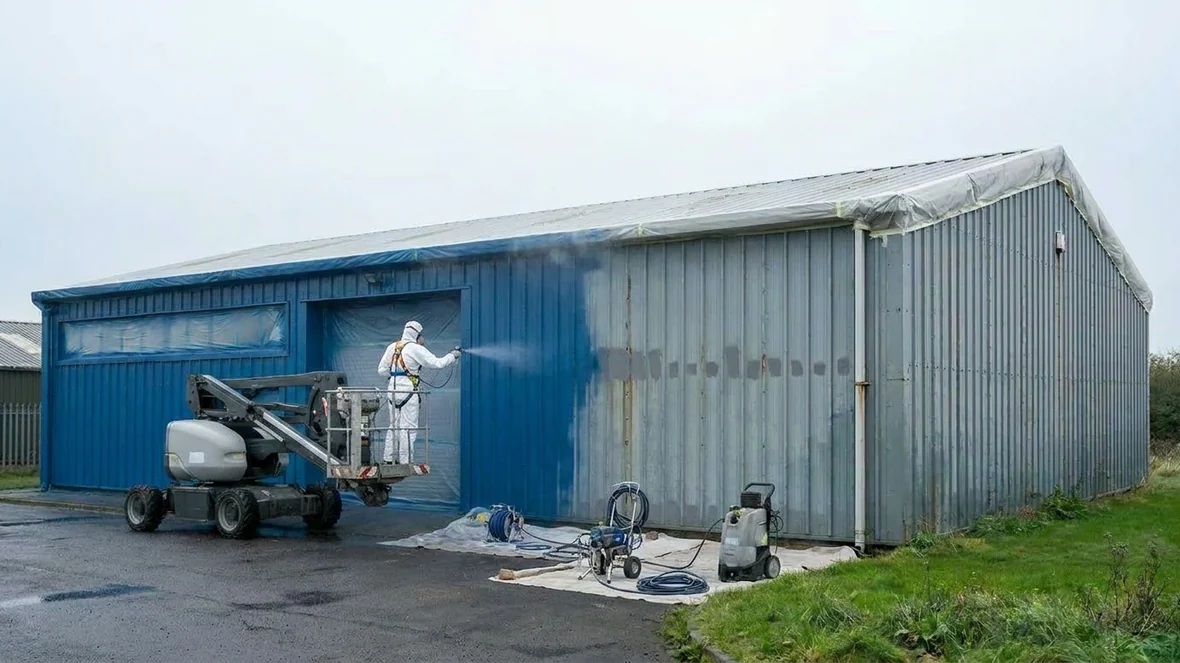
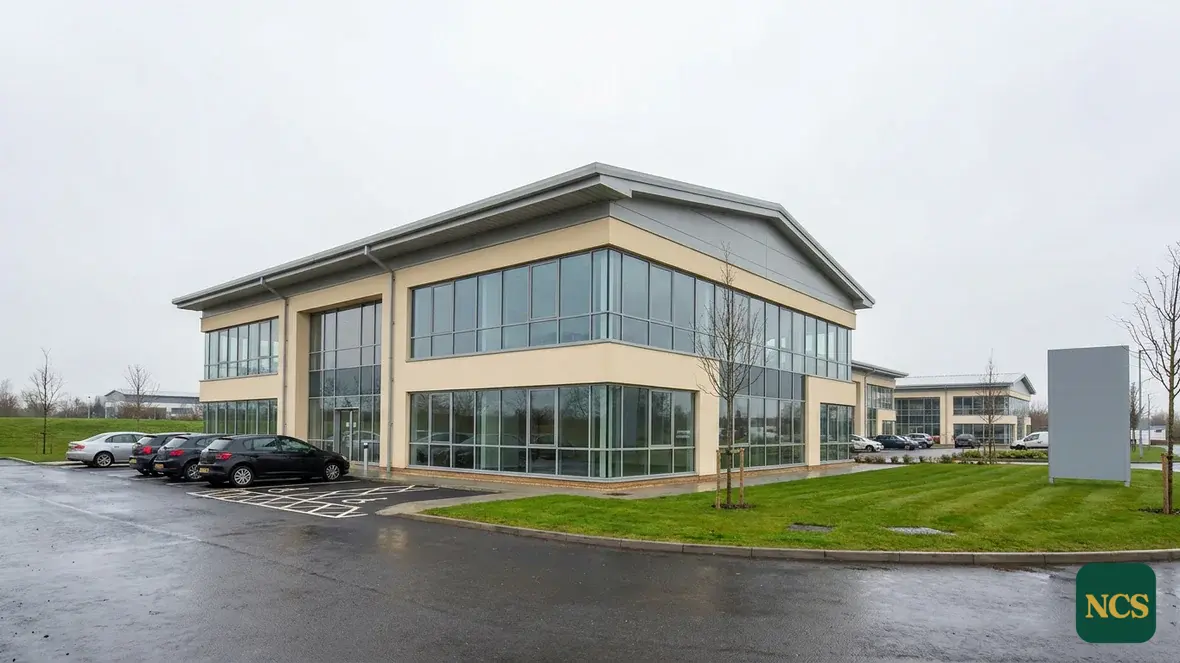
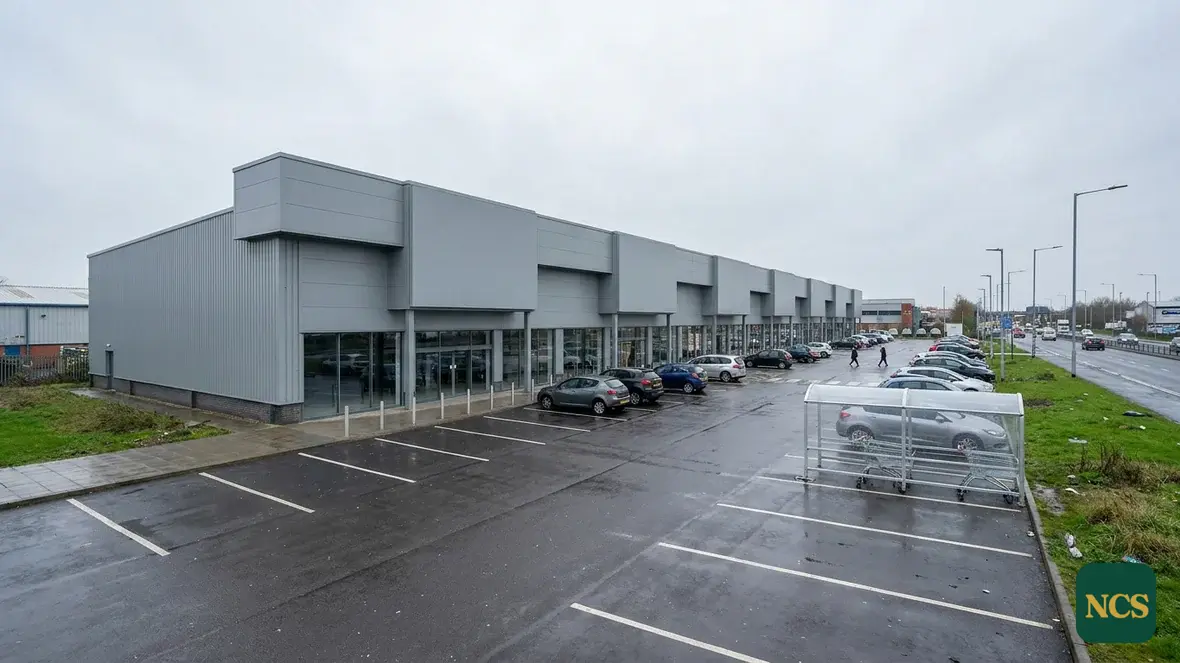
Lichfield might be a small cathedral city, but the commercial buildings here work just as hard as any in the region. We see everything from shop fronts and offices in the historic centre to the spread of trade and light industrial units on the estates between the city and Birmingham. Commercial wall coating in Lichfield needs to handle both ends of that scale. On the older trading streets, we deal with painted brick and rendered upper storeys that have been patched and repainted over the years. Out on the edge-of-town units, it’s often faded, chalking finishes and weather-worn gables. In every single case, the rule is always the same: the coating only works if it matches the substrate, and we only know the substrate once we’ve properly surveyed the building.
Typical buildings in this corner of Staffordshire
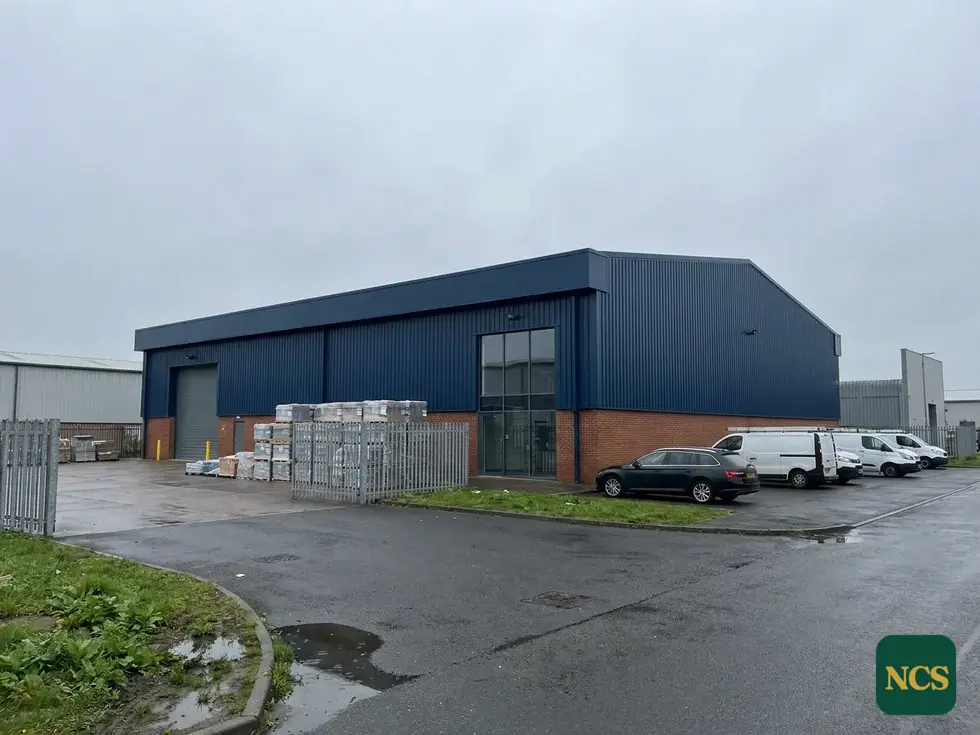
Around here, the building stock is mostly brick. We see rendered uppers above shopfronts in the centre, post-war and modern commercial infill, and steel-framed units with masonry or rendered elevations on the surrounding estates. Across this part of Staffordshire, the problems we keep running into are familiar ones: hairline cracking and crazing in sand and cement render, porous brick on exposed elevations, previous paint systems failing in layers, and organic growth on shaded faces that never quite dry out. None of this is exotic, but each issue demands a different preparation and product choice. That’s why the condition findings matter more than the colour chart when we start a project.
How the work is planned around a trading building
Most commercial premises can’t just down tools for redecoration. The planning is just as critical as the painting itself. After our survey, we build the programme around how your building actually operates:
- Survey findings first: what’s the substrate, what are the moisture readings, and what condition notes do we have for each elevation?
- Repairs get scheduled and finished before any coating stage even begins.
- Access is matched to the site. That means scaffold, towers, or powered access, whatever the job needs.
- We sequence the work around opening hours, deliveries, and customer entrances.
- Weather windows and curing times are built into the programme. We don’t just cross our fingers and hope.
That structure travels with us across the area. Premises in Tamworth, Cannock, Burton upon Trent, and Birmingham are all planned and surveyed on the exact same basis as a building two streets from the cathedral.
The enquiry might say painting or coating. On a Lichfield wall the answer is the same: survey first, repair what needs it, then a system specified for the substrate.
The value of a contractor who surveys first
A survey-led contractor gives you three things a price-per-metre quote never can. First, evidence: you get actual moisture readings and condition notes from your own walls, not just assumptions based on a photograph. Second, an honest repair schedule, agreed before we even start. That way, the project doesn’t suddenly sprout extra costs halfway up the scaffold. Third, a specification that makes sense, where every product we put on your wall can be traced back to a finding in our survey. For an owner or managing agent, that paperwork is also what makes quotes comparable. Two prices for the same written specification mean something; two prices for two different guesses mean nothing at all.
And the honest caveat
Not every wall in Lichfield should be coated. Masonry that’s wet because of defective gutters or flashings needs those faults cured and the wall dried out before any system goes on. Older solid-wall buildings near the historic core might be better repointed and left breathable. And anything listed or in the conservation area needs consent sorted before we even think about specification. Render that has debonded across large areas needs removal, not just another layer over the top. If our survey finds any of this, we’ll tell you before you commit. A coating sold over a known defect fails early, and an early failure costs both of us more than the truthful answer would have.