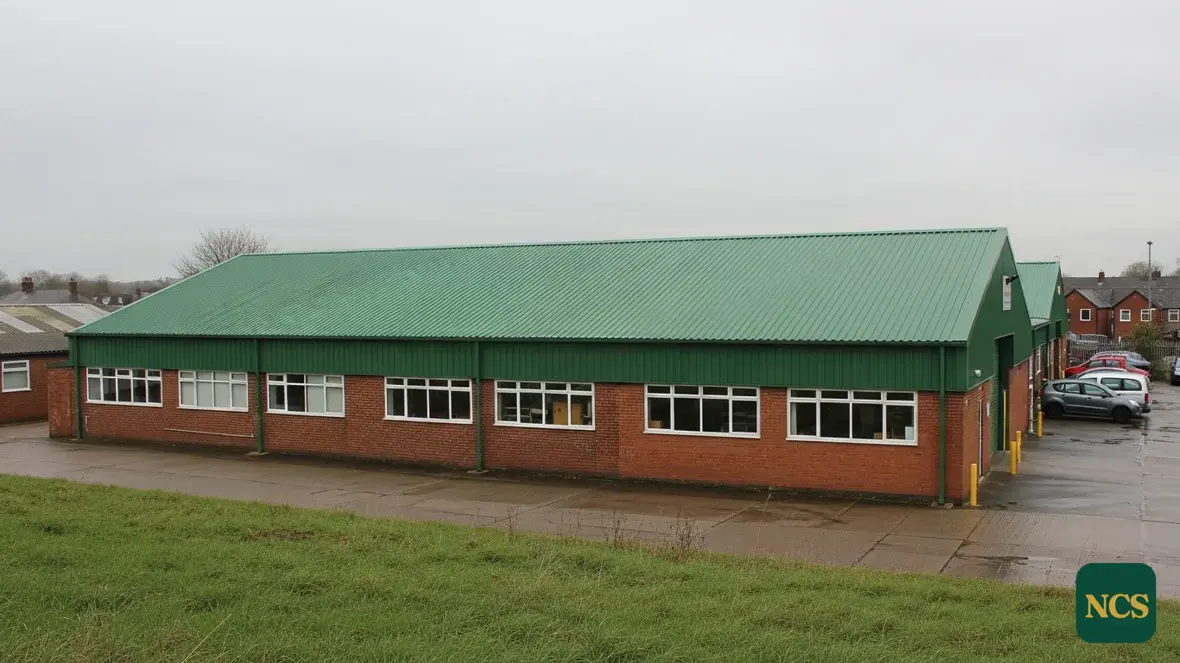
Why so many roofs around Newark-on-Trent contain asbestos
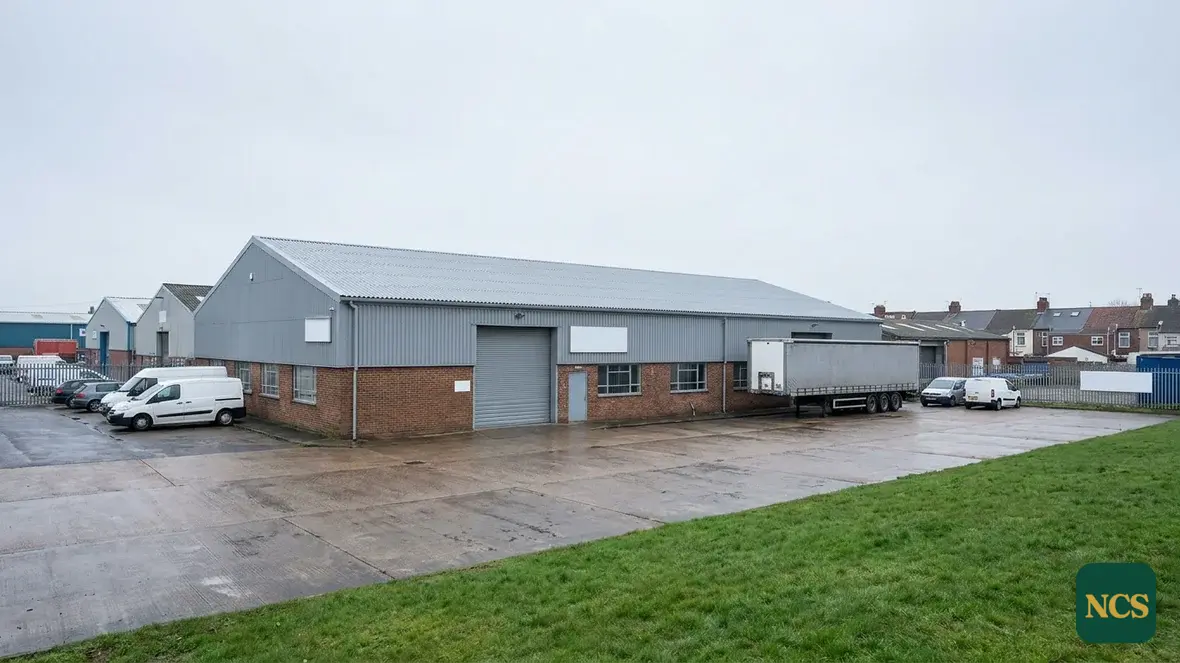
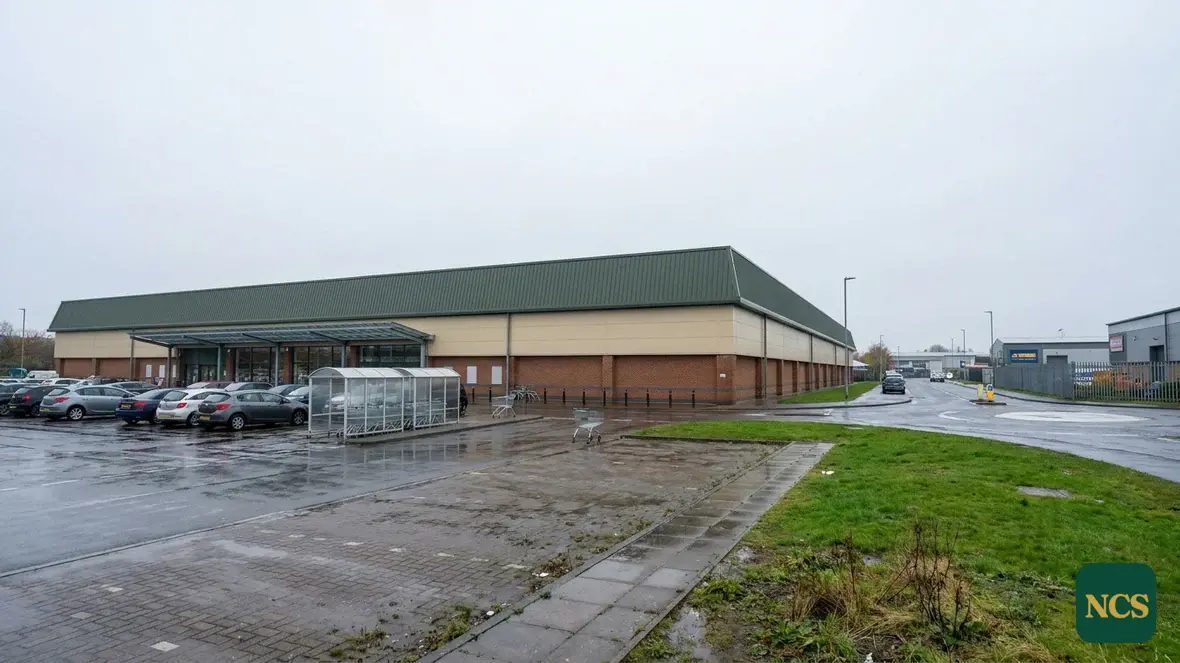
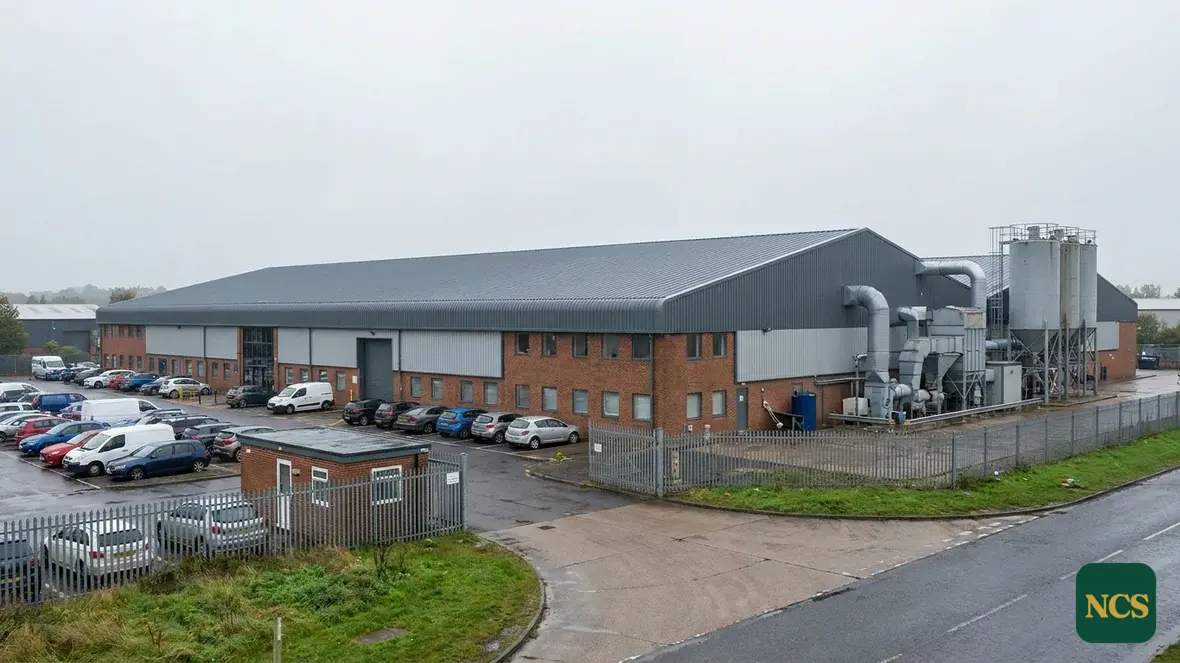
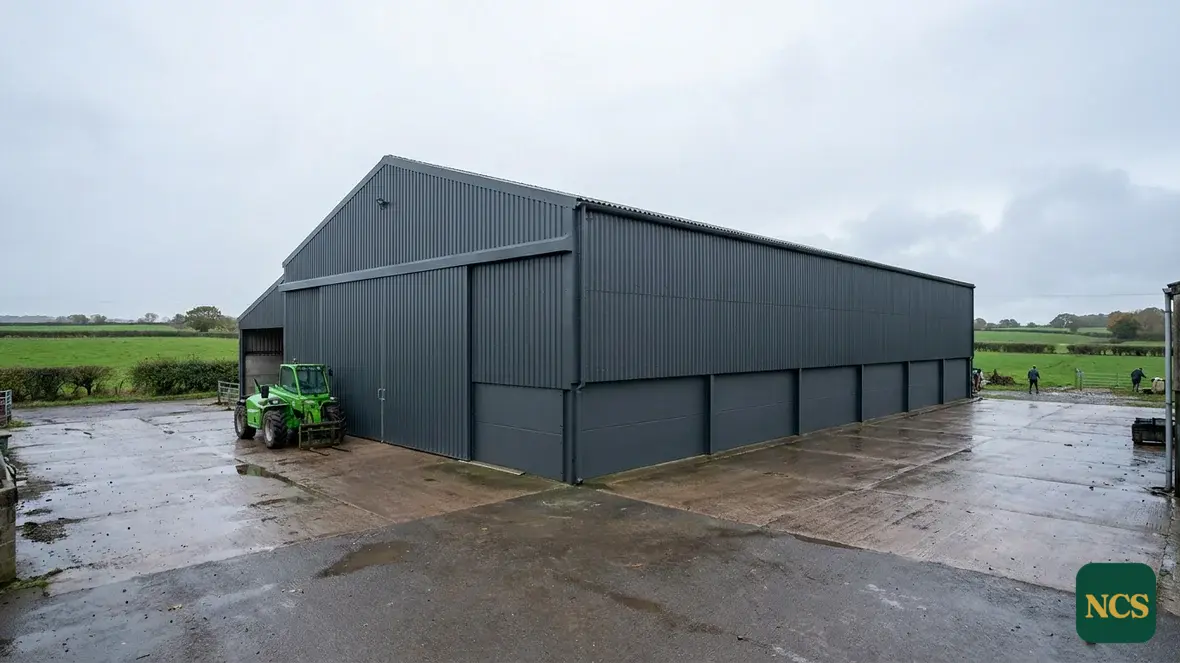
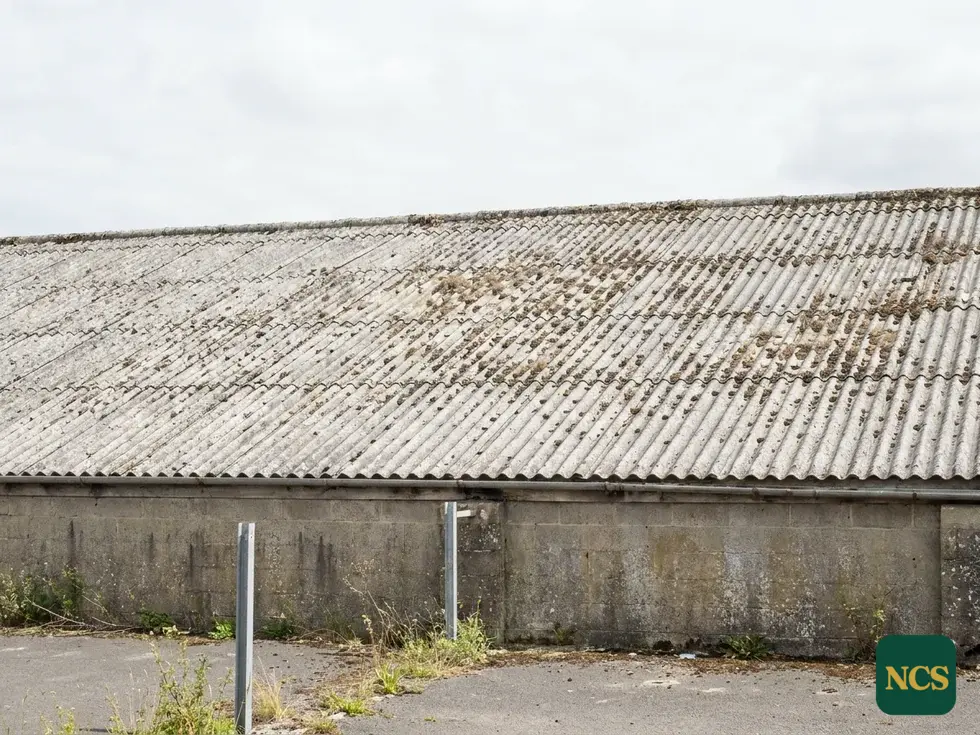
From the 1950s to the 1980s, asbestos cement was the cheapest reliable way to roof a working building, and the area around Newark-on-Trent used plenty of it. Grain stores, barns and machinery sheds across the surrounding Nottinghamshire farmland, units on the town’s trading estates, and storage and workshop buildings near the A1 corridor all commonly carry profiled cement sheet from that period. The UK did not ban asbestos until 1999, so a roof of that vintage should be presumed to contain it unless testing proves otherwise.
Age alone does not condemn these roofs. Many remain weathertight and structurally sound, and under the Control of Asbestos Regulations 2012 a sound asbestos roof can lawfully be managed in place. Encapsulation is how that is done well.
Encapsulation and the duty to manage
Regulation 4 of CAR 2012 requires whoever controls non-domestic premises to identify asbestos-containing materials, assess their condition and manage the risk through a written plan. The plan should record where the material is, what state it is in, and what you have decided to do about it, then be reviewed as conditions change. Encapsulation fits that framework: a specialist coating seals the weathered sheet surface, reduces fibre release from normal erosion, and extends the roof’s working life. Because the work follows a documented survey, it also gives the duty holder dated evidence of action, which is exactly what an assessor or insurer will want to see.
What the work involves on a sound roof
Encapsulation is not a paint job, and treating it like one is where poor work comes from. On a sound roof the sequence runs:
- A sheet-by-sheet condition survey with a written report
- Controlled cleaning to remove moss and contamination without disturbing fibres
- Repairs to fixings, laps, flashings and minor sheet damage
- Attention to roof lights and gutter lines before coating
- An elastomeric encapsulant applied across the full roof area
The result for a farm building or industrial unit near Newark-on-Trent is a sealed, weatherproof roof, kept in service without the waste handling, downtime and cost of a full strip and re-sheet.
When we advise removal instead of coating
Some surveys end with a recommendation we do not profit from, and that is how it should be. If sheets are extensively cracked, soft or delaminating, if damage from storms or impacts is widespread, if the material is asbestos insulation board rather than cement, or if the building’s structure or future makes coating poor value, encapsulation is the wrong tool. Those roofs need removal, carried out by a licensed asbestos removal contractor where the material requires it, and our report will direct you accordingly. Sealing a failing roof does not manage the risk; it hides it, and the regulations exist to prevent exactly that.
A survey-led contractor covering Nottinghamshire and beyond
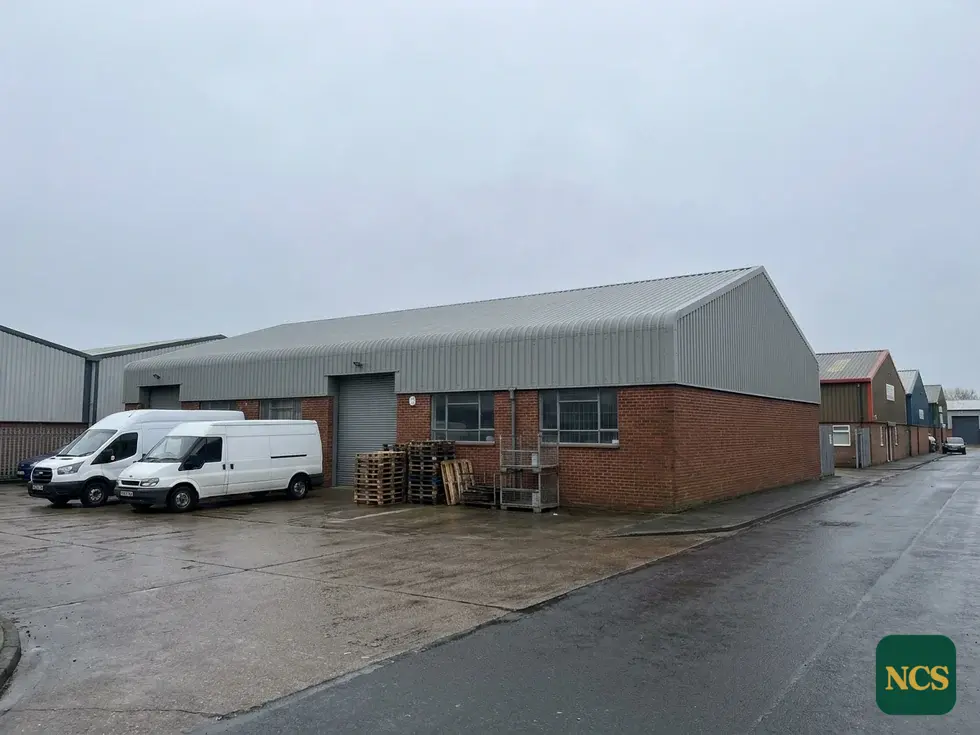
National Coating Specialists is based in the South East and carries out asbestos roof encapsulation throughout England, with Newark-on-Trent and the wider Nottinghamshire area well within reach. We start with the survey, report honestly on what we find, and coat only the roofs that deserve coating. It also gives you a baseline: even if you choose to defer the work, a dated condition report shows you have engaged with the duty rather than ignored it. If your building dates from the asbestos cement decades and the roof has never been formally assessed, that assessment is the first sensible step.