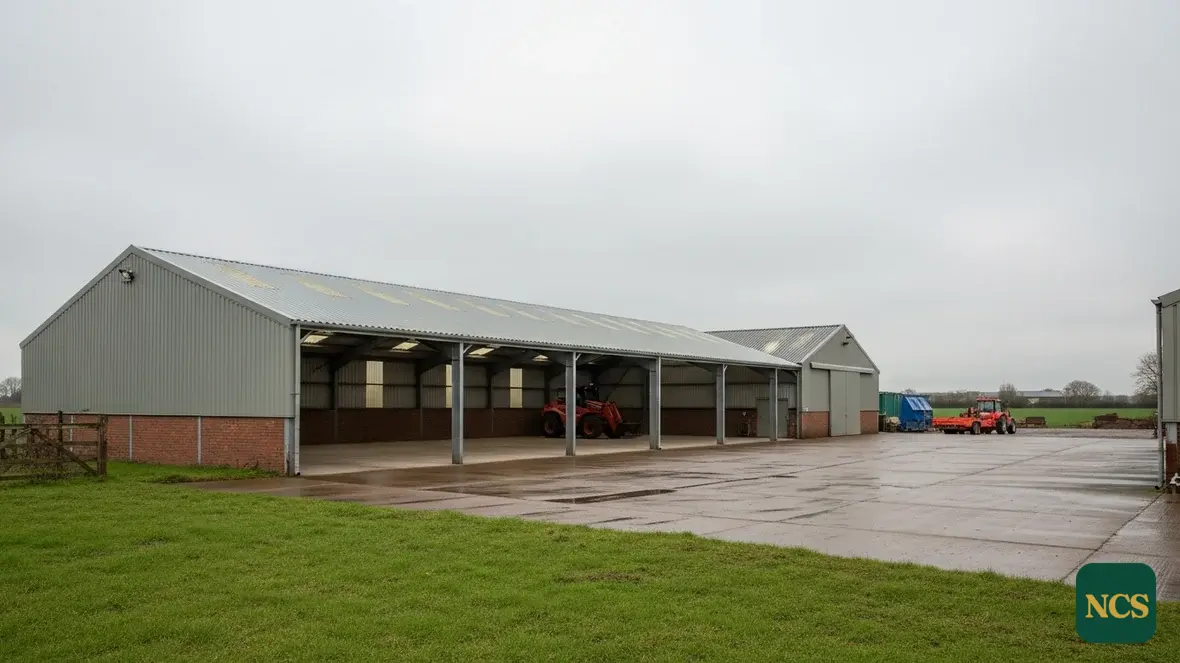
Grain country asks a lot of its buildings. Around Newark-on-Trent, the arable land that follows the Trent Valley carries steel portal frame grain stores, machinery sheds and older mixed-use barns that have been earning their keep for decades. Few of them were built to look smart; they were built to keep crops and kit dry. The exterior finish is what makes that possible, and once it starts chalking, peeling or rusting along the cut edges, the real question is which option, repair, coat or replace, buys the most working life for the least money.
The building stock we see on arable farms
Holdings around Newark-on-Trent and the wider Nottinghamshire and Lincolnshire border country tend to run on big, plain sheds: profiled steel cladding on grain stores, open-fronted machinery bays, Dutch barns sheeted over the years, and a fair number of asbestos-cement roofs dating from the middle of the last century. We provide agricultural building coatings for all these types. Each fails in its own way. Factory-finished steel usually goes first at cut edges, laps and fixings, where rust creeps under the coating and lifts it. Asbestos cement does not rust, but it weathers porous, grows moss and becomes brittle. A coating system chosen for one is wrong for the other, which is why we never quote from a photograph.
Working to the harvest clock
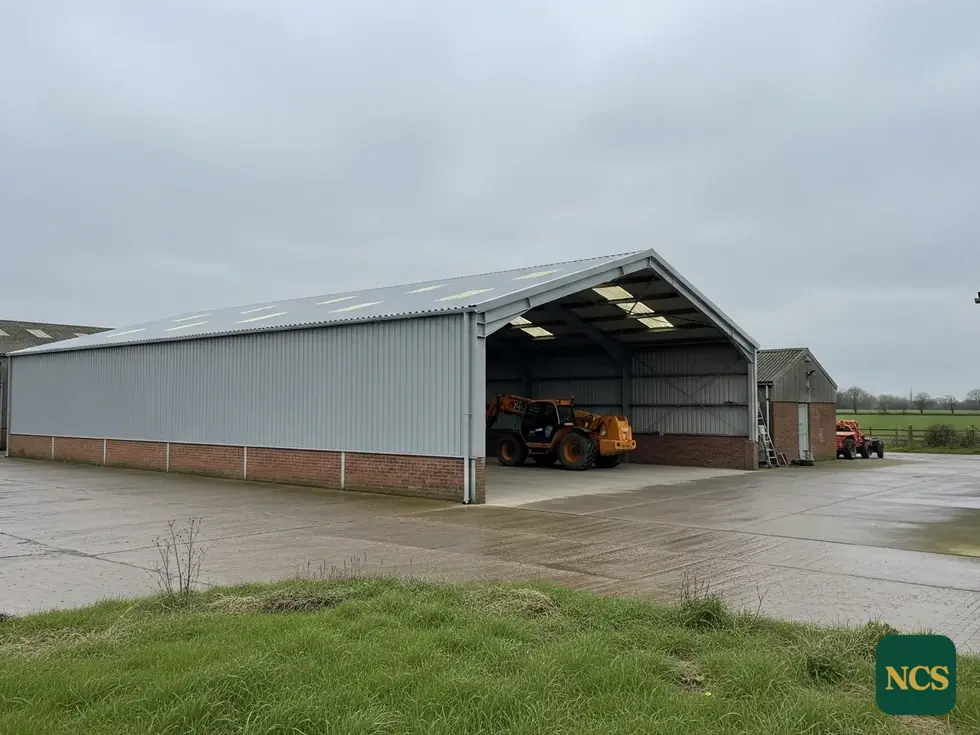
The farm calendar shapes every programme we plan in this part of the country. A grain store is the clearest case: once it is full, no owner wants spray equipment, ladders and contractors anywhere near it, and the weeks before harvest are spent emptying and cleaning rather than hosting trades. Exterior coating on grain stores therefore tends to sit in a fairly narrow window, and we plan for it rather than pretend otherwise. Machinery sheds are more forgiving, but drilling, spraying and harvest all pull kit in and out of them at short notice, so we agree access and movement plans before anyone sets up. Autumn and winter dates can suit some buildings, but cold metal, damp air and short days limit what cures properly, so we will say when a date is wrong rather than simply take it. The aim is simple: the work fits the farm, not the other way round.
When coating is the wrong answer
A coating is a protective skin, not a structural repair, and we will say so plainly. If steel sheets have corroded right through, if fixings have failed across whole runs, or if an asbestos-cement roof has gone soft, cracked or started delaminating, then coating it is money spent dressing up a failure. In those cases replacement or overcladding is the honest recommendation, and we would rather lose the job than coat a roof that should come off. The opposite is also true: a newer shed with its factory finish still intact usually does not need us yet, and we will tell you when to look again instead of selling you something early.
Survey first, then a straight recommendation
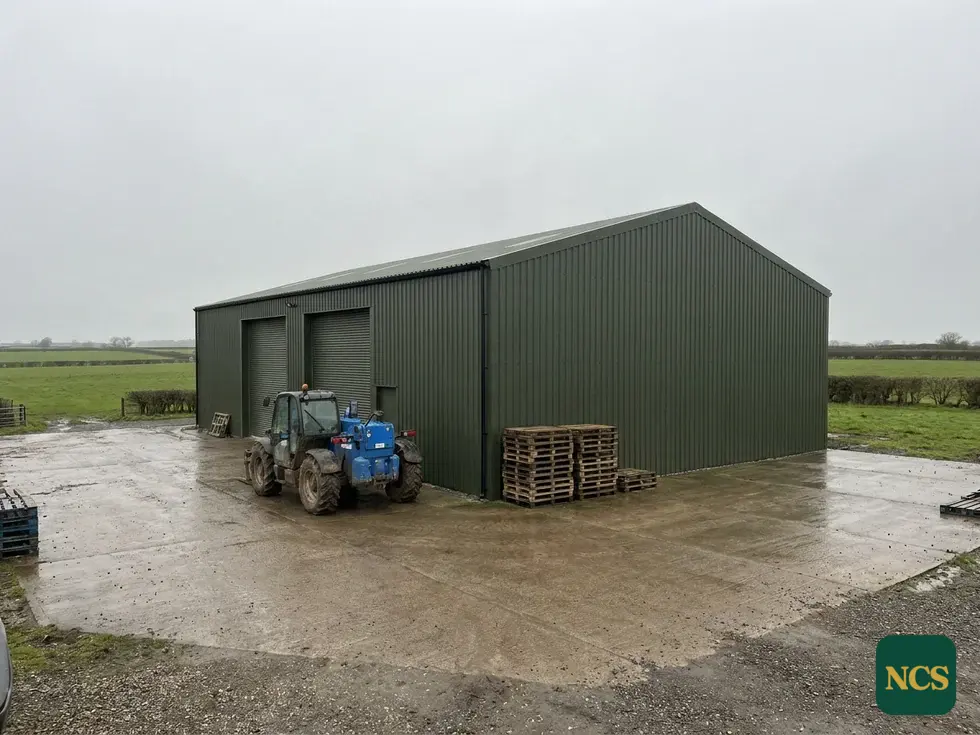
Every job starts with a proper condition survey rather than a guess. We are based in the South-East and work across the UK, so visits to Nottinghamshire are planned properly, and the survey has to earn its mileage by being thorough. On a typical arable holding near Newark we will look at:
- Sheet condition, cut-edge corrosion and the state of laps and fixings
- Asbestos-cement roofs: surface weathering, brittleness and previous repairs
- Gutters, valley details and rainwater goods, where most leaks actually start
- Moss, algae and surface contamination that would stop a coating bonding
- Access, yard space and how the work fits around stock and machinery movements
What you get back is a written picture of what is sound, what needs repair before coating, and what is past saving, with the reasoning shown rather than asserted. If the numbers favour coating, you will know why. If they favour replacement, you will hear that too, because a recommendation you can check is worth more than a quote you have to take on trust.