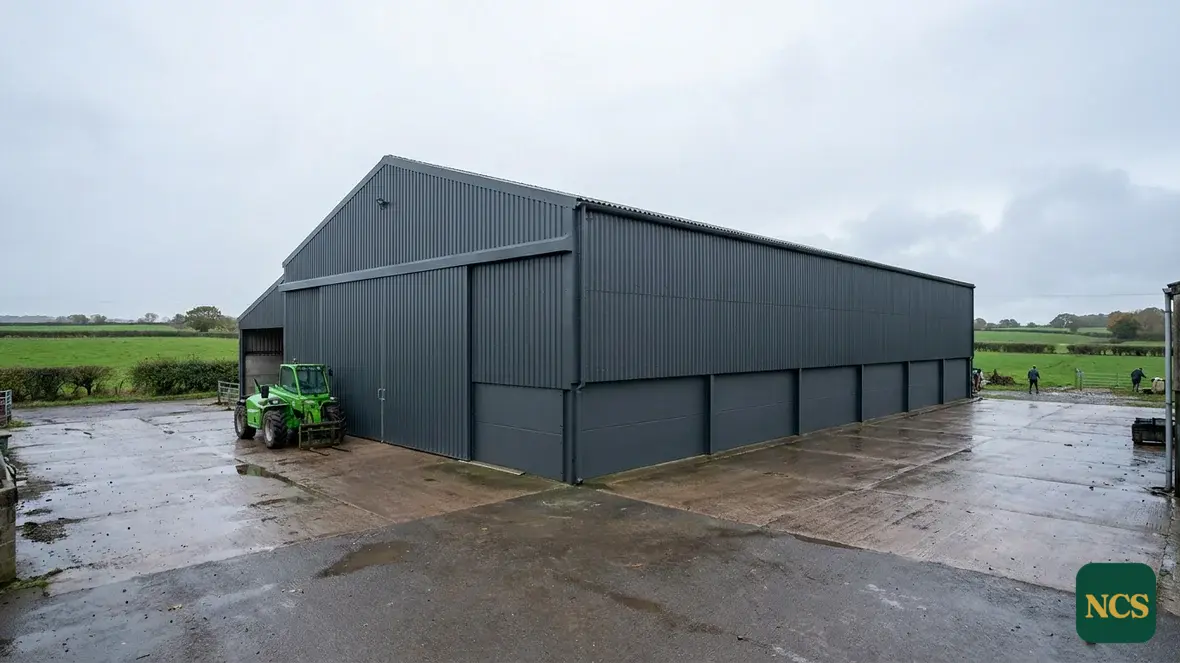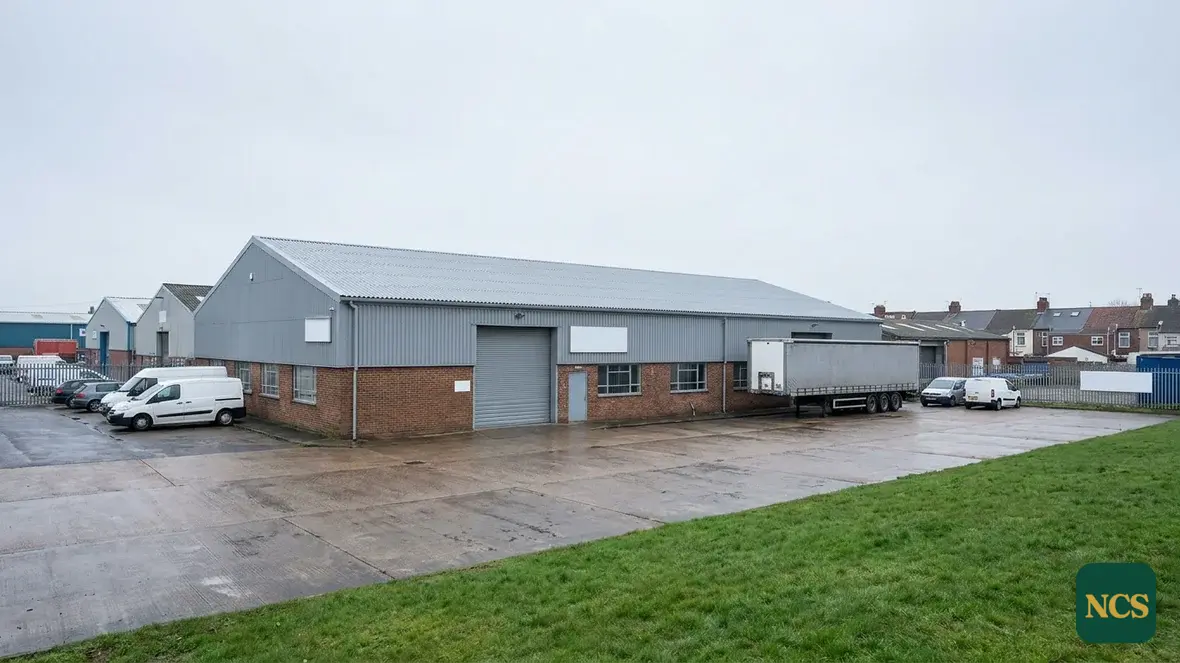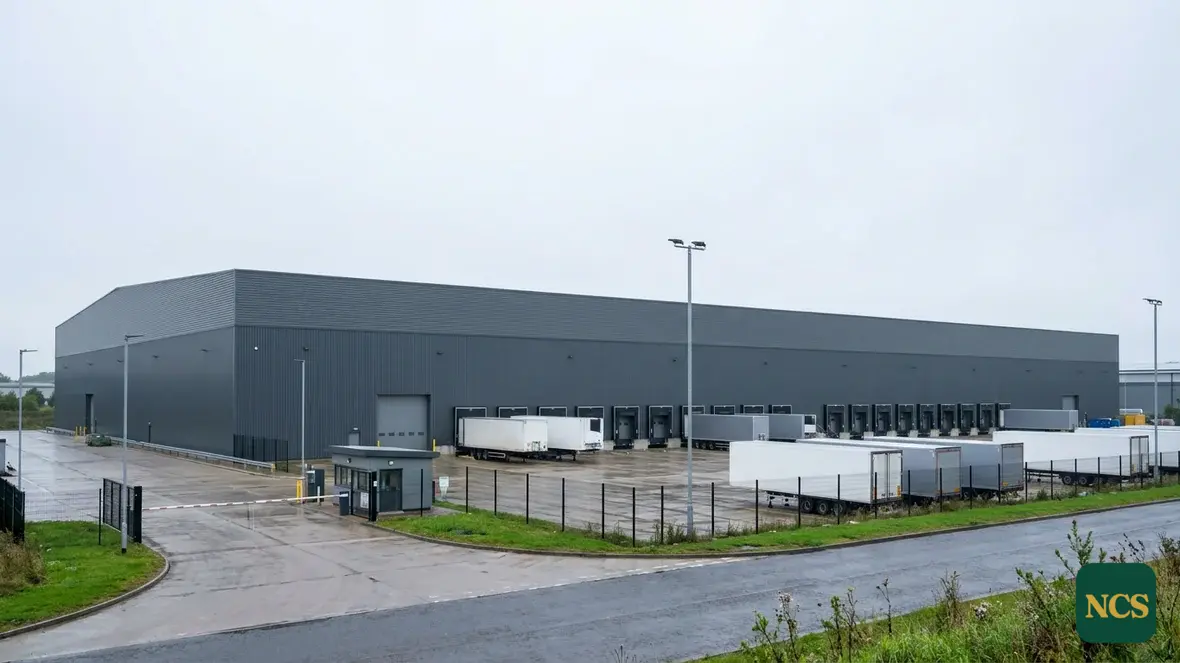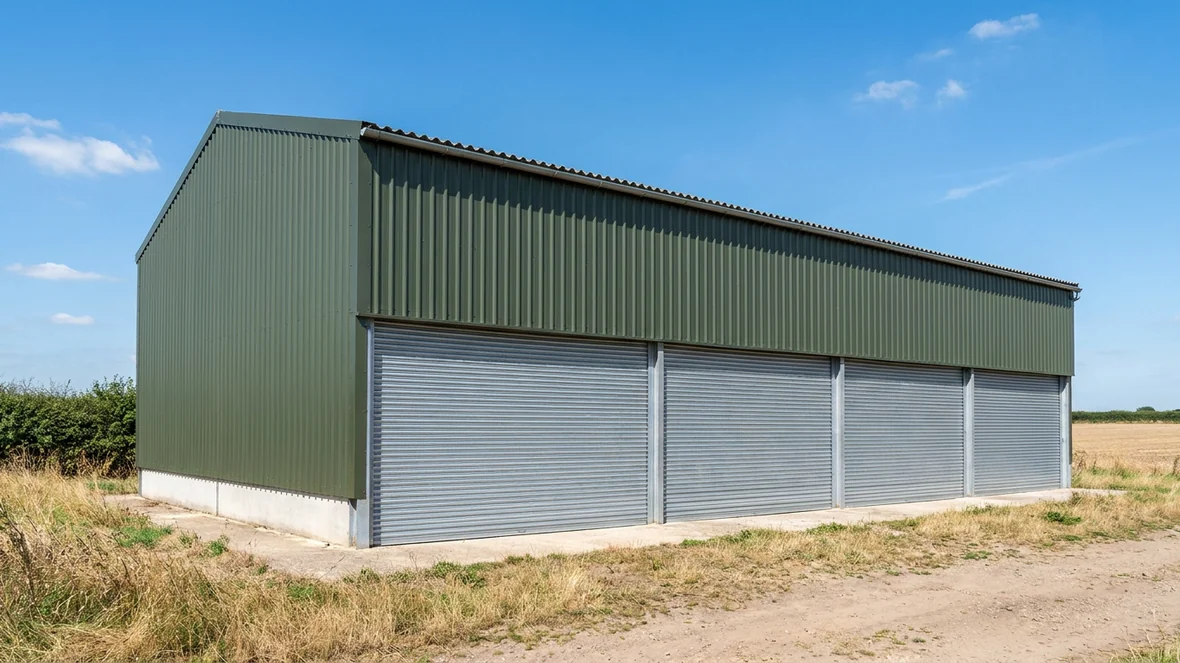
Coating grain stores and farm sheds around York
The Vale of York holds some of the most productive arable land in England, and the buildings show it. Around York you find large steel portal frame grain stores, potato and vegetable stores, pig and poultry units, and the older generation of asbestos cement roofed sheds that preceded them all. Many of these buildings are thirty to fifty years old, structurally sound, and overdue some attention to the envelope that keeps the weather off the crop, the stock and the machinery inside.
National Coating Specialists delivers survey-led coating programmes for agricultural buildings across the York area. We are based in the South East and work across England, so projects this far north are planned as efficient blocks: one thorough survey, one clear report, then a concentrated programme on agreed dates.
Two legacy roof problems: fibre cement and cut-edge steel
Most of the roofs we survey fall into two camps. The first is asbestos cement and later fibre cement sheeting, which weathers to a porous, moss-covered surface that holds water and grows brittle. Where the sheets are intact, a cleaning and encapsulation system seals them, stops fibre release from the surface and extends the life of the roof without the heavy cost of stripping and disposal. The second is coated steel, where factory finishes peel at the cut edges, laps and fixings corrode, and exposed faces chalk and fade. The flat, open landscape of the Vale gives wind-driven rain a clear run at these roofs, so edge and lap details tend to fail sooner here than on sheltered sites. Both problems are treatable when caught in time; the survey establishes whether you are in time.
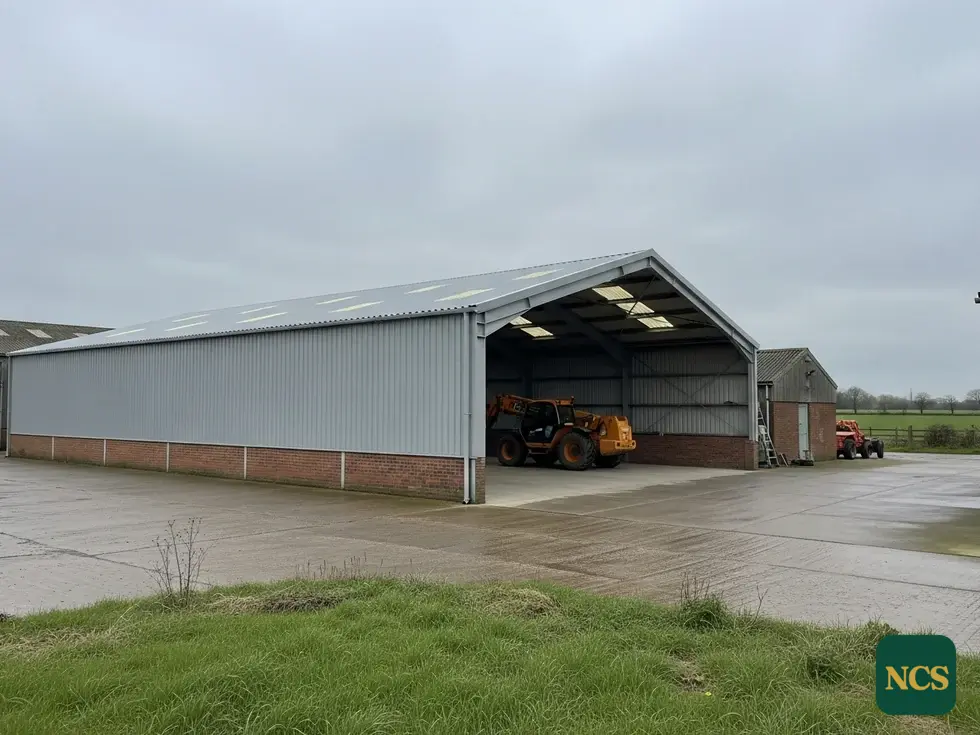
The grain store window and the rest of the year
Programme timing on arable units is simple to state and tight to deliver: the useful window for a grain store is after the old crop has gone and before harvest fills the floor again, and the coating needs that window plus dry weather. We book store work early for exactly that reason. Livestock buildings follow the opposite rhythm, with summer turnout the natural slot, and pig and poultry units are worked around batch and flock cycles with the unit manager. Machinery sheds are the flexible ones, and often make sensible shoulder-season work when conditions allow.
Straight answers on repair versus replacement
Coating is the right answer for many ageing farm roofs, but not all of them, and we put that in writing. If sheets are cracked through, holed or moving, they need repairing or replacing before anything is applied over the top. If corrosion has gone through the steel rather than sitting on its surface, no coating will bring the metal back. And if a building needs so much remedial work that the total approaches the cost of re-sheeting, the report will say so plainly, because a coating programme only makes sense when it is genuinely the cheaper way to get more life from a sound structure. Many of the buildings we survey pass that test. Some do not, and we tell you which is which before you spend anything on the work itself.
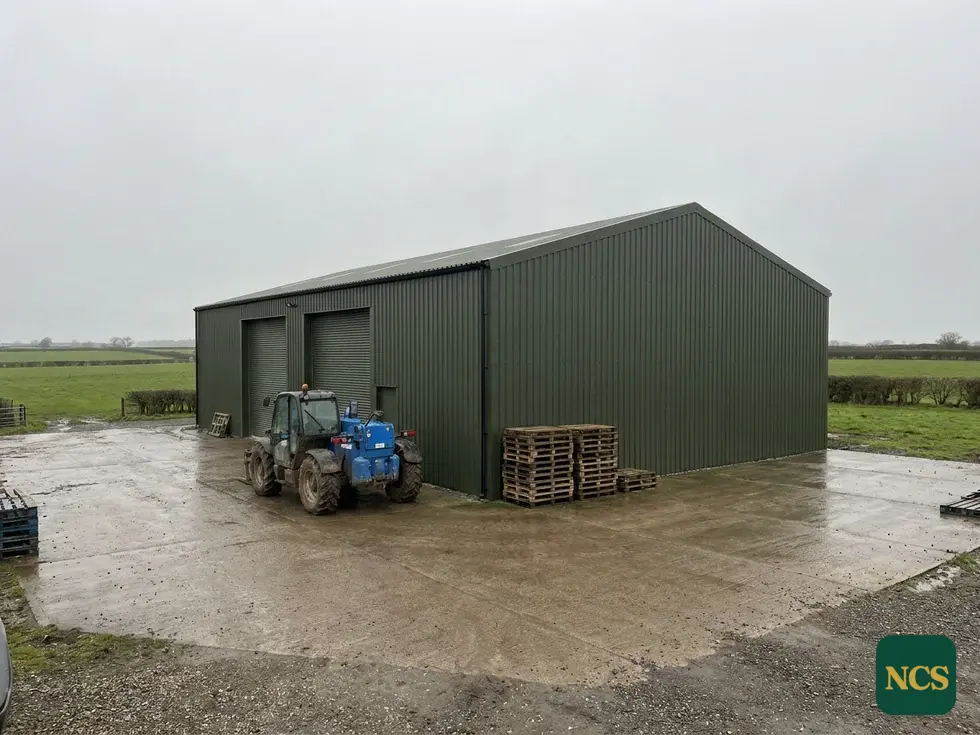
What happens at the survey
We inspect the buildings properly rather than estimating from photographs. On a typical holding in the Vale of York that means:
- Identifying every substrate on the yard, since mixed-age roofs often need mixed specifications
- Mapping cracked sheets, failed fixings, corroded laps and any holed sections needing repair first
- Checking rooflights, ridges, flashings and gutters as separate items with their own condition notes
- Recording access, crop storage dates and stock movements that fix the programme around the farm
The report sets out condition, recommendations and a sensible order of work, including anything we think you should not coat. From there we agree dates that respect the farming calendar and deliver the programme as planned, with the yard back in normal use as quickly as the curing times allow.