Cladding spraying in York
Cladding spraying in York usually comes down to a single question: does a faded but structurally sound building get a respray, or does the cladding come off altogether? For most of the commercial stock around the city, the honest answer is the first one. We see profiled steel and composite panels lose colour, chalk and streak years before they actually fail. An on-site respray with a correctly specified coating restores the elevation while adding a new protective layer over the original finish. It’s a smart move for many businesses.
National Coating Specialists works survey-led. We won’t issue a specification, a programme or a firm price until we’ve inspected the building and tested the existing coating. It’s a slower way to quote, sure, but a far more reliable way to deliver the work. That survey costs a little patience and saves the project from a lot of assumptions later on.
The building stock this usually involves
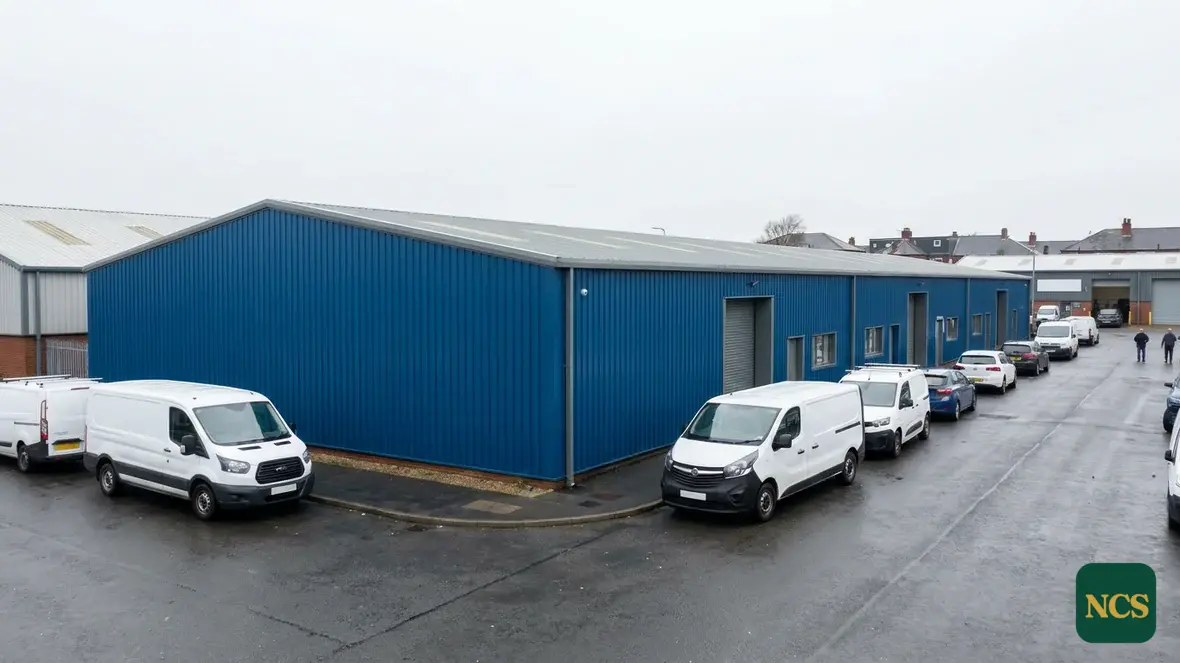
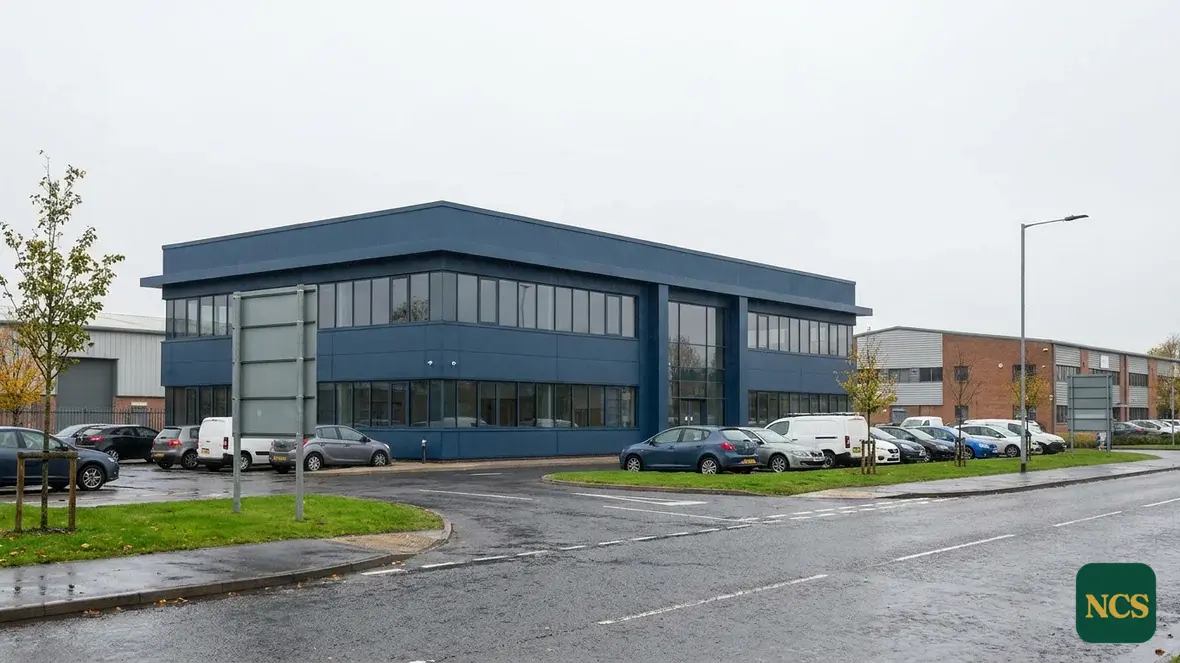
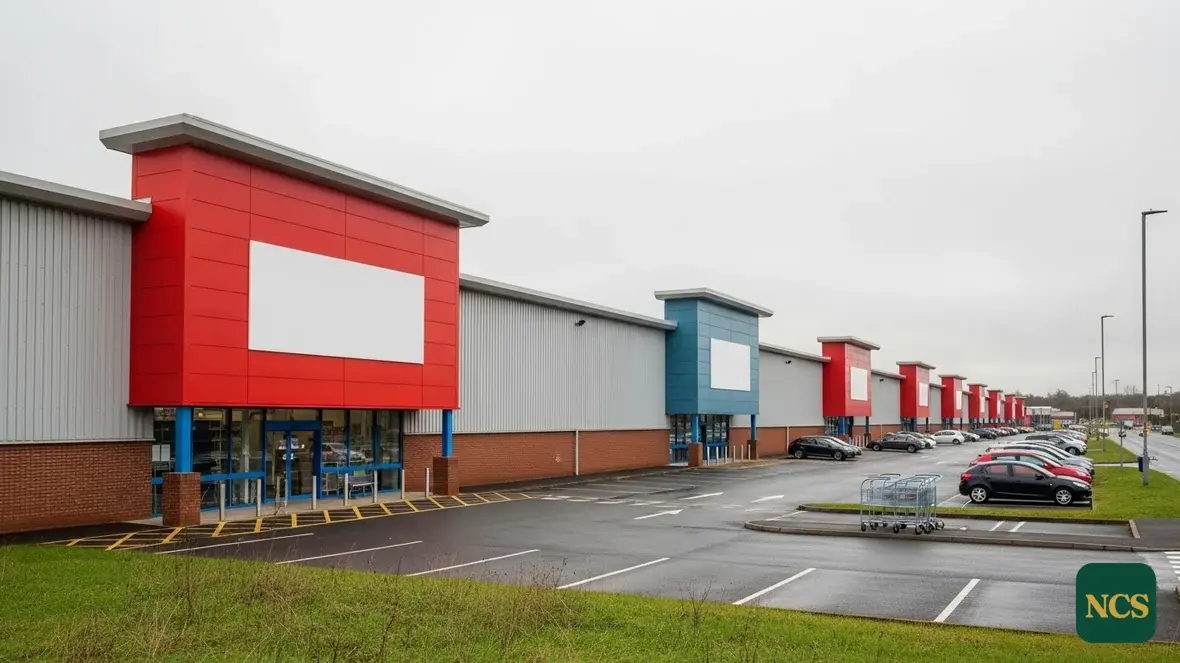
The walled centre takes the postcards, but most cladding sits on the ring road and the estates beyond it. Think trade counters and retail units on the out-of-town parks, distribution sheds and light industrial units, and offices with steel rainscreen, curtain wall framing, fascias and soffits. North Yorkshire weather is the common enemy. UV breaks down pigments, wind-driven rain leaves tide marks down elevations, and the cut edges of older profiled sheet begin to show the first signs of edge corrosion.
Surfaces that typically respond well to spraying include plastisol and PVDF coated steel, composite wall panels, aluminium framing and trims, and previously coated render on mixed elevations. Gutters, flashings and roof sheets can be brought into the same specification where their condition justifies it.
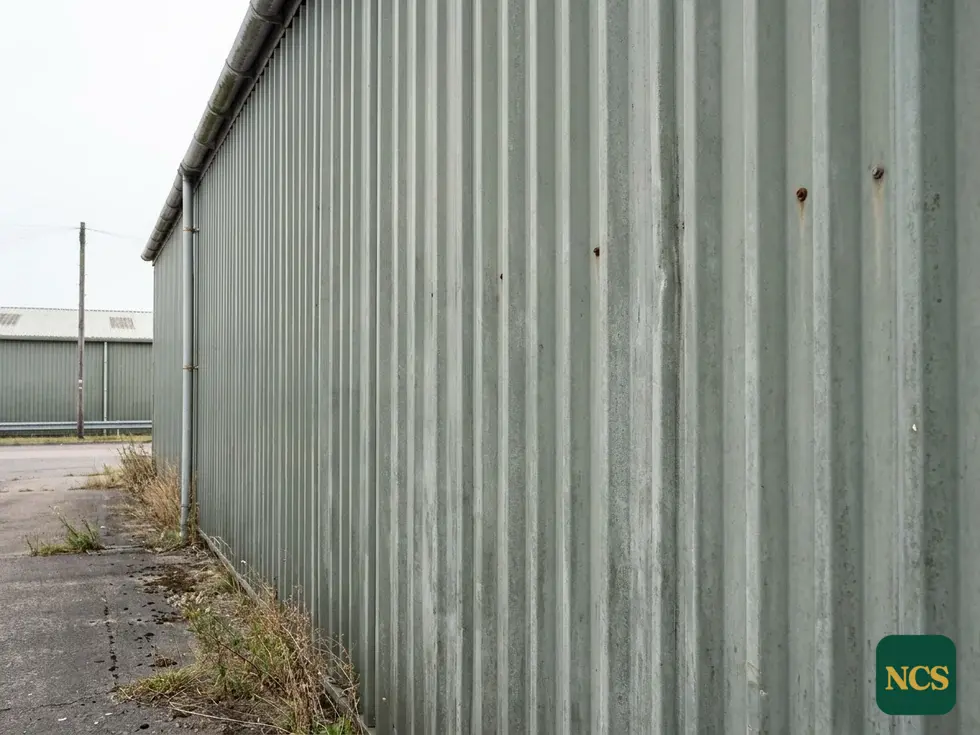
Cladding painting around York starts at the cut edges. Treat the corrosion first and the finish lasts; paint over it and it comes back through.
What a survey-led project looks like
Every project starts with a physical inspection. We test adhesion of the existing finish, map any corrosion, check fixings, gutters and flashings, and note the access constraints around the building. The findings drive the specification: the preparation method, any cut-edge treatment or panel repairs, the coating system itself and the number of coats.
- An on-site condition survey and adhesion testing before we give you any quotation
- A written specification that names the preparation method and coating system
- Corrosion treatment and minor repairs completed before any colour goes on
- Controlled spray application with full masking and overspray protection
- A final inspection of every elevation against the agreed specification
The same teams and the same process cover the wider area. Buildings in Selby, Harrogate, Leeds and Malton are surveyed and programmed in exactly the same way as one inside the York outer ring road.
When we advise against coating
Spraying isn’t always the right call, and saying so is part of the job. If panels are corroded through, if a composite face is delaminating from its core, or if cut-edge corrosion has eaten too far into the sheet ends, paint will only hide the problem for a season or two. The same applies where fixings have failed or where a building needs thermal or fire-performance upgrades that only recladding can provide. Where the survey points that way, we will tell you plainly and put it in writing, because a coating sold onto a failing substrate fails with it. Often the honest answer is mixed: replace a handful of sheets, treat the edges, then coat the rest. That survey is what makes that judgement possible.
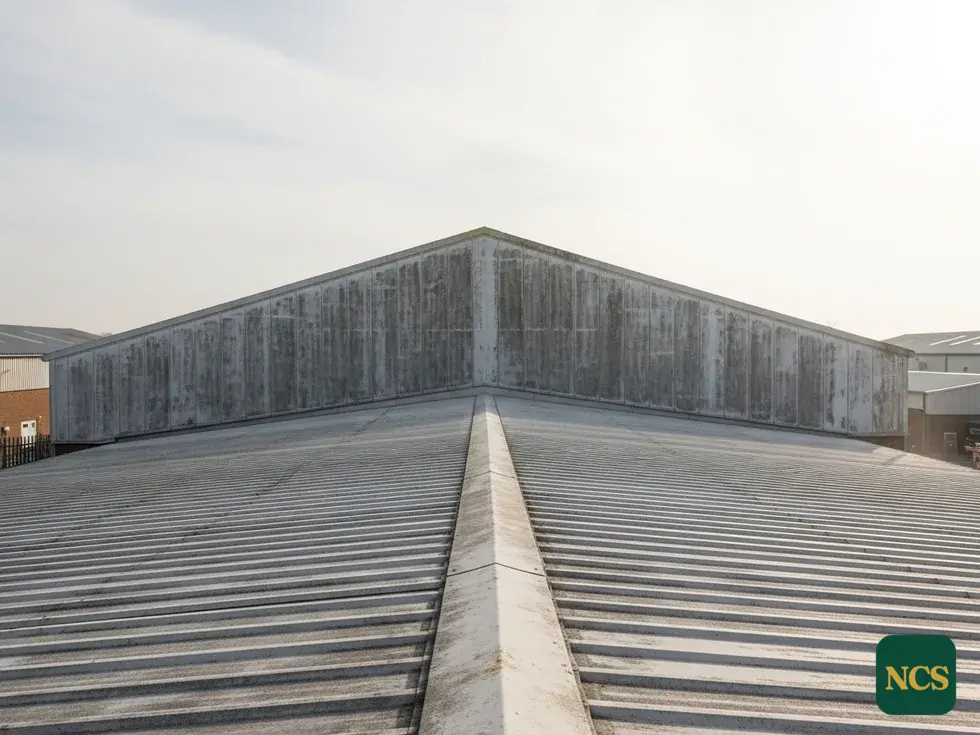
Why survey-led matters
Anyone can quote a blanket figure by area from a photograph. The risk is everything the photograph cannot show: chalking that needs washing off, adhesion failure waiting underneath old plastisol, corrosion hiding above a roofline. A survey-led contractor finds those issues before the price is fixed, not after the access equipment arrives. The result is a specification you can hold us to, a finish matched to the building rather than copied from the last job, and no surprises halfway through the programme. If your building near York looks tired, the sensible first step is a survey, not a guess.