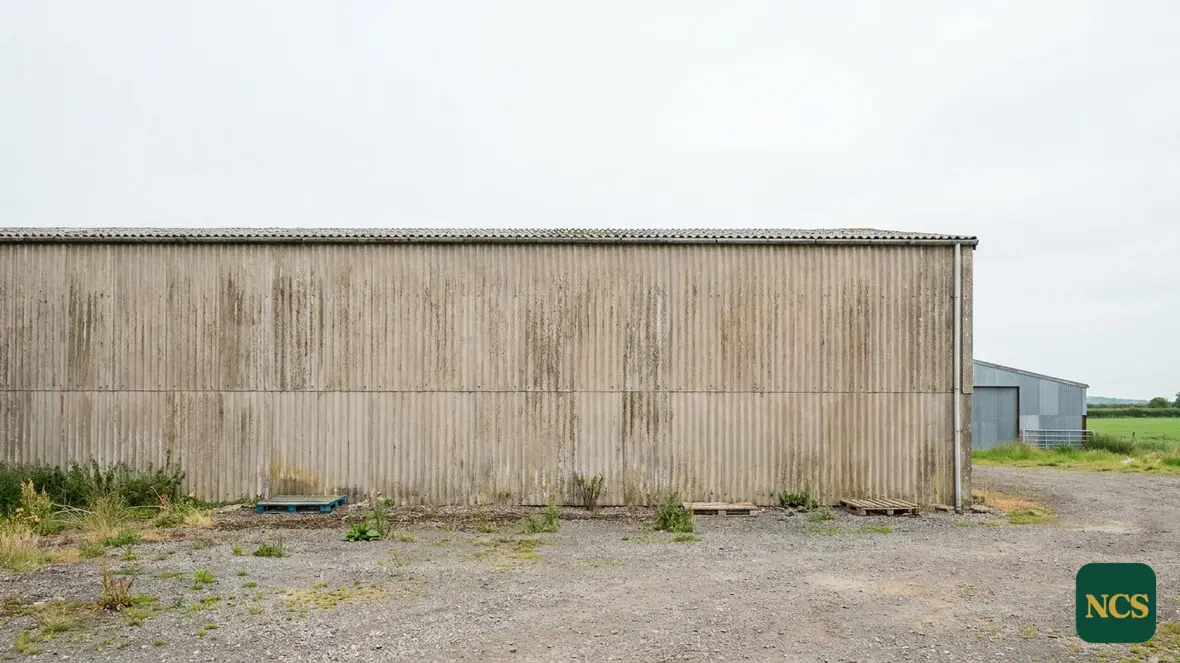
Commercial wall coating in York
Working on exteriors in York means facing a bit more scrutiny than most places. We’re dealing with buildings people come a long way to see, so our commercial wall coating in York has to respect that, while still tackling the everyday issues the North Yorkshire weather throws at us. Things like render streaked with rain, brickwork that’s popped from frost, and walls that just never seem to dry out. Our approach is straightforward. We survey the job properly before we suggest anything, and we’d rather talk you out of the wrong work than put the best product on a wall that doesn’t need it.
That local weather is a slow killer. Render that gets a bit more streaky each autumn, brick faces that chip after a hard winter, mortar joints that wash out a fraction more every year. None of it screams ‘urgent’ until suddenly it does. Getting a coating specified correctly, and putting it on a wall that’s sound and dry, is how commercial owners get ahead of that cycle instead of paying for it later.
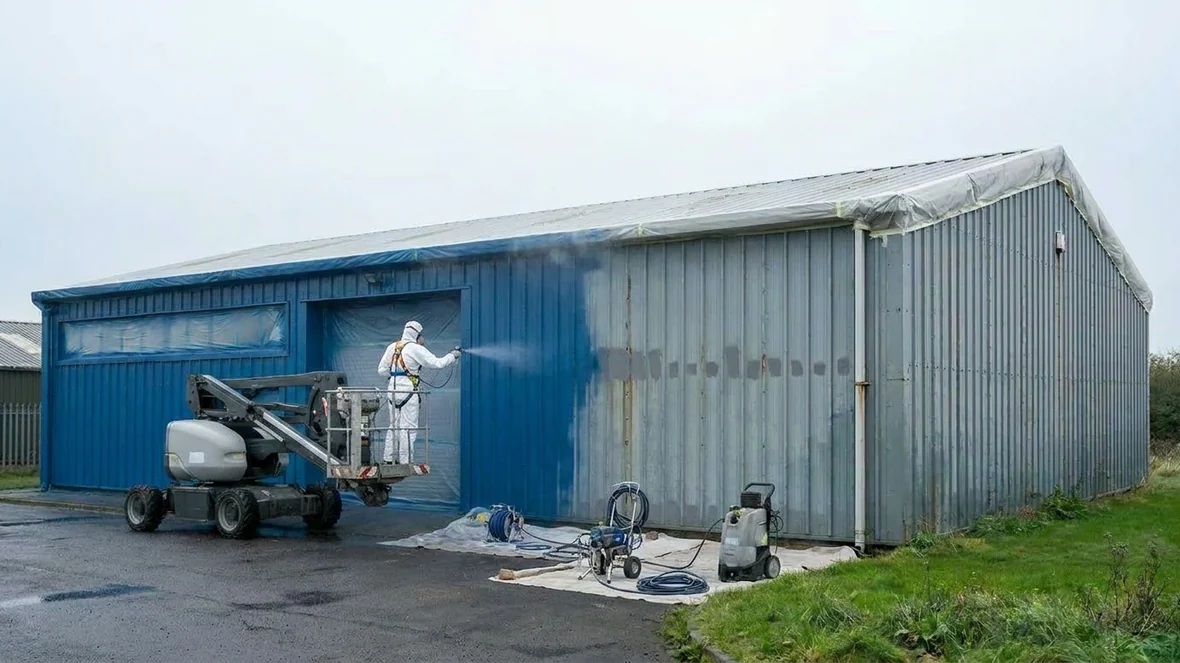
Exterior commercial painting in York runs to the weather, so programmes are planned around dry windows and the building staying open.
What York’s commercial stock actually asks for
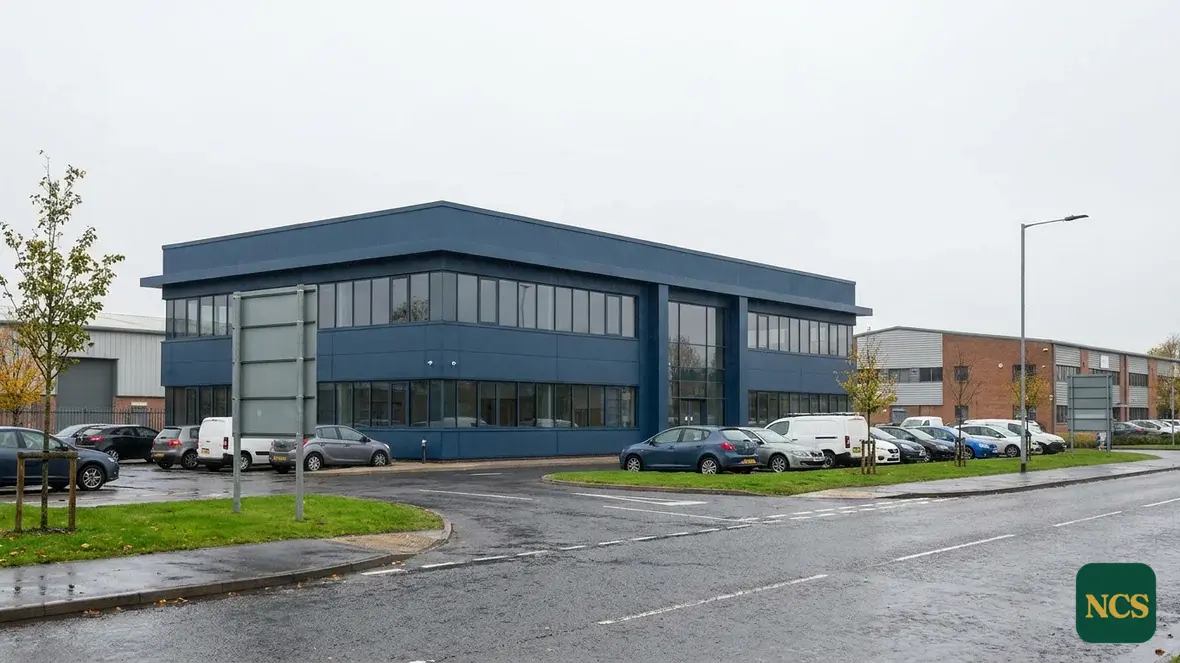
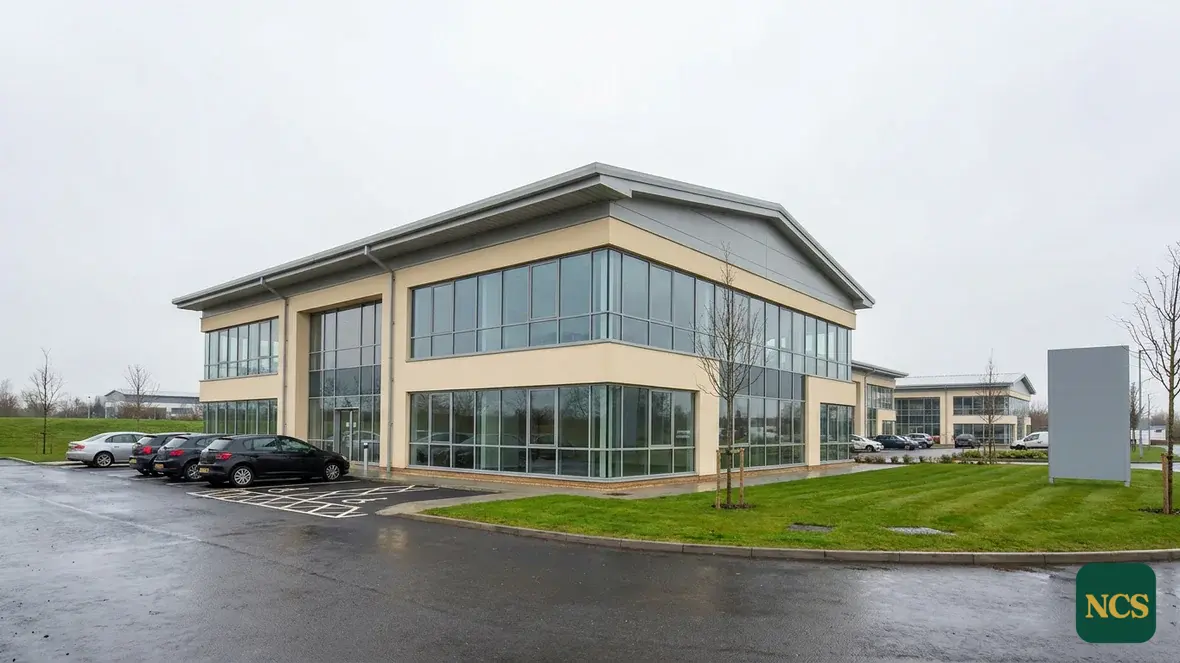
Step into the city centre and you’ll see a lot of older brick and rendered buildings, often in conservation areas where how the finish looks is as crucial as how well it’s done. Head out to the business parks and retail zones on the city’s edge, and you’re looking at modern rendered and panelled units, which have completely different demands. Generally, the surfaces we typically work on include:
- Painted or bare render on those older shop fronts
- Softer, older brickwork that needs to breathe, not be sealed in
- Masonry on offices and retail units, from post-war builds right up to modern ones
- Rendered gables and flank walls that get hammered by the driving rain
- Walls that have been coated before, but the old finish is now packing up
Every single one of those needs different prep work and a different spec. That’s exactly why a generic price over the phone won’t tell anyone much.
The honest part: when we say no
A coating isn’t going to fix rising damp, or structural cracks, or pointing that’s failed and left unrepaired, or a wall getting soaked from above because a gutter’s leaking. Especially on older buildings, put the wrong product on and you can actually do real damage by trapping moisture in a wall that needs to breathe. If our survey finds a problem like that, our report will say so. The recommendation will be to fix the issue first, then coat it second, or sometimes, no coating at all. That kind of honesty can cost us a job. But it also means the work we do take on is specified properly, based on what we find, not just habit.
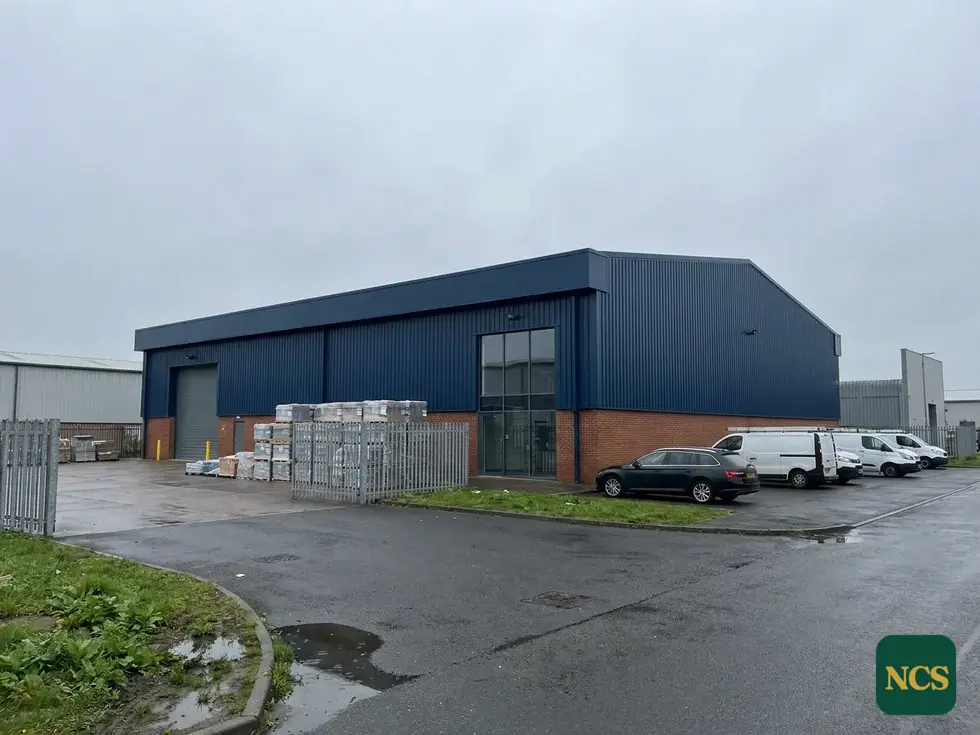
How the process works across North Yorkshire
It always starts with a chat about your building and the problem you’re seeing. Then we follow up with a proper site survey: identifying the substrate, taking moisture readings, getting a close look at any cracking and detailing, and giving you an honest assessment of access. You’ll get our findings in writing and a clear scope of work before you need to decide anything. The same process applies whether your building is inside York’s city walls or further out. We cover Selby, Harrogate, Leeds, and Malton with the exact same survey-led approach. On site, we sequence the work properly: preparation and repair first, then application. We respect the weather windows; we don’t gamble on them. Nothing goes onto a wall until it’s properly ready for it.
Why survey-led is the standard worth holding out for
The coating trade has its fair share of firms who turn up with one product and the answer before they’ve even heard the question. A survey-led contractor works the other way around: we diagnose first, then we specify, then we give you a written scope you can hold us to. For a commercial building in York, where how it looks carries commercial weight every single day, that order of operations is the difference between a wall that looks right for years and one you’ll be apologising for by next winter. If you’re comparing quotes, ask each firm one simple question: what did your survey find? The answer, or the lack of one, will tell you most of what you need to know.
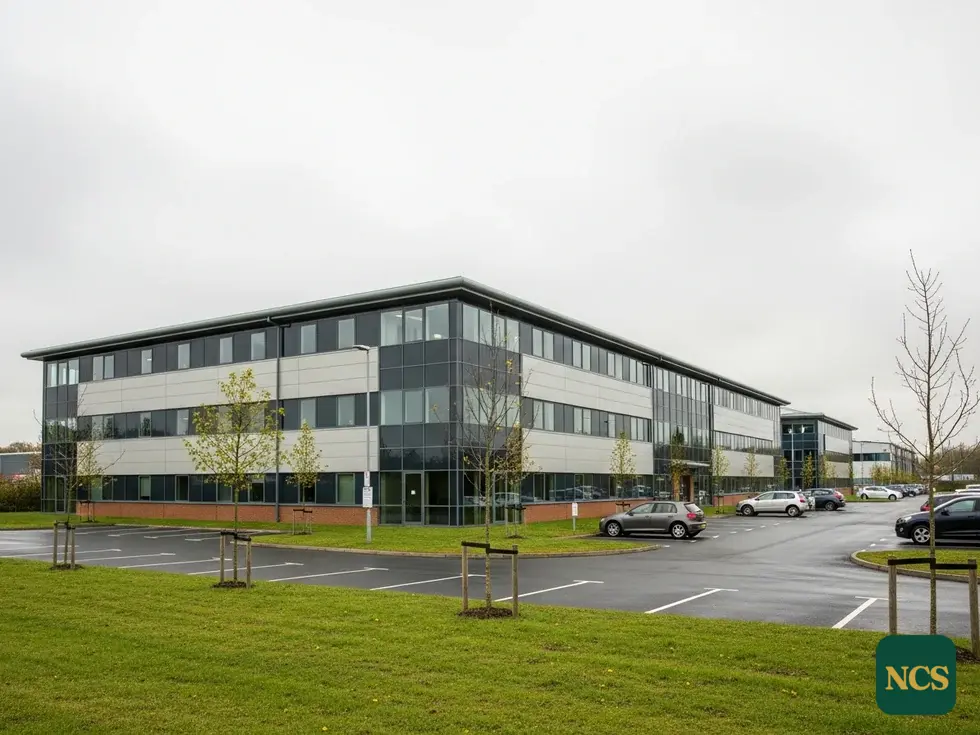
What a commercial wall coating survey in York looks at
National Coating Specialists carries out commercial wall coating work in York and the surrounding area. Every building is assessed on its own condition first. The survey weighs up the points that decide whether coating, repair or replacement is the right route:
- Add specific York-area service proof and local landmarks/business districts if genuinely served.
- Explain substrate types covered: masonry, render, blockwork and previously coated walls.
- Add the typical problems top pages address: weathering, staining, cracking, damp ingress and tired façades.
- Add a clear CTA for a free site survey and what happens after enquiry.
- Add commercial use cases such as warehouses, retail units, offices, schools and industrial units.
Related survey-led services
Cladding SprayingSurvey-led cladding spraying for commercial and industrial buildings across England.
Industrial Wall CoatingsSurvey-led industrial wall coatings for commercial and industrial buildings across England.
For a survey-led assessment of your building in York, request a free site survey.