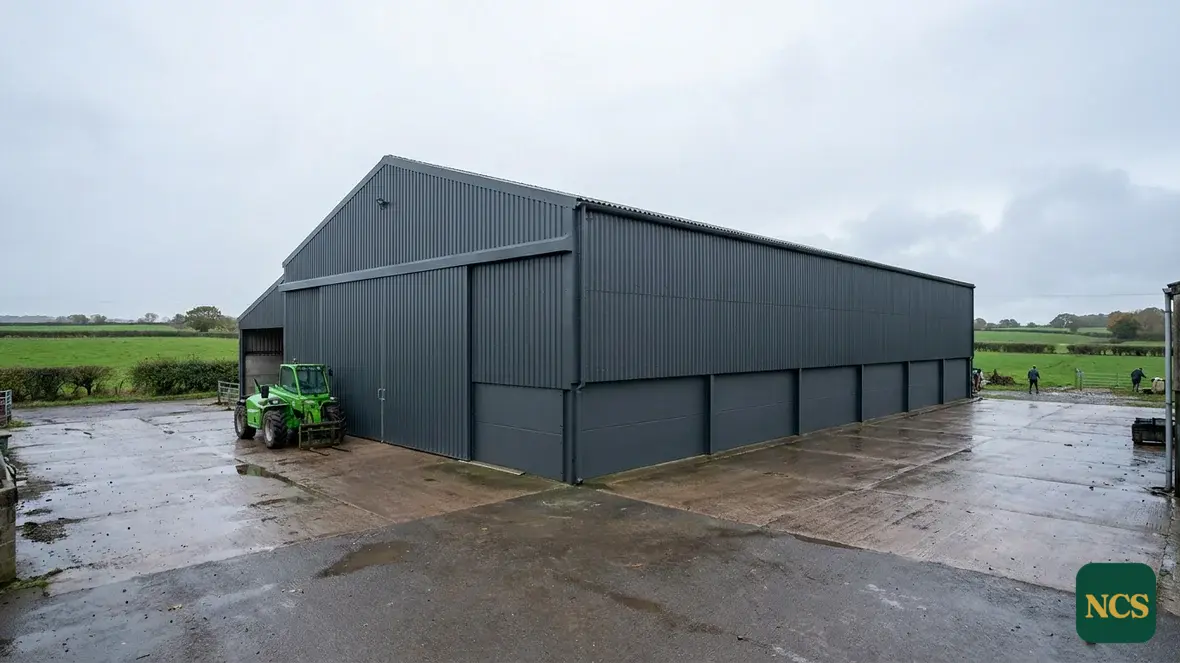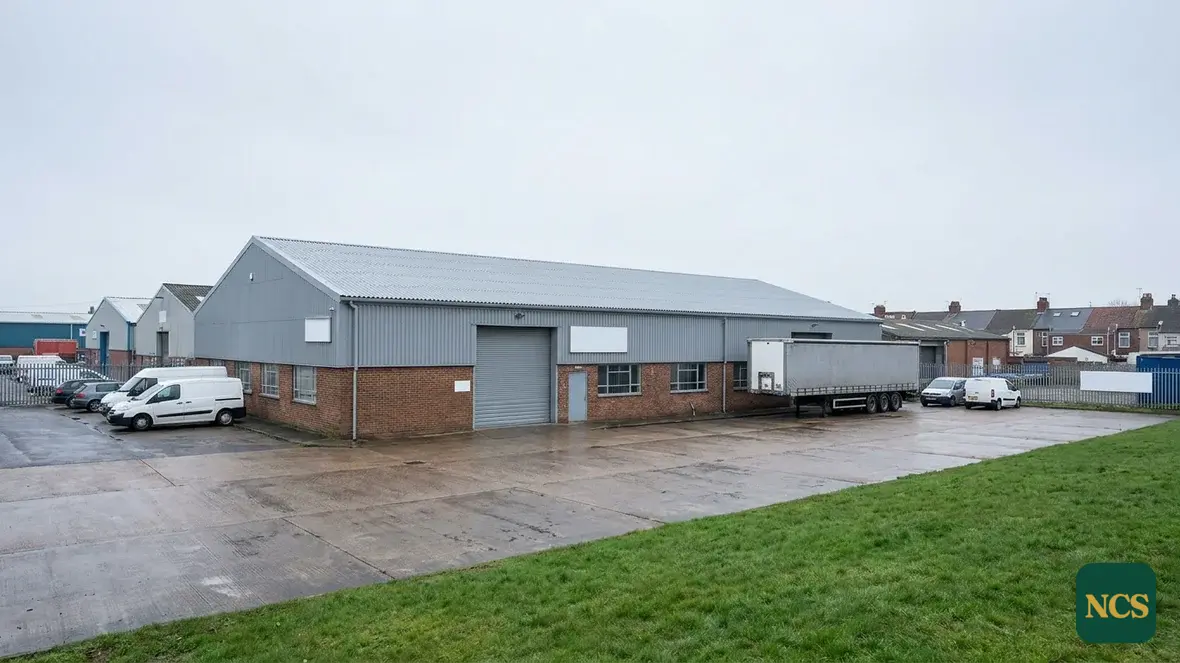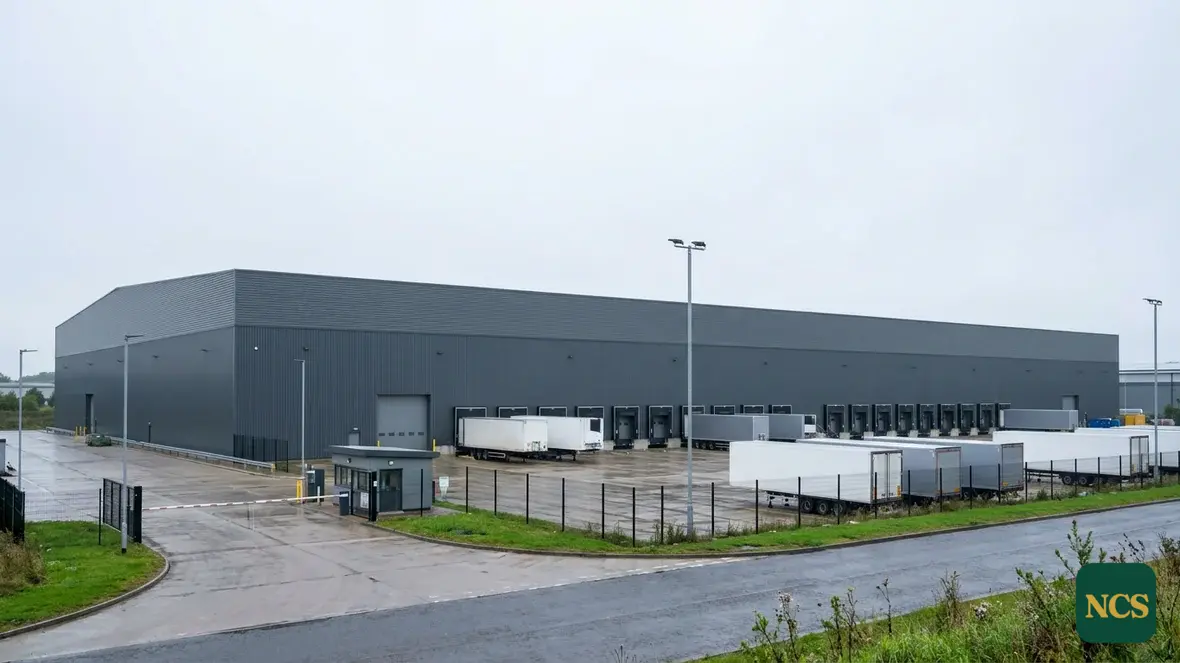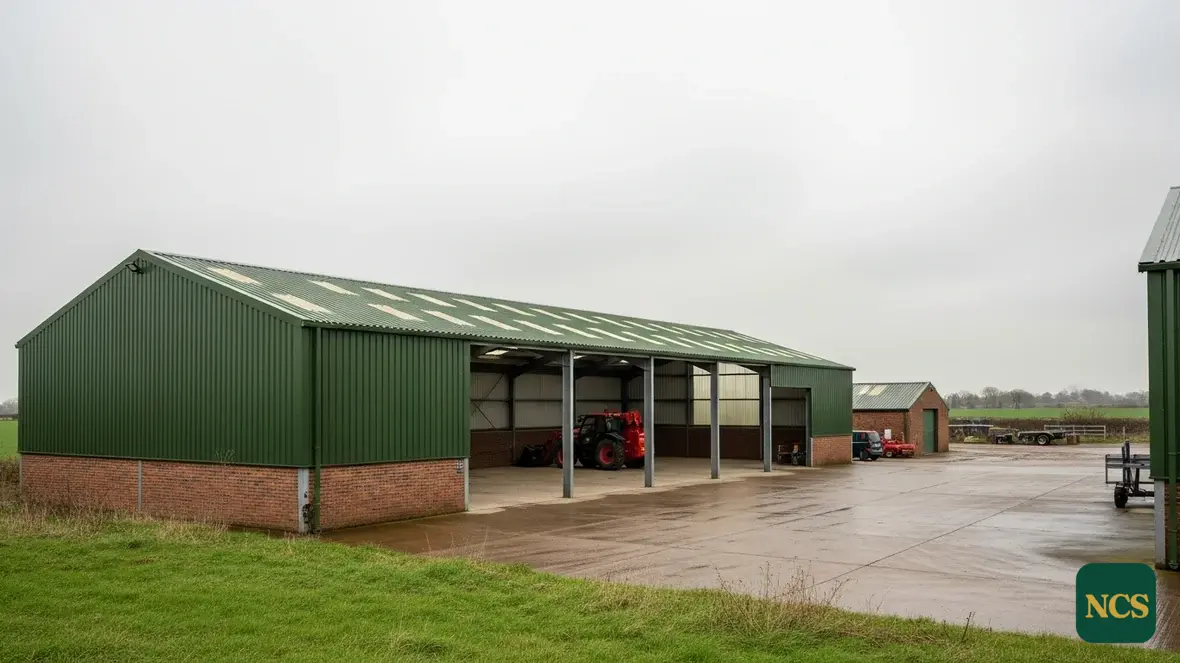
Coating dairy and livestock buildings around Chester
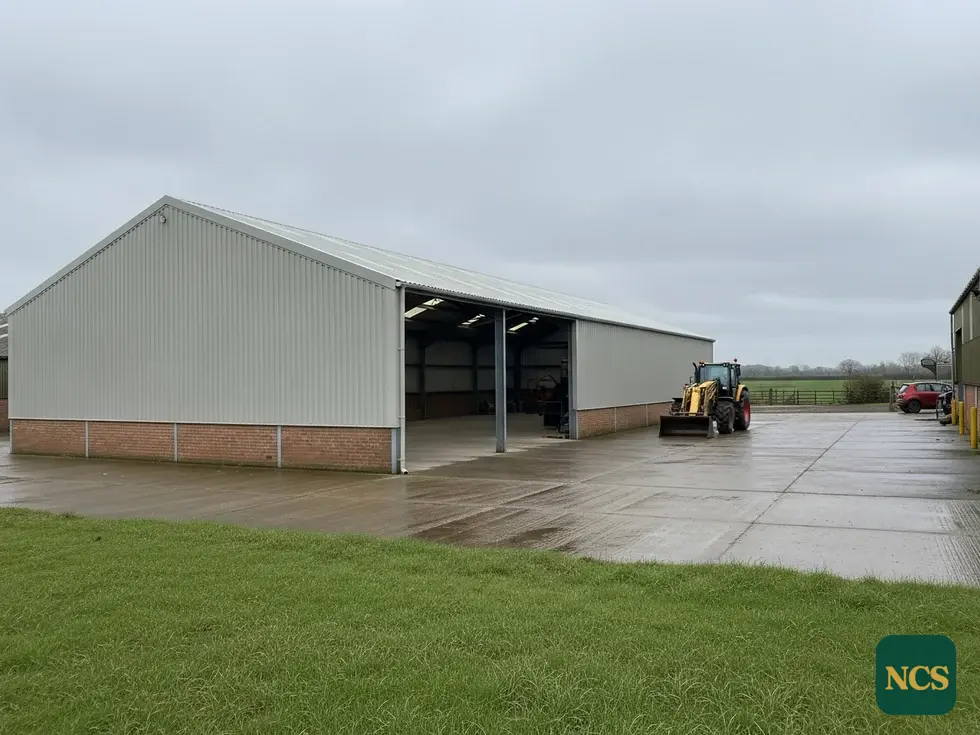
Cheshire is dairy country, and the farms around Chester carry the building stock to match: cubicle sheds and parlours, slurry and silage stores, calf and youngstock housing, plus the machinery sheds and older general-purpose barns every working farm collects over the years. National Coating Specialists works these buildings on a survey-first basis. We are based in the South-East and cover England, so a job this far north is planned as one efficient block: a thorough survey, a clear written report, then a concentrated programme on dates that suit the herd and the year.
What the Cheshire climate does to a farm roof
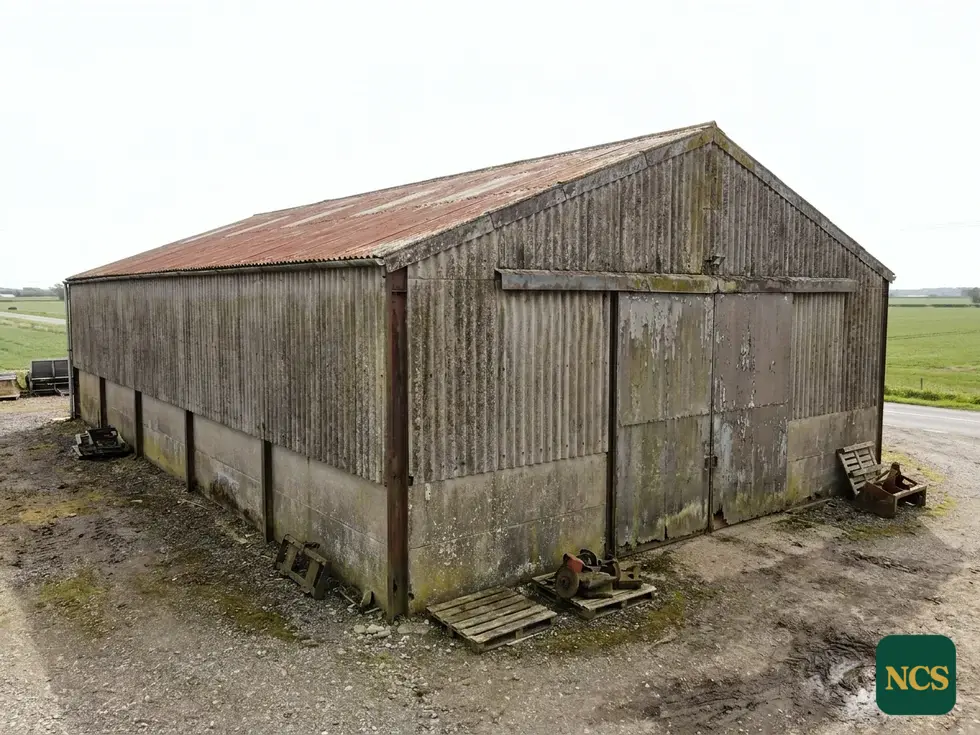
The mild, wet weather that makes Cheshire grass grow is hard on roofs. Coated steel over a livestock building faces a double attack: ordinary weathering from outside, and an aggressive, humid atmosphere from the stock and slurry below. Cut edges, laps and fixings corrode first, and condensation finds every cold spot. Older sheds around Chester often still wear asbestos-cement or fibre-cement roofs, which weather to a porous, moss-grown surface that holds the region’s frequent rain. Where those cement sheets are intact, a cleaning and encapsulation system seals the surface and buys years without stripping and disposal. The structure underneath is usually sound; it is the envelope that lets go first, and the survey works out by how much. Cheshire’s mild winters mean roofs rarely freeze hard, but they also stay wet for long stretches, so moss and algae get a firm hold and surfaces stay damp enough to keep corroding for much of the year.
Planning around the dairy year
Livestock buildings rarely empty in the way an arable grain store does, so timing on Cheshire dairy units is about working with the herd, not waiting for an empty floor. The practical window is turnout, when cattle are out at grass and the cubicle sheds and parlours can be worked safely with the stock away from the building. Slurry and feed stores fit around the same season. We talk through ventilation, stock movement and milking routines before a single date is fixed, because a parlour that is out of action at the wrong hour costs more than any coating saves. The programme is planned backwards from when the cattle come back in, and confirmed in writing. A long, settled dry spell is also worth waiting for, because a coating applied and cured in good conditions lasts far longer than one rushed on under threatening skies.
The survey behind the price
We do not quote a livestock roof from a photograph. Each slope is inspected from proper access, and we record the condition of sheets, cut edges, fixings, rooflights and gutters, then check inside for the staining and corrosion that mark out leaks and condensation. Around Chester we pay particular attention to the inside atmosphere, because a humid, ammonia-laden building corrodes a roof from below faster than the weather does from above. Everything comes back with photographs and a recommendation you can question, and where a yard holds several buildings in different states, each gets its own verdict rather than an averaged guess.
Repair, coat or replace, honestly
Coating is not the answer to every roof, and we will not pretend it is. A roof with a few failed sheets or a corroded section needs repair, and we will say so even though it earns us less. A roof with broad surface failure on sound sheets is the proper case for coating, and there are plenty of those on the dairy farms around Chester. A roof that is holed, soft or failing at the frame, or one where condensation has rotted the structure, needs replacing, and a coating would only postpone that work while adding our cost on top. You get the verdict, the photographs and the reasoning, and the decision is always yours to make.