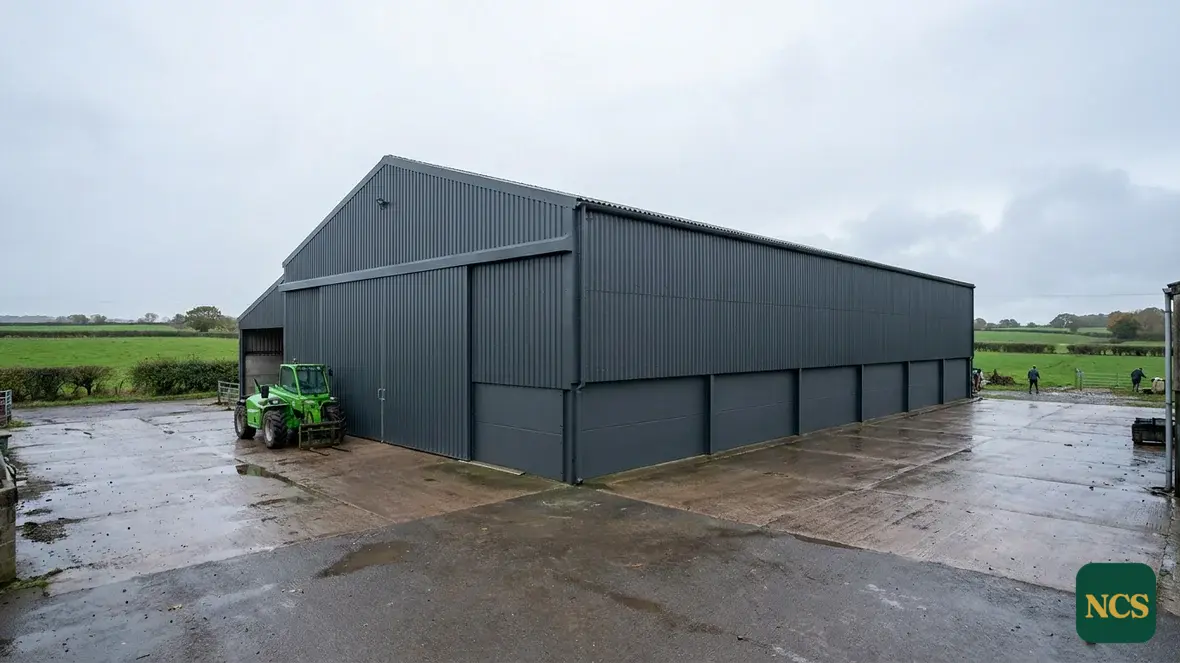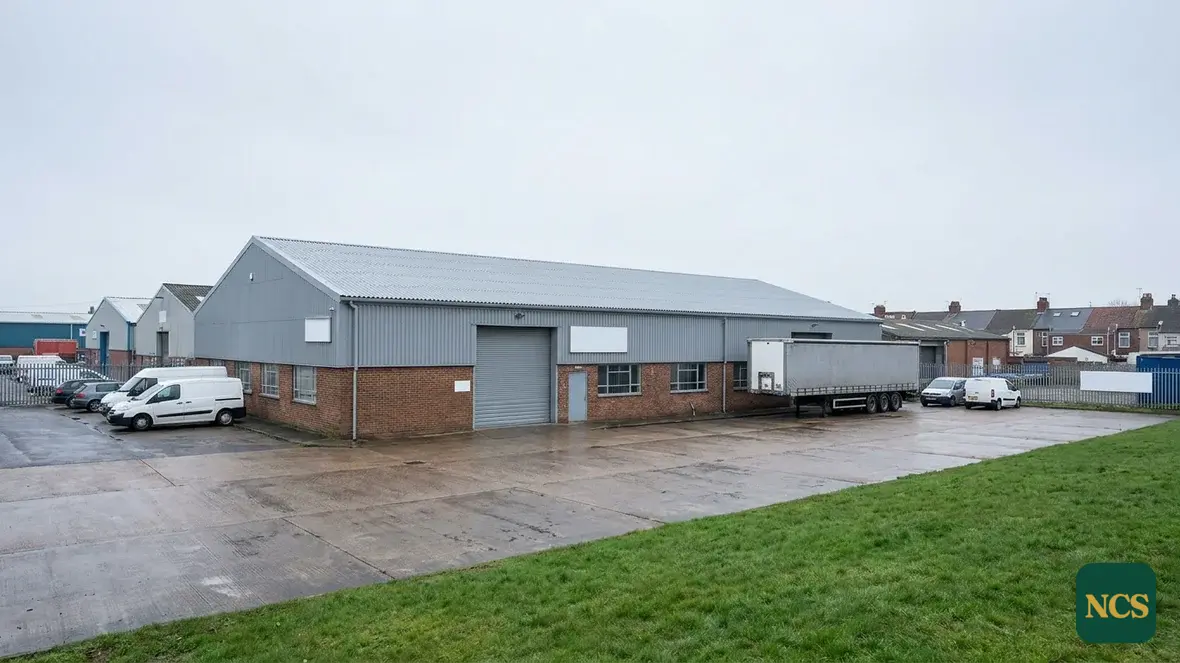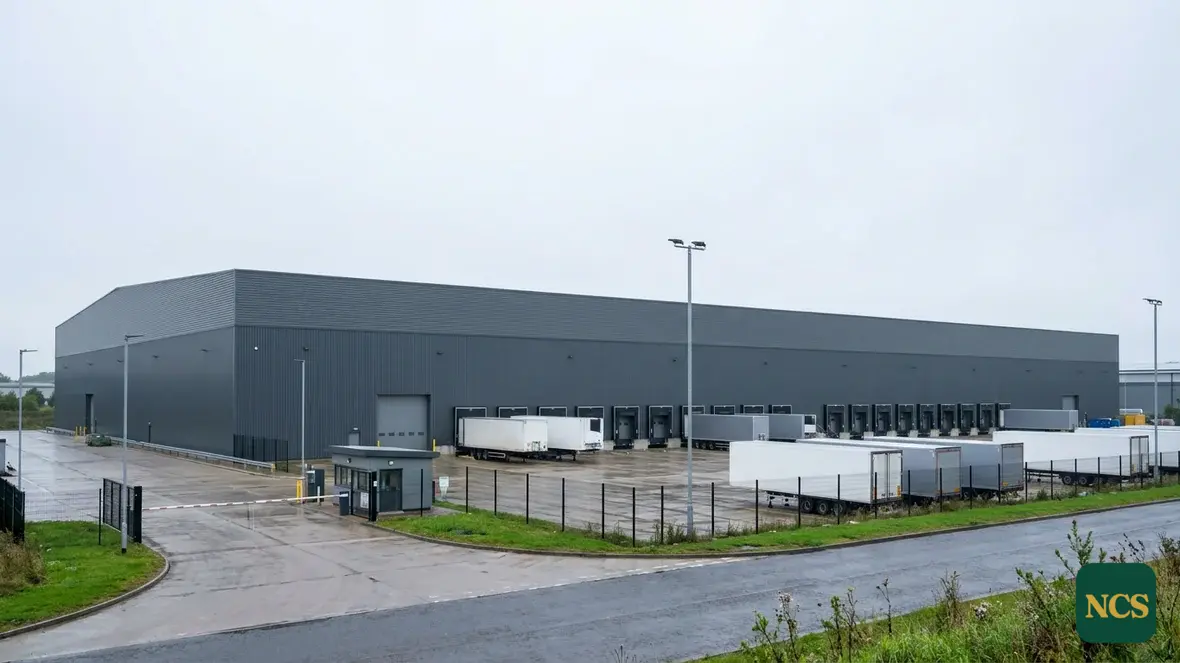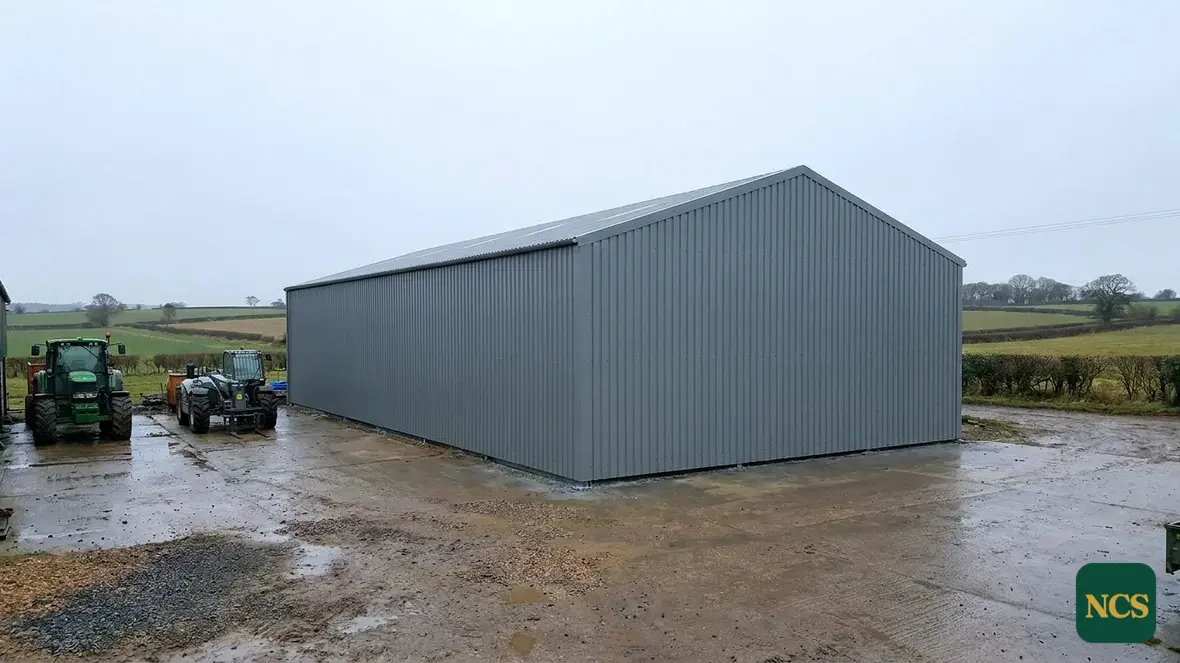
The farmland behind Plymouth is Devon mixed and dairy country, worked hard and exposed to the sea. Holdings sit on valley sides above the rivers, dairy units stand on windy brows, and machinery and stock sheds tuck in wherever the ground allows. National Coating Specialists is a survey-led exterior coating contractor working across England from a South-East base, and the wet, salt-edged South West weather around Plymouth is a big part of why these farm roofs weather the way they do.
Wet, salty air and what it does to roofs
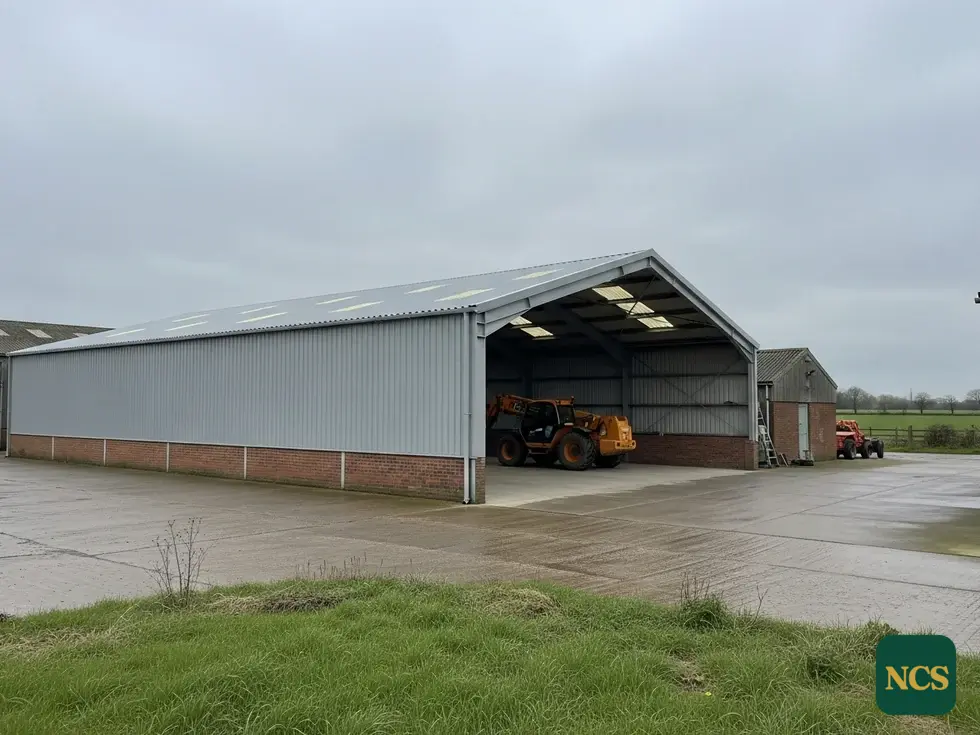
This far south west the rain is frequent and the air carries salt off the coast, and both accelerate corrosion on metal roofs. Galvanised and plastisol finishes break down, cut edges and laps rust first, and fixings leave the tell-tale streaks down the slope. Valley-bottom buildings stay damp long after the weather clears, while exposed dairy sheds take the wind head on. Most farms here run several eras together, from older stone barns to steel portal-frame sheds and newer clad units, and the legacy steel and fibre-cement roofs are usually first to need attention. A weathered roof is not a finished roof. Where the frame is sound and the sheet intact, a proper coating can keep a building working for many more seasons.
Programmes that respect milking and housing
On a Devon dairy you cannot just empty a shed for a week. Cows are milked twice daily, buildings fill for winter, and the yard does not stop. We plan coating to fit: buildings tackled while empty between groups, feed and machinery stores before they load up, and access timed so it never blocks the parlour or the feed run. The wet South West climate also limits the dry spells a coating needs to cure, so we build realistic weather margins into the programme rather than promising a date the conditions may not allow. The day’s vehicle movements are agreed with you, and troughs, feed passages and parlour areas are protected before any work begins. The job works around the farm.
Older metal and asbestos-cement, the honest version
A large share of the agricultural roofs we survey around Plymouth are legacy profiled steel or asbestos-cement sheet. Sound but weathered asbestos-cement can often be cleaned and encapsulated with a suitable coating, sealing it against further breakdown. Fragile, cracked or delaminated sheets are a different matter and go to a licensed removal contractor, not under a coating, and we will say so plainly. No one on our team walks these roofs casually; condition is assessed from proper access equipment before any weight goes on a sheet.
Survey first, then a straight recommendation
We never price a farm roof from the gate. The survey is where the real picture comes out, and it covers:
- Sheet condition, including corrosion at cut edges, laps and fixings
- Sheet movement and the state of washers and seals
- Gutters, valleys and rooflights, which often fail before the roof
- Water ingress signs on purlins, frames and stored kit
- Access and ground conditions for the equipment the job needs
You see the findings with photographs before any figure. Then comes the honest verdict: repair for localised damage on a sound roof, coating for general surface breakdown on solid sheets, and replacement where sheets are holed, soft or failing at the fixings. We would rather lose a job than coat a roof that should be replaced, so you can plan the spend on accurate information. Where a roof is genuinely sound, coating it keeps the building in use, cuts the waste and disruption of a full strip-off, and costs a good deal less, which is why it is the right call on so many of the weathered but solid roofs we see on Devon farms.