Salt, wind and sixty-year-old roofs
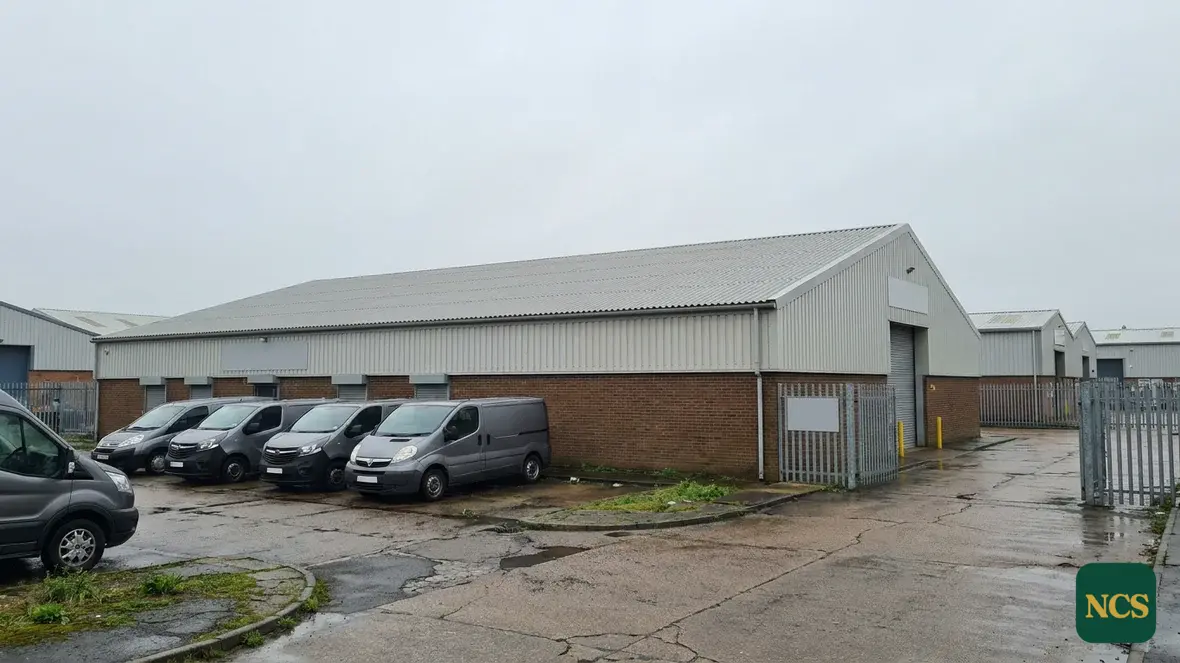
Plymouth weather is brutal on a roof. We see salt-laden wind off the Sound, driving rain and long, wet winters strip the surface of asbestos cement sheets far quicker than the same sheets weather inland. The city’s post-war rebuilding and the industrial growth that followed left a wide band of workshops, depots, marine trade units and trading estate buildings roofed in corrugated asbestos cement. Most of them are now well past the service life their makers ever imagined. The result is familiar: porous sheets, green growth, weeping fixings and a roof that still holds its shape but no longer keeps the weather out reliably. None of that automatically makes the roof unsafe, but it does make it a roof that needs a decision, not another decade of neglect.
What the law actually asks of you
The Control of Asbestos Regulations 2012 are often misread as a demand to remove asbestos wherever it is found. They aren’t. Regulation 4 places a duty to manage on whoever is responsible for maintaining non-domestic premises: identify the material, record its condition, assess the risk and manage it. For asbestos cement roofing in sound condition, managing it in place is lawful and often the more sensible course. Sealing the surface is a recognised way of doing it. An encapsulated roof, documented and monitored, sits squarely within a compliant management plan for a Plymouth workshop or industrial unit. The duty also requires you to pass information about the materials to anyone liable to disturb them. That’s one more reason a clear photographic record of the roof’s condition earns its keep.
Painting an asbestos roof in Plymouth is legal and sensible when the sheets are sound and the system is specified for asbestos cement. The survey establishes both.

Encapsulation against removal: the practical comparison
Removal means controlled stripping, hazardous-waste disposal, access scaffolding, a replacement roof and disruption to everything underneath while it happens. Encapsulation keeps the existing sheets, cleans and prepares them under controlled conditions, repairs fixings and minor defects, then seals the whole surface with a coating system that binds fibres and restores weatherproofing. For coastal buildings in Plymouth, the coating also does something removal cannot: it gives the old cement a sacrificial surface that takes the salt and UV instead of the sheet itself. Where the roof is sound, the cost difference in favour of encapsulation is usually large, and the building keeps trading throughout the works.
The cases where we will tell you to remove instead
We won’t take on work that isn’t right for your building. Encapsulation is only right where the sheets are fundamentally sound. We will recommend removal, and decline to coat, where:
- Sheets are extensively cracked, holed or broken by impact or storm damage
- The cement matrix has turned soft, friable or delaminating through saturation
- Structural movement or failing purlins have distorted the roof plane
- The material is asbestos insulation board or sprayed coating, which is licensed work for an HSE-licensed removal contractor
- The roof is at genuine end of life and coating would only delay the inevitable at your expense
If any of these apply to your building, you will get that conclusion in writing, not a sales pitch.
Survey-led, UK-wide, Plymouth covered
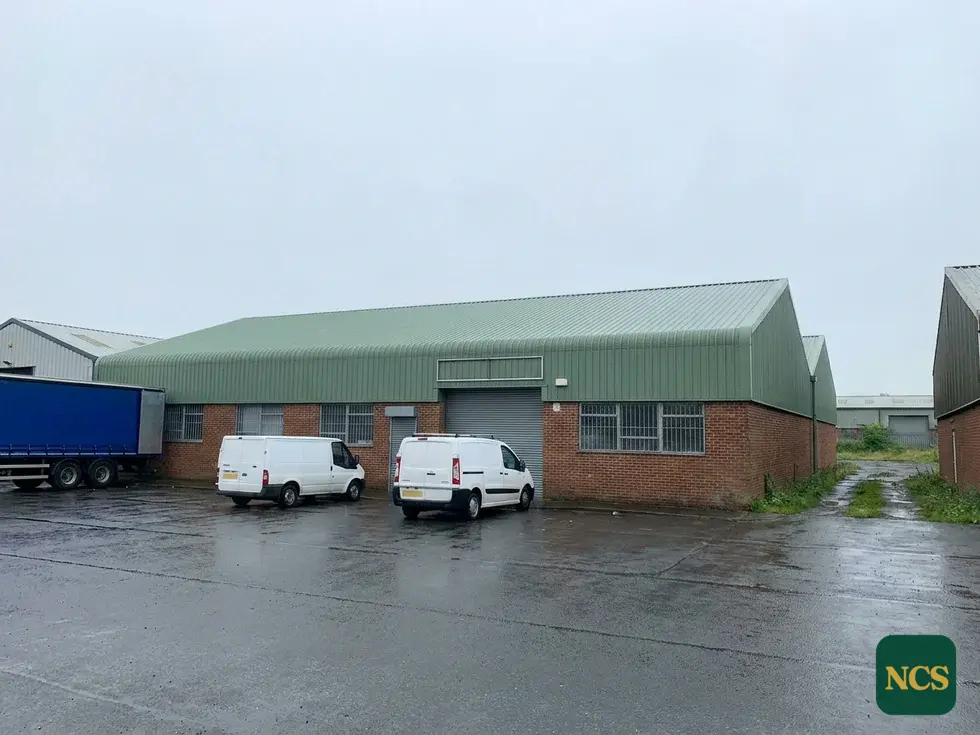
We are a survey-led contractor based in the South East and working across the UK. We cover Plymouth and the wider South West through planned survey visits. Every job starts with a condition inspection: sheets, fixings, rooflights, gutters and structure, all photographed and reported. Only when the survey says the roof is a sound candidate do we issue a specification and price. If you hold the duty to manage for a 1960s to 1980s building and the roof has never been formally assessed, the survey gives you a documented answer for your asbestos management plan and a clear view of the cheaper, compliant route forward.