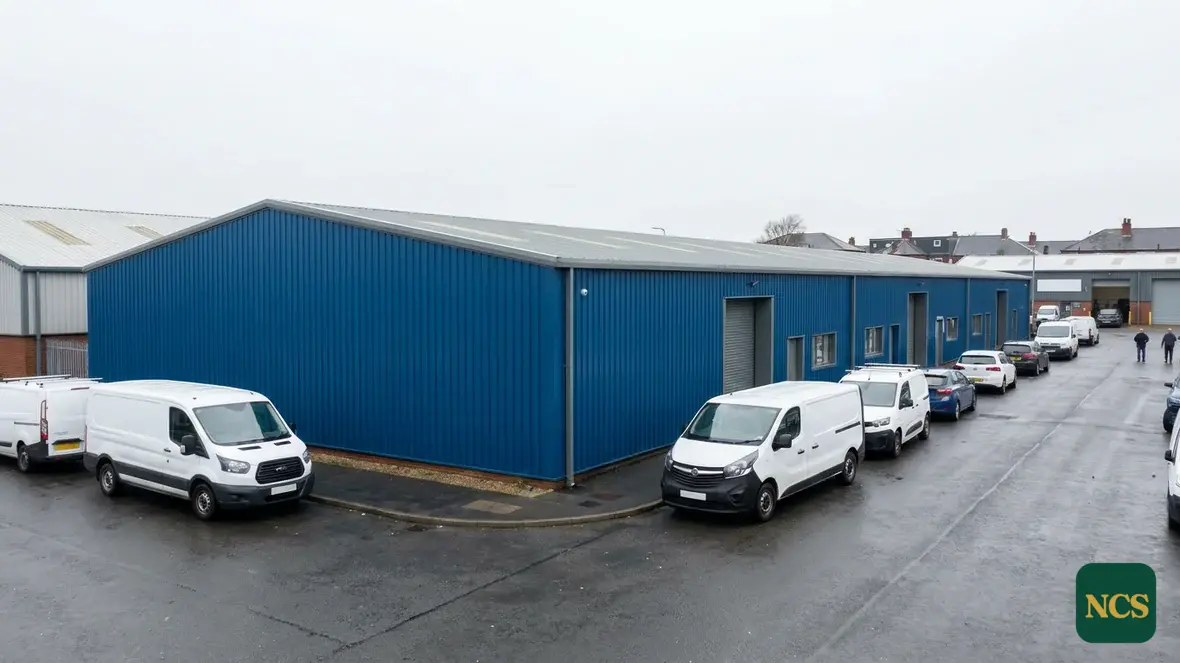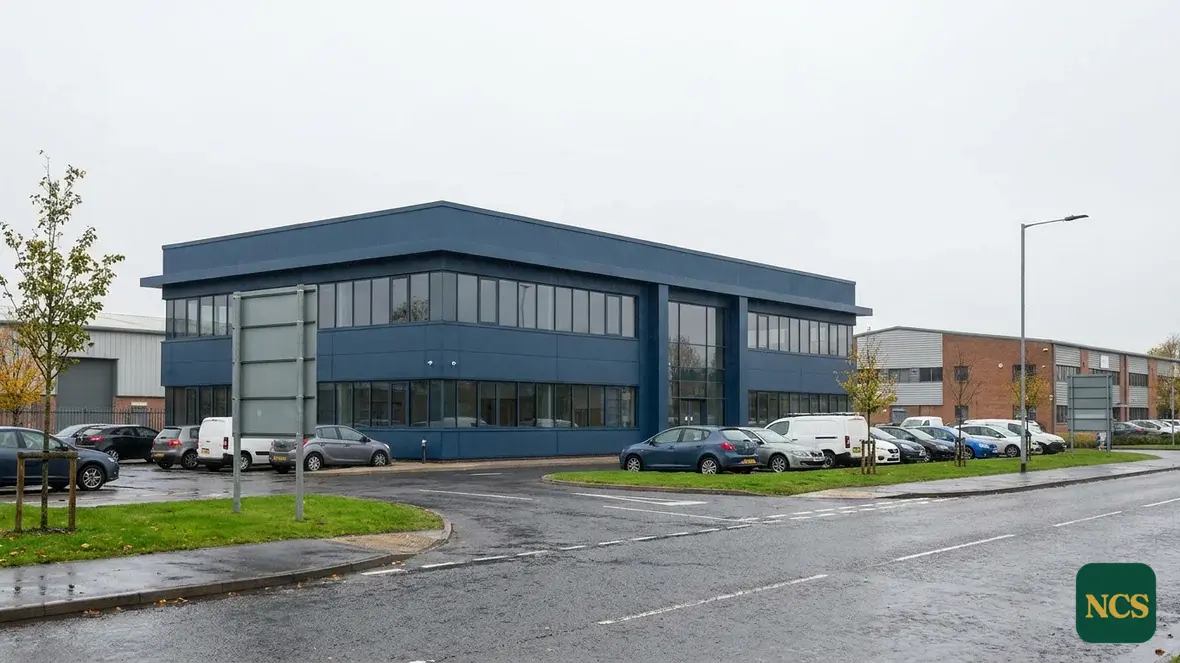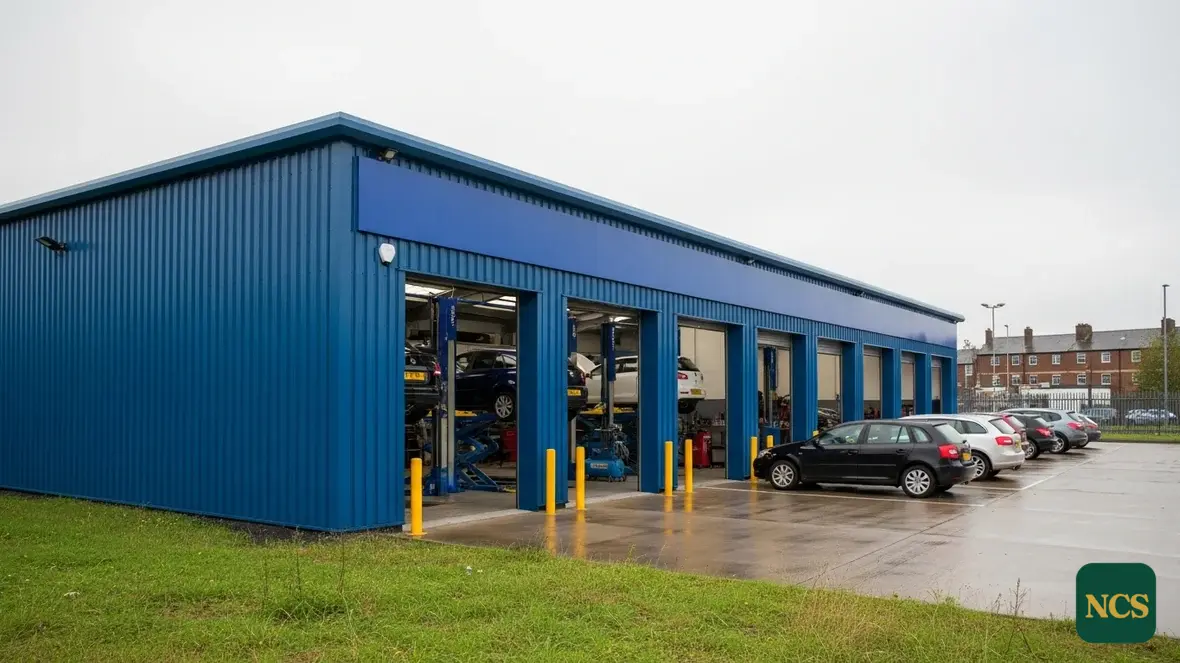
Cladding spraying in Plymouth
Plymouth’s weather arrives off the Atlantic with salt in it, and buildings here show the consequences sooner than most. Cladding spraying is the practical response: we don’t strip and replace panels that are structurally fine. Instead, we prepare existing cladding, repair it where needed and respray it in place. The building gets its colour and its protection back, and the budget stays a long way short of recladding.
National Coating Specialists works survey-led across Devon and the far south-west. The inspection always comes before the quote, because exposure this severe punishes assumptions. The same visit handles colour: whether you want a like-for-like refresh, a rebrand into corporate colours or simply moving a faded 1980s shade to something current, we match and agree the finish before anything is ordered.
Coastal weathering on the city’s buildings
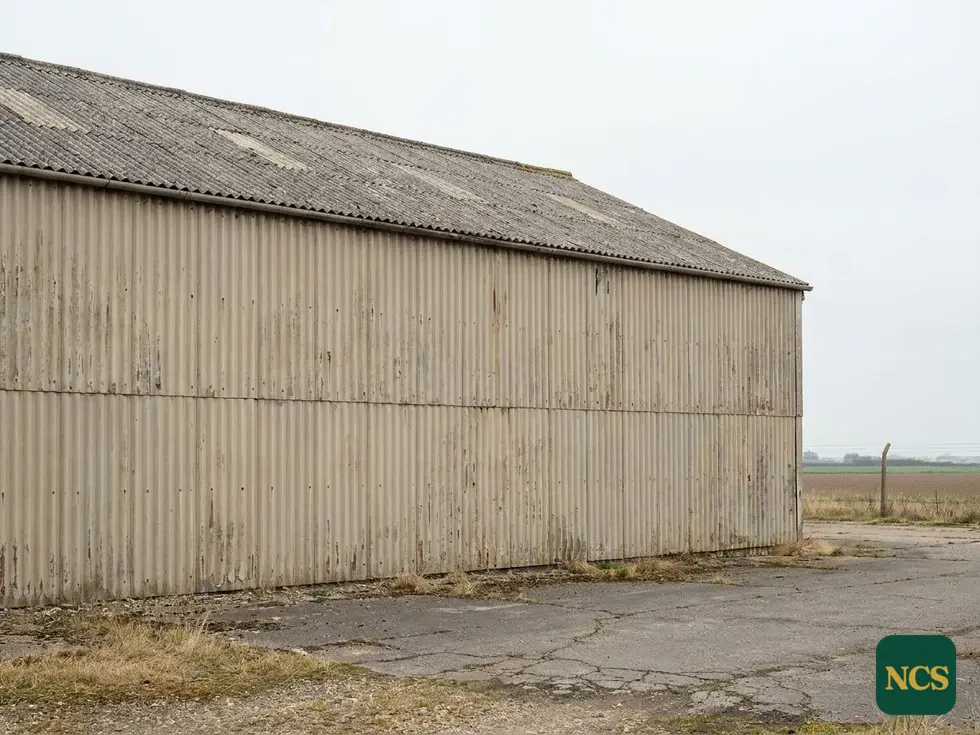
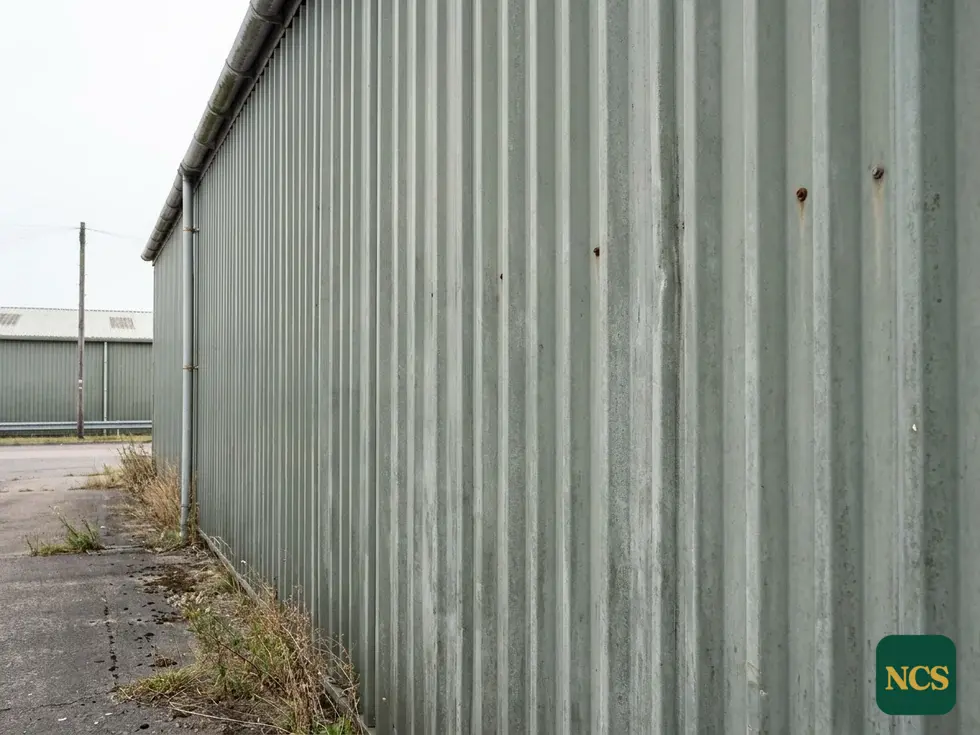
Between the waterfront, the dockyard end of the city and the trading estates further out, the pattern repeats: finishes faded hard on the weather face, rust tracking from cut edges and laps, staining under fixings, and gutters and flashings going before the panels do. Wind-driven rain keeps steel wet for longer here, so corrosion gets more done each year than it would inland.
The encouraging part is that most of what we see is coating failure rather than cladding failure, and coating failure is exactly what a respray fixes. We just have to make sure the preparation underneath it is done without shortcuts.
The same exposure shapes how we plan jobs. Spray application needs dry panels and workable conditions, so programmes here are built with sensible weather contingency. Days that are wrong for coating are used for washing, preparation and masking instead of being wasted or fudged.
How the work runs, from first visit to handover
- Site survey: substrate, adhesion, corrosion mapping, fixings and access
- Written scope and recommendation, followed by the price
- Repairs and any agreed panel replacement first
- Wash-down, degrease and mechanical preparation, including cut edge treatment
- Masking, then spray application of the specified system
- Final inspection walked with you
We phase jobs around your operations so deliveries and trading carry on. Our surveys cover Plymouth along with Saltash, Torpoint, Tavistock and Ivybridge, so being either side of the Tamar makes no practical difference. Shutters, doors, fascias, gutters and trims are normally brought into the same scope, because a renewed wall above a rusting gutter line undoes half the visual benefit of the job.
Enquiries from Plymouth arrive as cladding painting, respraying or refurbishment, and they all point at the same faded elevation.
When the honest advice is not to spray
Some cladding is past saving, and the south-west climate produces its share. Perforation, delaminated composite panels, saturated insulation cores and fixing failure across whole elevations all mean replacement, not coating. Our survey reports say so when that is what we find, and set out the alternatives, often a partial replacement followed by a full respray so the elevation finishes uniform.
We would rather give you that answer up front than collect for a coating that cannot perform. A respray sold over known defects is not a cheap job; it is an expensive one on a delay, and in a climate like this one the delay is shorter than anywhere else in England.
Why survey-led suits exposed buildings
On a sheltered building, a guessed quote might survive. On an exposed one it rarely does, and the shortfall surfaces either in the price or in the lifespan of the work. Surveying first means the preparation matches the corrosion, the system matches the substrate and the exposure, and the figure you agree is the figure you pay. If your building in Plymouth is looking weather-beaten, start with the inspection and decide from what it finds.