Commercial wall coating in Plymouth: specified for Atlantic weather
Plymouth faces the Atlantic, and its buildings know it. That salt-laden wind, the near-horizontal winter rain, and those rapid swings between soaking and drying make this one of the hardest environments in England for exterior finishes. A commercial wall coating in Plymouth has to be specified for that reality. That’s why we survey the building before we recommend anything. A system that performs in a sheltered market town can be visibly failing here within a few seasons.
What Devon’s largest city is built from
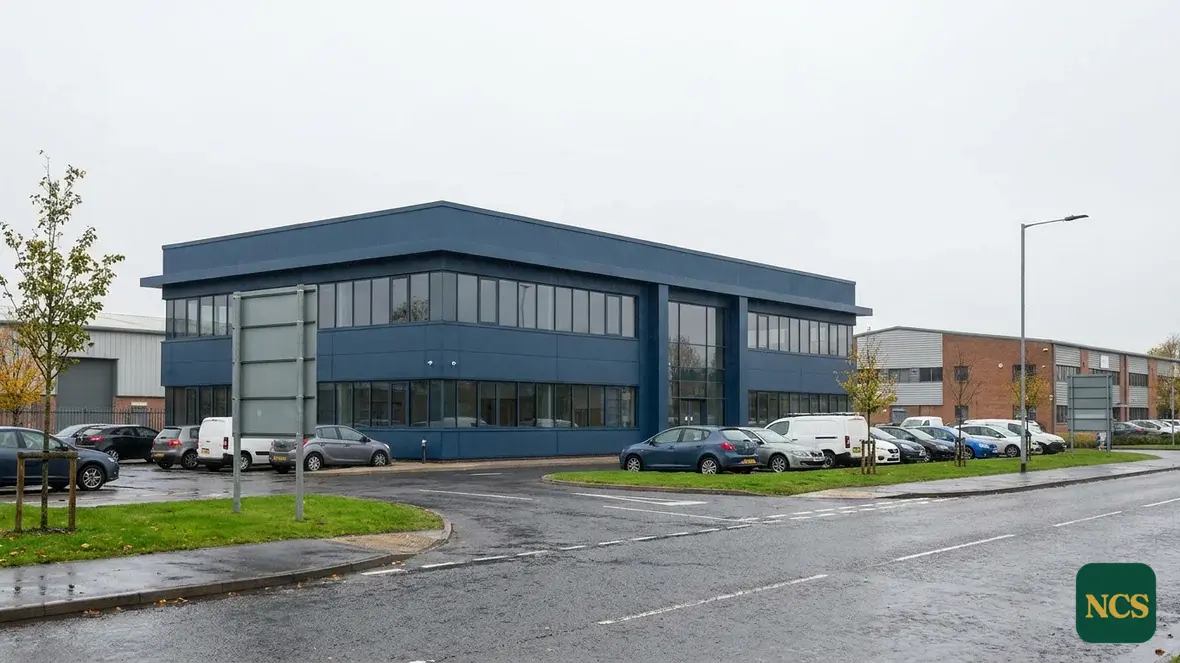
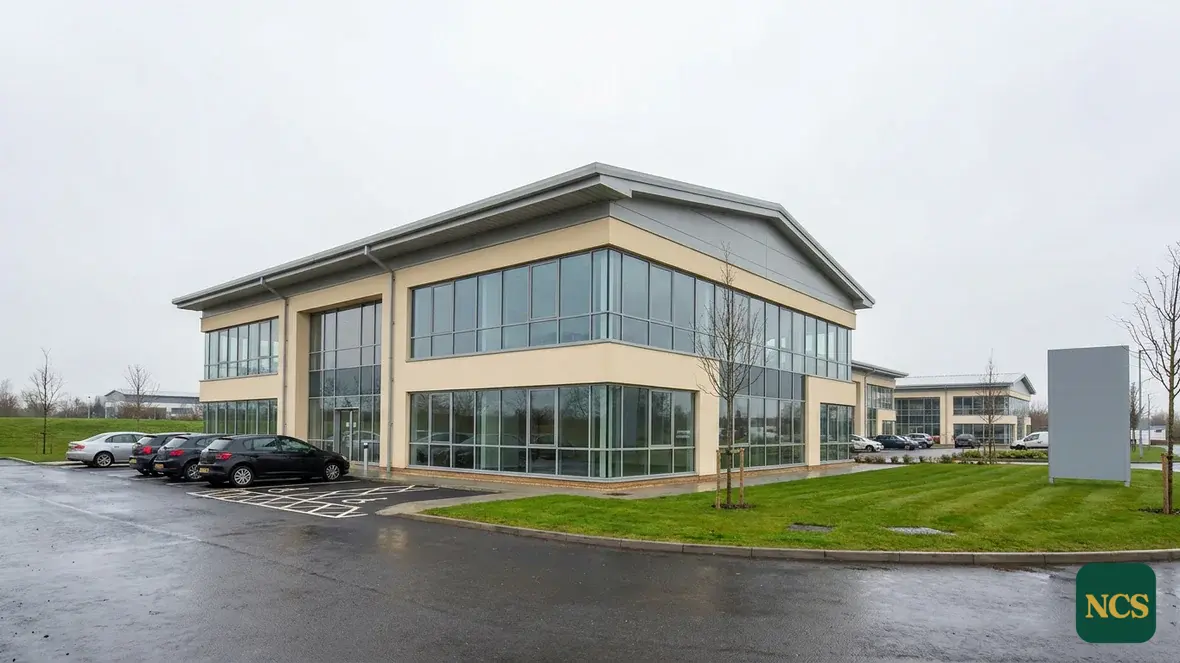
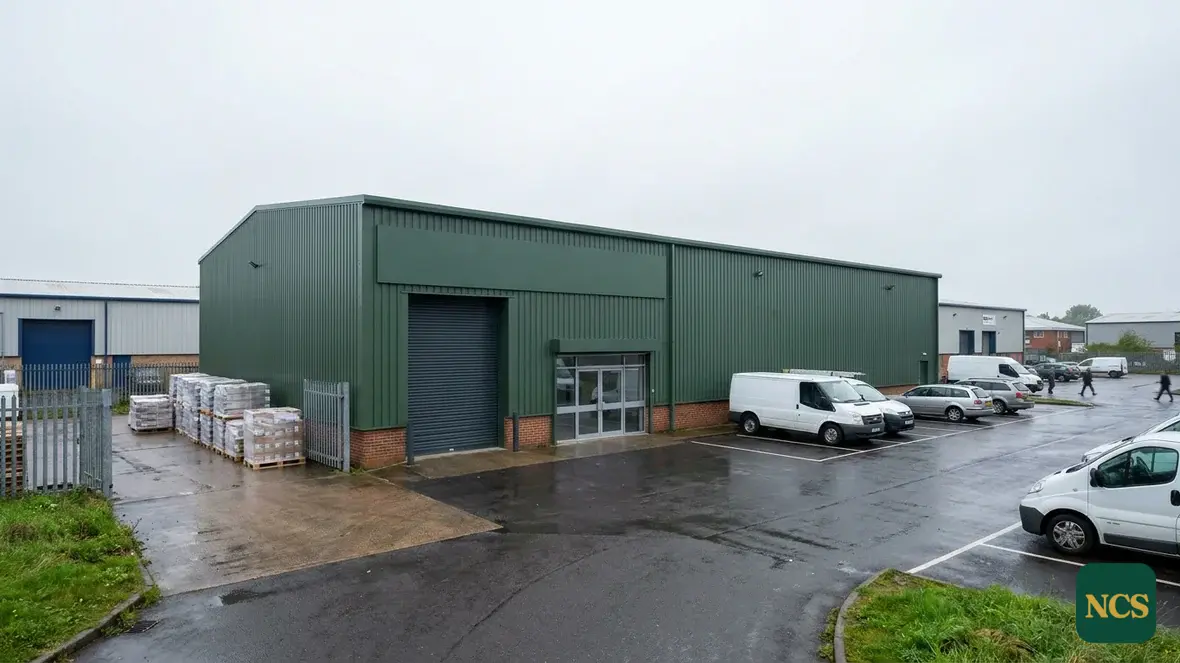
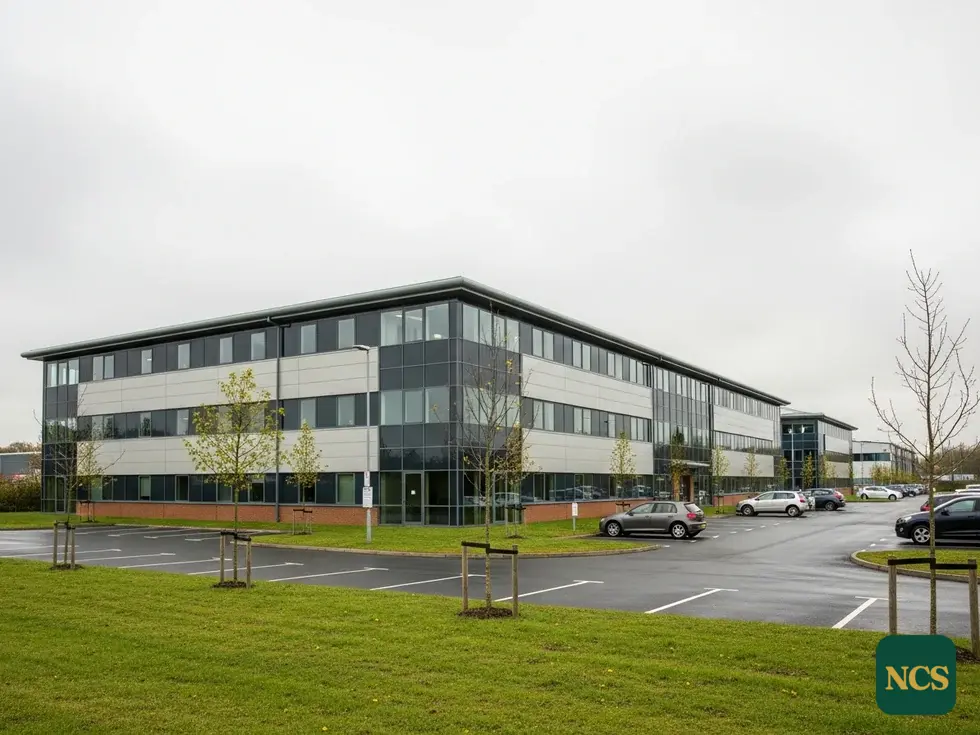
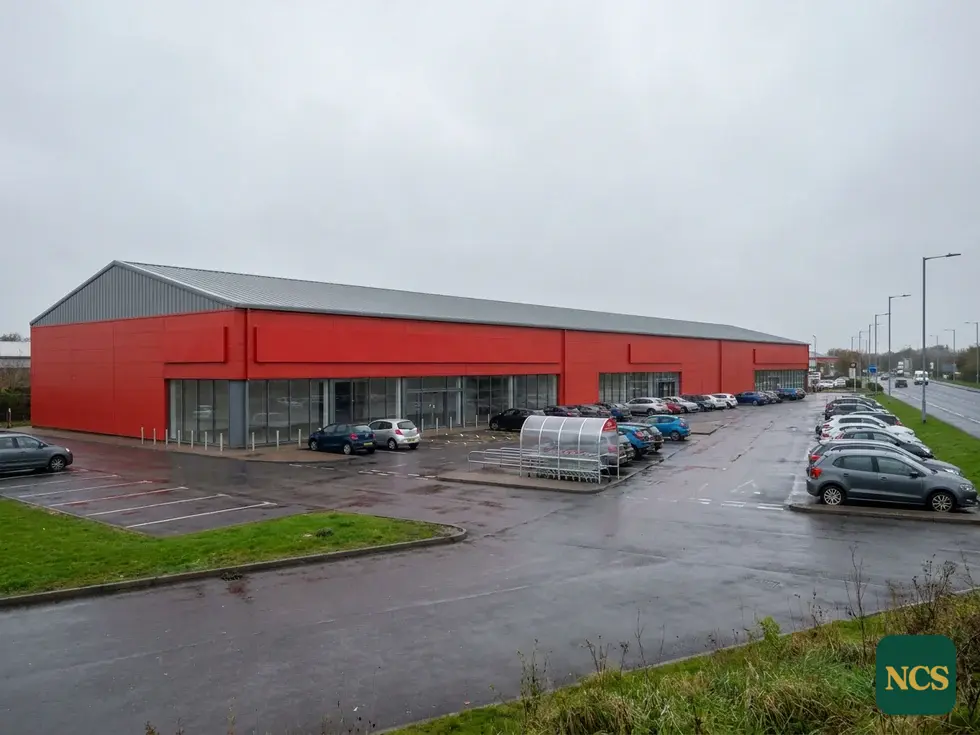
The rebuilt post-war centre gives Plymouth a large stock of rendered and concrete-framed commercial buildings, with painted render the dominant finish. Around the waterfront, we see hospitality and leisure premises in older masonry. The trade and industrial estates on the city’s edges add steel-framed and brick units. Many elevations sit high on exposed slopes with nothing between them and the weather. Painted render in this climate often fails through cracking, chalking, and water tracking behind the film. Each of those calls for different preparation, not just a fresh colour.
The survey-led process, step by step
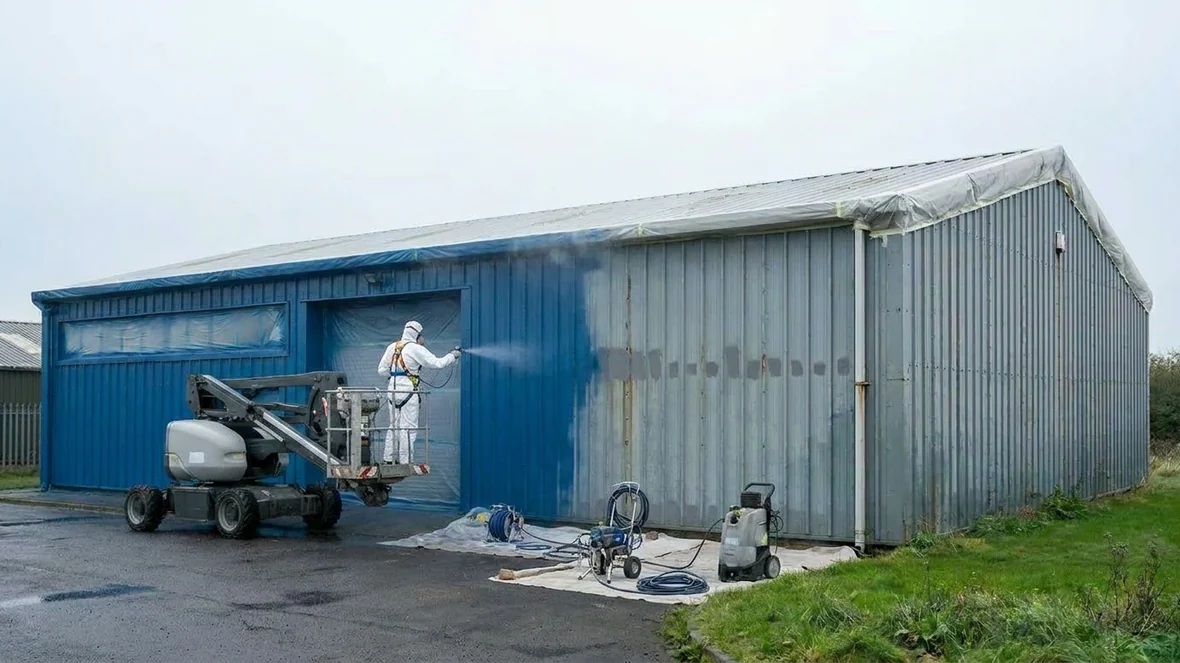
It starts with us coming out to inspect: we take moisture readings across each elevation, check adhesion on the existing paint or coating, map out cracks with a view on their cause, and check the gutters, downpipes, parapets and sills that feed most damp problems. Our findings become a written recommendation covering preparation, repairs and the proposed system, or an honest explanation of why coating should wait. We survey on the same basis across the wider area, including Saltash and Torpoint across the Tamar, and inland to Tavistock and Ivybridge.
- We judge exposure elevation by elevation, not for the building as a whole.
- We record moisture figures before we write any specification.
- We test existing finishes for adhesion; we don’t assume they’re sound.
- We inspect roofline and rainwater details as damp sources.
- We set out preparation and repairs in writing ahead of any coating.
If you are comparing commercial painting contractors in Plymouth, ask each one what happens to the cracked render before the finish goes on. That answer separates painting from decorating.
When honesty means saying not yet
Some walls just aren’t ready. Saturated masonry has to dry once its leak is fixed. Hollow render has to come off. Cracks driven by live movement will just reopen through any filler. Salt-affected surfaces sometimes need re-rendering before a coating can bond. We would rather report that and lose a quick sale than apply a finish that seals a fault into the wall, because in this climate a buried fault resurfaces fast.
Why survey-led is the right buy on this coast
The Atlantic doesn’t forgive thin preparation. A survey-led contractor in Plymouth earns the work by diagnosing the wall correctly: the substrate, the moisture, the cause of failure, the order of works. That’s what separates a coating that sheds weather for years from one that needs excuses by its second winter. If your commercial elevation is cracking, staining or letting damp through, the inspection comes first and the decision follows the evidence.