









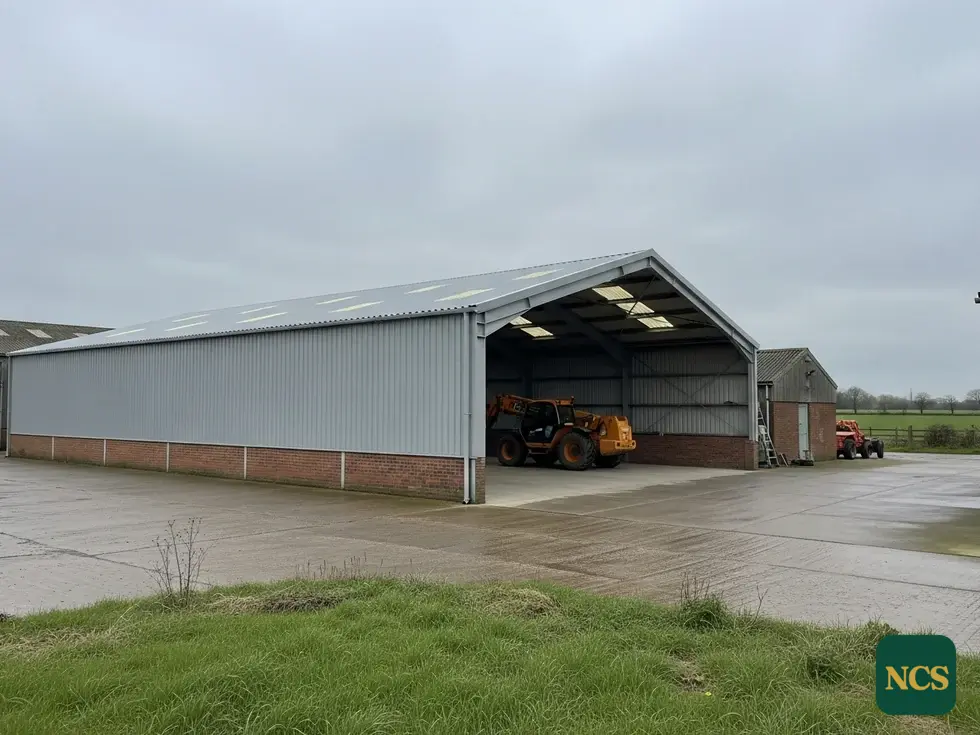
Agricultural buildings on the Salford fringe
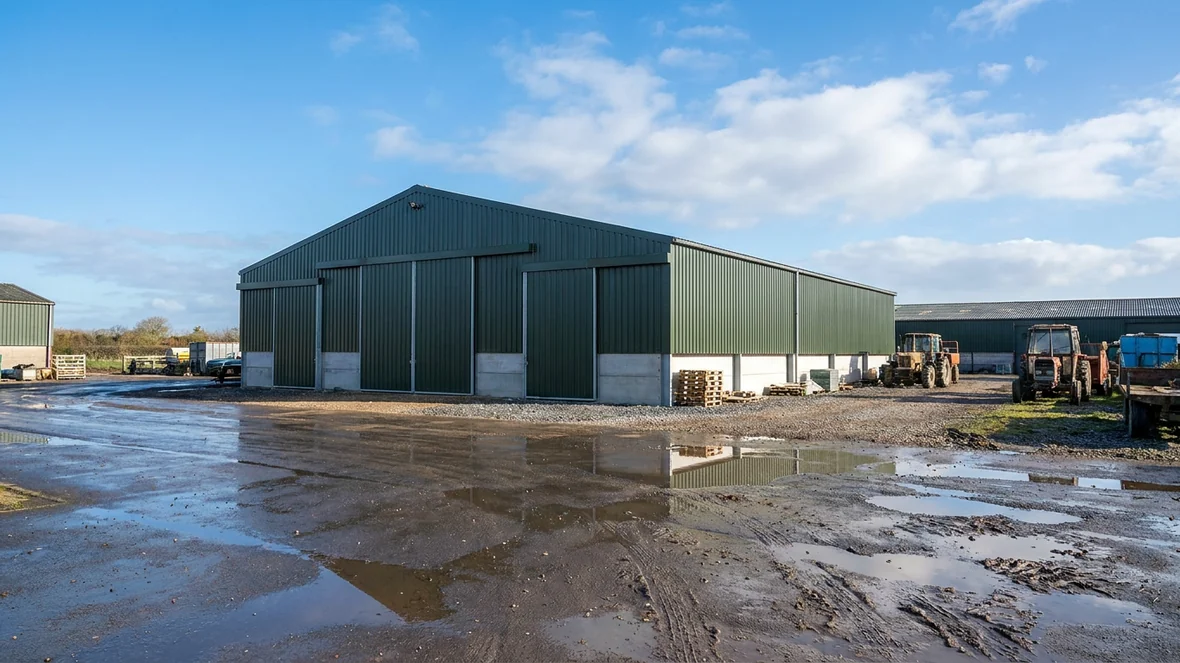
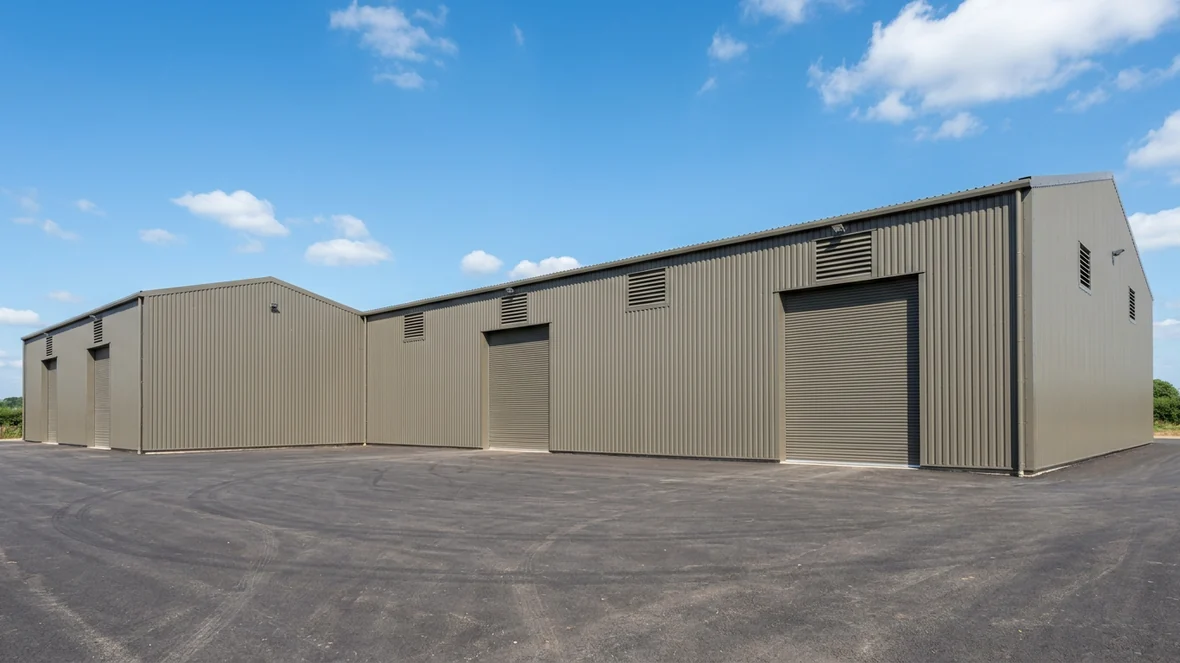
Salford reads as a city, but its boundary runs out to genuine farmland on the western edge, with grazing and mixed holdings spreading towards Eccles, Worsley and the mosslands beyond. The buildings out there are the usual working mix: steel-framed general-purpose barns, machinery and implement sheds, fodder and grain stores, and livestock buildings on the dairy and beef units. Greater Manchester weather is the constant factor, with high rainfall and long damp spells that keep laps, gutters and metal undersides wet and accelerate corrosion.
We survey agricultural buildings around Salford and across this part of Greater Manchester, then advise honestly on whether a coating is worth doing. Some roofs are good candidates. Others are not, and we say so.
What coatings can and cannot do
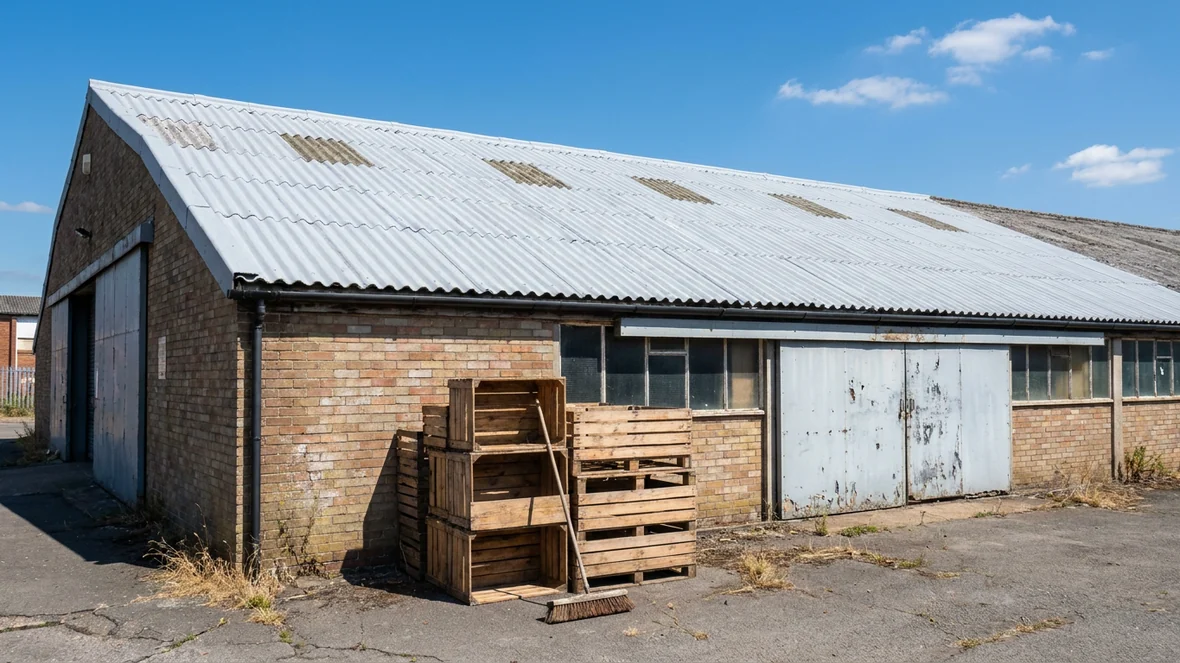
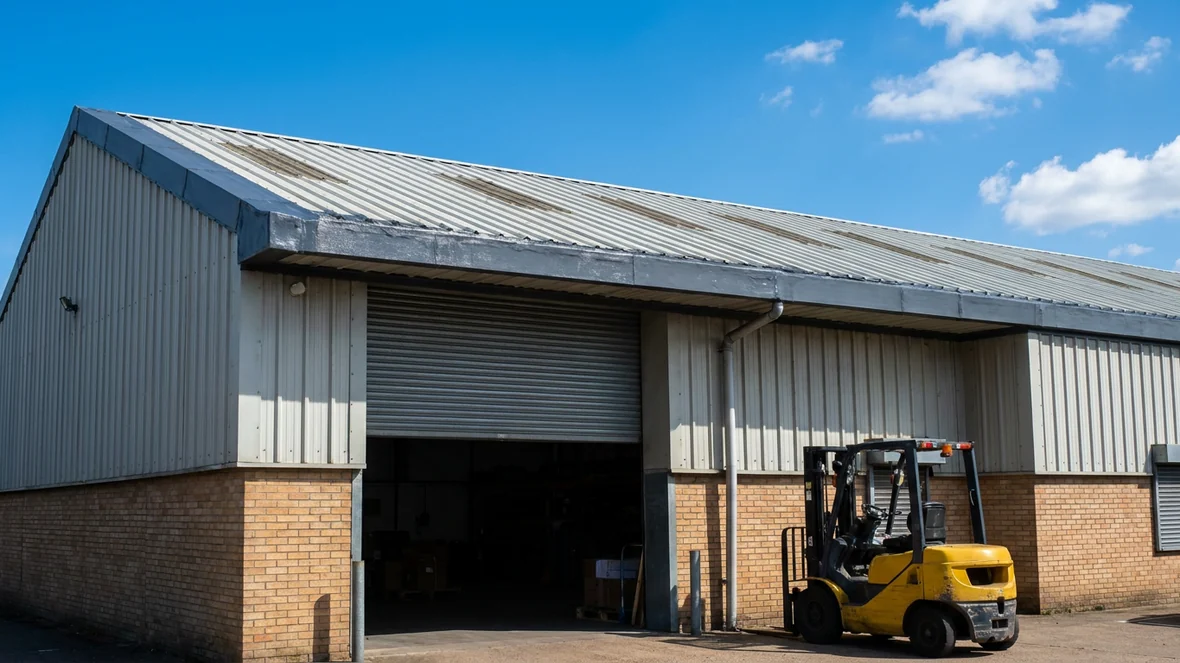
A coating on a sound profiled-metal roof slows corrosion, improves weather resistance and lifts the appearance of a tired building. On fibre-cement that is weathered but intact, it can seal the surface and extend service life. What a coating cannot do is replace a roof that has failed. Perforated sheets, pulled fixings and brittle, cracked fibre-cement are repair or replacement jobs, not painting jobs. We are clear about that line on every Salford survey.
- Profiled steel and box-profile roofs on barns and stores
- Fibre-cement on older agricultural buildings
- Cladding and walls on machinery and livestock sheds
- Gutters, valleys and laps where corrosion starts
Repair, coat or replace
The honest assessment usually comes down to three options per building, and often a mix across a holding. Coat the sound roofs, repair the bays that are failing at the laps or fixings, and plan to replace anything past saving. Asbestos-cement needs the most caution: it appears on plenty of older agricultural roofs near Salford, and the rules on disturbing it are strict. A sound sheet may suit encapsulation; a broken one points to licensed removal, not a coating. We will not blur that distinction to win work.
Fitting the work to the farm
Livestock buildings are rarely empty and machinery sheds fill up at the busy times, so access drives the plan. We schedule around housing, turnout and the working year, taking grain and fodder stores while they are clear and spreading larger programmes across seasons where that suits the holding. The point is to protect the buildings without stopping the farm.
Survey-led, every time
We do not quote agricultural coatings blind. Somebody gets up on the roofs, checks condition, and reports back so you can see which buildings are coating candidates and which need a different answer. For farms around Salford the survey is free and you are under no obligation to go ahead.