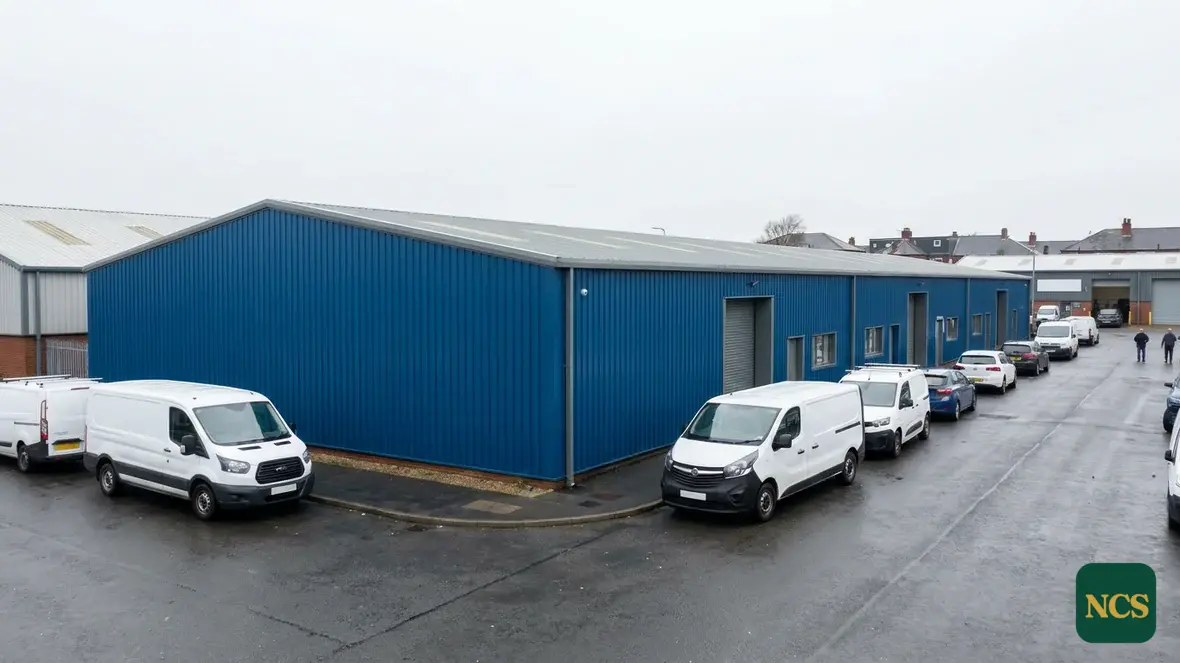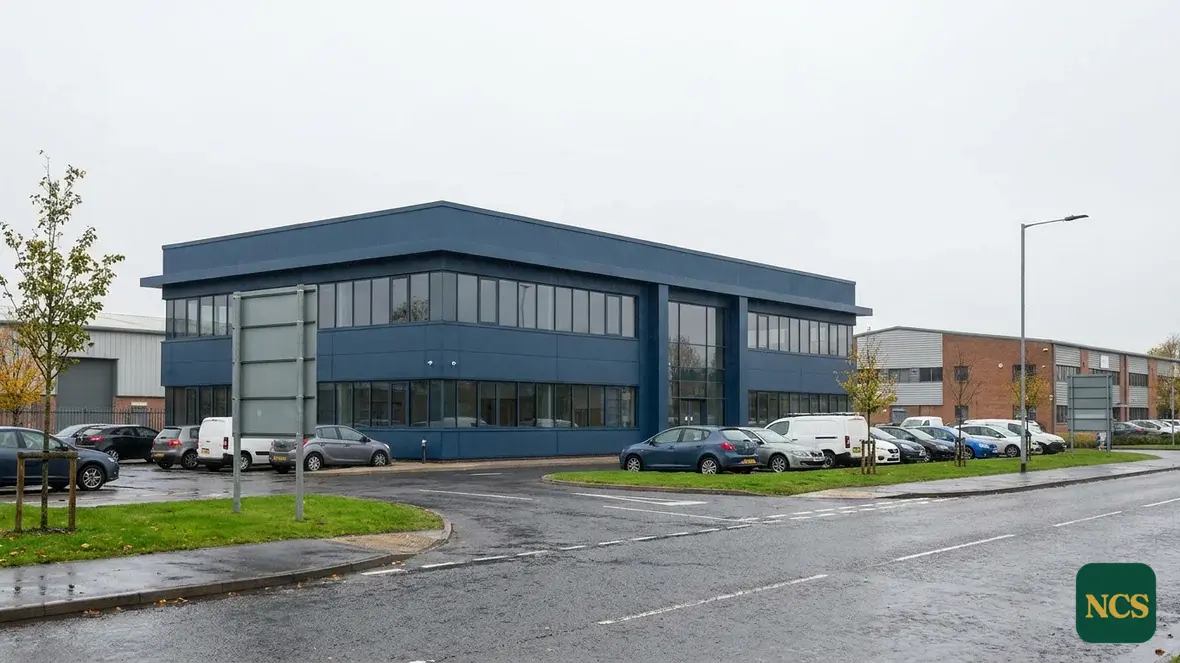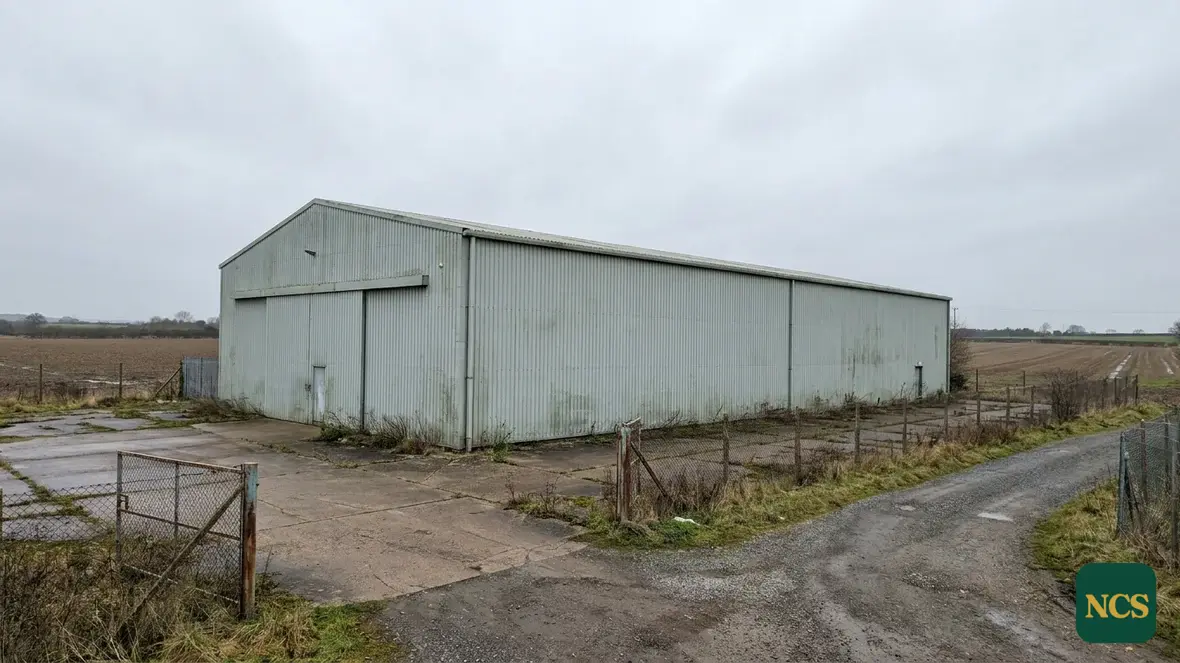
Cladding spraying in Salford
You can’t miss the difference between a 1990s trading-estate unit and the newer developments going up across Salford. Cladding spraying closes that gap without recladding: we prepare and respray the existing panels on site, in any colour, and the building looks current again. At National Coating Specialists, we always start with a survey, inspecting the cladding before we quote, so our price reflects your building, not a guess.
It’s a good approach for landlords protecting their rents, owner-occupiers due a rebrand, and managing agents with an estate that needs lifting one unit at a time rather than all at once. For multi-let estates, agreeing on a common colour palette and respraying units as leases allow is a practical way to bring a whole site up to standard over a couple of years. It spreads the cost too, avoiding one big capital hit, and the survey of the first unit usually tells us most of what the rest will need.
Where a Salford elevation mixes sound panels with damaged ones, the survey maps which get repaired, which get resprayed and which have to be replaced.
What the Greater Manchester climate does to cladding
This is one of England’s wetter spots, and that persistent moisture is tough on coated steel. Water sits in laps and behind flashings, cut edges stay damp longer, and corrosion gets more running time each winter than it would in the drier east. You’ll see the results all over Salford, Manchester, Trafford, Eccles and Bolton: rust stains tracking down from sheet ends, blistering along bottom edges, and finishes that have faded unevenly on the weather face.
None of this is unusual, and most of it is fixable, provided we treat the corrosion properly before anything gets sprayed over it. That order of operations is the difference between a respray and a repaint. It also shapes the programme: coatings need dry surfaces and workable temperatures to cure, so realistic scheduling around the local weather is part of the plan, not an excuse we offer afterwards.
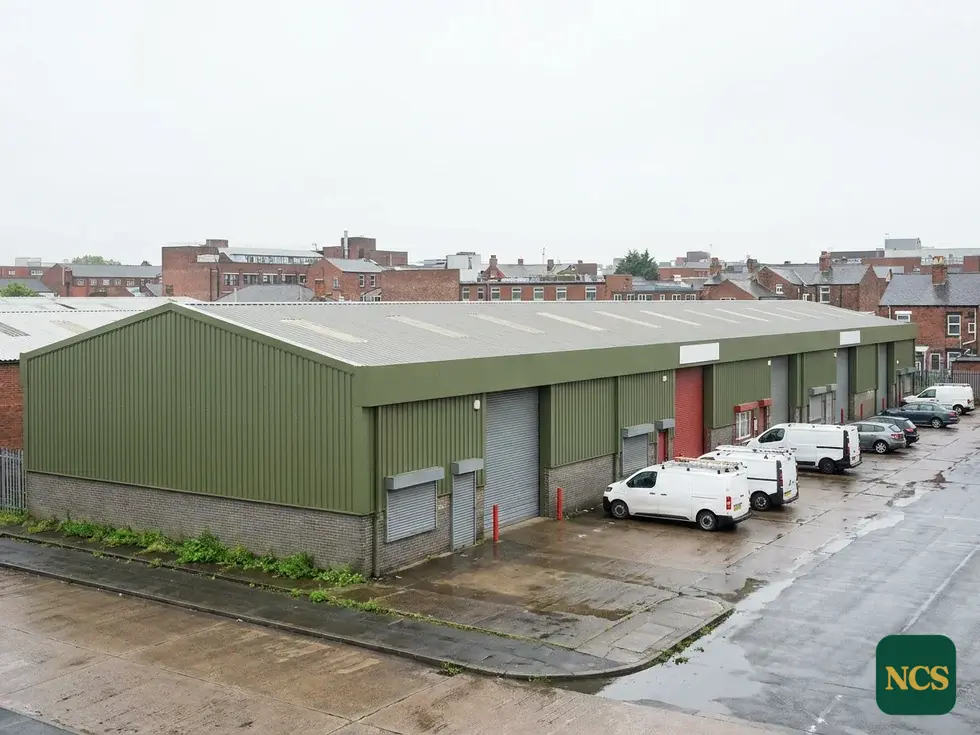
Questions the survey answers before you spend
An inspection visit settles the things a photograph can’t:
- Is the existing coating sound enough for a new system?
- How far has the cut edge corrosion spread, and can we treat it?
- Do any panels need replacing before we respray?
- What preparation does each elevation actually need?
- How should we phase the work around your tenants or operations?
The answers come back as a written scope, with our recommended coating system and the reasoning behind it. That way, you can compare it fairly against any other quote on the table and see exactly what each figure does and does not include.
The jobs we turn down
Some buildings simply shouldn’t be sprayed, and a contractor who never says so isn’t surveying properly. Things like perforation, delaminating composite panels, wet insulation cores and widespread fixing failure all call for replacement, not coating. If we find them, you’ll hear it straight from us, along with what we’d do instead. That might be a partial replacement followed by a respray, or a recommendation to get recladding advice.
A coating applied over failing cladding looks fine at handover, then fails early. That helps nobody, least of all the contractor whose name is attached to it.
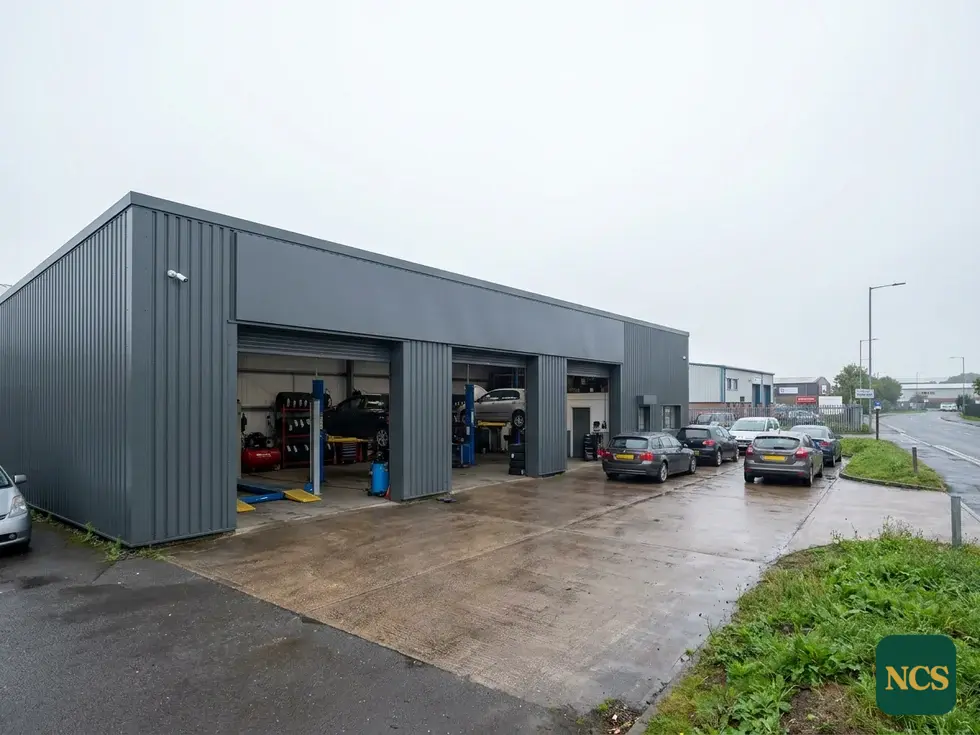
Survey-led, for a reason
Pricing after inspection keeps the job honest at both ends: you’re not paying a padded rate to cover unknowns, and we’re not discovering expensive surprises mid-programme. We match the system to the substrate, the preparation to the corrosion, and the phasing to the people using the building. If you have a clad building in Salford that’s started to look its age against the skyline going up around it, arrange a survey, read the report, and decide with the condition of your own panels in front of you.