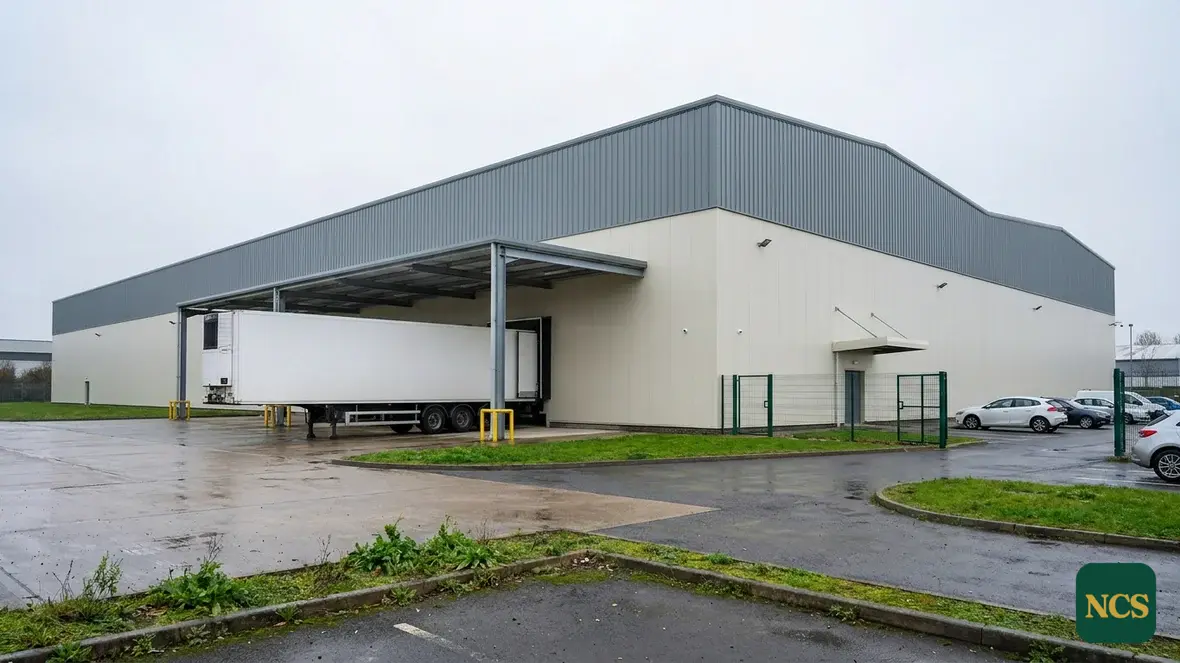
A good chunk of the industrial floorspace in and around Salford sits under profiled metal roofs that are now twenty or thirty years past their installation date. We’ve seen it time and again: distribution sheds close to the M60 and M602, trading-estate units in the older industrial pockets and factories that have changed occupiers several times all share a common problem. The roof still performs structurally but is failing at the surface. For the facilities and estates teams running these buildings, the real question isn’t whether the roof needs attention, but how to deal with it without interrupting the operation underneath. Industrial roof coatings are often the answer, though not always, and we’re upfront about both sides.
Why coating suits Greater Manchester’s big sheds
Stripping and re-sheeting a 3,000 square metre roof is slow, disruptive and expensive. It can also be completely unnecessary. Where the sheets are sound and the problems are surface-level, things like failing factory finishes, surface rust, weathered laps or persistent joint leaks, a coating system restores the weatherproof layer at a much lower cost and with far less disturbance than replacement. The wet North-West climate punishes neglected metal roofs, so the gap between cosmetically tired and actively leaking closes faster than estates teams sometimes expect. Catching a roof inside the coatable window, before corrosion perforates the sheet, is what makes the economics work.
Cut-edge corrosion: the usual suspect
On profiled steel roofs the first place to fail is almost always the cut edge. That’s where sheets were guillotined during manufacture and the protective layer does not wrap around the exposed steel. Rust creeps back from the lap joints and eaves, lifting the finish as it goes. Caught early, cut-edge corrosion is treated by preparing the affected edges, applying a rust-inhibiting primer and sealing the laps before the full coating goes on. Left for years, it eats through the sheet and turns a coating project into a sheet-replacement project. Most profiled metal roofs of this age in Salford sit somewhere along that line, and a survey establishes exactly where.
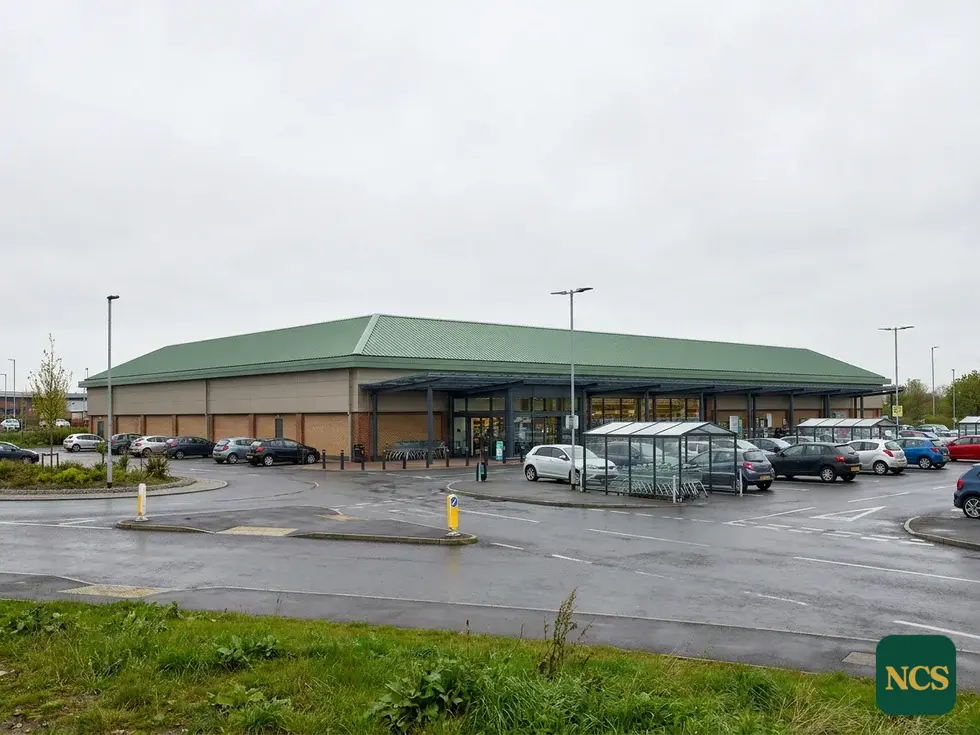
Survey first, recommendation second
We do not quote industrial roof coatings from aerial photographs. A proper inspection covers the points that decide whether a coating will actually last:
- Sheet condition and any perforation, checked rather than assumed
- Extent of cut-edge corrosion at laps, eaves and ridges
- Fixings and fasteners, including failed washers
- Gutters, rooflights and penetrations that need attention first
- Signs of moisture in the build-up on composite roofs
The report sets out what we found and what we would do, in plain terms. If the right answer is localised repair plus a coating, that is what we recommend. If the roof is not coatable, we say so.
Where a Salford factory roof mixes sound sheets with corroded runs, the survey maps repairs first and painting second.
Working around a live operation
Most industrial buildings in Salford cannot stop for roof work. Coating systems are applied from outside, so production lines, racking and stock stay exactly where they are. There is no strip-off phase, which means no days when the building stands open to the weather, and noise is minimal compared with mechanical removal. We agree access routes, delivery windows and any sensitive zones with your facilities team before work begins, then sequence the roof in sections so the site keeps running. We are based in the South-East and work across the UK, and we plan northern projects so travel never dictates the programme.
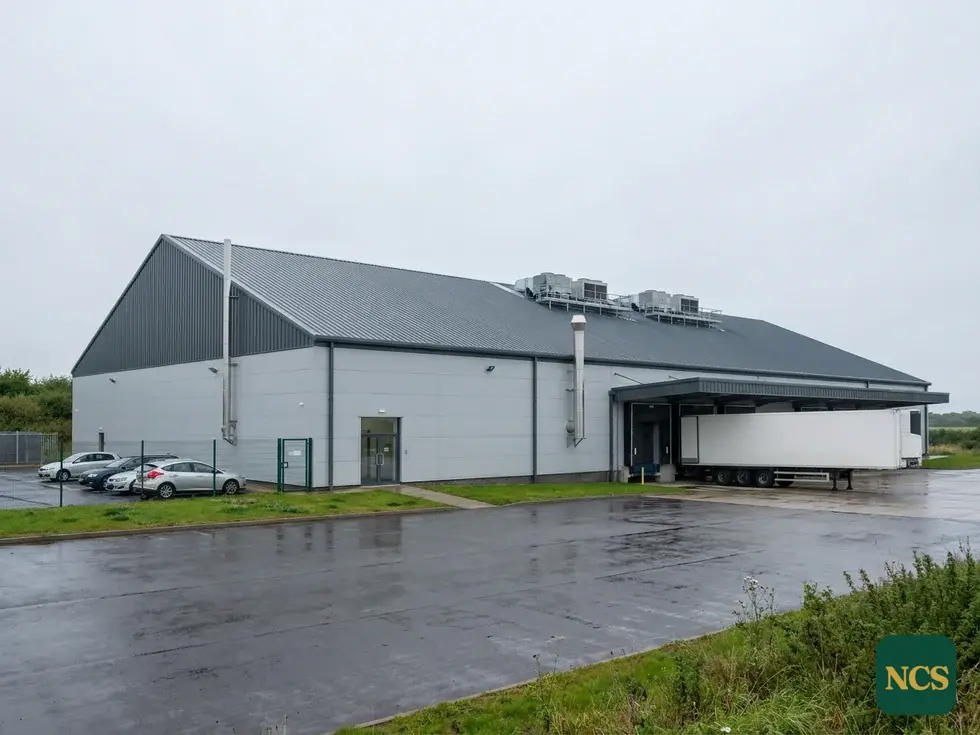
When we will tell you not to coat
A coating is a refurbishment, not a resurrection. If corrosion has perforated sheets across large areas, if the fixings or purlins underneath are failing, or if a composite roof has saturated insulation, coating over the top wastes your budget and stores up a bigger failure for later. The same applies to fibre-cement roofs that have become too brittle to work on safely. In those cases the honest recommendation is partial sheet replacement, overcladding or a full re-roof, and we will put that in the survey report even though it may mean we do not win the work. A coating only makes sense on a roof with enough life left to justify it, and the survey exists to find that out before anyone spends money.