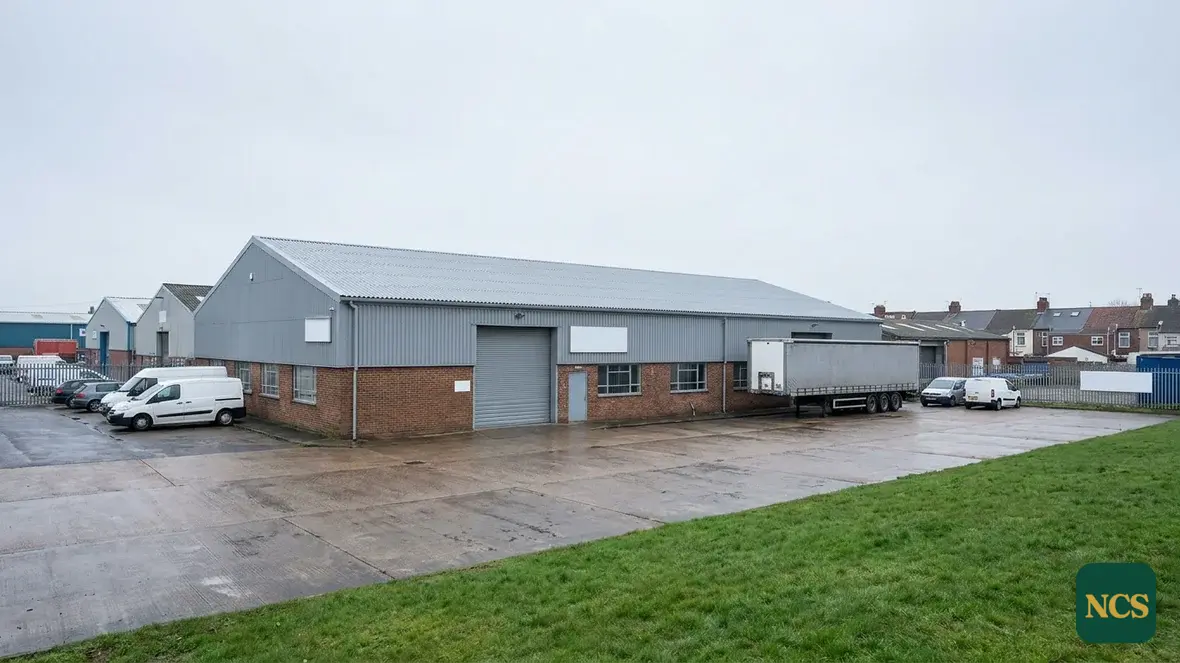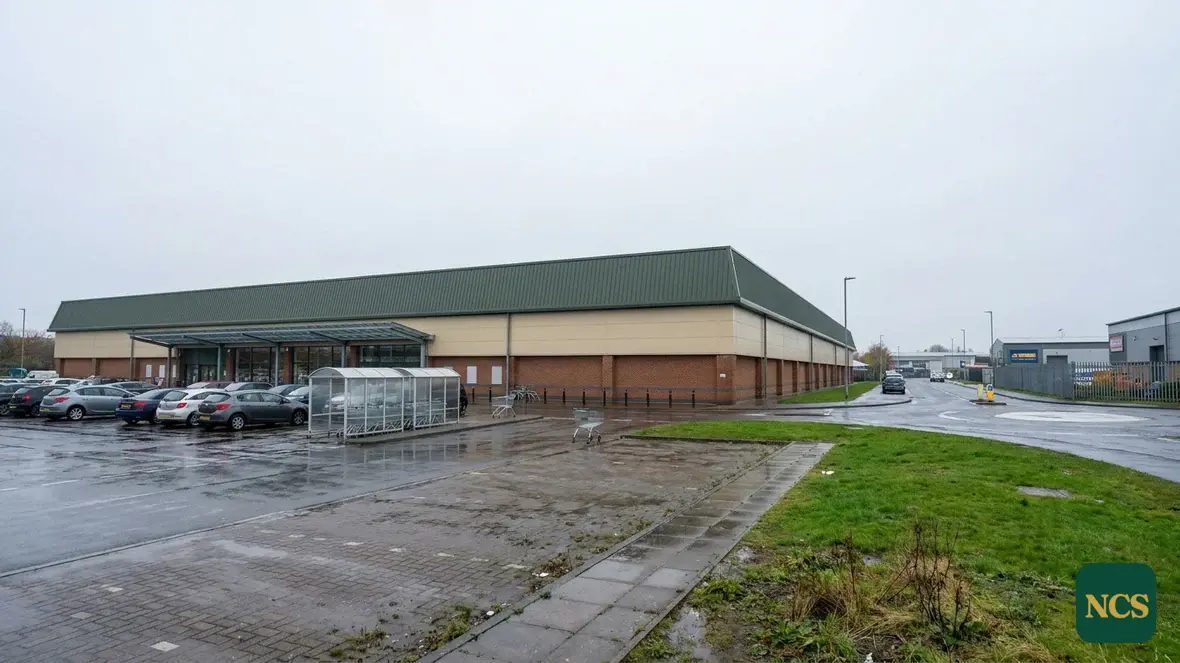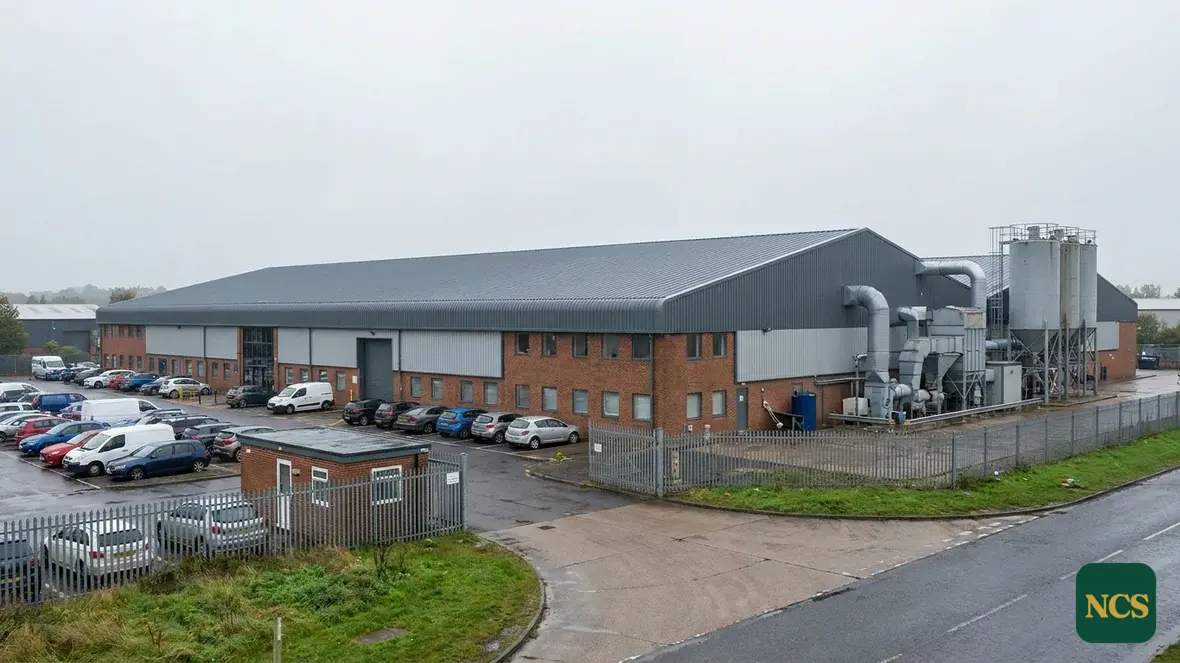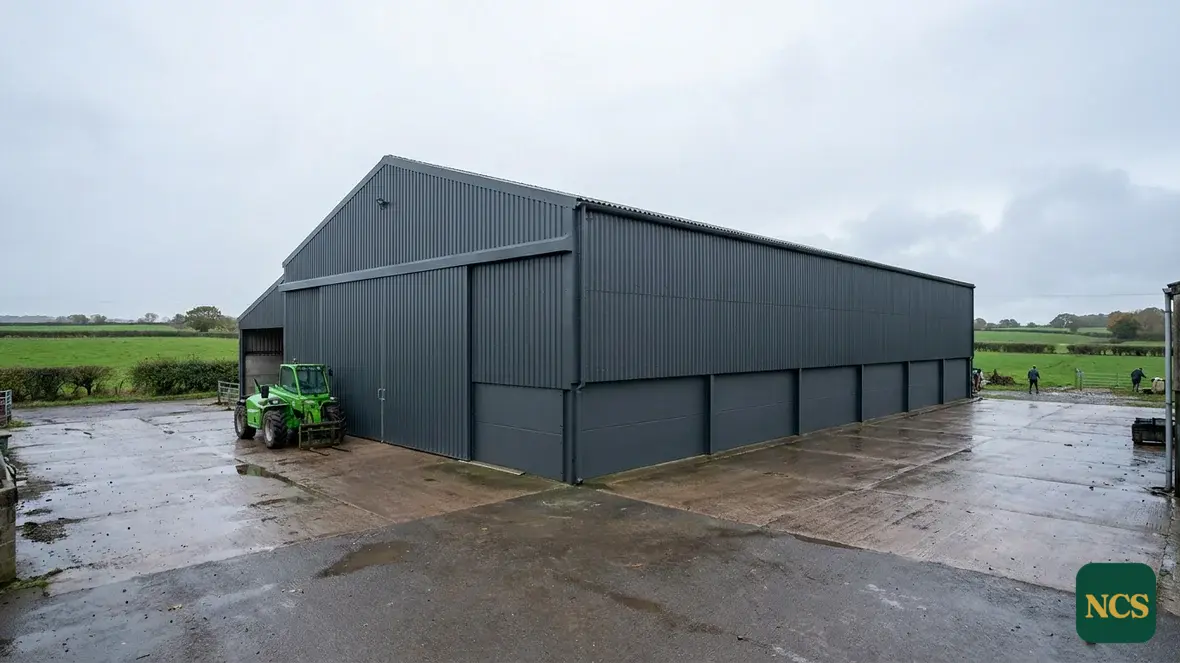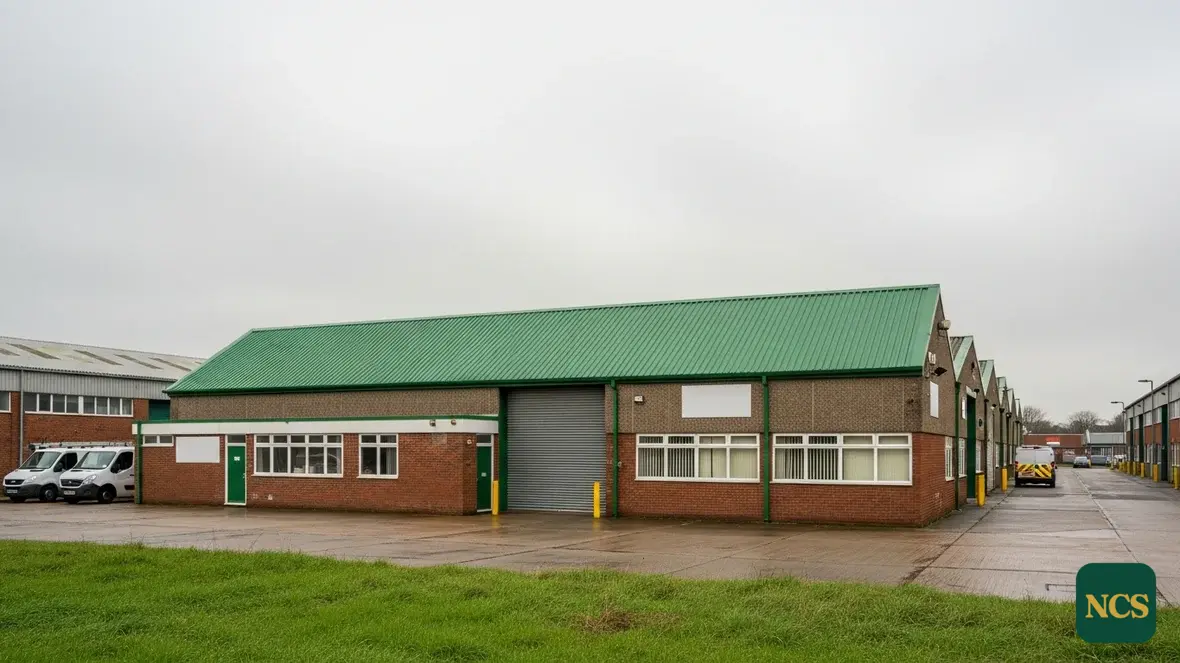
Plenty of working buildings around Shrewsbury still carry a corrugated asbestos cement roof. On the trading estates that ring the town, on the agricultural and light-industrial units across this part of Shropshire, and on older garage and storage blocks, the grey fibre-cement sheet was the standard roof covering for decades. If you own or manage one of these buildings, you eventually reach a fork in the road: keep the roof and manage it, or pay to take it off. Where the sheets are still sound, encapsulation is usually the better-value answer.
The duty to manage, in plain terms
Regulation 4 of the Control of Asbestos Regulations 2012 puts a duty to manage asbestos on whoever controls a non-domestic building. In practice that means you have to find the asbestos-containing materials, judge their condition, write it down, and have a plan to keep the risk under control. On stock built between the late 1950s and the early 1980s, the roof is often the single largest asbestos element on the site.
What the regulation does not say is that you must rip it out. The legal test is condition and control, not removal. A correctly applied encapsulation system is a recognised way of keeping sound asbestos cement in a safe state, which is why it can satisfy your duty at a fraction of the cost of stripping and replacing a roof, and without closing the building down while the work happens.
What encapsulation does to the sheet
Asbestos cement sheds fibres as the surface slowly weathers, cracks and erodes. Encapsulation stops that process. The roof is cleaned using controlled wet methods rather than dry abrasion, loose fixings and tired flashings are made good, minor defects are repaired, and the whole surface is sealed with a flexible coating made for asbestos cement substrates. You end up with a watertight roof, the fibres locked into the sheet, and several more years of service from a covering that was otherwise on a slow decline.
Why we survey before we price
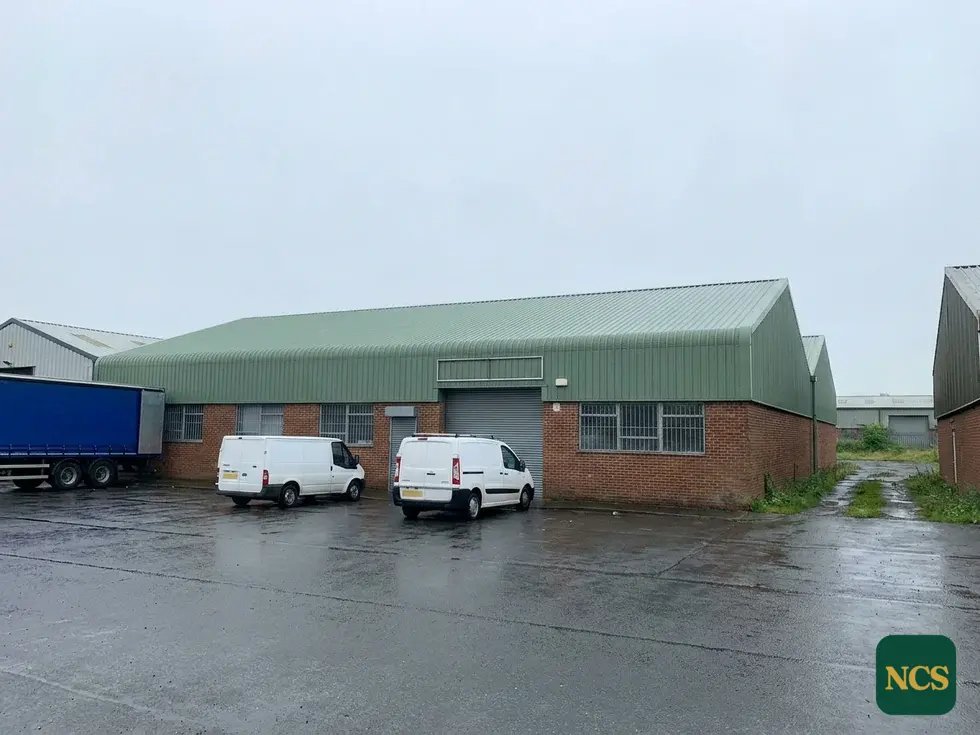
Not every Shrewsbury roof is a candidate, so we look before we talk numbers. Encapsulation tends to make sense where the basics are in order:
- The sheets are weathered but not widely cracked or holed
- The cement is still intact rather than soft or delaminating
- Fixings, laps and flashings are sound or easily repaired
- The structure beneath carries the load safely
- The building has a working future worth the spend
You get written findings and a clear recommendation, backed by what we actually saw on the roof, not a guess made from the car park.
When we will tell you removal is the right call
An honest survey sometimes ends with the answer you did not want. Coating a failing roof is wasted money: the coating flexes with the sheet, and if the sheet is breaking up, nothing painted on top will hold it together. Where we find brittle, delaminating or heavily cracked sheets, leaks that keep returning, or a frame that can no longer take the load, we will recommend removal and replacement and say so in writing. The same applies if the material is not asbestos cement at all. Higher-risk products such as insulation board or sprayed coatings sit in a different category and normally need an HSE-licensed removal contractor. Encapsulation is for sound asbestos cement and nothing else.
What changes, and what does not
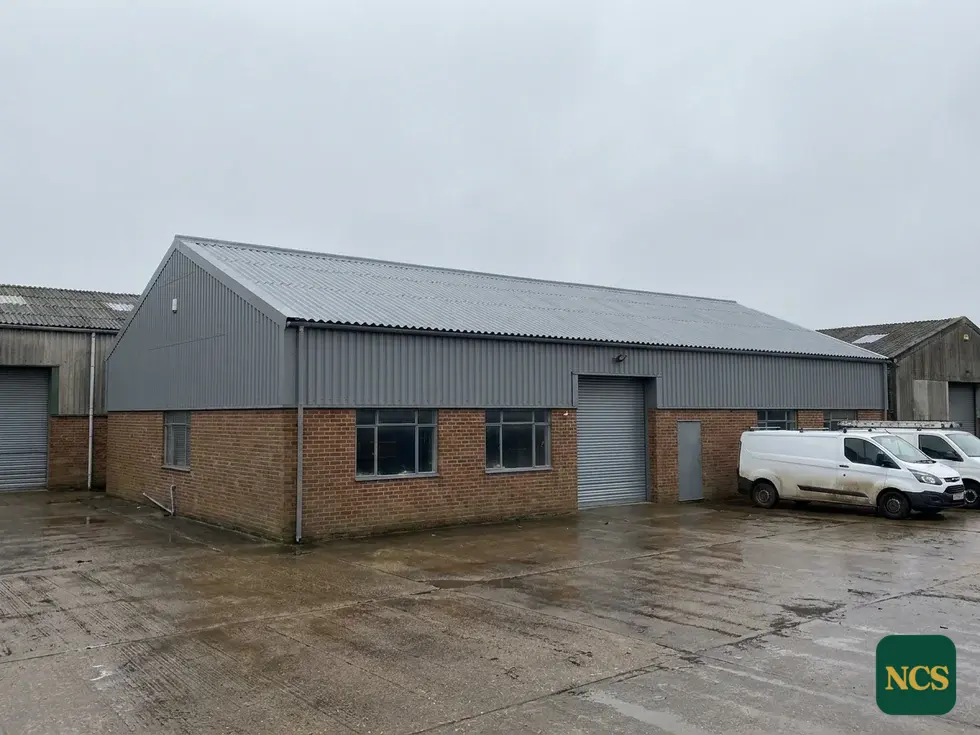
Worth being clear: encapsulation does not end your duty to manage. The asbestos stays in place, stays on your register, and should be re-inspected from time to time. What changes is its condition, from a slowly deteriorating liability into a sealed, maintained roof you are actively controlling. If you are responsible for a building in or around Shrewsbury with an ageing fibre-cement roof, a proper condition survey is the sensible first move, and it gives you the evidence to decide between coating, repair and removal rather than guessing.