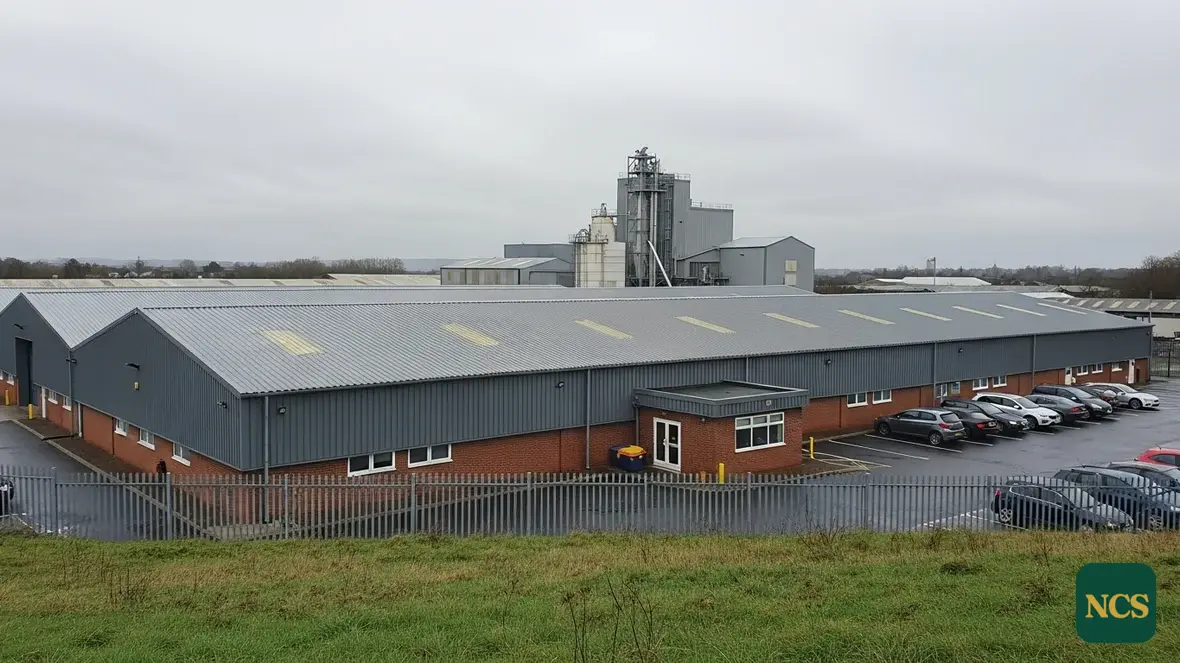
The cheapest year to deal with cut edge corrosion is always the year you first notice it. Every winter that passes after that pushes the job further from maintenance and closer to re-roofing. For owners of steel-roofed buildings around Shrewsbury, from farm sheds in the surrounding countryside to units on the business parks at the edge of town, that timing question matters more than any product choice.
A defect built in on the day the roof went on
Cut edge corrosion isn’t a sign of a bad roof. It’s a built-in characteristic of coated steel sheeting. The faces of each sheet carry a factory finish, but the ends were cut, and cut means bare metal. Those bare ends sit in the wettest parts of the roof: the eaves overhang and the overlaps between sheets. Water reaches them, rust starts, and the corrosion then undermines the coating from beneath, lifting it back millimetre by millimetre and exposing fresh steel as it goes. The defect feeds itself. That’s why it never simply stops on its own.
The numbers behind early treatment
Treated early, the work is confined to the edge zones: preparation, primer and a flexible seal over laps and sheet ends. The sheets stay, the structure stays, and the building stays in use throughout. Left until the laps perforate, the costs stack differently. You’ve got leaks to chase, internal finishes or stored equipment to make good, and ultimately sheets to replace, which on an occupied building means access, downtime and disruption that dwarf the original treatment scope. We won’t put figures on it without a survey, because every roof differs, but the gap between early and late intervention is consistently stark.
Treating cut edge corrosion on a Shrewsbury roof early costs a fraction of what the repair becomes later. The survey is free either way.
What we see on Shropshire roofs
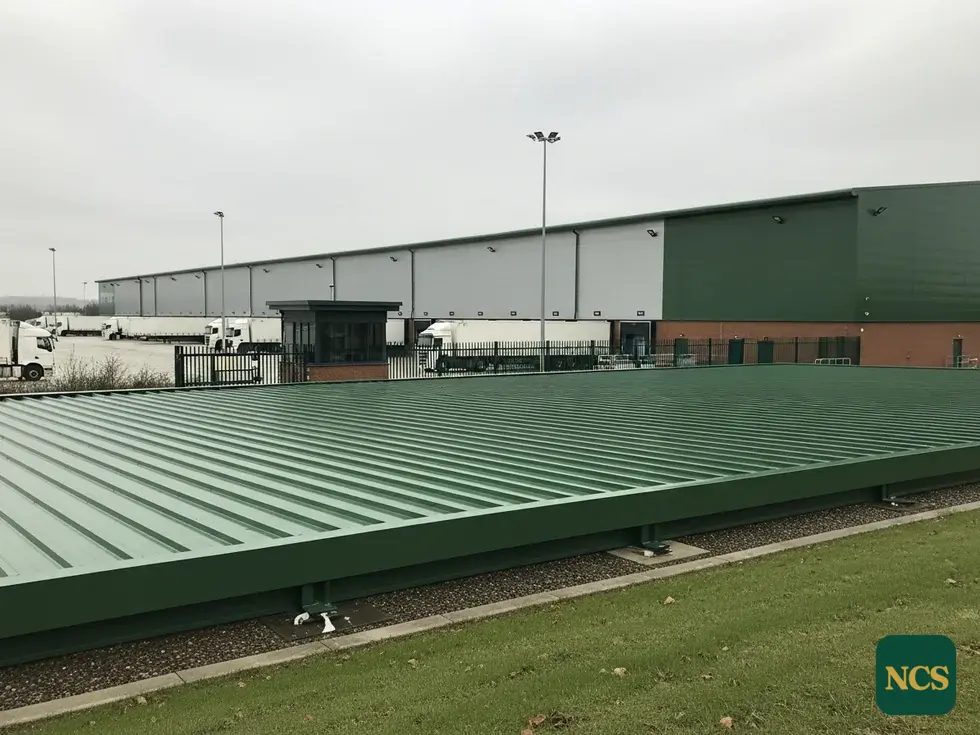
The building stock around Shrewsbury leans agricultural and light industrial. We see livestock and machinery sheds, grain stores, workshops and trade units, many roofed in plastisol-coated steel decades ago. Rural roofs often go unexamined for years because nothing leaks. Cut edge corrosion is often well advanced by the time anyone climbs a ladder. A periodic survey, even on a roof that looks fine from the yard, is the single best habit a building owner in this part of Shropshire can adopt.
The point of no return, stated honestly
Some roofs we survey are past treatment. We say so. Perforated laps, edges that crumble during preparation, or corrosion running far up the sheet beneath the coating all mean the steel itself is failing. Treating those edges would tidy the appearance and do little else. Where that is what we find, we recommend replacement or recovering of the affected sheets instead. We put it in writing so you can plan with accurate information rather than optimism.
Edges first, then the whole roof
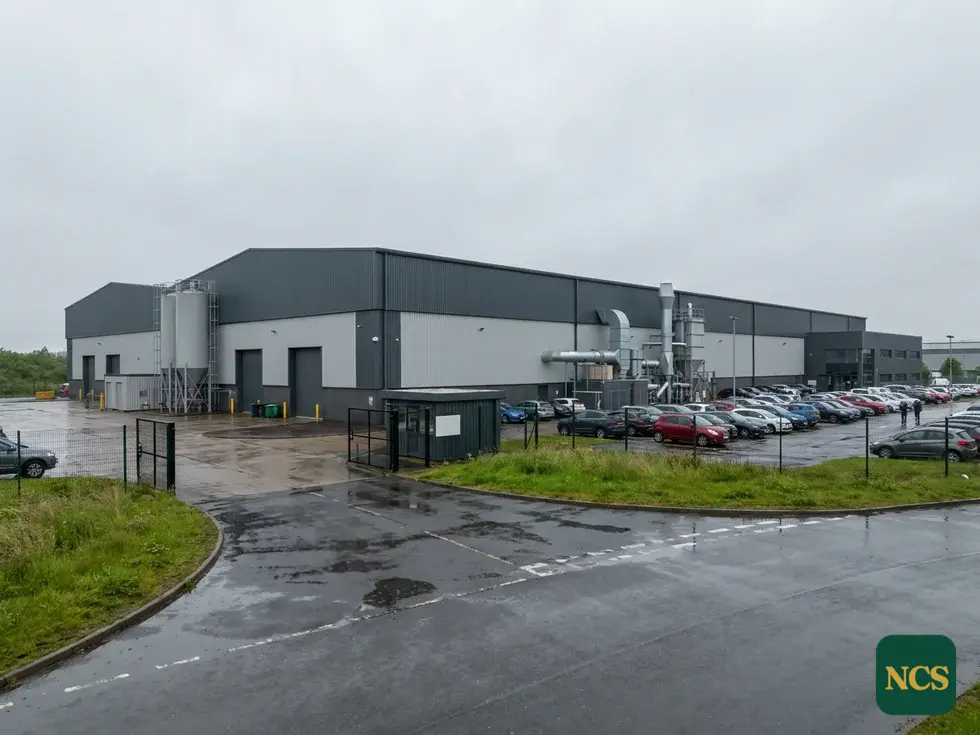
Edge treatment pairs naturally with a full roof coating. The same access, the same preparation crew and the same visit can take a roof from rusting laps and a chalked, faded finish to a uniformly sealed surface with its weak points reinforced. For buildings around Shrewsbury that still have sound steel, that combination is usually the most cost-effective route to another long stretch of service. National Coating Specialists surveys first, quotes second, and works across the UK from its South East base.