



Agricultural building coatings Shrewsbury: farm buildings we see
Farms around Shrewsbury often combine dairy, beef, sheep and arable. The buildings here reflect that mix: cubicle housing, loose yards, silage and fodder stores, grain stores and machinery sheds. Many have asbestos-cement and early profiled-steel roofs that have been in service for decades. The weather in Shropshire doesn’t do them any favours. With higher rainfall than the eastern counties, persistent damp on sheltered slopes and full exposure on open ground, moss, porosity and corrosion arrive sooner and progress faster.
We find that a properly specified exterior agricultural coating system, applied after a survey, can halt that decline on a roof that’s still fundamentally sound. The tricky bit is judging “fundamentally sound”, and you can’t do that from the ground or from a photo.
Dairy and livestock buildings: the inside attacks too
On dairy and beef units, the roof gets hit from both sides. Outside, rain, frost and UV attack the surface. Inside, the warm, moist air from housed stock condenses on cold sheets, driving corrosion at every fixing and cut edge. You see it as rust streaks, drips over cubicles and feed passages, and sheets that stay wet and turn green.
Coating the weather side seals and protects the substrate. It stops the absorption that leads to frost damage. It won’t, however, fix a ventilation problem. If condensation is the main issue, we’ll tell you the solution is better airflow, not paint. Careful sequencing matters here: fixings and laps get repaired first, then any failed sheets and rooflights replaced. Only after that does the agricultural coating go on.
Barn painting around Shrewsbury is survey-led like everything else we do: wash back, treat the rust, repair what needs it, then spray a system built for farmyard life.
Programming around stock, silage and the Shropshire year
For livestock buildings near Shrewsbury, the best time to work is usually from turnout to housing: stock are out at grass, buildings are empty or lightly used, and yards have space for access equipment. Silage cuts, harvest on mixed farms and autumn calving or tupping all eat into that window. We agree dates at the survey stage and build in time for bad weather, because Shropshire gets rain in every month of the year. If buildings can’t be fully emptied, we’ll plan the job zone by zone with the farm, and we always follow whatever biosecurity rules the holding has in place.
When the straightforward answer is not a coating
Some agricultural roofs around Shrewsbury shouldn’t be coated. We’ll tell you if yours is one of them. We advise against coating where asbestos-cement sheets are cracked, brittle or unsafe to prepare. We’ll say no if steel has perforated or lost section rather than just its finish, or if purlins, frames or gutters need work that a coating would only hide.
We also advise against it if a building is due for replacement or conversion soon, meaning the spend won’t pay back, or if preparation costs are too close to the cost of new sheets. In several of those cases, a smaller package, perhaps gutter repairs, new rooflights and a few replacement sheets, is a better use of a farm budget. Our survey report will lay out the logic for each option, not just push the biggest job.
Survey-led and straightforward, wherever the farm is
We’re based in the South East and work across the UK. Shropshire is part of our normal coverage, not an exception. Our process starts with a survey, up on the roof. We look at the sheets, fixings, laps, gutters, rooflights, and consider the building’s use and its future. You then get a written assessment and a recommendation you can question line by line.
We don’t do telephone quotes, we won’t sell an agricultural coating for a roof that needs something else, and we won’t propose a programme that ignores your stock calendar. If a shed, store or barn near Shrewsbury has reached the point of decision, start with the survey and decide based on evidence.
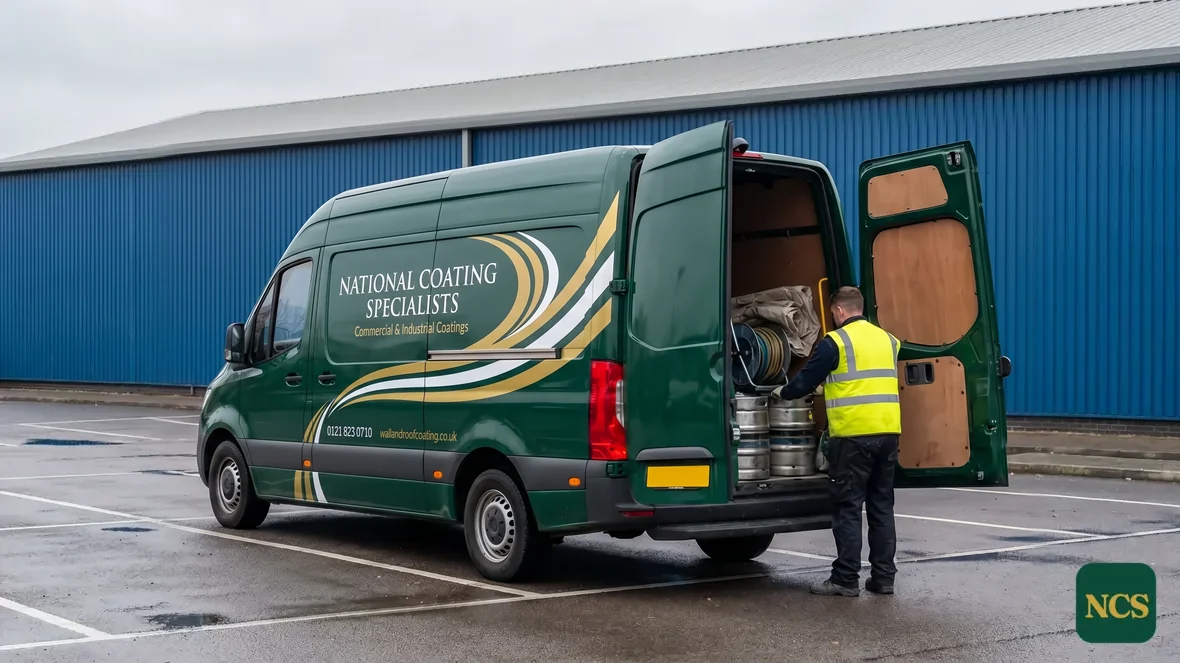
Agricultural building coatings Shrewsbury: recent work we can show you
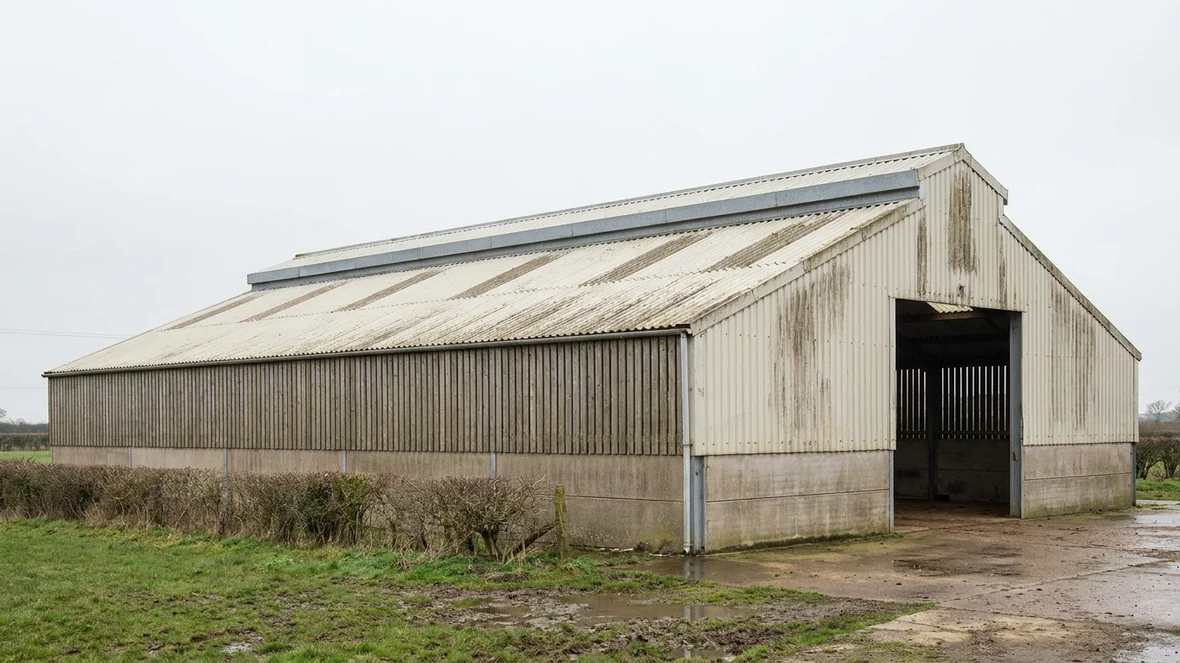
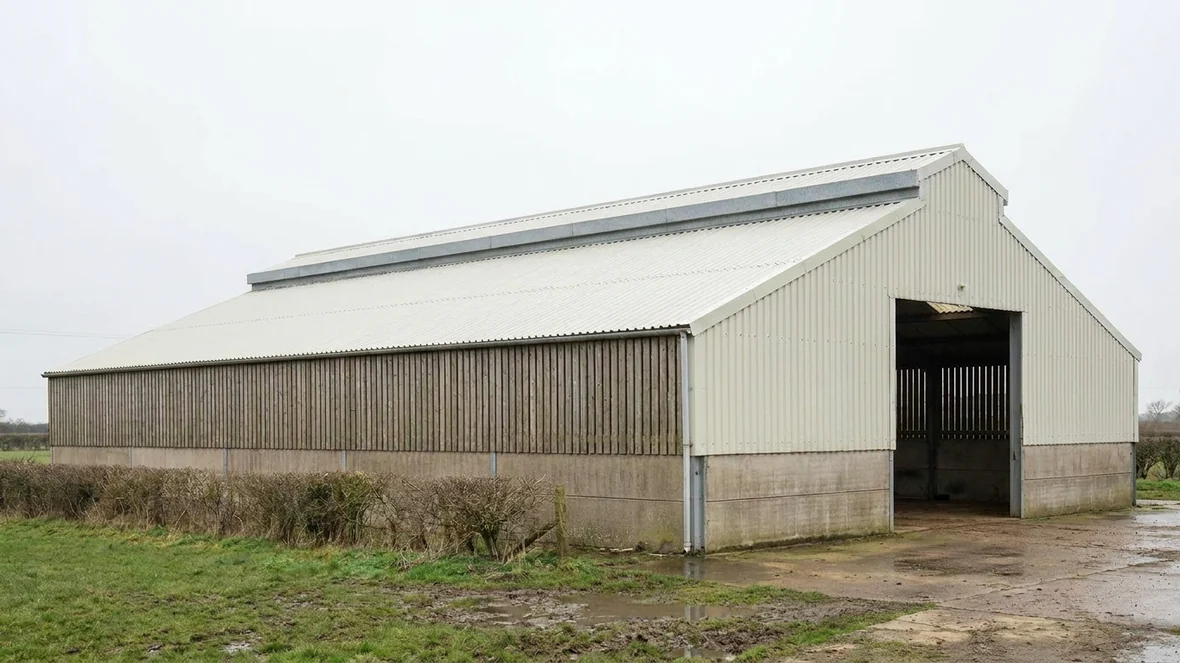
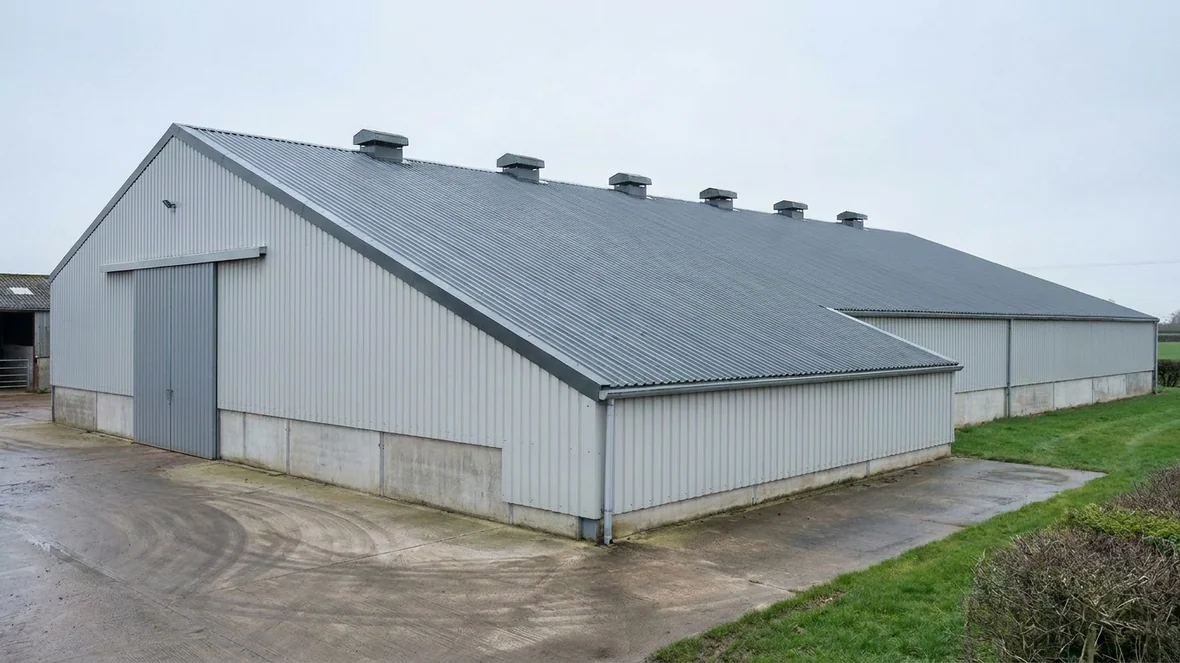
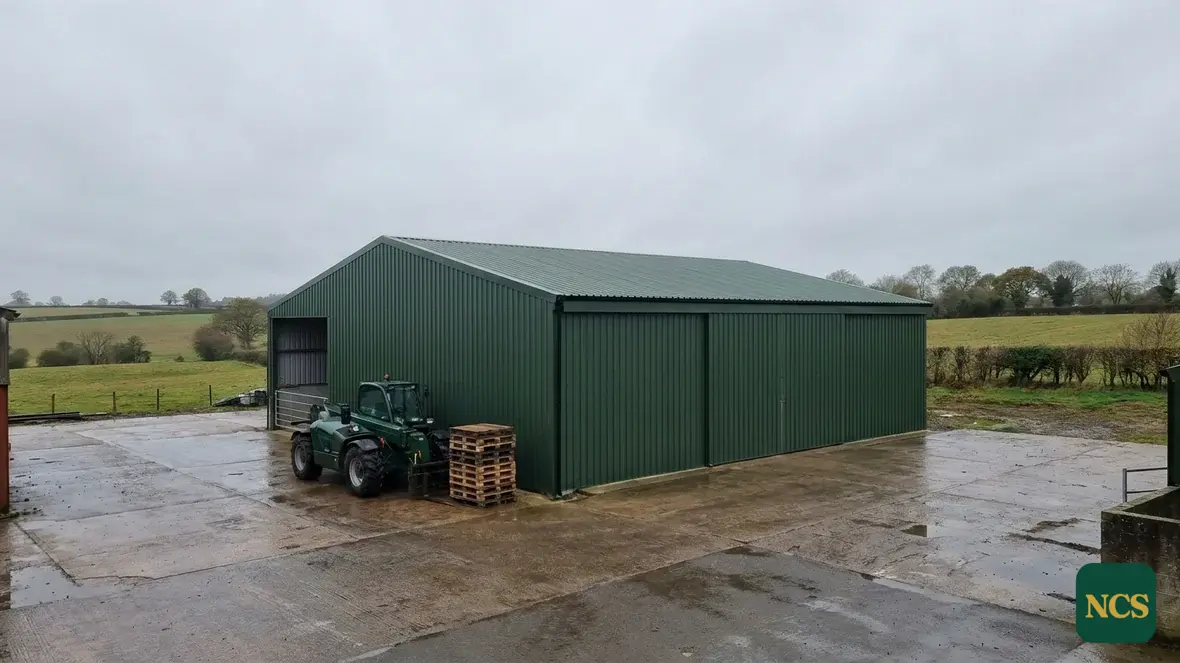
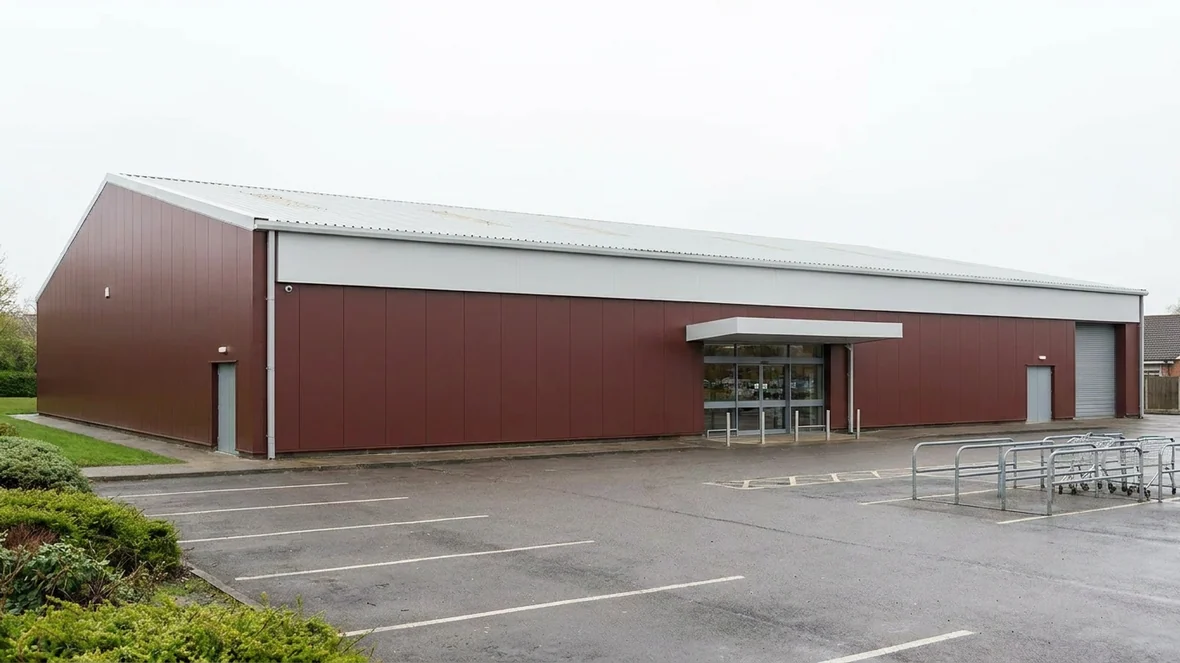
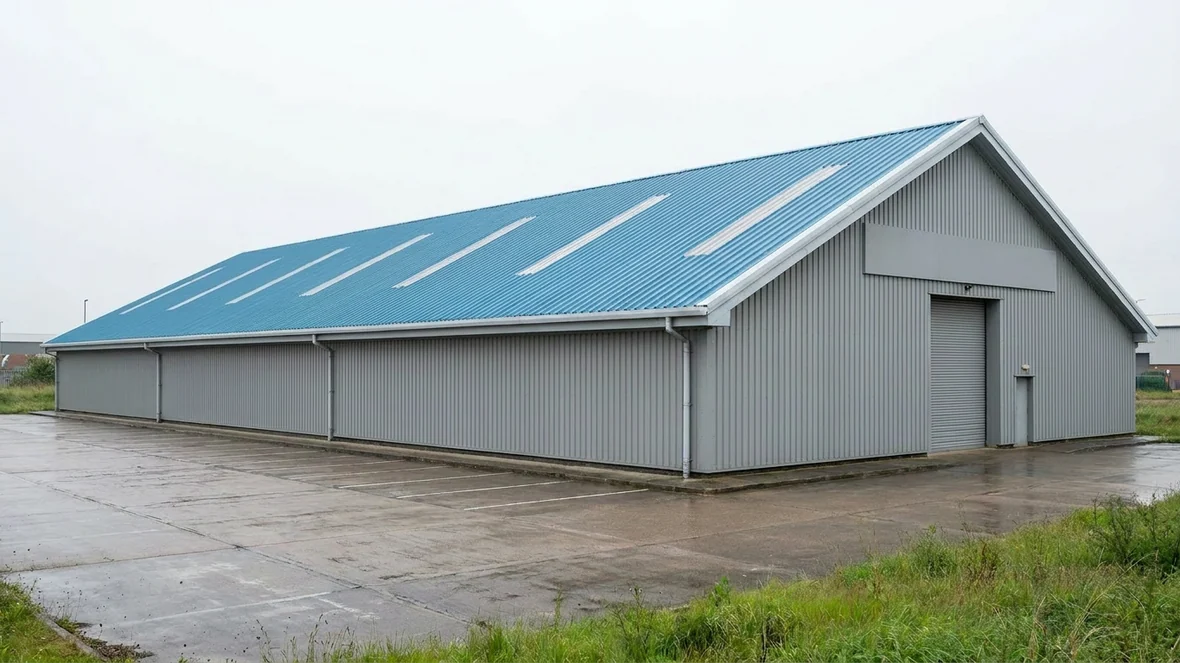
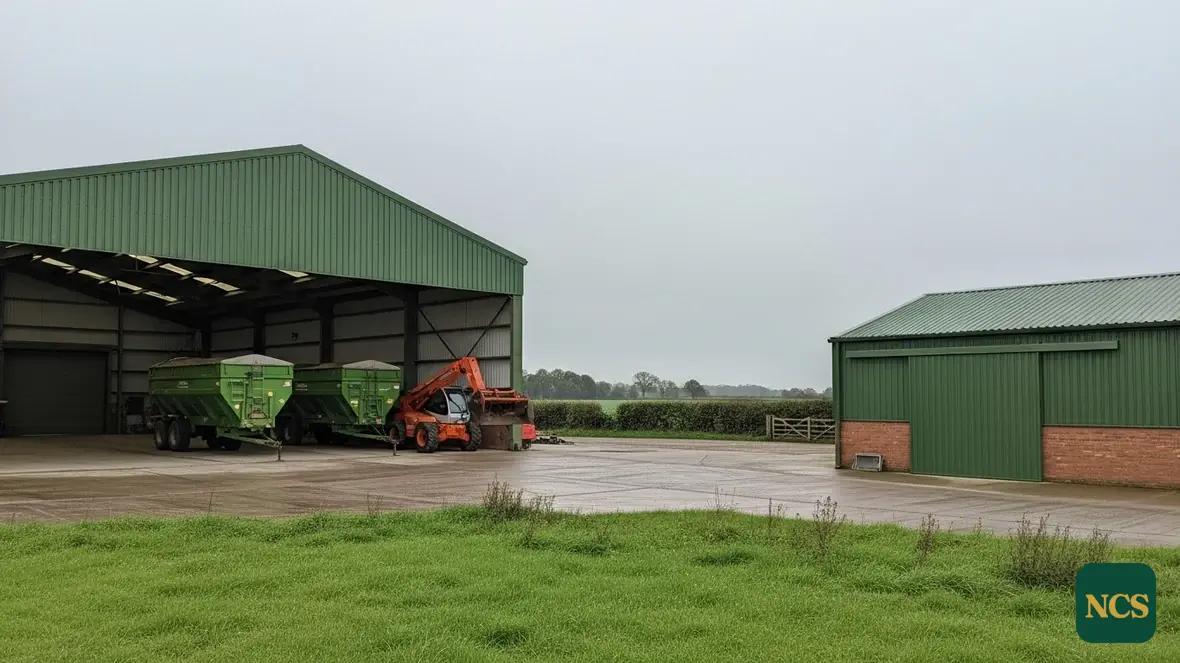
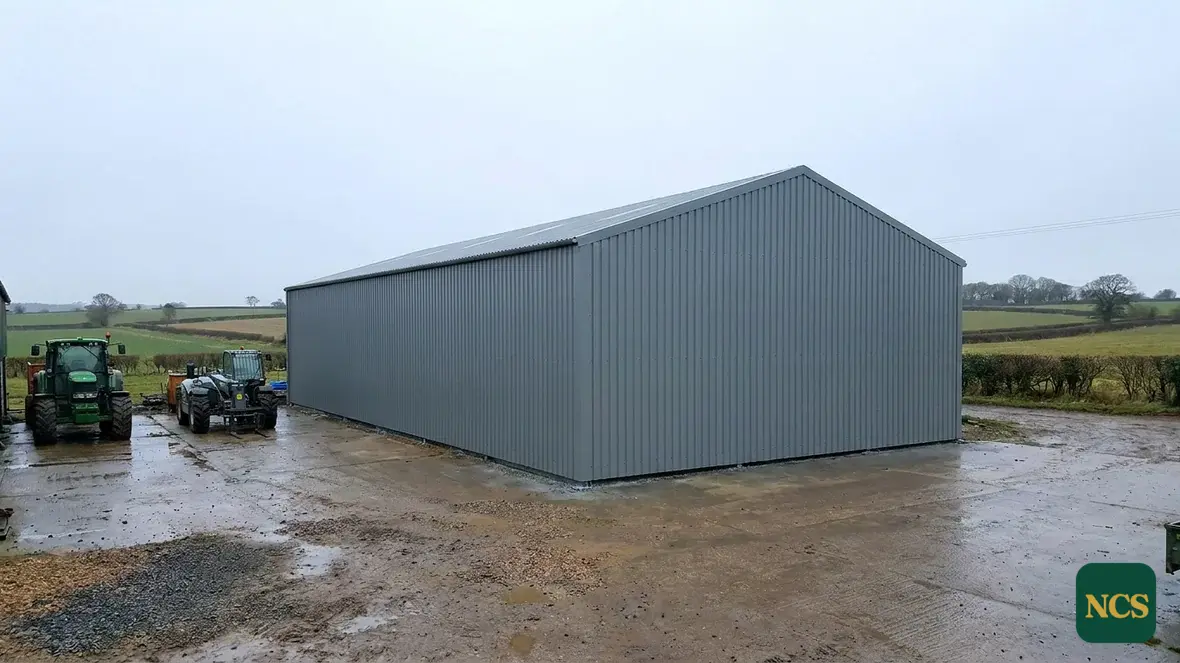
These are our own photographs from jobs of the same type. They are not stock images, and none of them is dressed up as something it is not. The caption tells you where each one was taken.
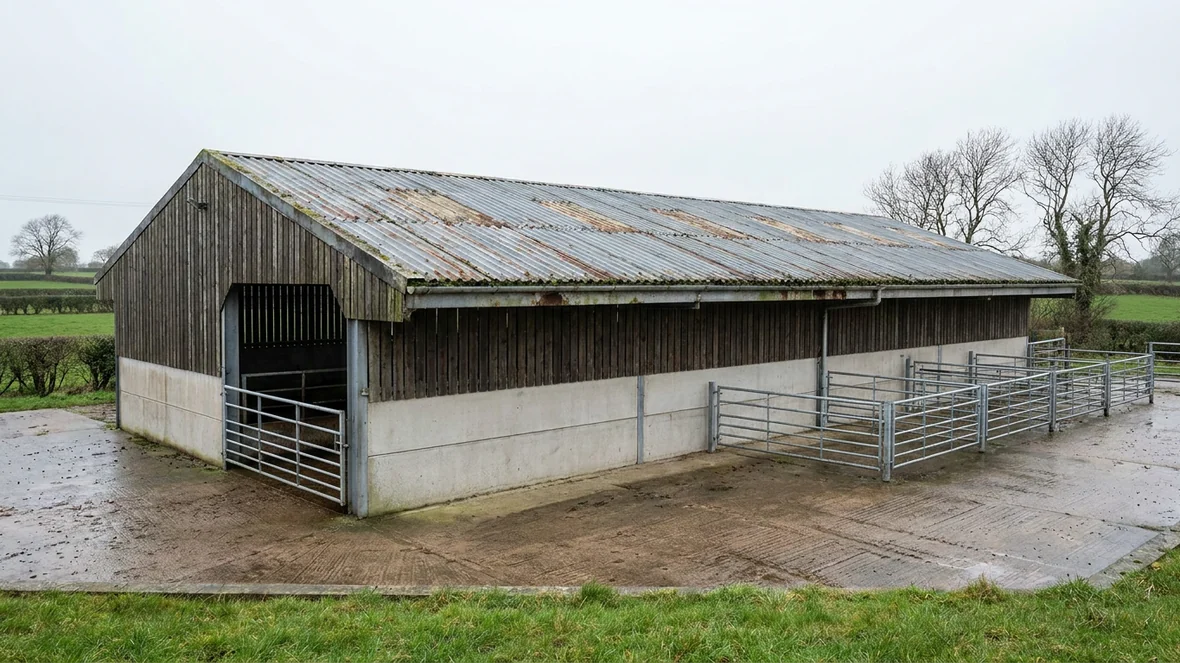
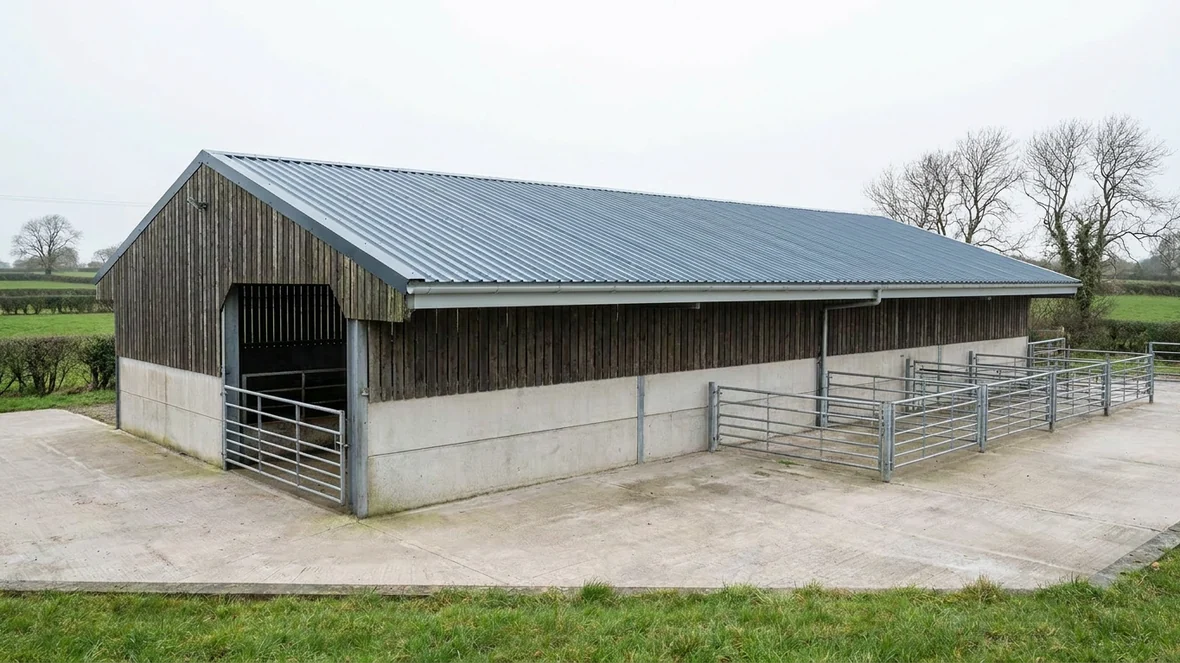
Standards behind our agricultural building coatings Shrewsbury work
Farm roofs bring their own hazards, livestock below, fragile rooflights, working access, and we plan around HSE’s agriculture guidance as well as our own site rules. It is covered on our own agricultural building coatings service page. Our teams plan every job around the HSE’s agriculture guidance, and we hold CHAS accreditation so the health and safety paperwork a farm business asks for is ready before the first van arrives.
Common questions about agricultural building coatings Shrewsbury
Can rusty agricultural cladding be coated?
Often, yes. Surface rust does not automatically mean that the sheets require replacement. We first check the depth and extent of corrosion, paying particular attention to cut edges, fixings, overlaps and areas around gutters. Loose material must be removed and sound metal properly prepared before a compatible coating system is applied. Sheets with perforation, severe thinning or failed structural integrity are normally better replaced.
Can you coat an agricultural roof that is leaking?
A coating is not a substitute for roof repairs. We identify likely entry points and deal with defective fixings, open laps, damaged flashings and local sheet failures before coating is considered. If water is entering because the roof covering is extensively damaged or poorly detailed, replacement may be the more reliable course.
Can fibre-cement farm roofs be coated?
Some fibre-cement roofs can be coated, subject to their condition and the findings of a suitable survey. Older sheets may contain asbestos, so they must not be treated like ordinary cladding. We establish the roof material, assess fragility and plan access, cleaning and application methods accordingly. Badly cracked, delaminated or structurally doubtful sheets may need specialist removal and replacement rather than coating.
When is the best time to coat an agricultural building?
Application requires suitable weather, a dry substrate and conditions that allow the coating to cure correctly. We also consider wind direction, nearby livestock, stored crops, vehicles and adjoining property. Work is therefore planned around both the forecast and the practical use of the building, rather than the calendar alone.
How long do agricultural building coatings last?
Service life depends on the substrate, preparation standard, roof pitch, exposure, drainage, building use and maintenance. A coating over poorly prepared corrosion will not perform like one applied to a properly surveyed and prepared surface. We assess these factors before recommending agricultural building coatings in Shrewsbury and avoid giving a generic lifespan without seeing the building.
Agricultural building coating or replacement?
Coating is usually worth considering where the sheets remain structurally serviceable but the original finish has faded, chalked or begun to corrode. It can retain the existing cladding, improve weather resistance and avoid removing sound material unnecessarily. Localised repairs can also be completed before the wider coating work.
Replacement wins when the roof or wall sheets have widespread perforation, extensive section loss, severe deformation or repeated failures that cannot be dealt with locally. It is also the better option where the building requires a different roof build-up, improved insulation, redesigned drainage or substantial alterations to the supporting structure.
The decision should not be based on appearance alone. A weathered surface may still provide a suitable coating substrate, while apparently tidy sheets can conceal corrosion at laps, fixings and reverse sides. We therefore compare the extent of preparation and repair with the practical benefit of retaining the existing covering.
- We favour coating when the substrate is sound and preparation can provide a stable surface.
- We favour partial replacement where isolated sheets or details have failed but the wider elevation or roof remains serviceable.
- We recommend full replacement where deterioration is widespread or the existing construction no longer suits the building’s intended use.
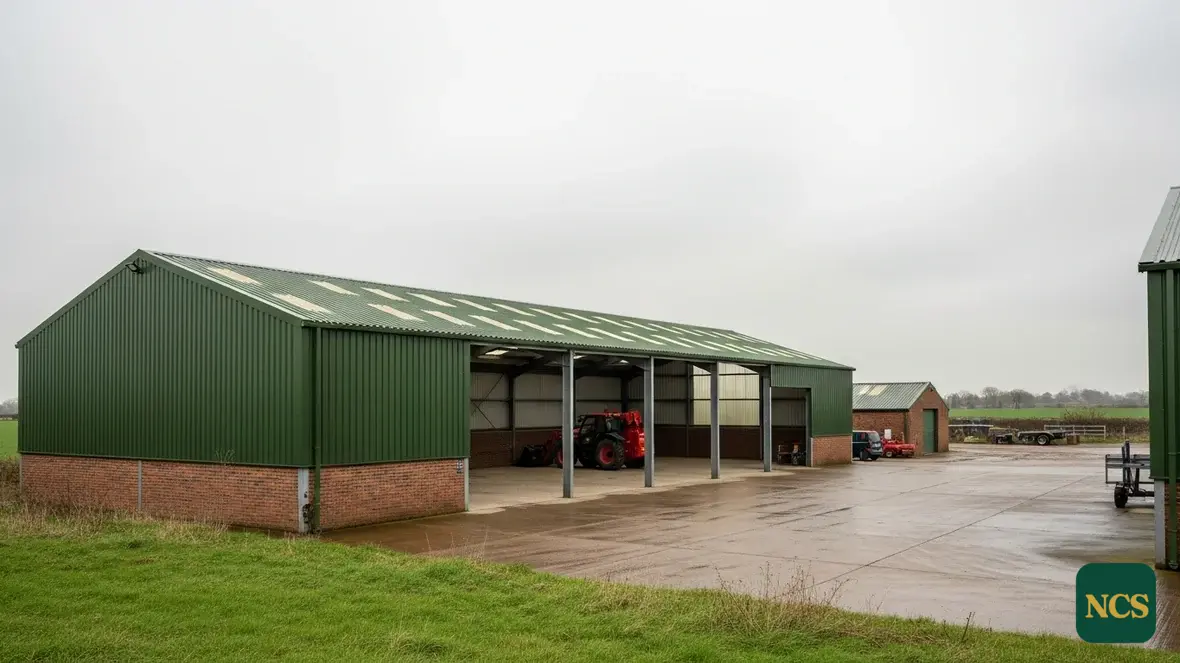
Preparation at laps, fixings and cut edges
The broad faces of agricultural cladding are rarely the only areas that matter. Coating failures commonly begin at details where moisture is retained or the original protective finish has been damaged. We inspect these areas closely rather than treating the building as a simple expanse of sheet.
Sheet laps
Side and end laps can collect dirt, remain damp and conceal corrosion. We remove loose contamination, assess whether the joint remains secure and prepare accessible corrosion without forcing water or debris further into the overlap. Open or defective laps must be repaired before the finish coat is applied.
Fixings and washers
Loose, corroded or incorrectly seated fixings can allow movement and water ingress. We check their condition and identify failed washers or damaged sheet profiles. Coating over a defective fixing merely disguises the problem, so necessary repairs come first.
Cut edges and gutters
Cut-edge corrosion often develops where the factory-applied finish has become thin or detached. These areas require controlled preparation and appropriate treatment before the main coating is applied. Gutters and drainage routes also need to be clear and serviceable; standing water will undermine otherwise competent work.
Application control
We select brush, roller or spray application according to the surface, access and surroundings. On working farms, overspray control is particularly important near vehicles, equipment, livestock areas and neighbouring land. Masking, exclusion zones and attention to wind conditions are part of the coating work, not optional additions.