Your duty to manage comes first
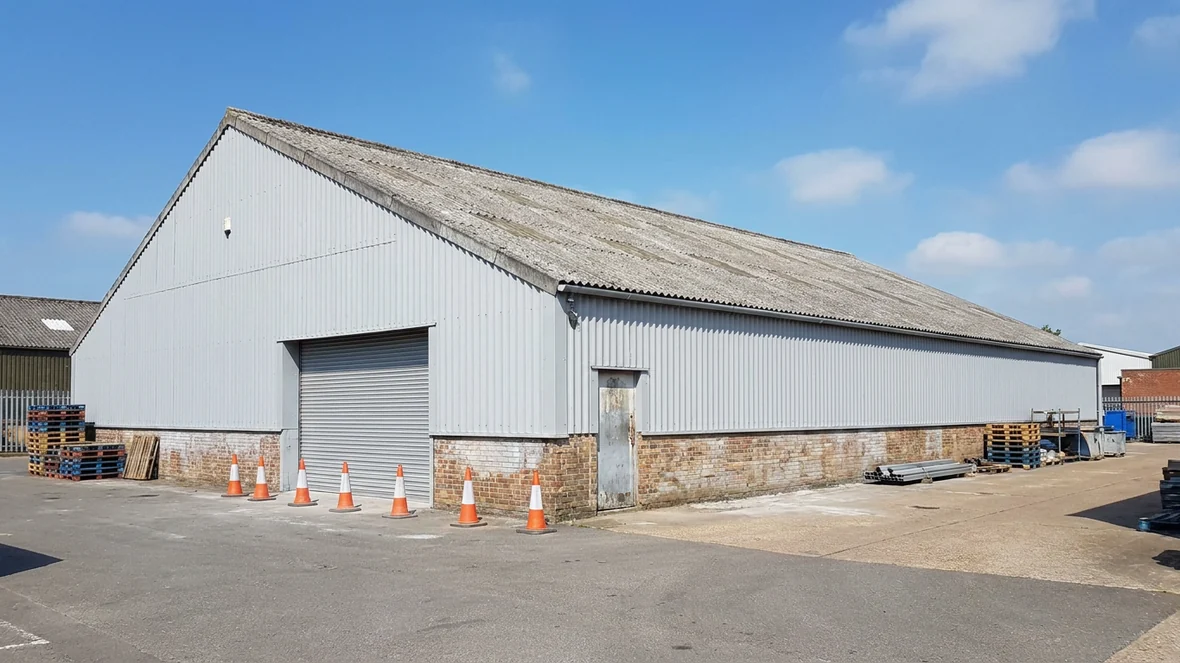
In a dense central borough like Westminster, the asbestos question is rarely about a farm shed. It is about service yards, plant rooms, back-of-house stores, depot roofs and the ancillary buildings tucked behind commercial frontages. Wherever those structures are non-domestic, Regulation 4 of the Control of Asbestos Regulations 2012 puts a duty to manage asbestos on whoever controls their maintenance. You are expected to establish whether asbestos-containing materials are present, assess their condition, keep a written record and manage the risk on an ongoing basis. The duty is to manage, not to demolish. Asbestos cement in sound condition can stay in place under a recorded plan, and that is where encapsulation belongs as a documented control measure.
Where asbestos cement roofs survive in the borough
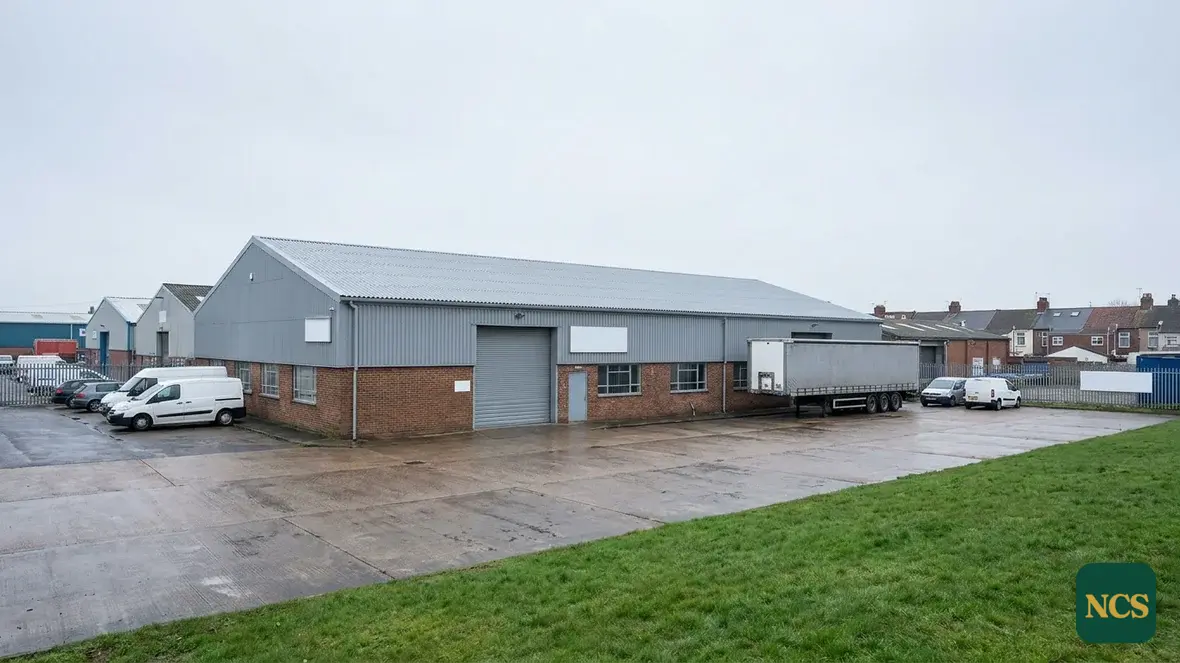
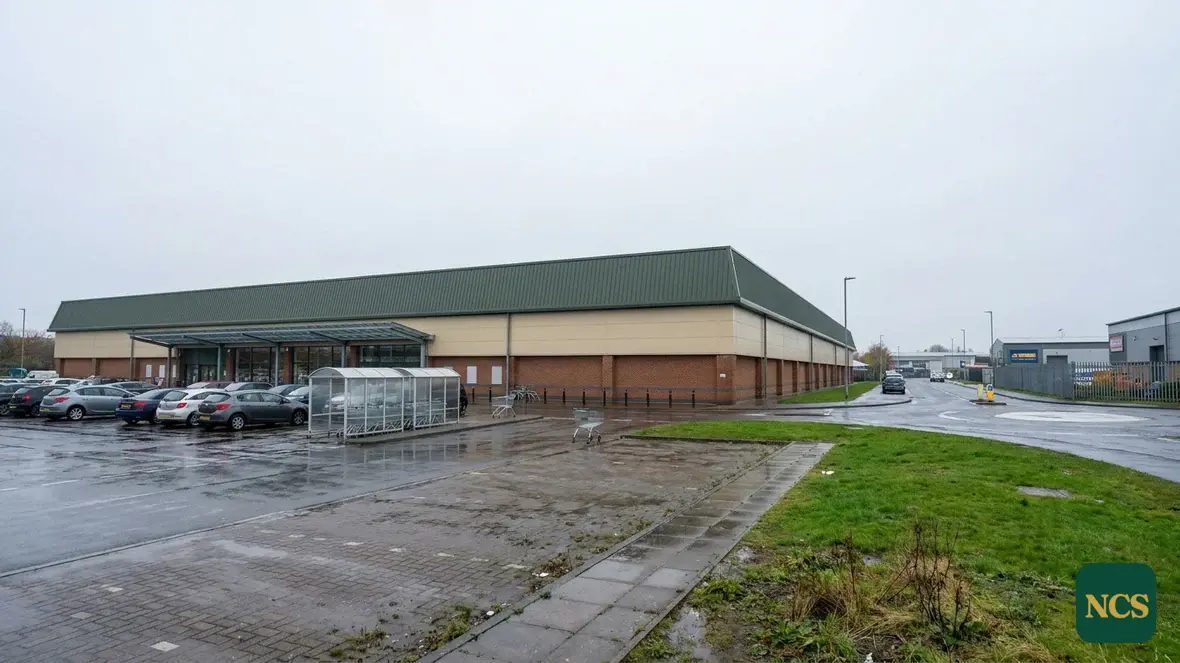
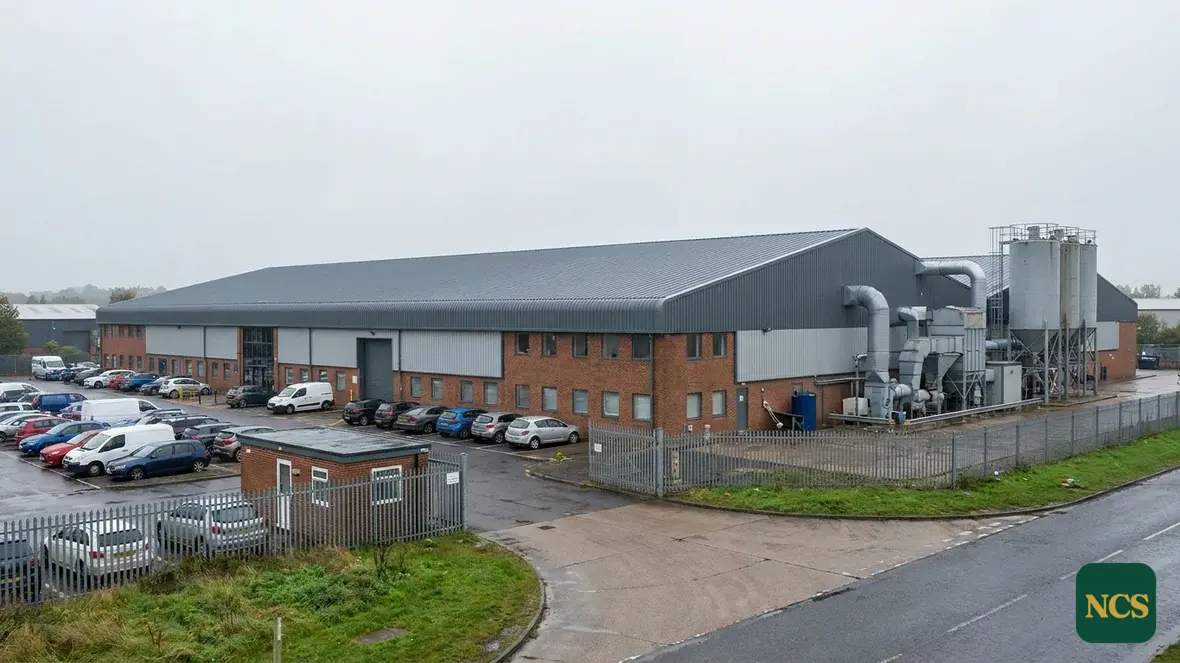
Central London’s mid-century rebuilding left far more asbestos cement roofing than the postcard view suggests. It is seldom the showpiece building that carries it; it is the loading bay, the rear extension, the boiler house, the maintenance lock-up and the lower roofs of estates and institutional sites built between the 1960s and 1980s. Corrugated asbestos cement was the default for these utilitarian roofs. After decades of grime, rain and thermal cycling, many are now porous and leaking at the laps and fixings while the sheets themselves remain sound enough to keep. That is precisely the condition where coating becomes a credible option rather than a stopgap, and where an honest survey earns its keep.
What encapsulation involves, and how it compares
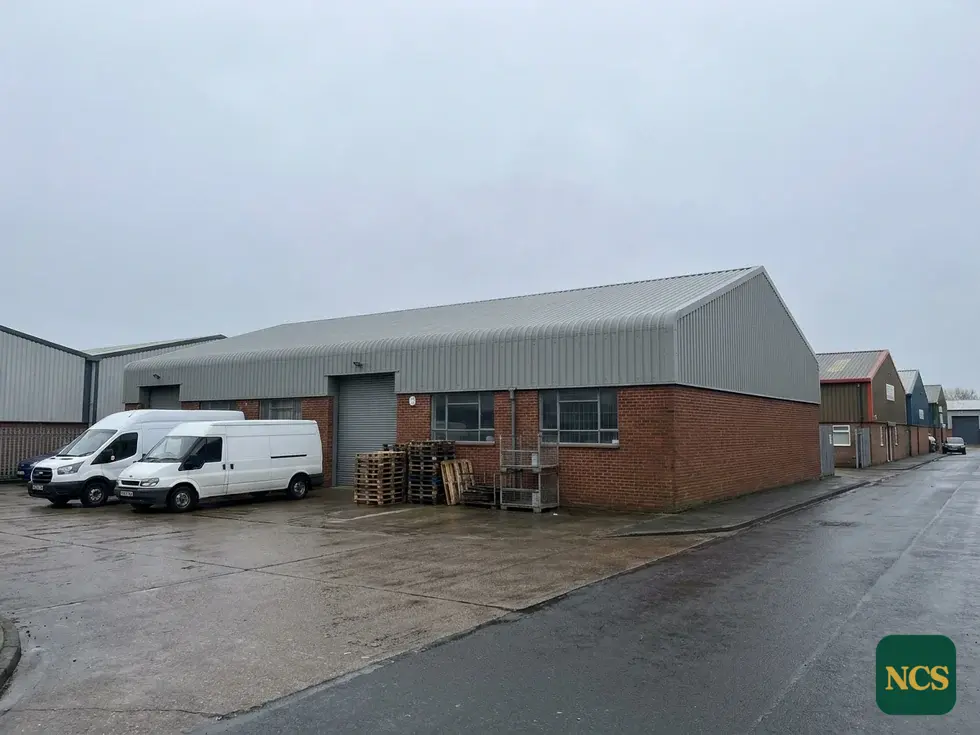
Encapsulation is an engineered process. The roof is surveyed sheet by sheet, then cleaned under controlled conditions so that moss and debris are removed without releasing fibres. Worn fixings are replaced, minor repairs are made, brittle rooflights are dealt with, and a coating system designed for asbestos cement is applied. The cured surface binds the material, locks fibres in, restores water-shedding and extends service life. Compared with stripping the roof, disposing of sheets as hazardous waste and funding a full replacement, the cost gap is usually wide. In a Westminster setting, where access is tight, scaffolding is expensive and tenants stay in occupation, avoiding a full strip-and-replace can be the difference between a manageable project and a disruptive one.
The cases where encapsulation is the wrong answer
We will not coat every roof, and we would rather tell you that early. Encapsulation is wrong where sheets are extensively cracked or holed, where the cement has gone soft and friable through long saturation, or where structural movement and damage have compromised the roof. It is also confined to asbestos cement. If a survey finds asbestos insulating board, pipe lagging or sprayed coatings, that material is licensable and must be removed by an HSE-licensed contractor, not sealed over. When removal is genuinely the right course for your building, we put that in writing and decline the coating work rather than dress up an unsuitable roof as a candidate for sealing.
Survey-led work across central London
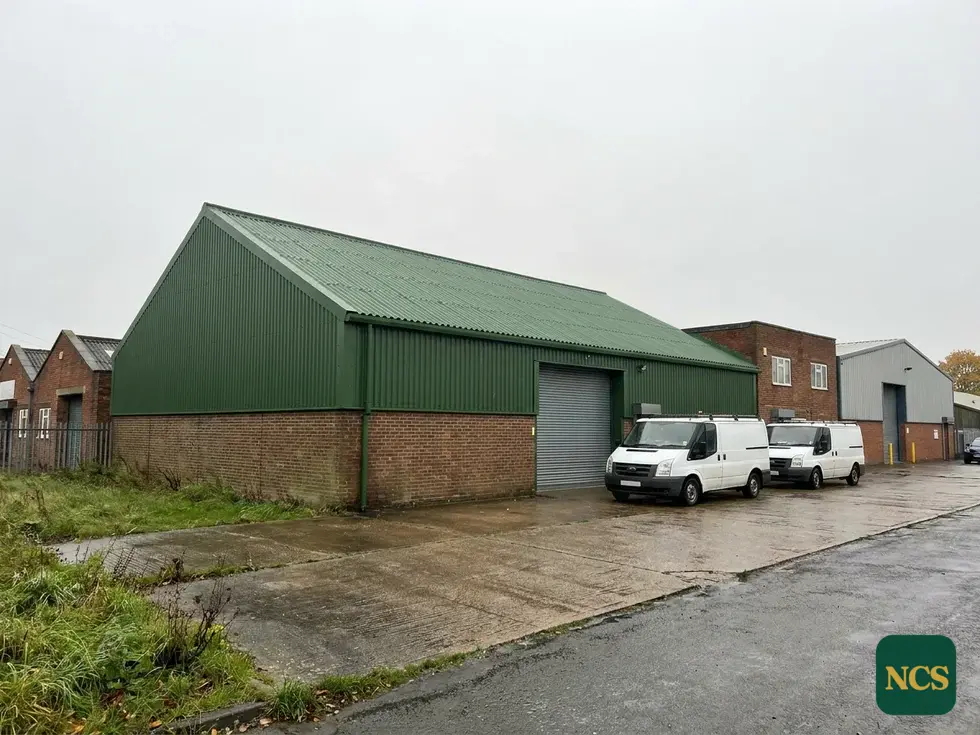
We work England-wide from a South-East base, which keeps Westminster and the surrounding central boroughs well inside our regular survey area. Everything begins with an inspection:
- A sheet-by-sheet inspection of the roof, fixings, rooflights and gutters
- Photographs and notes ready to drop into your asbestos management plan
- An honest written verdict: seal, repair first, or refer for licensed removal
- A costed specification only where coating genuinely suits the roof
- All work performed under controlled, recorded site conditions
If you manage a property with utility or back-of-house roofs from the 1960s to the 1980s that have never been assessed, a survey settles the compliance position and the cost question together, and gives you a clear, dated record to keep on file and produce if anyone ever asks how the risk is being controlled.