From mill town to metal roofs: cut edge corrosion in Bradford
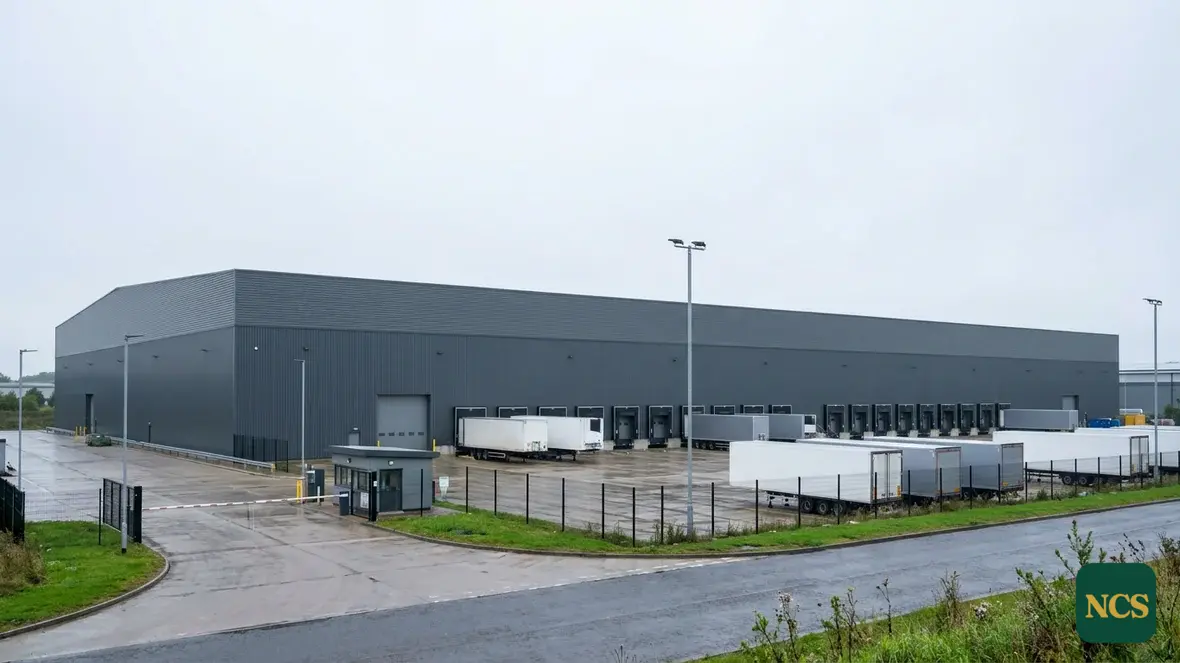
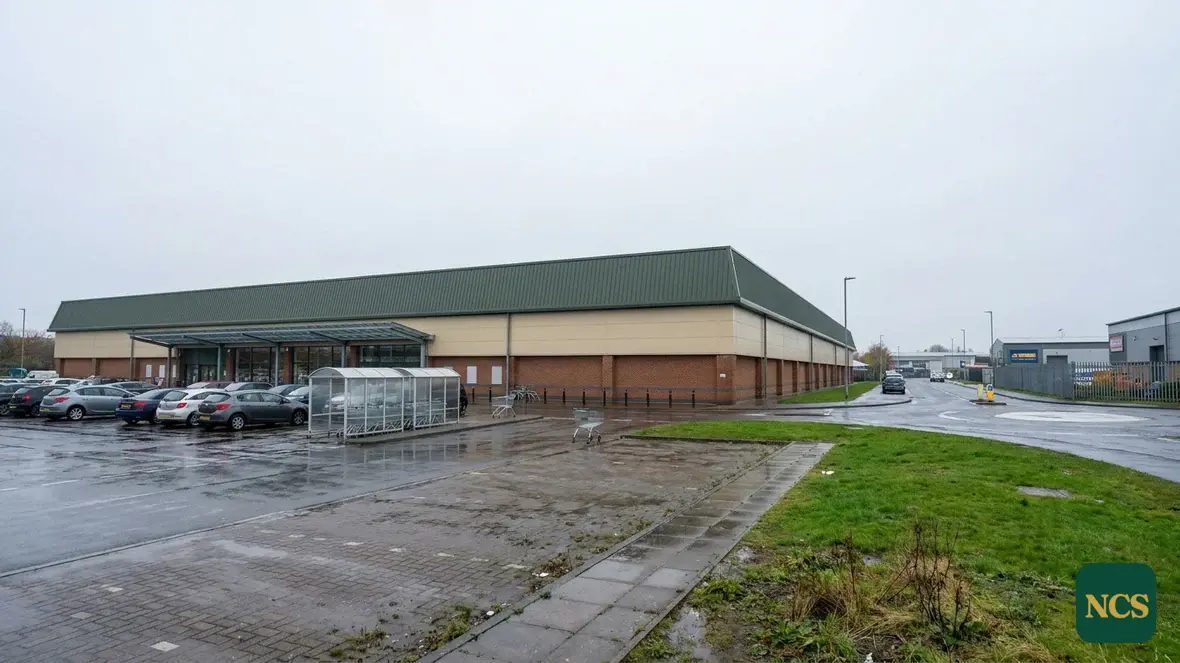
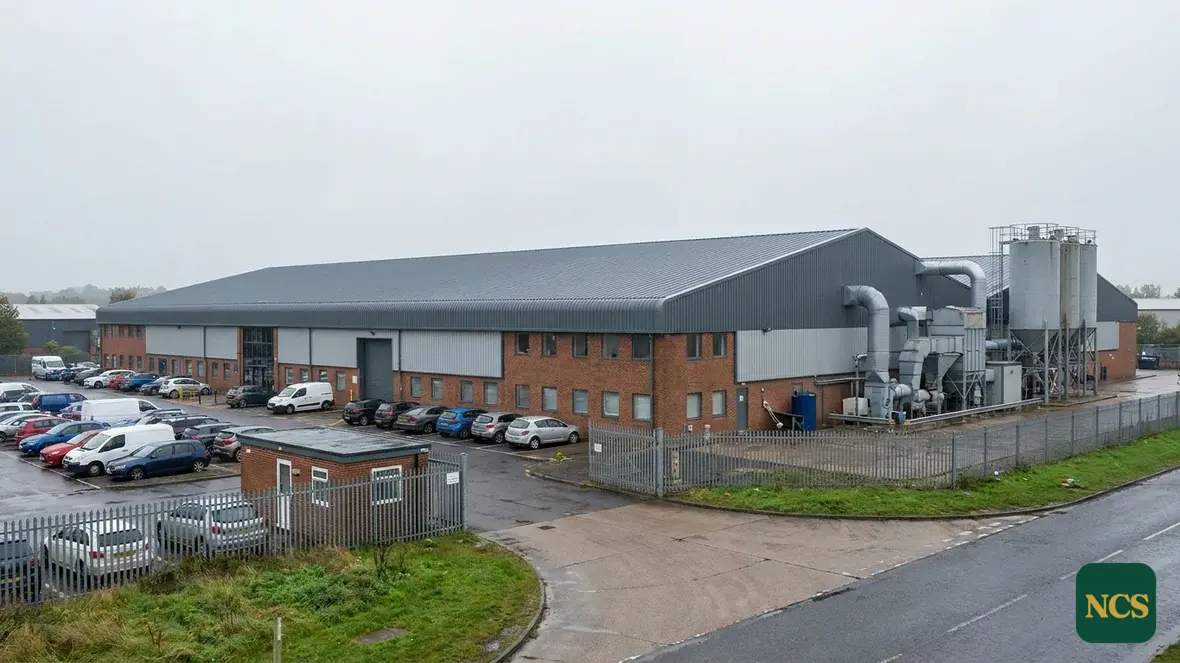
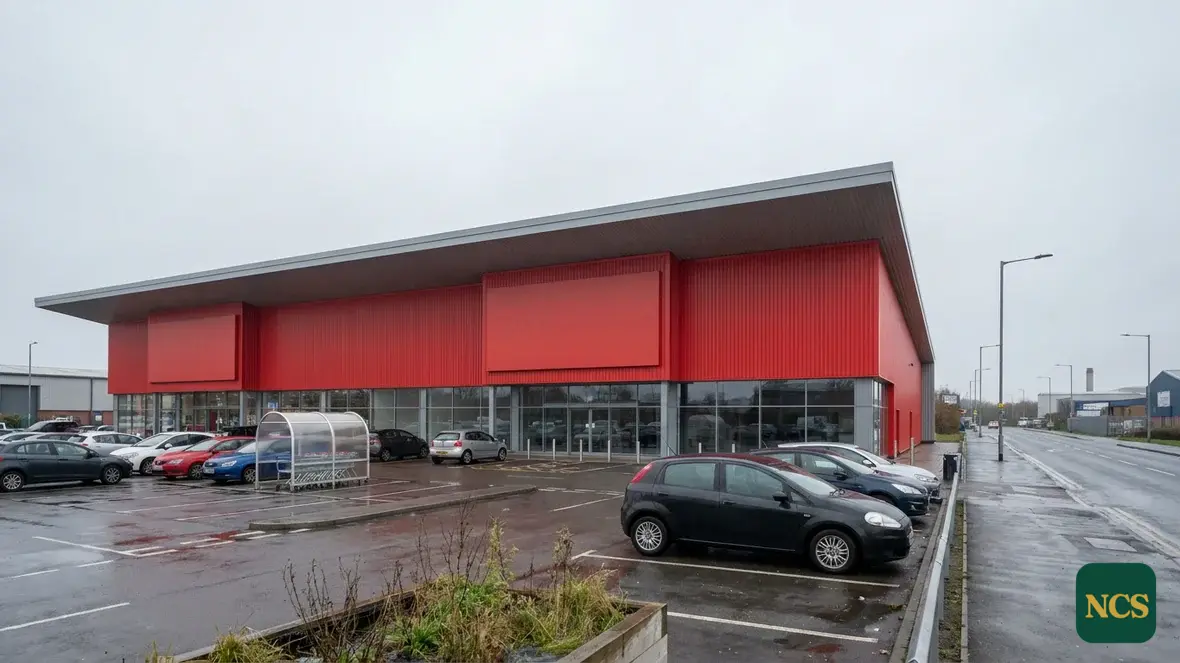
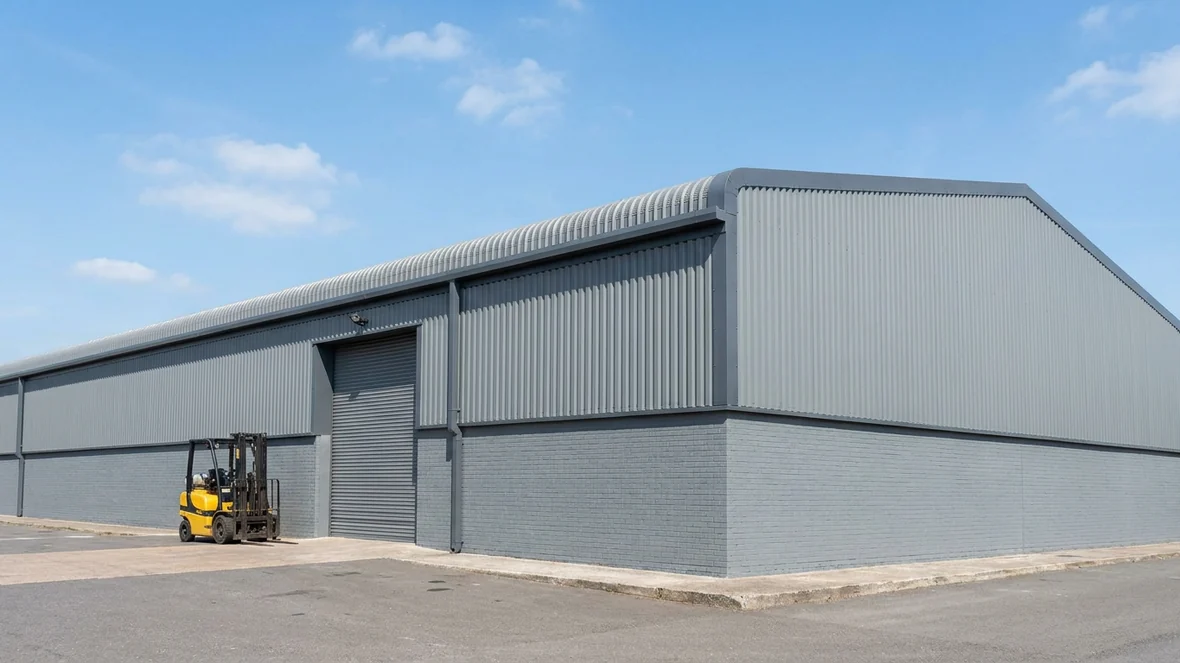
Bradford’s industrial story did not end with the mills. Around the old stone weaving sheds sits a newer generation of working buildings, engineering units, distribution sheds and trade premises roofed in profiled coated steel from the 1980s onwards. On every one of those roofs, the first detail to fail is the cut edge, the strip of bare steel left wherever a sheet was cut to length and the factory finish stopped short.
The Pennine setting does the corrosion no favours. The city sits high and wet, with long damp spells and roofs that stay wet far longer than they would in the drier south and east. The more hours a cut edge spends wet, the faster it goes.
How the defect spreads across a roof
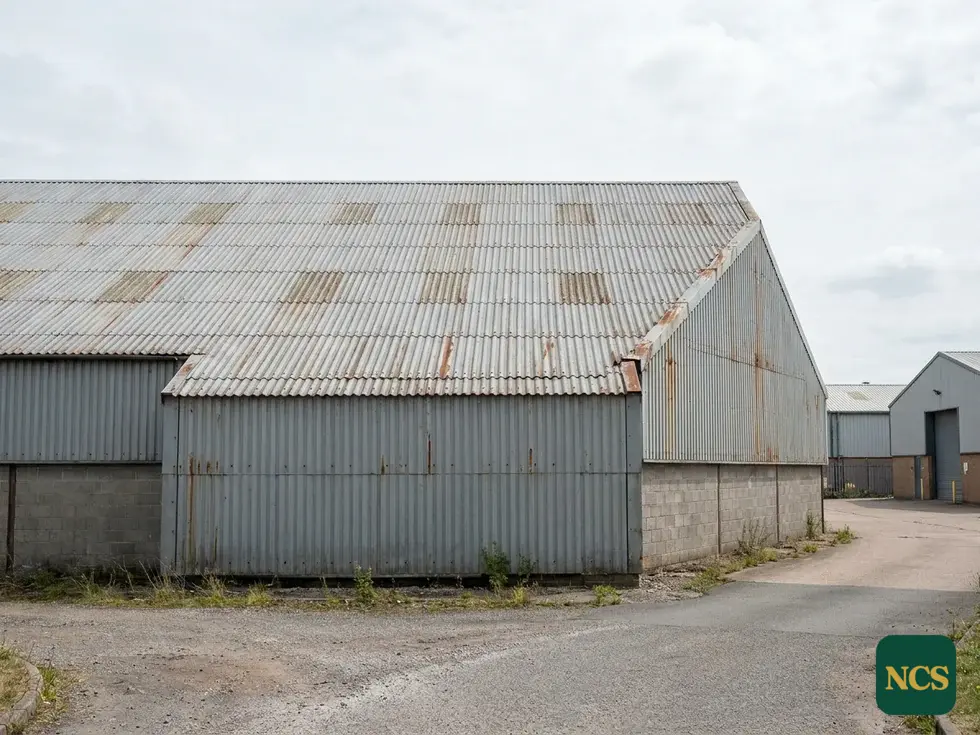
Rust on the exposed cut undermines the factory coating beside it, breaking its grip on the steel. The finish peels back, the bare zone widens, and the newly exposed metal corrodes in its turn. Within end laps, moisture trapped between the overlapping sheets keeps the joint wet and corroding out of sight, often for years before anything shows from below.
Because so much of the damage happens under coatings and inside laps, the visible signs understate the problem. These are the indicators worth watching for:
- Rust-coloured streaks running from sheet ends into the gutters
- Factory coating lifting, curling or flaking at the eaves
- Red or white oxide showing along end laps up the slope
- Damp patches or drips below lap lines inside the building
- Bare metal visible where the finish has peeled away
The economics of catching it early
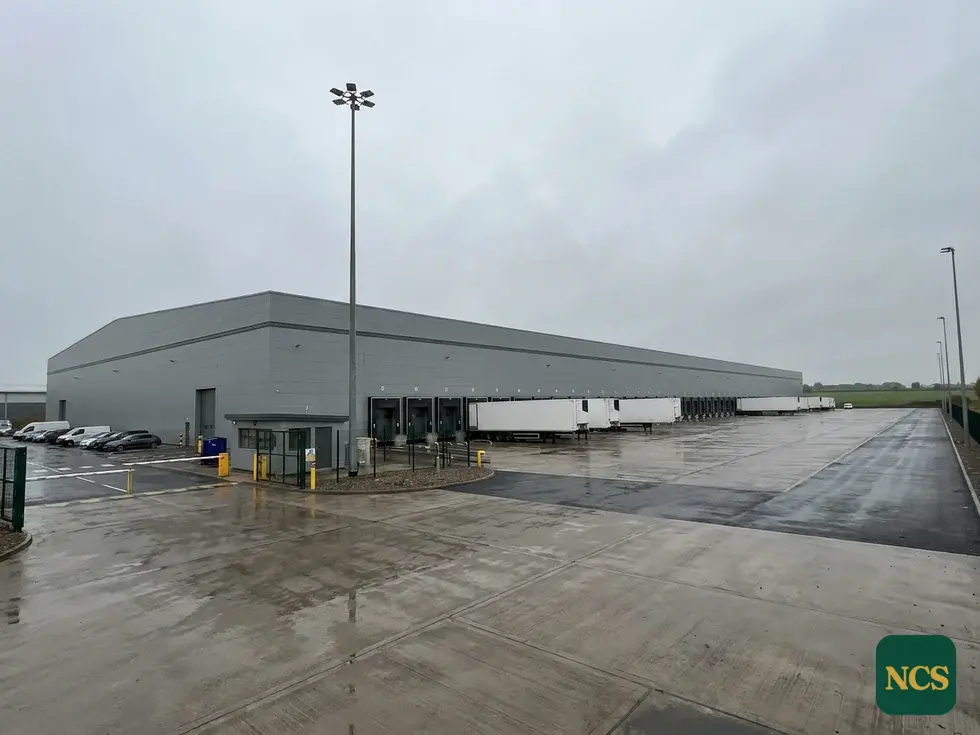
Treated while the steel is still sound, cut edge corrosion is one of the more cost-effective repairs in commercial roofing. The edges are prepared back to clean metal, primed, and sealed with a flexible coating across laps, sheet ends and gutter lines, all in situ, with the building working underneath and not a single sheet removed.
Delay turns a repair into a replacement. Perforated ends mean leaks, leaks over stock or machinery mean internal damage, and enough failed sheets mean stripping and resheeting the whole roof. In Bradford’s climate the window between those two stages is shorter than many owners expect, which is the practical reason to survey sooner rather than later.
When replacement is the honest answer
We survey before we recommend, and the survey sometimes rules treatment out. Where it finds sheet ends rusted through, laps with no sound steel left to seal to, fixings corroded beyond re-sealing, or rust advancing across the sheet body, we will tell you that coating is the wrong spend and that replacement, partial or full, is the honest route. We would rather lose the job than coat steel that cannot hold a coating.
Often the verdict is mixed: a weather-facing slope beyond saving, the rest of the roof in fair condition. Replacing the failures and treating the remainder is frequently the most sensible budget on a roof of this type, and we set out both options side by side with the photographs to back them.
Pairing edge treatment with a complete roof coating
Edges fail first, but they rarely fail alone. The same weathering stripping the cut edge is chalking and thinning the coating across every sheet. Treating the edges and overcoating the whole roof in one programme protects the full surface, evens out the appearance from above and avoids paying for roof access twice in a handful of years.
We are a survey-led coating contractor, South East based and working across England, with Bradford and the wider West Yorkshire conurbation well within our coverage. The starting point is always a roof survey, photographs and a clear, graded recommendation you can hold us to.