The defect that finds every metal roof in Carlisle
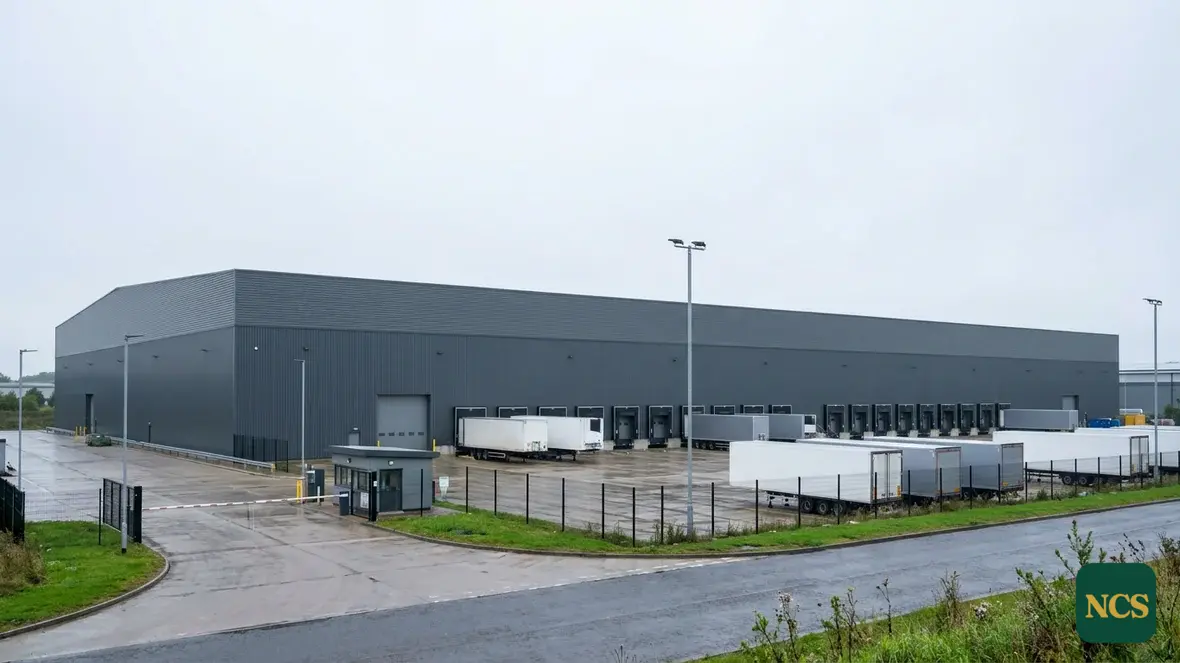
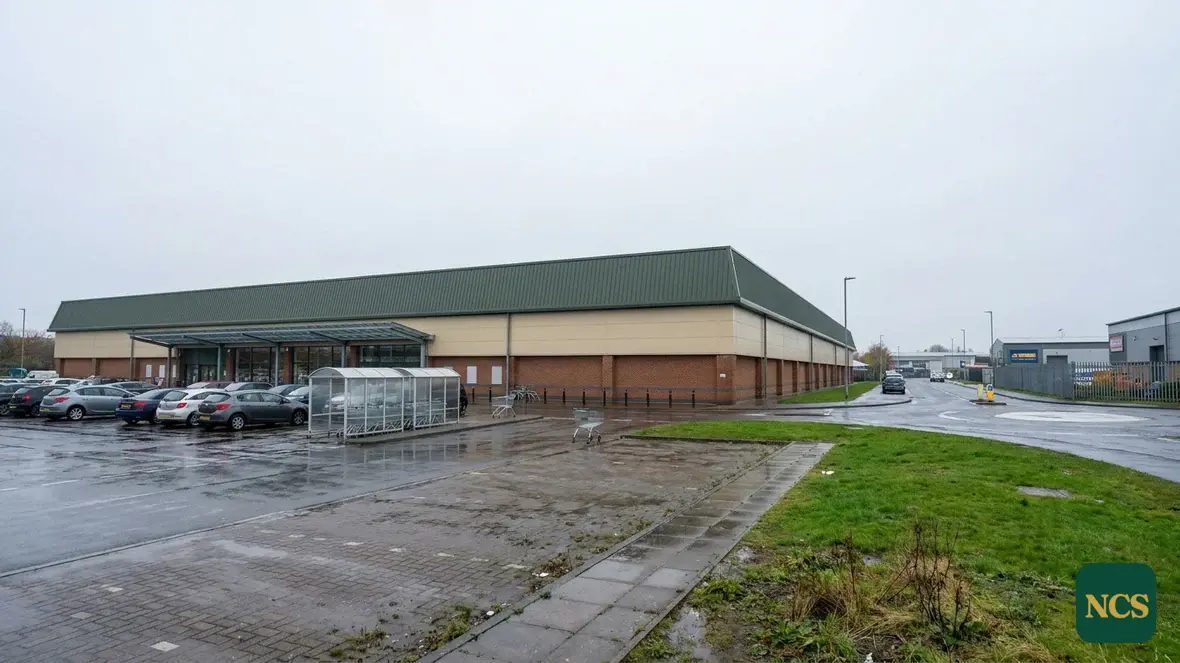
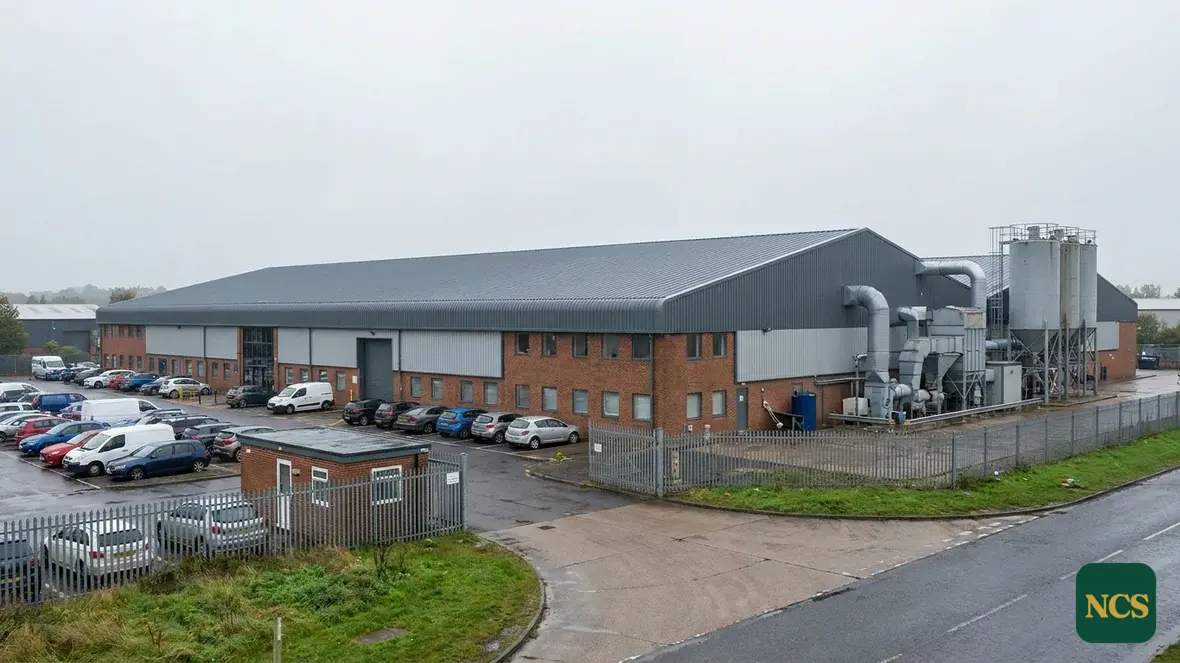
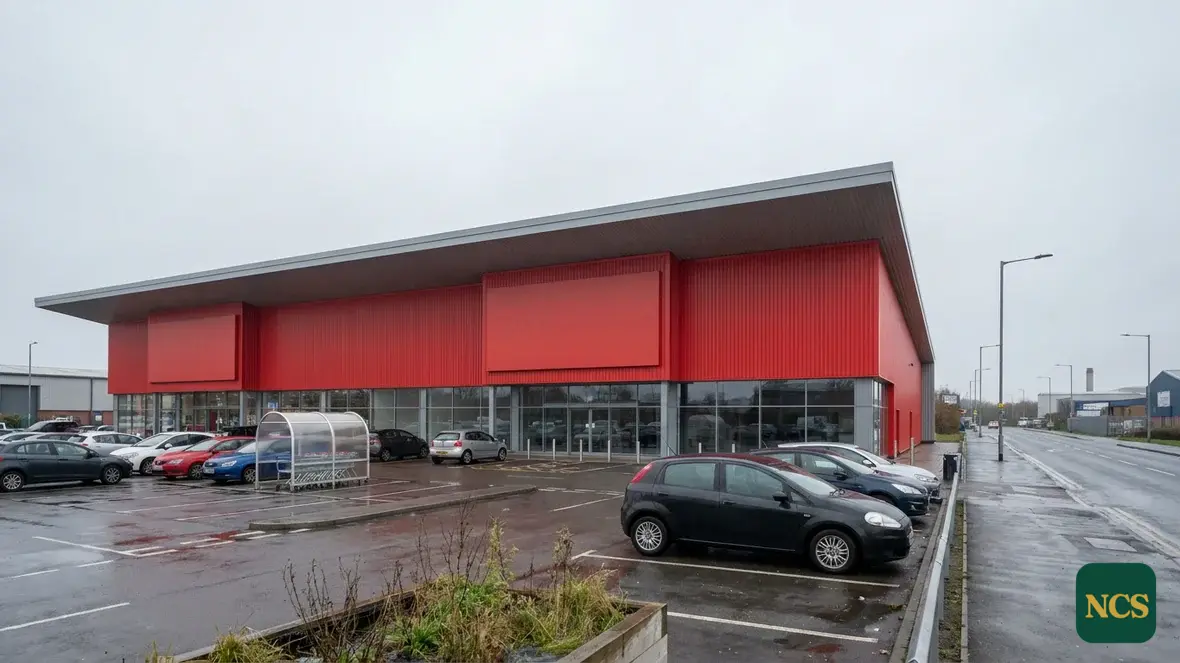
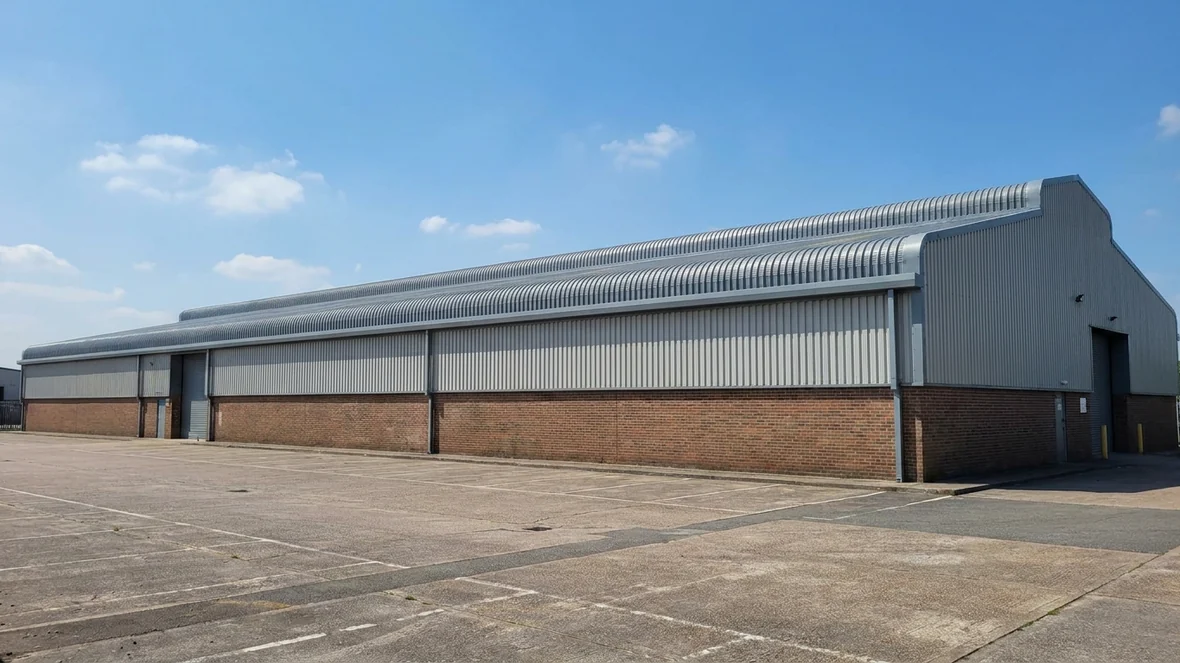
Profiled steel roofs are everywhere across the city’s industrial estates, the logistics sheds strung along the M6, and the farm buildings out across the surrounding Cumbrian countryside. Almost all of them carry the same hidden weakness, designed in from the day they were built. When the sheets were cut to length at the works, the protective coating ended at the cut, so every sheet end, side overlap and gutter edge starts life with a thin band of unprotected steel. That band is where rust takes hold.
Sitting where weather funnels between the Lakeland fells and the Scottish border, Carlisle pays for it harder than most. High rainfall means those exposed edges stay wet for a far greater share of the year than they would in the drier east, and wet steel is steel that is corroding.
Reading the warning signs from the yard
The first hints are easy to dismiss. A rusty tide line under the eaves, a curled lip of coating at a lap, a gutter that runs orange after a downpour. What you cannot see from below is the mechanism doing the real harm: rust working sideways beneath the surrounding coating, lifting it off the metal so the bare zone widens with every passing season. Inside the overlaps, water held between two sheets keeps the joint wet the year round, and that hidden corrosion is usually well ahead of anything visible.
Damp climates pile on an extra penalty. Moss, algae and leaf litter trap moisture against the sheet ends and stop them drying between showers, so the steel gets even longer wet spells than the rainfall figures alone would suggest.
Why the bill grows the longer you wait
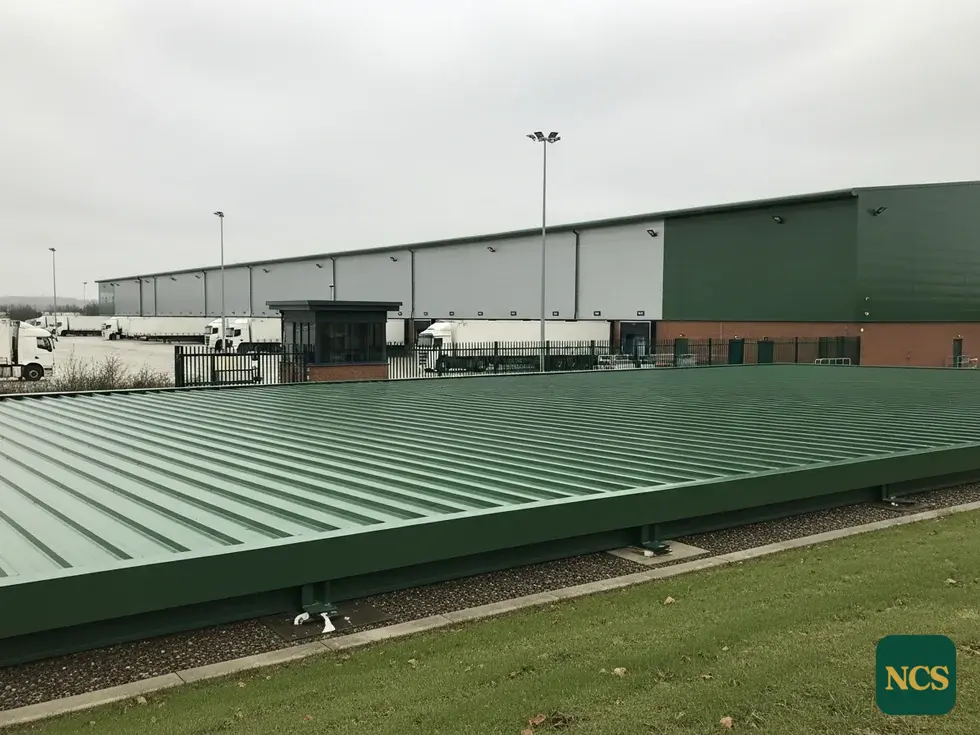
Caught while the underlying steel is still solid, this is a maintenance job, not a rebuild. The corroded edges are cut back to bright metal, given a rust-inhibiting primer, and sealed under a flexible coating that bridges the laps and runs into the gutter line. None of it requires lifting a sheet, and the building carries on working underneath.
Leave it until the ends have perforated and the economics flip. Now you are pricing replacement sheets or an entire new covering, plus the upheaval of stripping the old roof over an occupied building. The distance between a maintenance invoice and a resheet invoice is the entire reason to deal with cut edges sooner rather than later.
When we will tell you not to bother (our honest view)
A coating only works on steel that can still hold one, and not every roof qualifies. Where our survey turns up perforated ends, overlaps with no sound metal left to key into, or rust that has migrated out of the edge zone and into the face of the sheets, treatment would simply paper over a roof that has already failed. In that situation we say so directly and back it with the photographs, rather than taking the work and watching the coating peel.
The realistic outcome is frequently a split decision: a weather-beaten run of sheets that needs replacing, and a larger area that is perfectly sound to treat. We lay both options out so the spend goes where it actually does some good.
Joining edge repair to a whole-roof coating
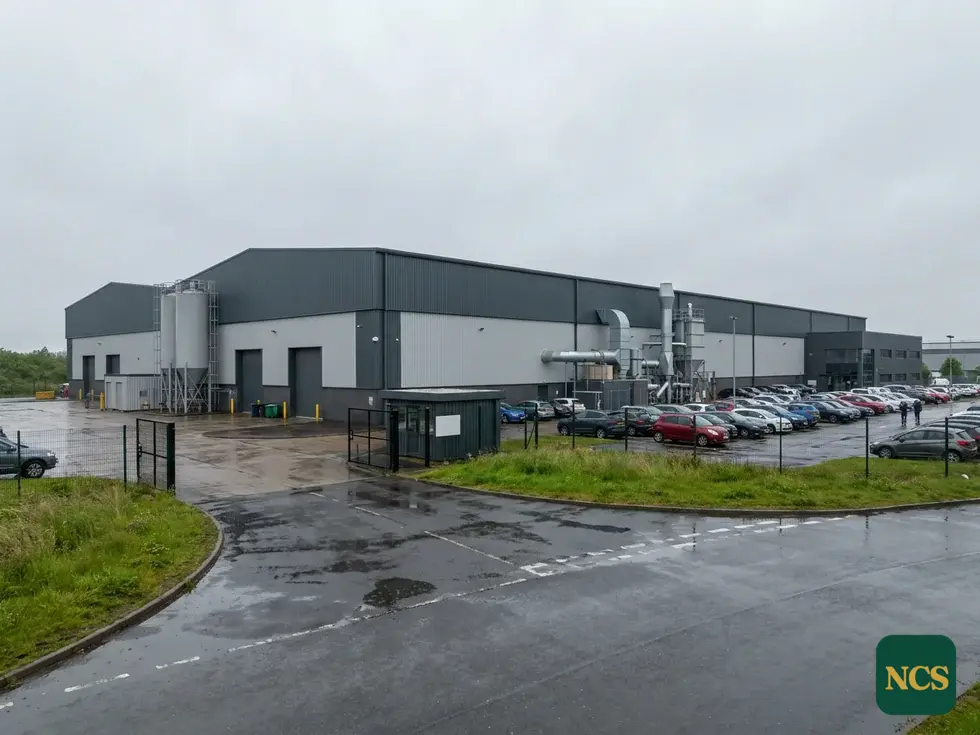
The edges go first, but the factory finish across the rest of each sheet is fading on the same timetable. Tackling the edges and overcoating the complete roof together brings every surface under one fresh system, so you are not back up there chasing the next failure in a couple of years, and the access equipment earns its keep on a single visit.
We reach Cumbria from our base in the South East, as part of England-wide coverage, and we plan the work around the weather so preparation and coating happen in conditions that let the system cure properly. The honest starting point is a roof-level survey with photographs and a graded assessment, and it may well point to a smaller job than you are braced for.