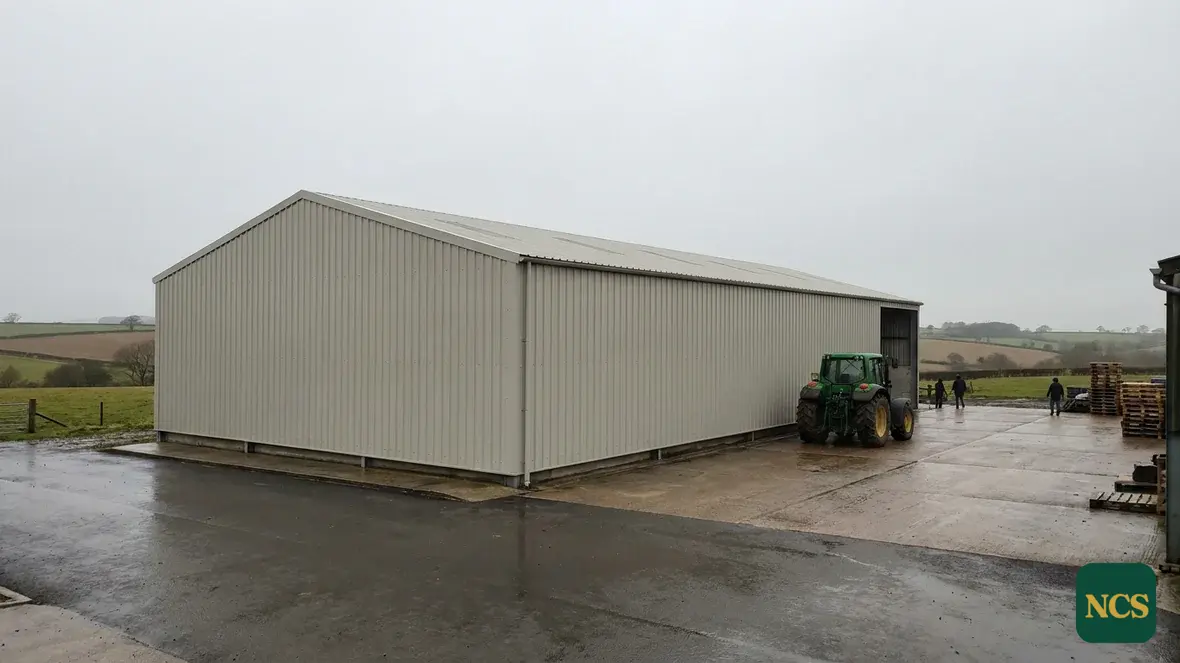
Rain shapes farming around Carlisle, and it shapes the buildings too. The Solway plain and the fells beyond see some of the heaviest rainfall in England, and livestock buildings here spend long winters full of housed cattle and sheep. National Coating Specialists covers the UK from a South-East base, and we plan northern agricultural building coatings work properly: surveyed first, scheduled around the farm calendar, mobilised once and finished before we leave.
What wet country does to farm roofs
Constant wetting ages a roof in ways drier counties rarely see. Moss and lichen colonise fibre-cement and hold water against it, laps and gutter lines never properly dry between fronts, and any breach in a factory finish becomes a corrosion site within a season or two. Add the inside story: months of warm, moist air rising off housed stock and condensing on the underside of cold sheets. Many livestock roofs around Carlisle are being attacked from both faces at once. The frames underneath are usually fine; buildings put up for Cumbrian winters were not built lightly. The question the survey answers is whether the sheets themselves still have enough sound material left to be worth protecting. That answer differs slope by slope, which is why we inspect every one rather than judging the whole roof from its best face.
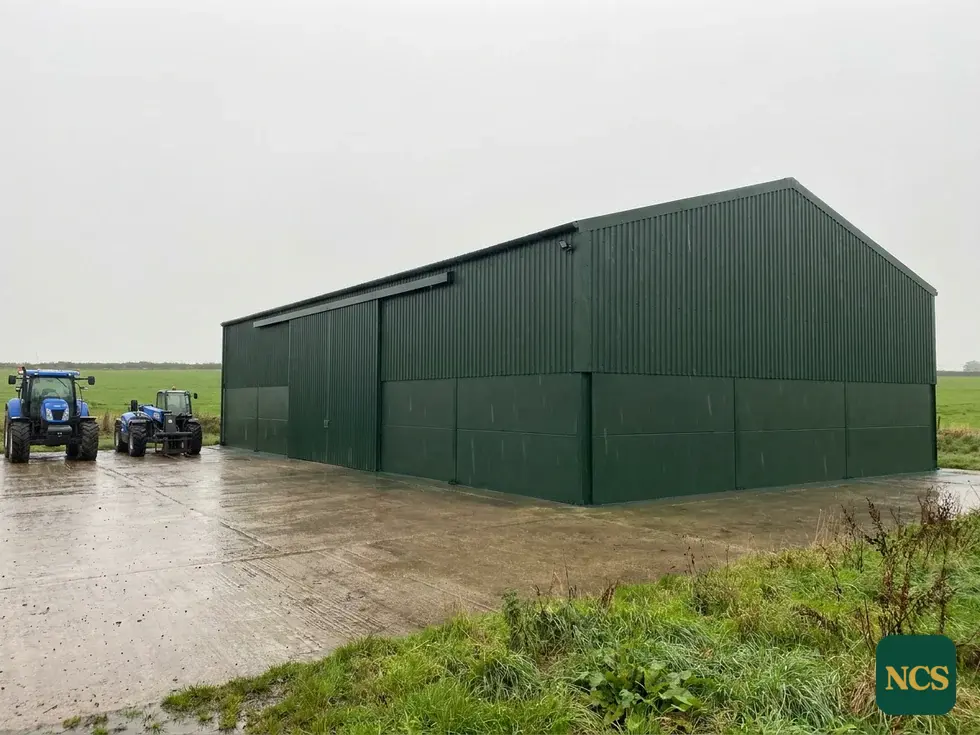
The livestock calendar runs the programme
Stock dictates timing here more than almost anywhere we work. Cattle are housed from autumn until well into spring, sheep come inside around lambing, and through those months the buildings that most need attention are exactly the ones that cannot be emptied. The honest window runs from late spring, after turnout, to early autumn before housing starts again, narrowed further by silage cuts and gathering. We build programmes inside that window with weather contingency included, because a forecast on the Solway is a suggestion rather than a promise. Buildings are taken in an order you set, and stock movements are agreed before anything else is. Winter is not wasted either: surveys can usually still go ahead while stock is housed, which means the programme, the access plan and the decision itself are already settled by the time turnout opens the working window.
Distance is our problem, not yours
We are straightforward about geography: Carlisle is a long way from our base, and that makes preparation more important, not less. We do not quote from photographs and hope, and we do not arrive underequipped. Before a crew mobilises north, the following are settled:
- A full survey reviewed with you, slope by slope, with photographs
- Firm dates agreed around turnout, housing and silage
- Access, ground conditions and plant requirements confirmed
- A weather contingency plan, not just a start date
- What happens if conditions on arrival differ from the survey
One properly planned visit beats three improvised ones, for your yard and for our standards.
Around Carlisle we paint and coat steel-clad barns, fibre cement roofs and workshop elevations, always off the back of a survey.
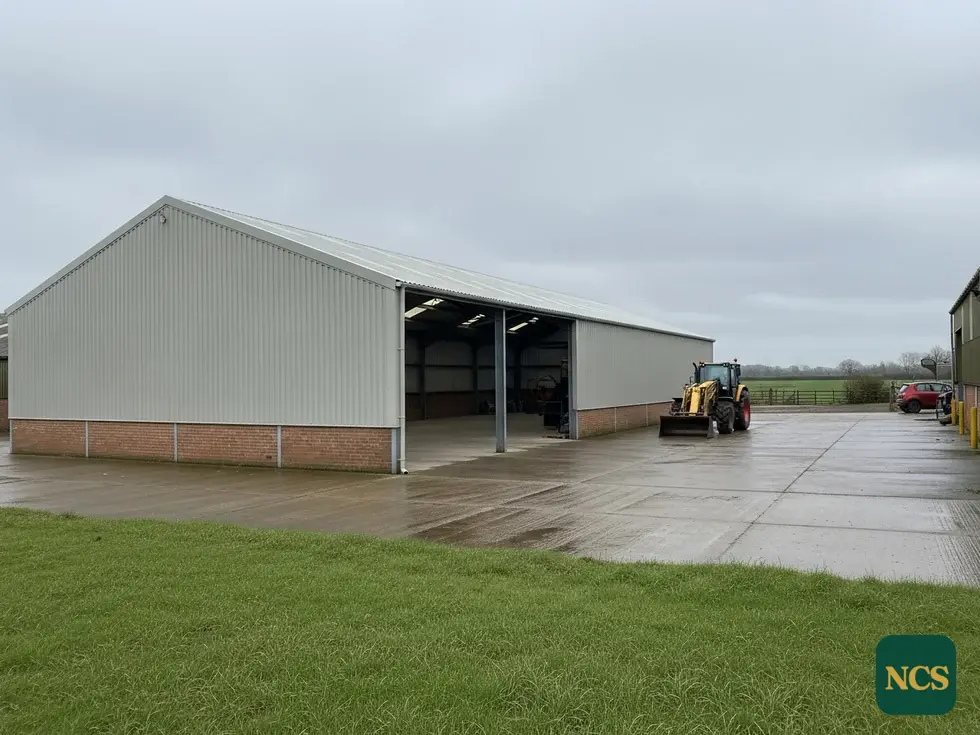
Coating is not always the answer
The wetter the climate, the more tempting it is for a contractor to coat everything in sight, and the more important it is not to. Weathered but sound asbestos-cement can often be cleaned and encapsulated; sheets gone soft or cracked need a specialist removal contractor, and we say so rather than spraying over the problem. Steel with surface corrosion and sound material underneath is a genuine coating candidate; steel with perforation is a replacement conversation. Where only part of a roof has failed, repair may be the right call before any coating is considered. You get the category, the evidence and a written recommendation, and if the right answer costs us the job, that is the answer you will still get.
We carry out agricultural building coatings work in and around Carlisle. For the full survey-led service and how we assess each building, see our Agricultural Building Coatings service, or request a free site survey.