Why the edges fail before the rest of the roof
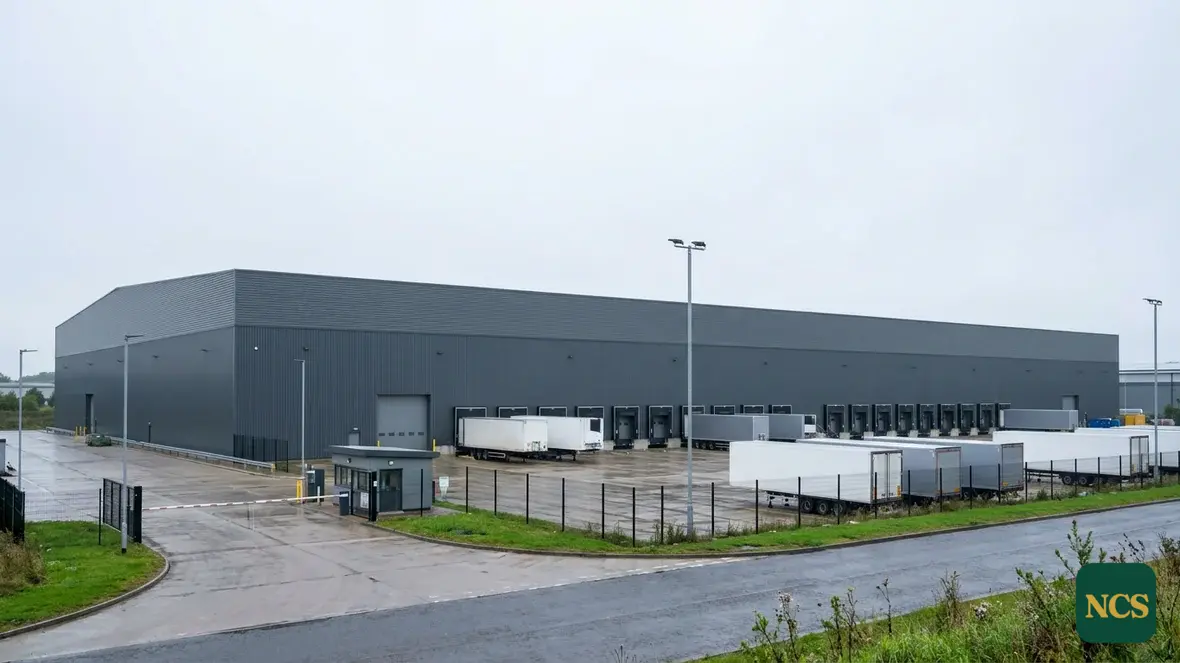
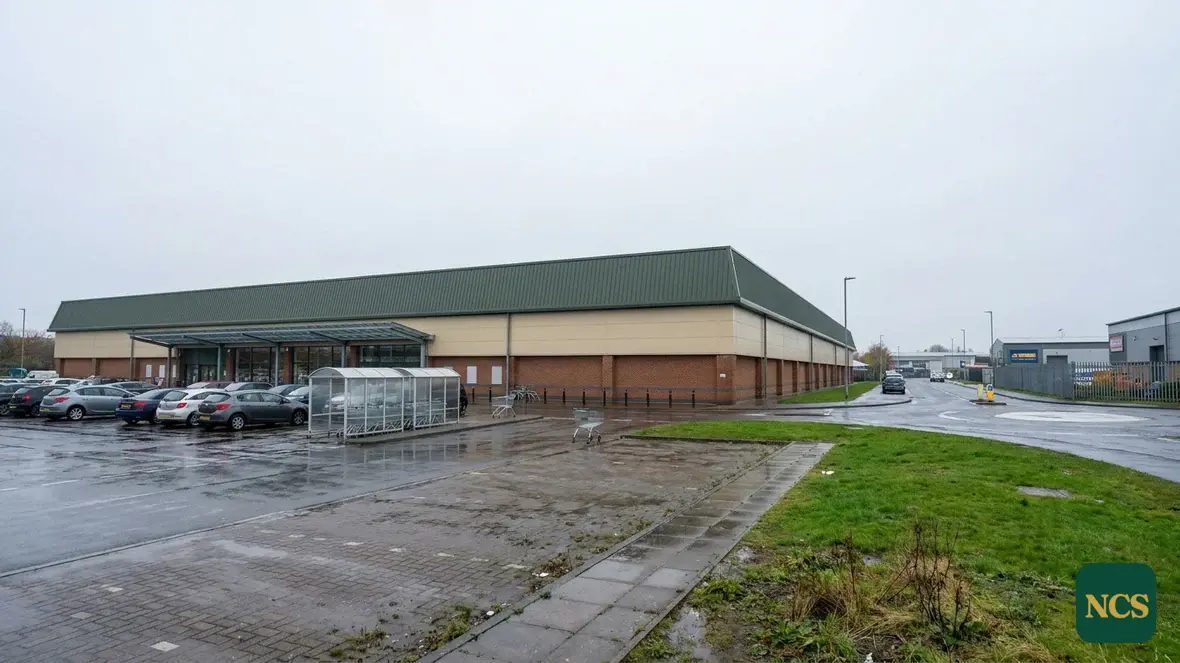
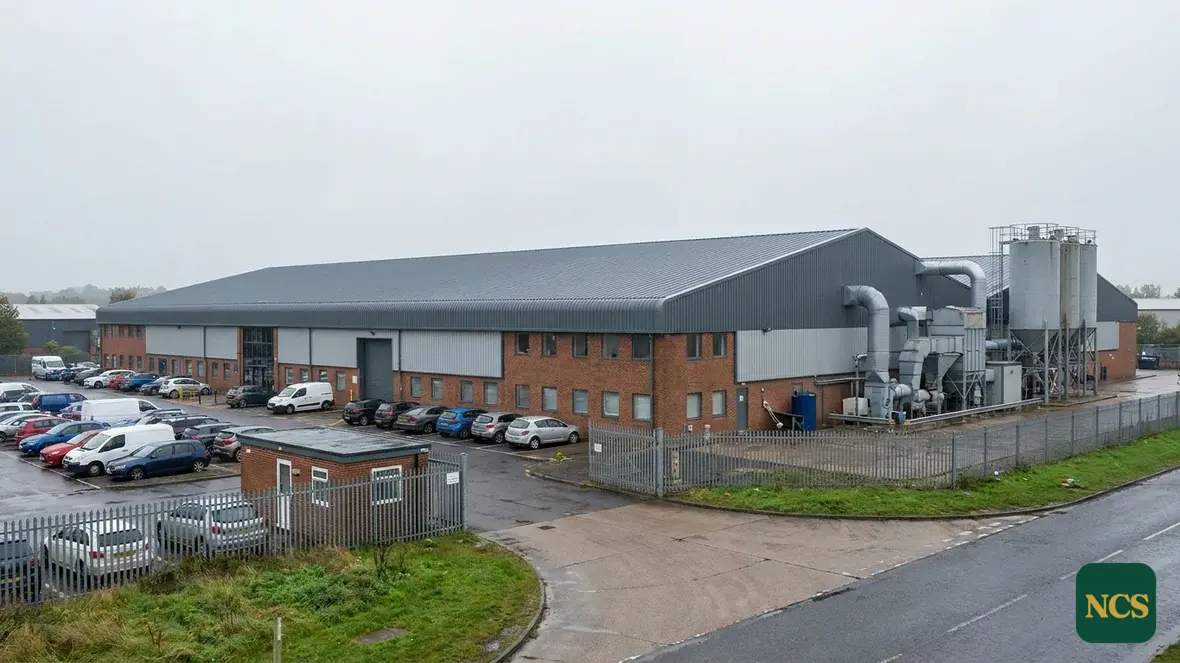
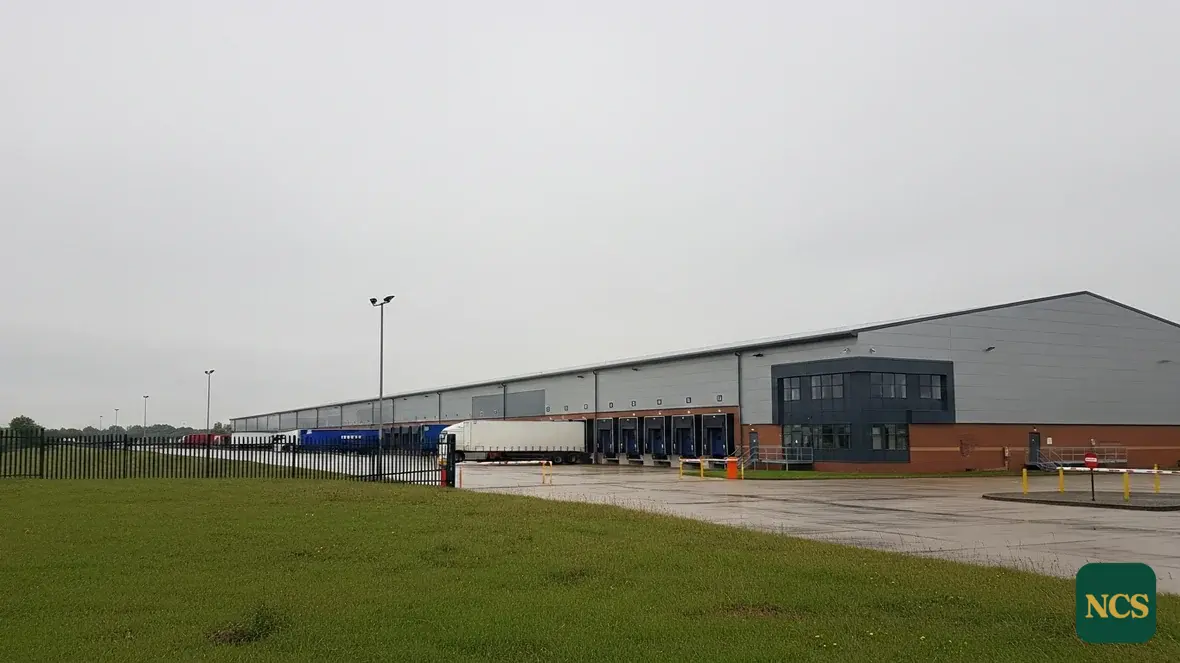
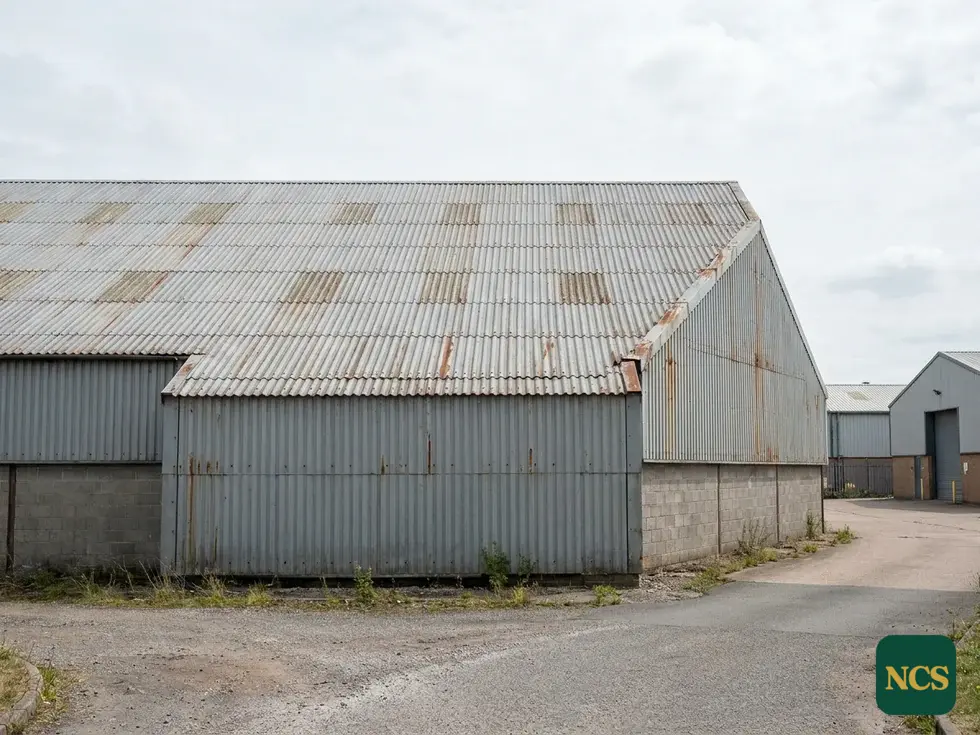
On the distribution sheds and light-industrial units around Lichfield, a coated metal roof usually starts to go at the edges long before the sheet faces give any trouble. The reason is simple once you know it. Profiled steel sheets are cut to length in the factory, and the cut runs through the galvanising and the coloured coating, leaving raw steel exposed at every sheet end and side lap. The coated face is protected for years. The cut edge never was, because no factory finish wraps a line made after the coating is applied.
From there it is a slow chain reaction. Water reaches the bare steel, rust forms, and it tracks back under the coating, lifting it from the metal as it goes. The thin brown line visible from the car park is the front of corrosion that has usually crept further than it looks.
An inland Midlands roof has its own pressures
Lichfield sits inland, away from the salt air that punishes coastal roofs, but that does not make its metal roofs immune. Here the drivers are the age of the building stock and the everyday cycle of weather. Many distribution and trade-counter units around the city date from a generation of steel-clad construction, and decades of condensation, rain held in the overlaps, and thermal movement as sheets heat and cool all open the door for edge corrosion. North-facing laps that stay shaded and damp for long stretches are often the first to show it.
The treat-early argument in plain terms
While the corrosion is shallow, the work is localised and low-disruption. The affected edges are mechanically cleaned back to sound metal, then treated, primed and sealed with a flexible coating made to move with the sheet. The rest of the roof stays in service and the unit keeps trading. Leave it long enough and a sheet perforates, and no coating recovers a sheet that has rusted through. That means replacement: access equipment, stripping, new sheets, and disruption inside the building. The gap in cost and downtime between an edge treatment and a re-sheet is the entire reason to deal with rust while it is still on the surface.
Signs worth a closer look
- Brown staining along the gutter line, visible from the ground
- Coating flaking or curling back at the sheet overlaps
- Rust forming around the fixings near sheet ends
- Rust flakes or coating bits collecting in the gutters
- Damp patches inside the unit beneath the laps
Each of these is a reason to investigate rather than a measurement of the damage. The trustworthy figure comes from a survey: getting onto the roof, checking the worst laps where it is safe to do so, and seeing how far the corrosion has travelled under the coating.
Our honest line on sheets that are finished
We survey before we quote, and sometimes the survey hands you news that loses us the job. If sheets are perforated, if rust has run a long way under the coating, or if the underside is corroding where no treatment can reach, we tell you. Coating over a failed sheet wastes money and lifts again before long. The honest options then are replacing the worst sheets and treating the rest, or an overlay if the roof has reached the end of its life. Where the edges are failing and the faces are chalking and fading too, folding the cut edge work into a full roof coating is usually better value, protecting the whole surface in one visit. We are based in the South-East and work across England, and what we recommend for a Lichfield roof rests on what the survey photographs show.