Managing asbestos cement roofs around Lichfield
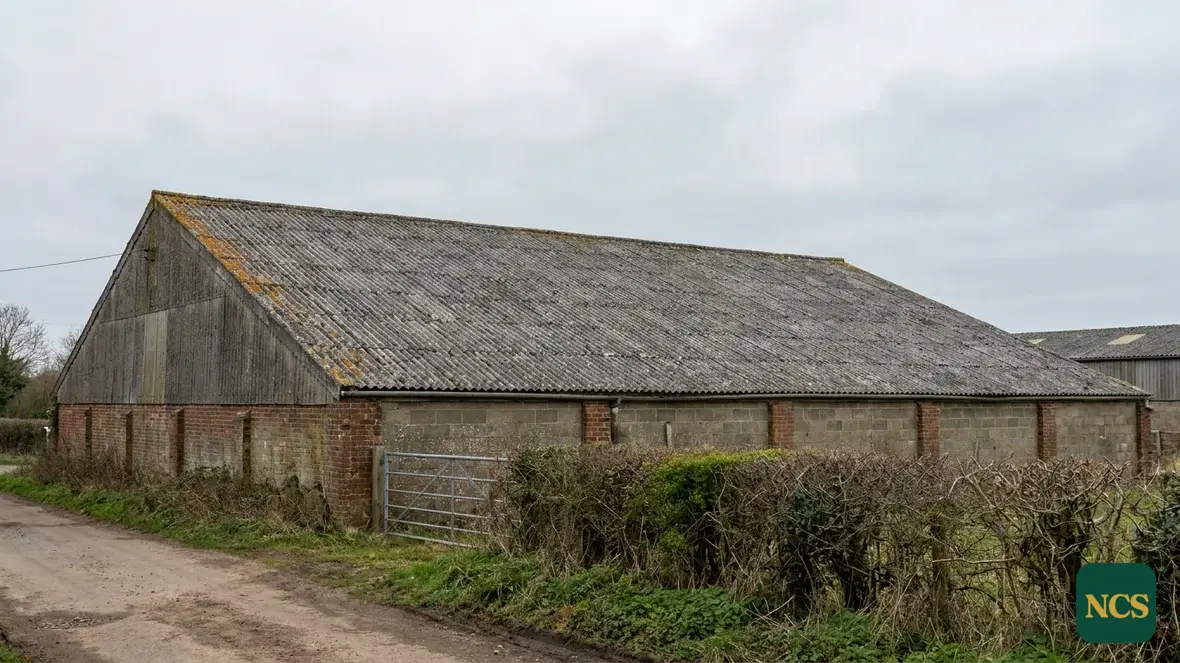
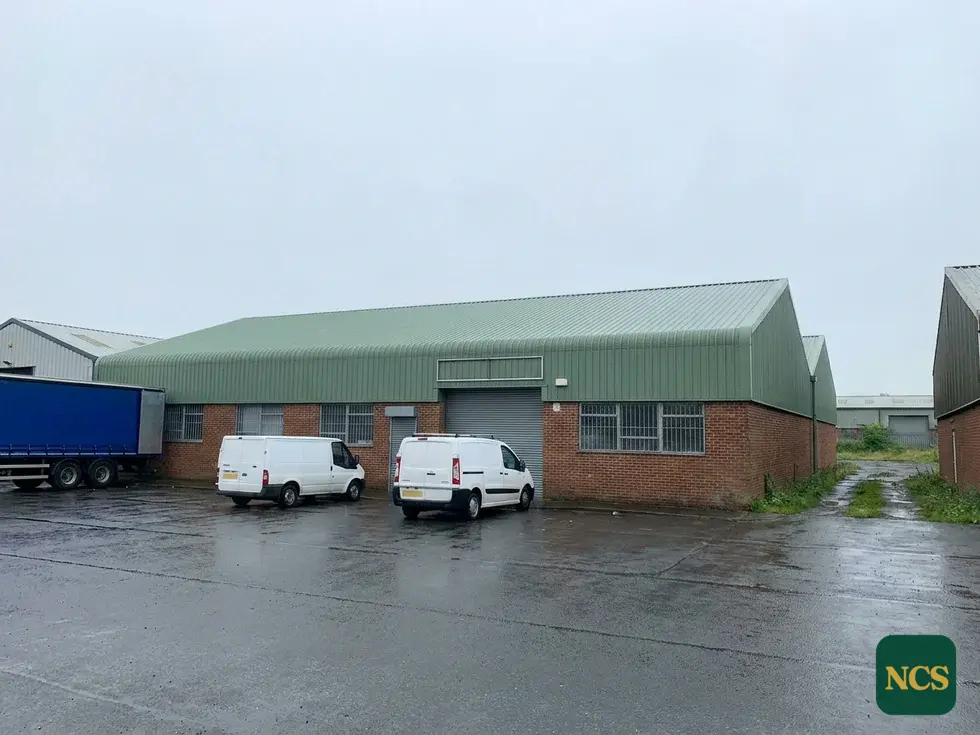
Walk around the trading estates in Lichfield, or out into the farms in the Staffordshire countryside, and you’ll see plenty of roofs laid in asbestos cement. These workshops, storage units and agricultural buildings often feature sheeting from the 60s, 70s or 80s. It was standard stuff back then, and because the UK didn’t ban asbestos until 1999, those roofs are now getting on a bit. First job is always identification. Some later grey sheets are non-asbestos fibre cement, and you won’t know the difference without a sample or solid paperwork. These roofs might look weathered, mossy, and stained, but many are still structurally sound. If your asbestos cement roof is sound, we can manage it in place, no need for removal.
For Lichfield building owners with a duty to manage asbestos, encapsulation with the right paint build is often the practical route, and the survey confirms if your roof qualifies.
Encapsulation as a compliance tool, not just a coating
The Control of Asbestos Regulations 2012 are clear: if you control a non-domestic building, you have a duty to manage any asbestos in it. That means identifying it, assessing it, planning for it, and then acting. Encapsulation is a direct answer to that duty. We apply a specialist elastomeric coating that seals the weathered sheet surface, holds the cement matrix together, and drastically cuts down the chance of fibres getting released from normal weathering. Get it done after a proper survey, record it in your asbestos management plan, and you’ve got a clear, documented management action, not just a cosmetic fix.
It’s usually the cheaper way to go too. Stripping a roof means dealing with hazardous waste, getting temporary weather protection in, putting up new sheeting, and a load of downtime. Encapsulation sidesteps most of that. That’s why it’s usually the first option we price up for a sound roof.

What the survey covers
Condition is everything. We won’t price a job until we’ve surveyed. On a typical roof near Lichfield, our inspection covers:
- How many sheets are cracked, holed, or patched.
- The surface condition: is the matrix firm, or is it softening and delaminating?
- The fixings, laps, and ridge cappings.
- Roof lights, flashings, and the gutter lines.
- Access for safe working, and any structural considerations.
Only if those findings support coating do we move on to the specification: a controlled clean, any necessary repairs, then applying the encapsulant across the whole roof.
Where encapsulation stops: honesty about removal
Encapsulation isn’t a magic fix for everything, and we won’t pretend it is. If a roof has widespread cracking or crumbling sheets, or if the material turns out to be asbestos insulation board rather than cement, it’s not a candidate for coating. Same goes for fire or storm damage, or if the supporting structures are knackered. And if the building is coming down or being redeveloped in a few years, there’s no point. In those cases, our report will recommend removal. You’d need a licensed asbestos removal contractor for that, if the material or method requires one. We’d rather give you that answer at the survey stage than coat a roof that should never have been coated in the first place.
From the South East to Staffordshire
National Coating Specialists are exterior coating contractors. We’re survey-led, based in the South East, and we work all over the UK. Lichfield and the surrounding areas are well within our reach. Every project we do there follows the same pattern: inspect the roof, give an honest report on its condition, and only encapsulate if the sheets are sound. Our report lays out the condition, suitability, and a recommended course of action in plain English. That means it’s useful to you even if you don’t take the work any further. If you’re managing a building with an ageing cement fibre roof, a documented condition survey is the sensible place to start.