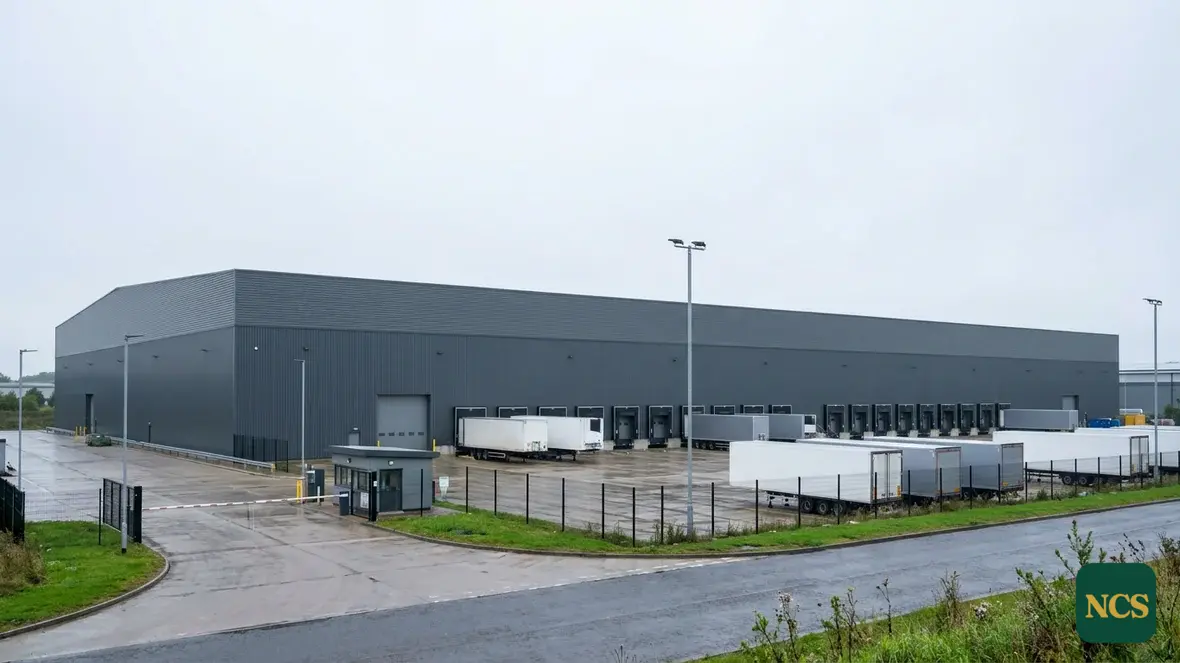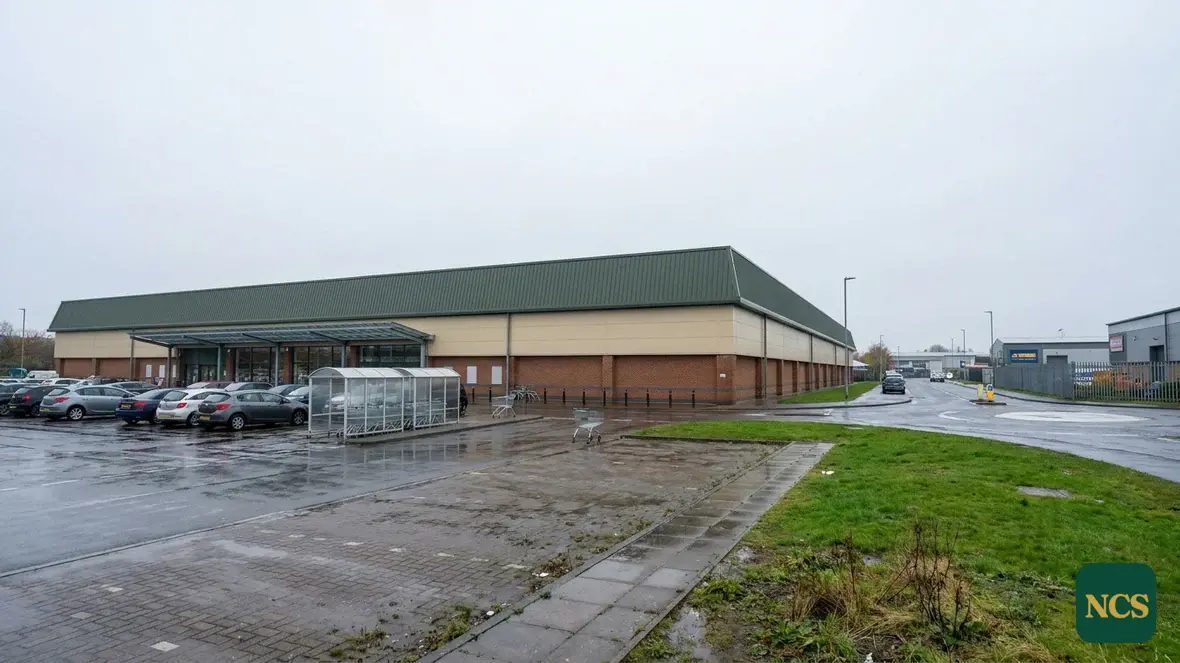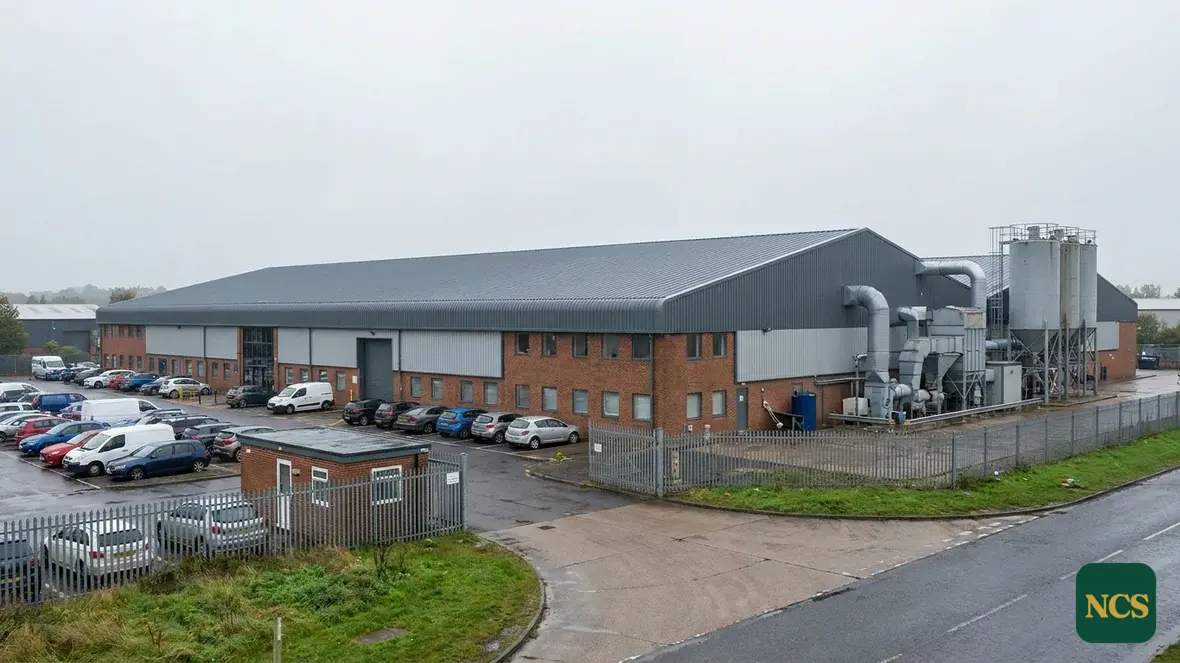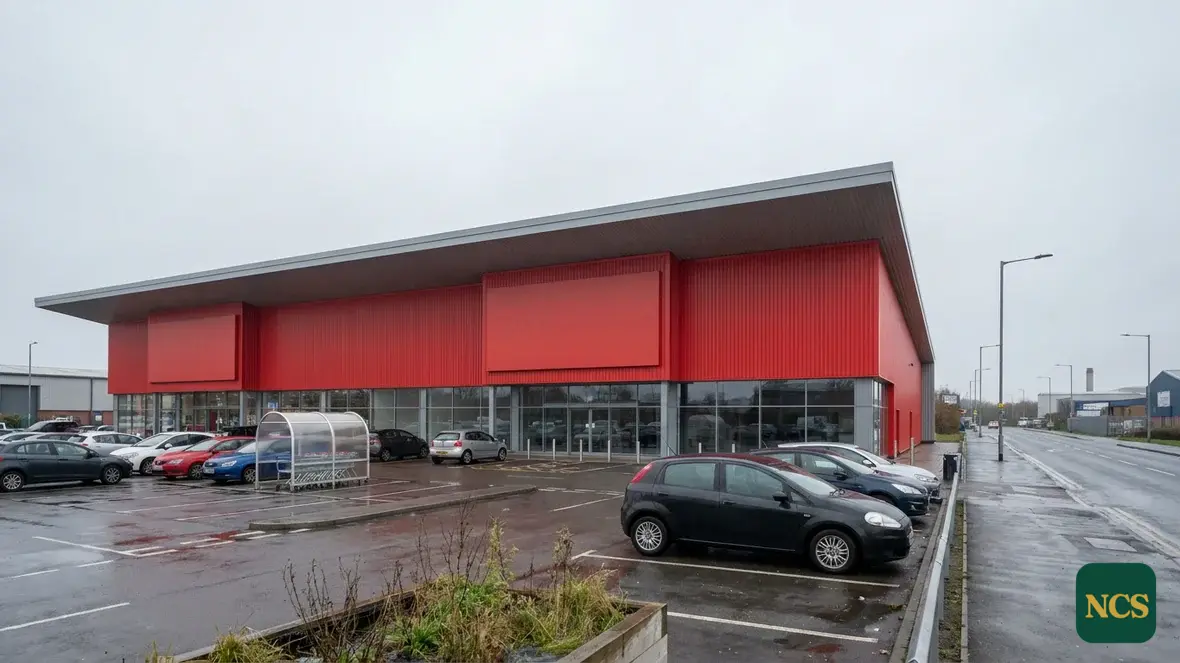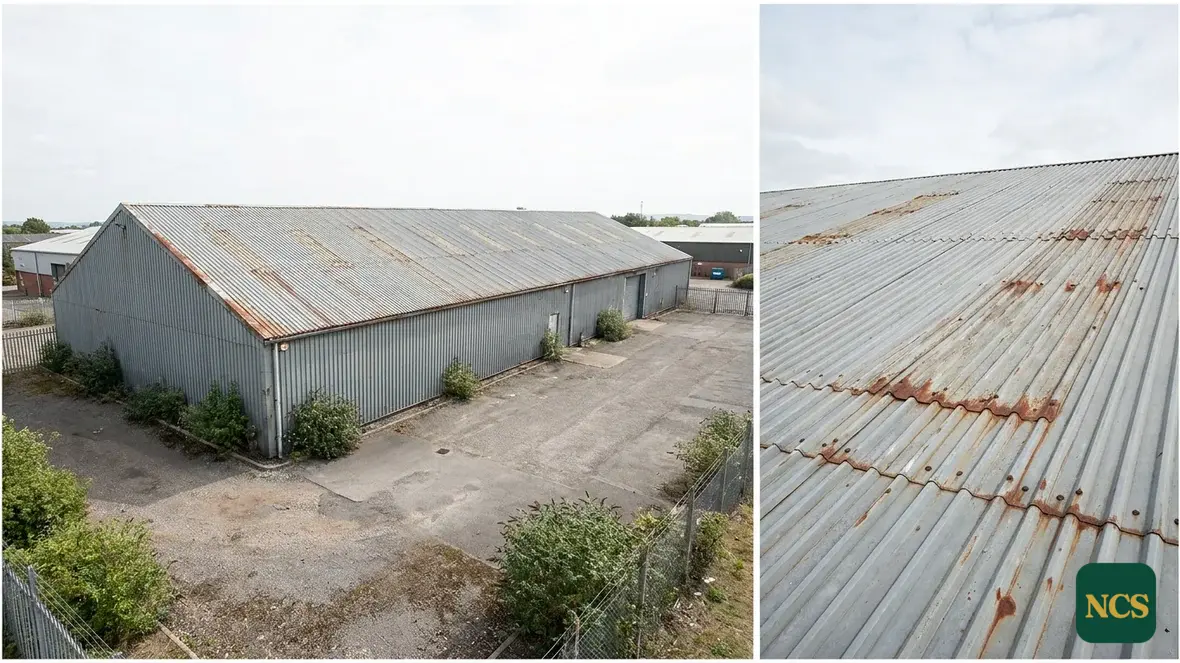
No coastal city escapes the salt, and Plymouth’s profiled metal roofs feel it more than most. Salt-laden air accelerates every kind of steel corrosion, and on a coated roof the first place it bites is the cut edge of the sheet. The dockside warehousing, marine-industrial units and trade estates around the city carry a lot of this roofing, and a rust line along the gutter is the early warning. Treated promptly, cut edge corrosion in Plymouth stays a repair. Ignored, it becomes a roof replacement.
Cut edges: the gap in the armour
Steel sheets are coated on both faces at the mill, but cutting them to length leaves a strip of bare steel along each end. On the roof those edges sit at the laps and gutter lines, where water settles and dries slowest. The exposed steel rusts, and the rust then creeps back under the factory coating, lifting and peeling it. The coating protected every part of the sheet it could, but it was never able to seal the cut, which is why the failure always begins at the edges.
Why the sea makes it worse, and faster
Salt does two things to a corroding edge: it holds moisture against the steel and it speeds up the electrochemical reaction that turns steel to rust. On exposed coastal buildings around Plymouth, that means cut edge corrosion can advance noticeably quicker than on an inland roof of the same age. Add shallow pitches that hold water, gutters that struggle to clear in driving rain, and prevailing south-westerly weather off the Sound, and the edges take a relentless beating. The corrosion front moves inward, the coating delaminates, the steel thins, and eventually the sheet ends perforate.
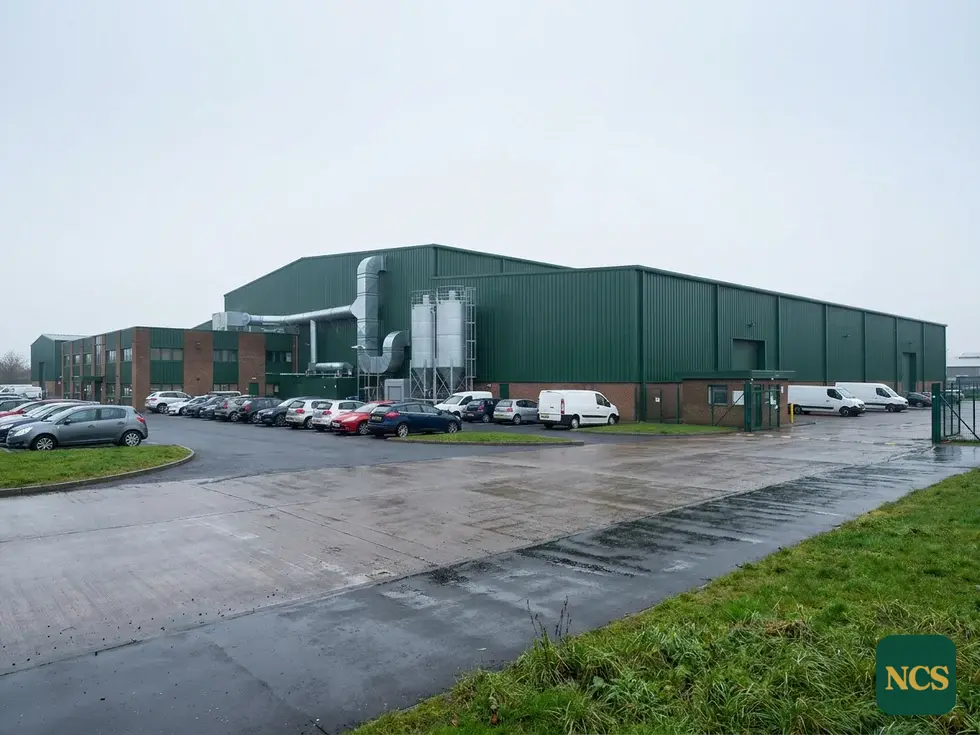
Acting while it is still an edge problem
Caught early, the repair is contained and the building stays in use. We clean the corroded edges back to sound steel, apply a corrosion-inhibiting primer, then seal the laps and gutter runs with a flexible coating that can move with the roof and shed water cleanly. Left late, the same edges perforate and the job turns into stripping and replacing sheets, which is exactly the disruption a working dockside or industrial unit does not want. Signs to watch on a coastal roof:
- Rust streaking down the cladding below the gutter line
- Coating peeling or flaking back from the sheet overlaps
- Gutters holding salty standing water and rust debris
- Damp patches inside appearing along the fixing lines
The roofs we will not treat
We would rather be honest than take the work. If sheets have already perforated, if corrosion has reached deep into the laps across large areas, or if the coating is failing across the full sheet face and not only the cut edges, an edge treatment cannot save the roof and we will not pretend otherwise. For badly corroded coastal roofs the realistic options are sheet replacement or over-roofing, and we will set that out after the survey so you can plan and budget properly rather than pay twice.
Survey-led, Plymouth covered
Every job begins with a proper roof survey, with the laps, edges, gutters, fixings and coating photographed and reported so you see the real condition. Where salt and weathering have tired the factory finish across the whole roof, treating the cut edges and applying a full roof coating in one visit often makes the most economic sense, sharing one access set-up. We are based in the South East and work across England, with Plymouth and the wider Devon and Cornwall area within our normal reach. Send us the building details and we will arrange to come and look.