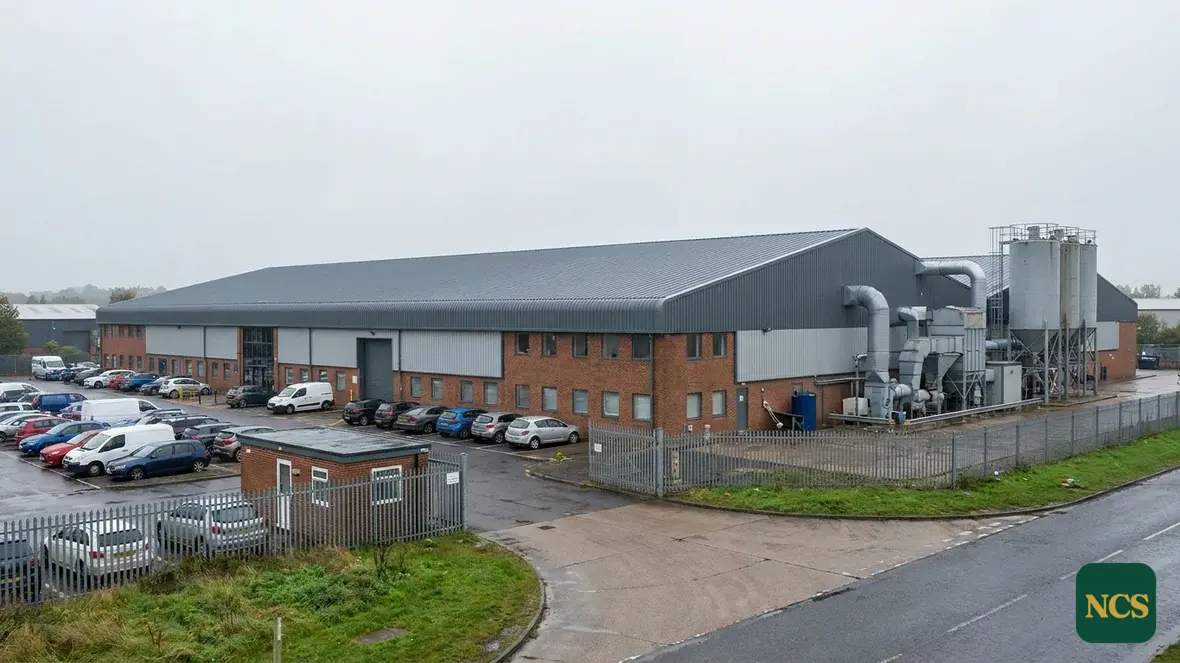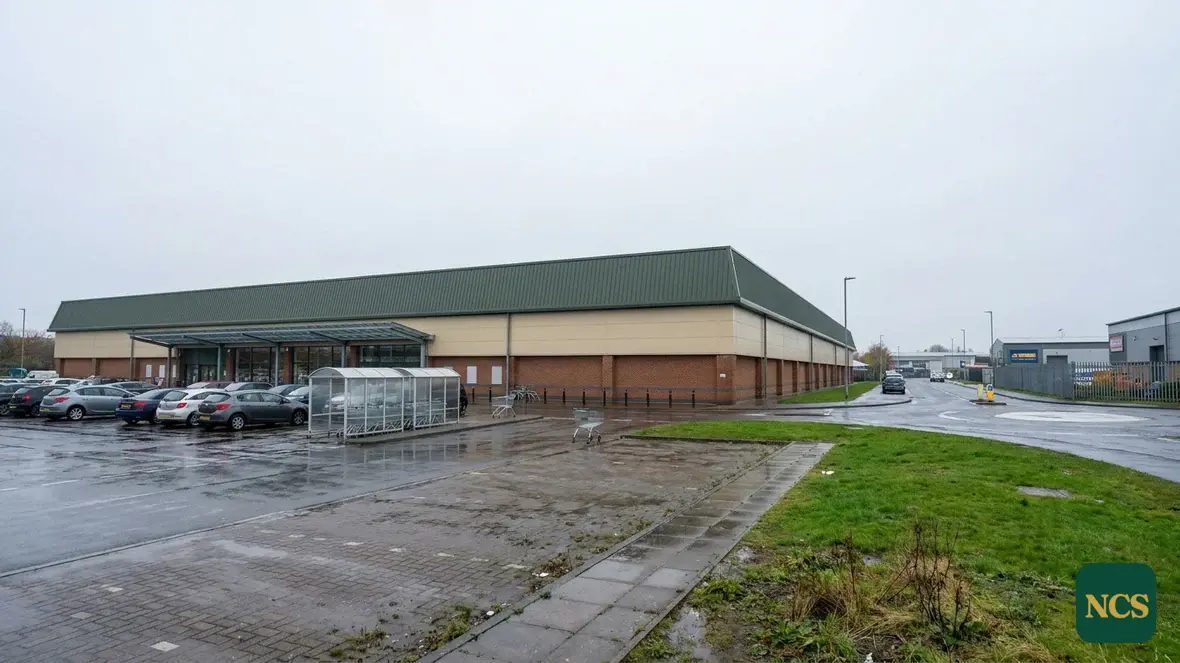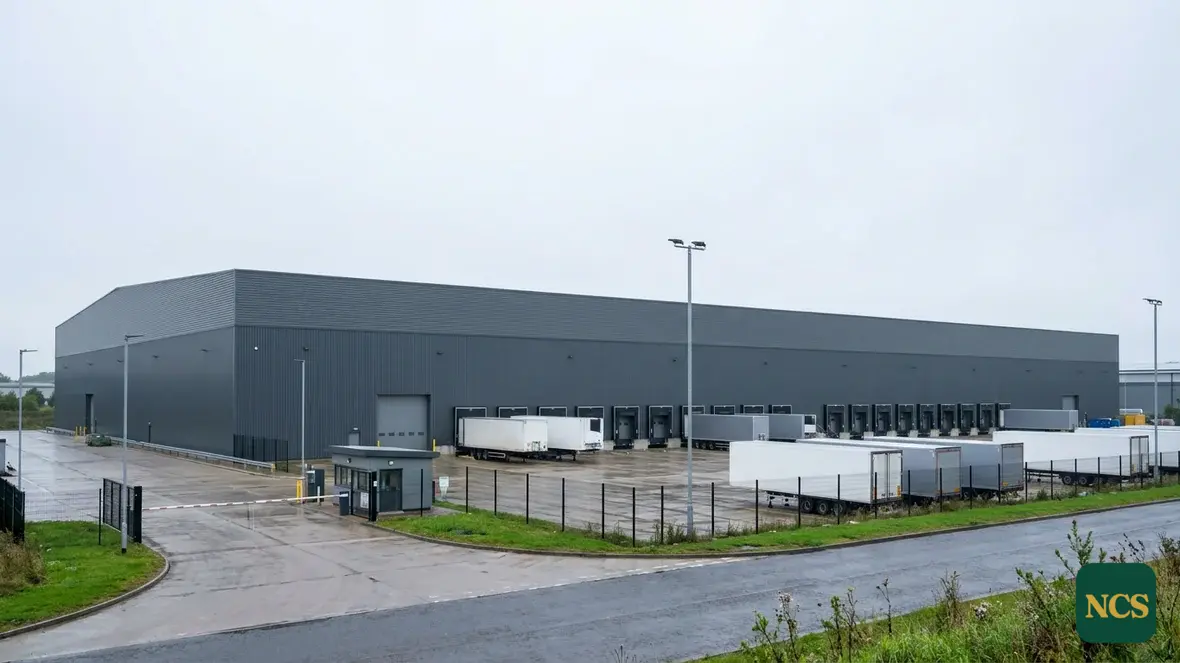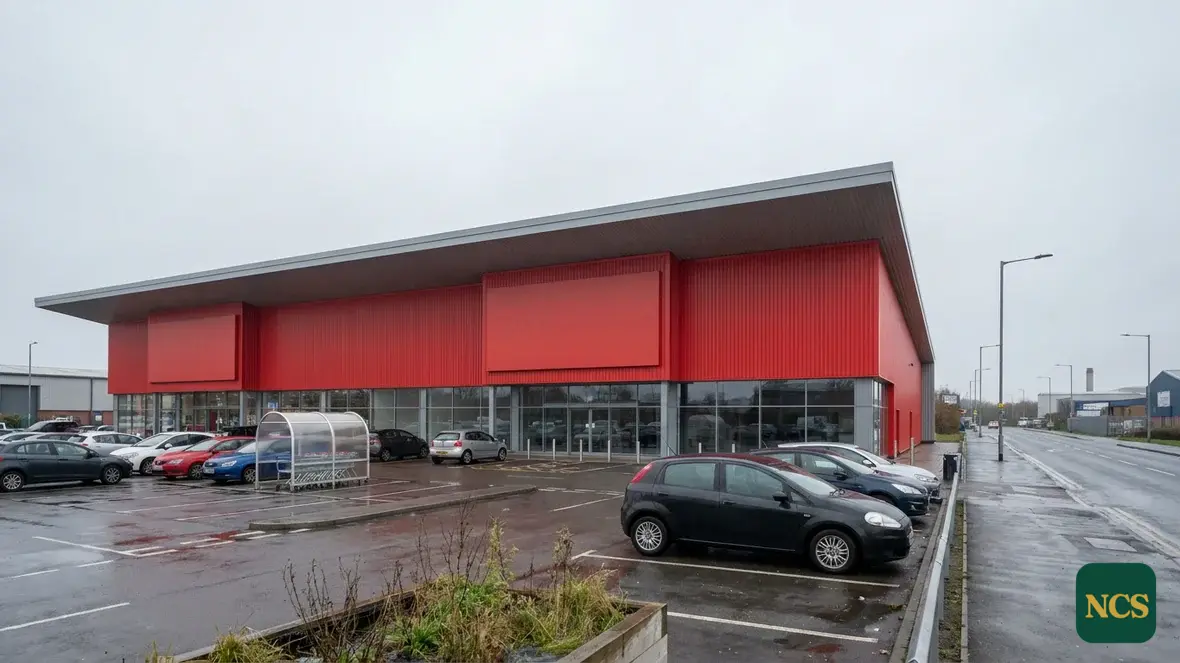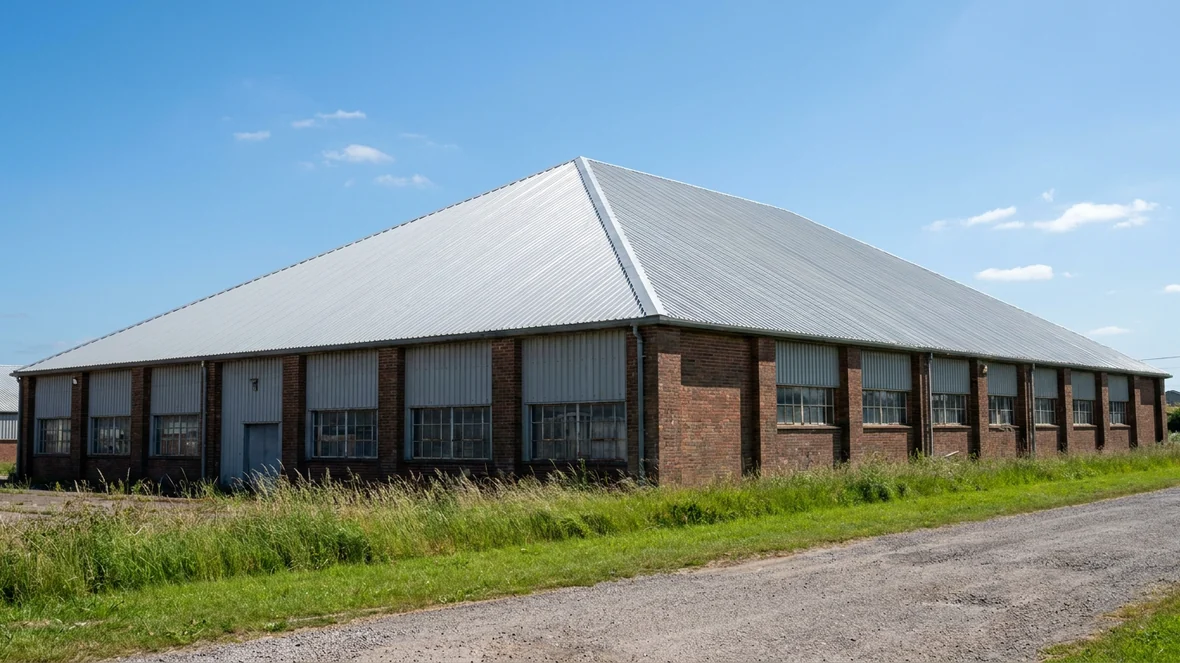
Plymouth’s industrial roofs take a harder beating than most. The city’s marine, manufacturing and distribution units sit on the South West coast, where wet Atlantic weather and salt-laden air work on a roof finish faster than they would inland. For the facilities teams responsible for warehouses and factory units around Plymouth and across Devon, that climate shortens the window between cosmetic ageing and genuine deterioration. A coating applied while the sheets are still sound can close that gap, but only a survey can confirm the roof is a candidate in the first place rather than a replacement waiting to happen.
The South West climate and profiled metal
Devon is one of the wetter parts of England, and on the coast the moisture comes with salt that accelerates corrosion. Profiled steel relies on a factory-applied finish that chalks, fades and thins until bare metal shows, at which point rust takes over and speeds up. Inland and in a drier county that decline is slow. On a coastal site, roofs spend more of the year wet, organic growth takes hold readily on shaded slopes, and the salt in the air gives corrosion a head start. Maintenance plans written for a drier location tend to run behind the actual condition of the roof, which is why we judge each one on what the survey shows rather than on its age alone. Two roofs of the same age, one in Devon and one in the Midlands, can be in very different states, and the only way to know which you are looking at is to get up there and check.
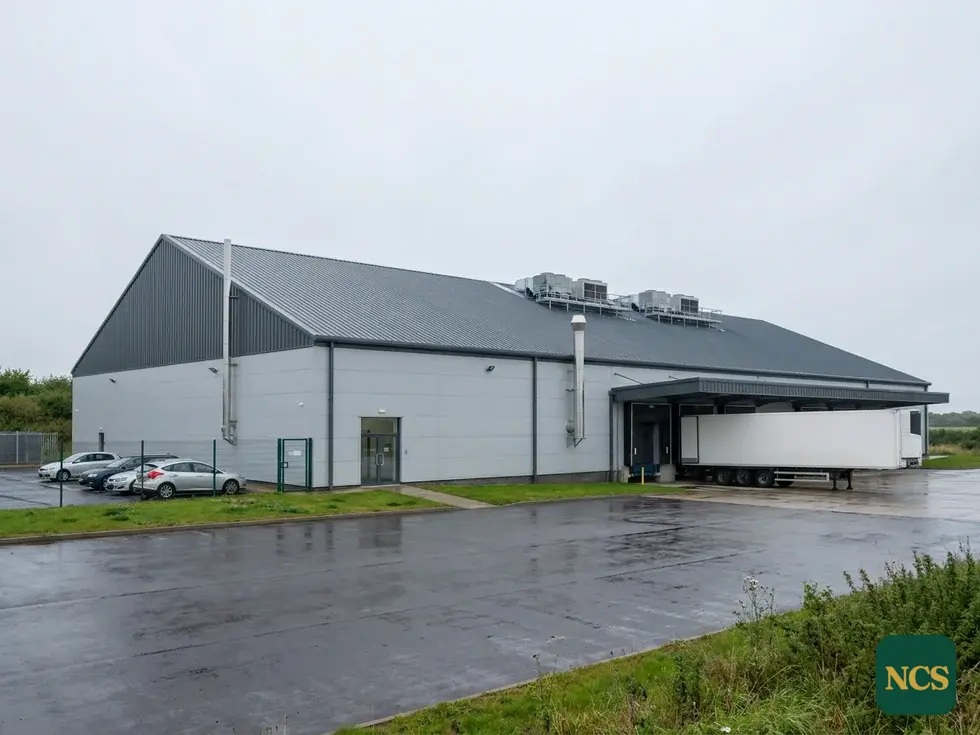
Cut-edge corrosion: catch it or buy sheets
The defect that drives most industrial roofing budgets here is cut-edge corrosion: rust on the unprotected steel where sheets were cut, at eaves, side laps and end laps. Wet, salty coastal air feeds it. Moisture sits in the overlap, the edge corrodes, and the deterioration tracks back beneath the finish, lifting it as it goes. Early on, this is routine work inside a coating project, with the edges prepared, treated and sealed before the main system. Late on, once corrosion has weakened the lap itself, the sheets need replacing and the cost picture changes completely. In a Plymouth climate, the difference between those two stages can be a single bad winter, so the timing of the first survey genuinely matters. A roof inspected in good time is usually still a coating job; the same roof left another year or two can easily become a sheet-replacement job, and the budget moves with it.
What we check before specifying
We do not quote from drone photographs. Every recommendation follows a physical survey that establishes:
- Whether sheets, laps and fixings are structurally sound
- How far cut-edge corrosion has progressed, with photographic evidence
- The condition of gutters, valleys, rooflights and penetrations
- Any internal signs of leaks or saturated insulation
- Whether coating is genuinely the right intervention for this roof
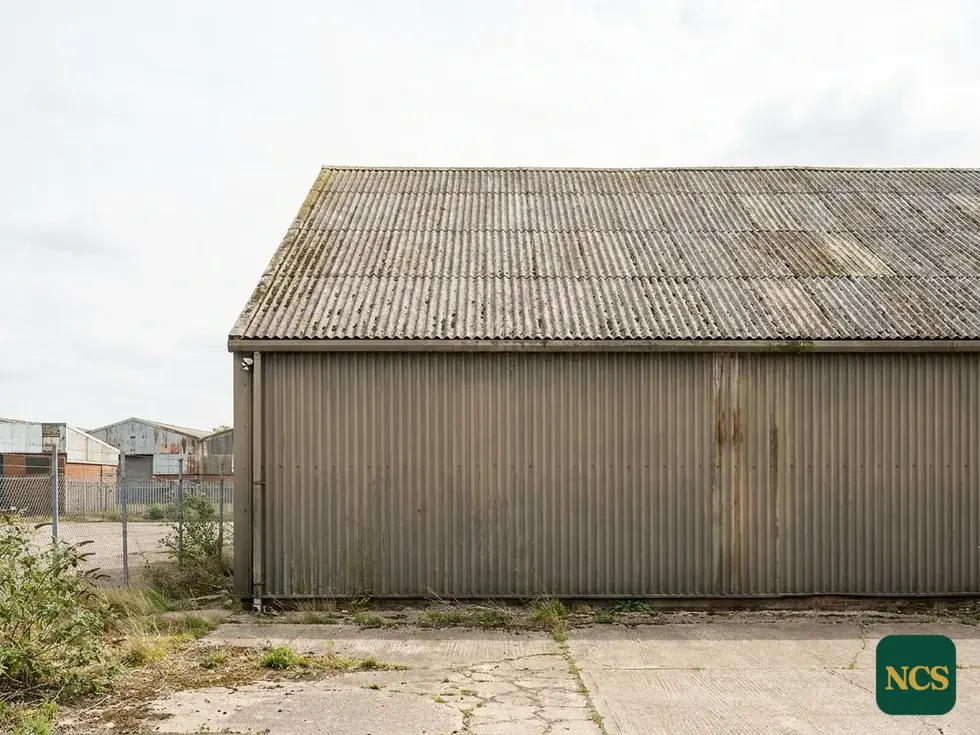
Where coating loses to replacement
Coating extends roofs that still have life to extend. It is the wrong answer for a roof with widespread perforation, corrosion that has compromised sheet strength or fixings, waterlogged insulation in a built-up construction, or permanent ponding from structural deflection. In those cases we recommend repair or replacement and say so in writing, even though it costs us the coating contract. An honest condition report is more use to an estates team than a roof that looks fixed and fails again in two years. Most of the Plymouth roofs we survey have not reached that point, and for those a coating is usually the most economical option on the table: a fraction of replacement cost, no strip-off, and a site that keeps trading from the first day of work to the last.