Why buildings around Nailsworth and Stroud need cladding protection
The Nailsworth and Stroud valleys throw everything at cladding. You’ve got damp air hanging in the hollows, then exposed hillsides taking a battering from driving rain. A lot of the commercial buildings here started life as mills, or they’re later additions with profiled steel or plastisol cladding. It fades, it chalks. Leave it alone and it just keeps getting worse, losing its looks and its ability to keep the weather out.
The cladding stock of Nailsworth and Stroud
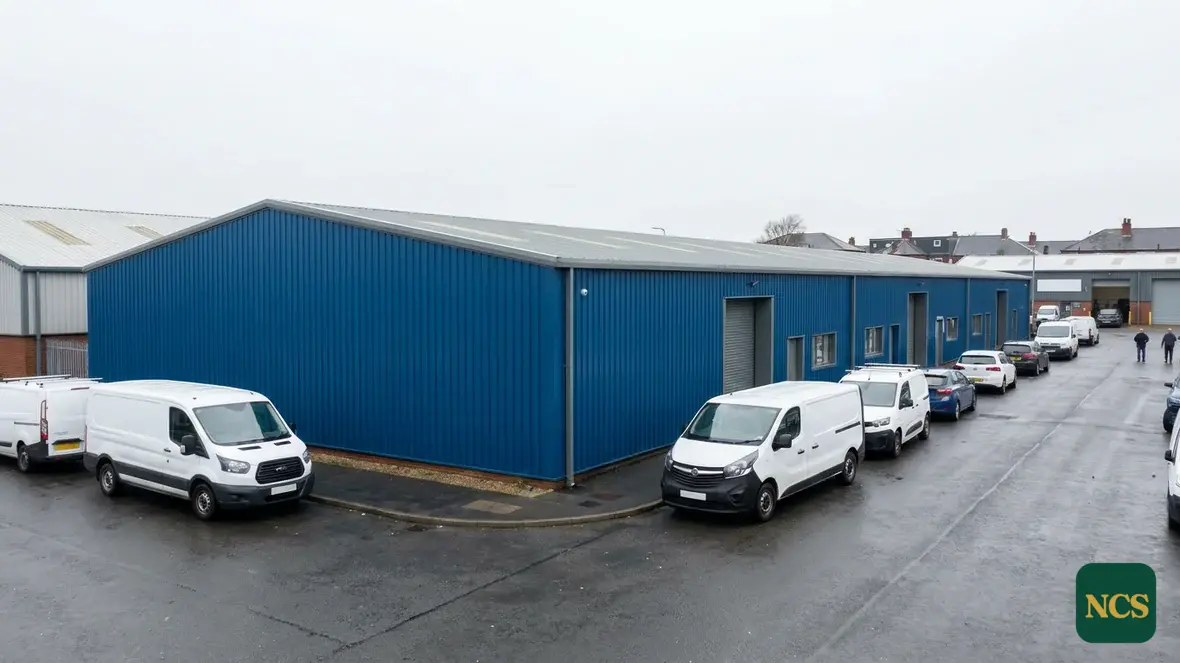
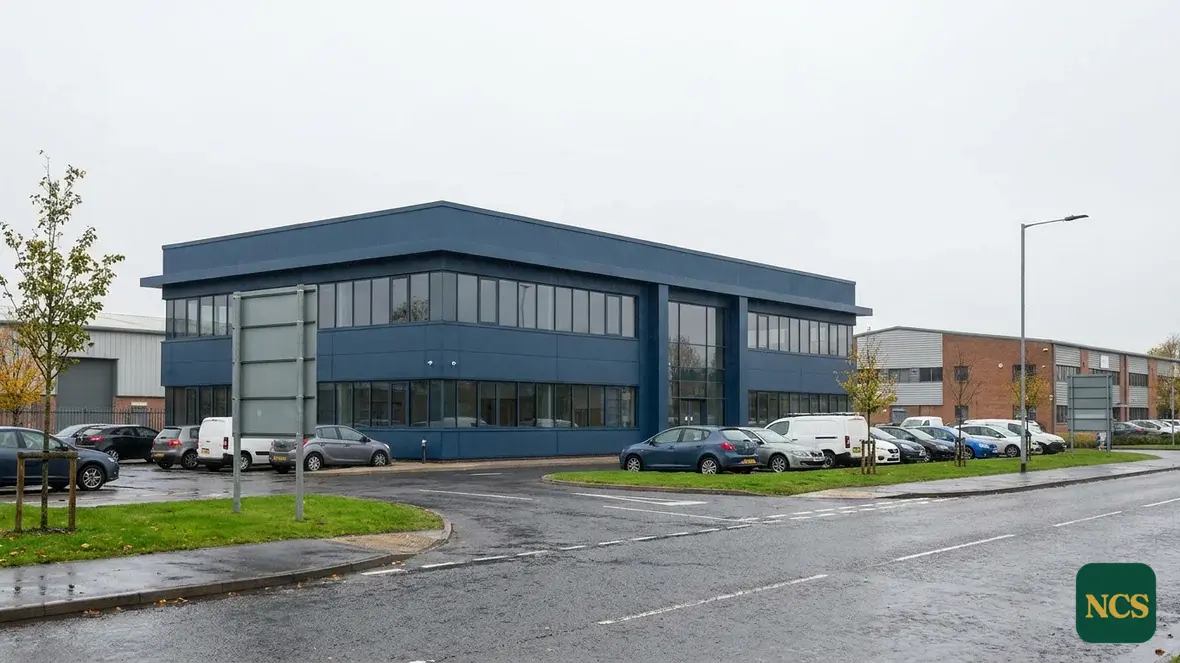
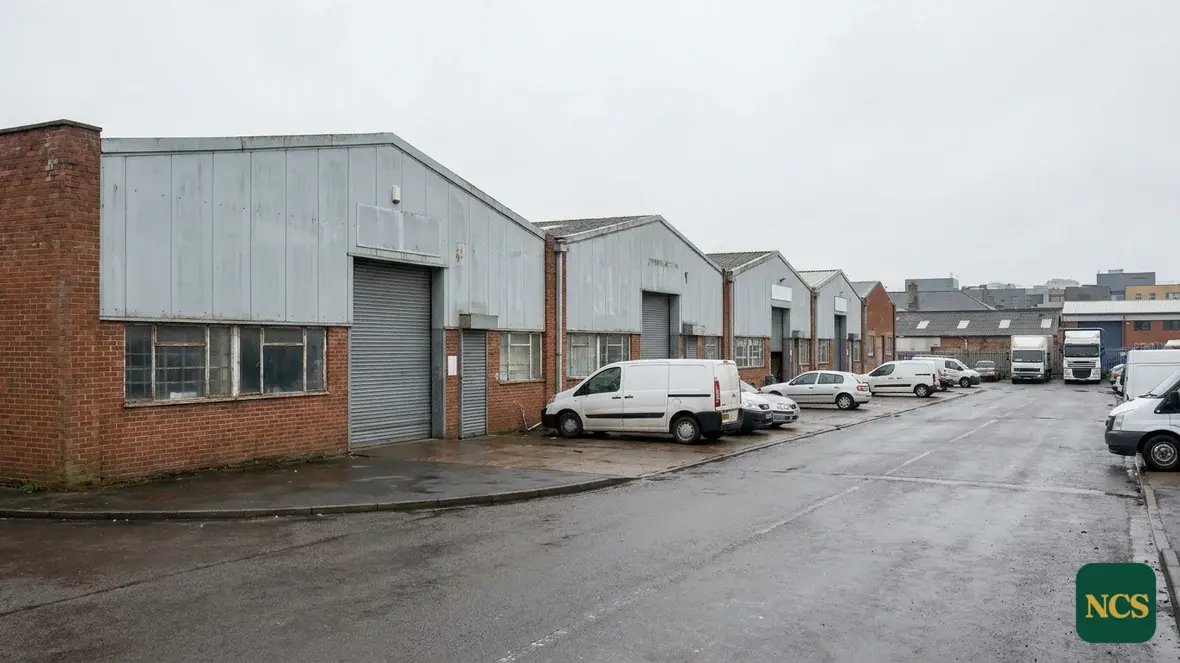
Walk the stretch from the old stone mills along Nailsworth Stream to the trading estates at Brimscombe and Stonehouse, and you see all sorts of cladding. Plenty of the older industrial units have corrugated steel, now oxidised to a dull, tired finish. Newer builds along the A46 corridor often feature plastisol panels where the colour has just faded right out, usually unevenly. And the Golden Valley industrial area has its share of cladding systems that just aren’t doing the job anymore.
Cladding sprayers who skip the washdown and edge treatment leave Nailsworth and Stroud buildings with a finish that chalks early. Ours do not skip it.
How on-site cladding spraying works
We spray a fresh protective coating right over your existing cladding. First, we clean it thoroughly, getting rid of all the dirt, algae, and anything loose. Then we mask up windows and fittings. A primer goes on next, to make sure everything sticks properly. The topcoat is applied in controlled passes with airless spray equipment. We build it up to an even finish, bringing back the colour and the weather protection. You end up with a uniform look and a building that’s weatherproof again.
Addressing damage before coating
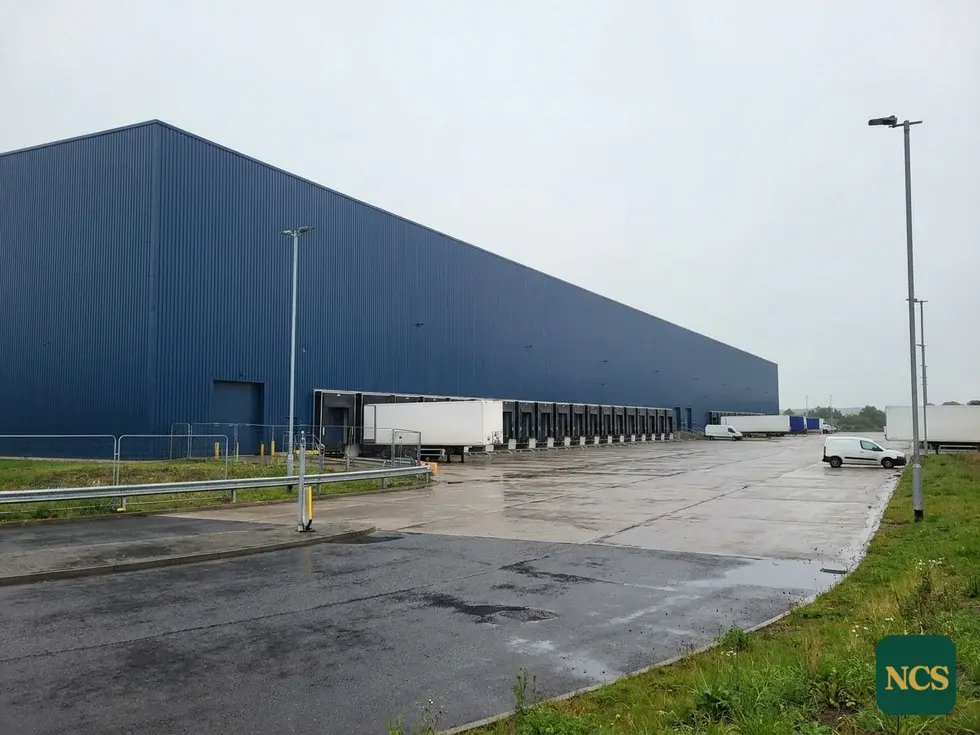
A coating won’t last if the cladding underneath is shot. We check every project for things like loose fixings, cracked panels, or corroded edges. All that needs sorting out before we even think about spraying. On profiled metal cladding, we pay close attention to the overlaps and end laps. That’s where water gets in. Any compromised sealant joints? We replace them. We only start coating once the substrate is solid.
Our survey-led approach
Every cladding project starts with us coming out to your site for a good look. We examine the existing cladding type, its condition, and any problem areas. That tells us what preparation it needs and which coating system is right. The survey also helps us plan how we’ll get access and manage the logistics for your specific site. No guesswork involved. We specify based on what we actually find, not what we assume.
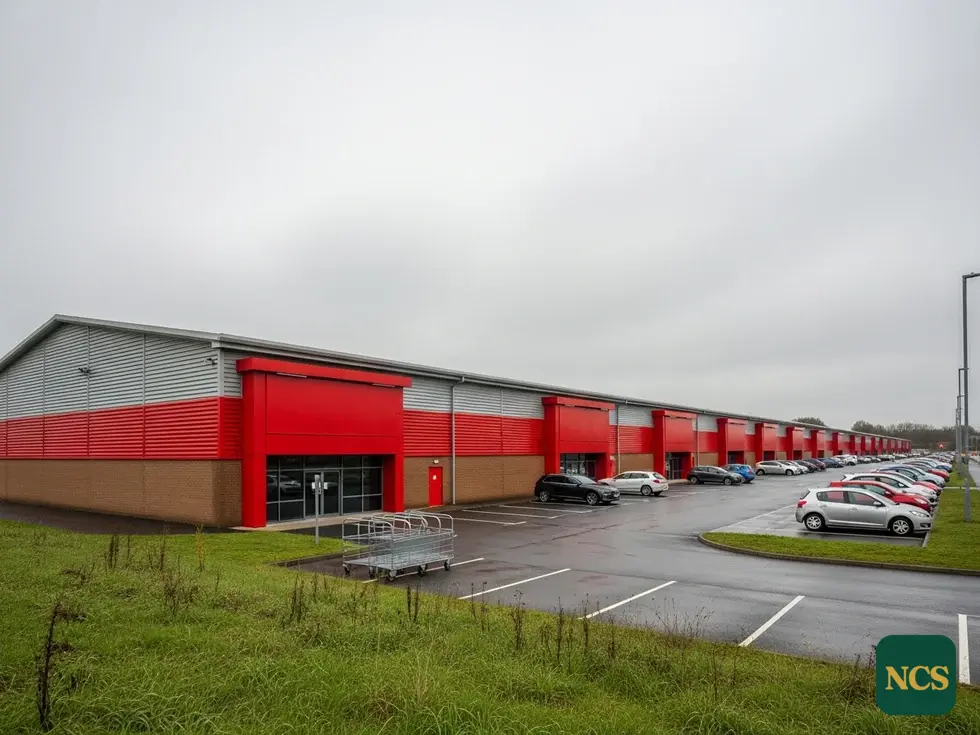
Why survey comes before specification
Cladding systems are too varied for a ‘one size fits all’ approach. An old mill building needs different prep to a modern warehouse. The survey lets us match the solution to your actual building, not some ideal scenario. It’s the only way to guarantee a lasting finish and avoid nasty surprises halfway through the job.
- We carry out a detailed site survey before any work begins
- We fully prepare your existing cladding surfaces
- We use high-build coating systems for long-term protection
- We aim for minimal disruption to your business operations
For more on the cladding spraying process, see our cladding spraying overview. To arrange your free site survey, visit our quote page.
Recently — July 2026
Settled summer weather suits coating and spraying work, with stable temperatures and dry surfaces helping systems cure and bond as specified.
A survey gives you a written read on the actual condition of the roof or walls and the route we would take, with no obligation to go ahead.