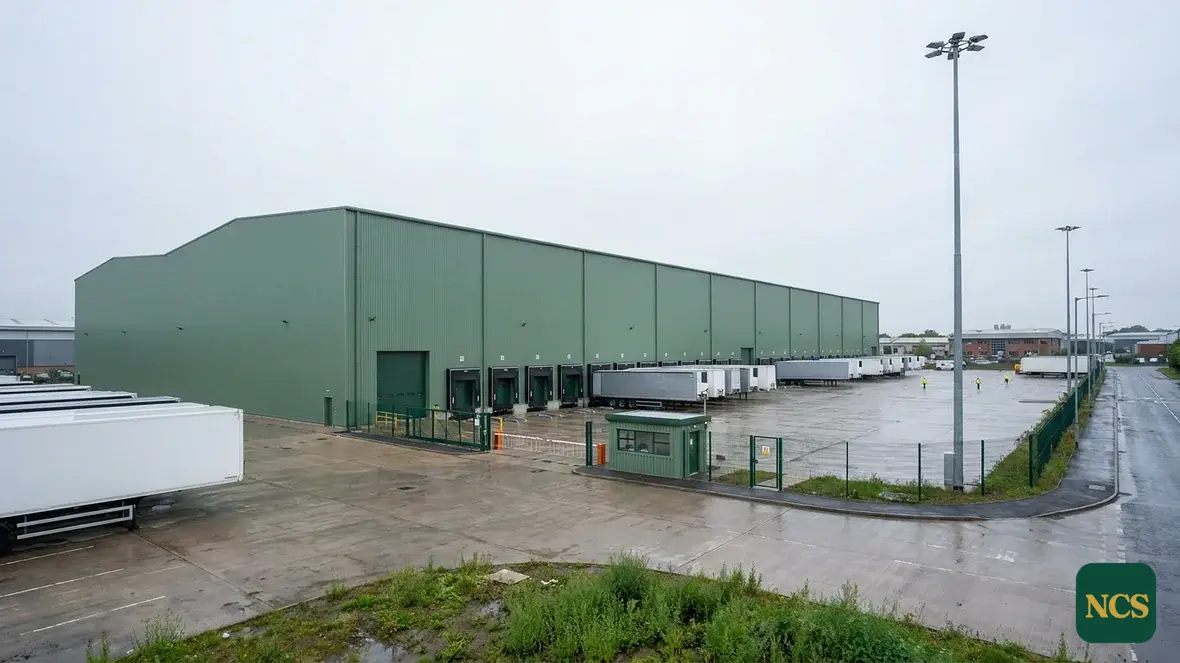




Gloucester earns its living the way it always has, off the back of movement and storage. Commercial coating Gloucester buildings properly starts with understanding that working context. The city sits in the west of the country on the Severn, and its docks and warehouse heritage still shape what gets built here: long-span sheds, trade units and older brick stores that have to keep working through every kind of weather the river throws at them. When one of those buildings starts letting the wet in, the roof or the walls are usually the first thing anyone looks at, and the first thing a contractor tries to sell a coating for.
We work the other way round. National Coating Specialists is survey-led, which means we look at a Gloucester building properly before we say a word about products or programme. Some roofs and elevations here are ideal for coating. Others are past it, and no amount of paint will change that. The point of the survey is to tell the two apart in writing, before you have committed to anyone. That is the basis of our approach to commercial coating Gloucester buildings.
Planning commercial coating Gloucester buildings: materials and weather
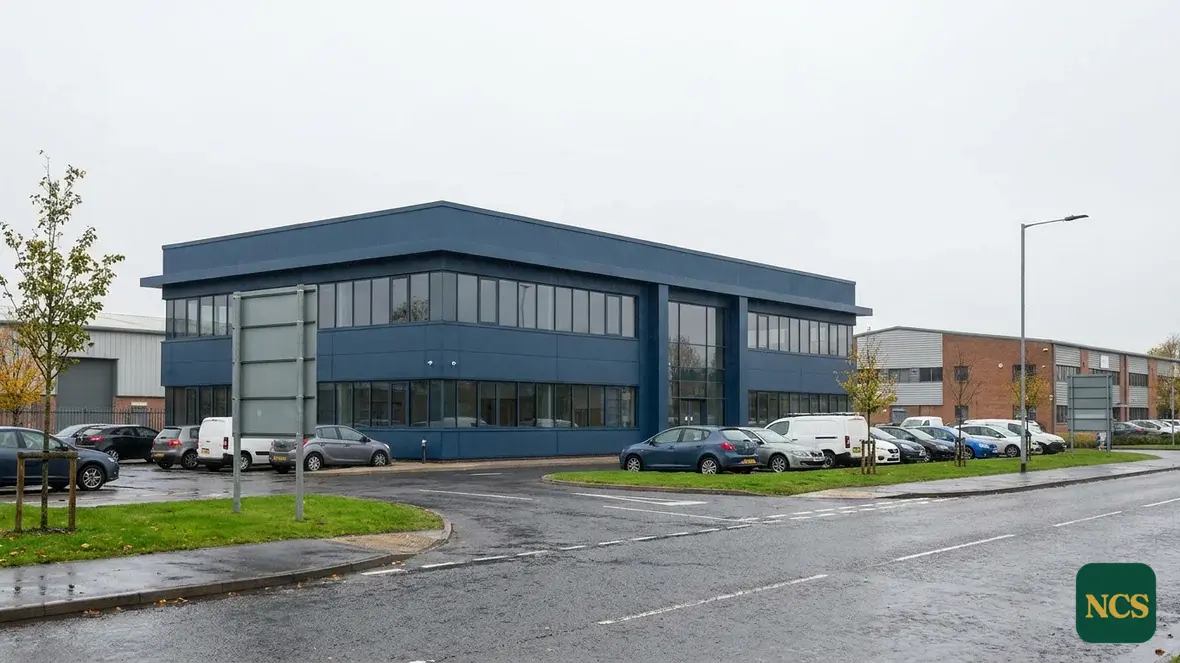
Gloucester’s commercial stock spans more than a century. Around the docks and the older parts of the city sit brick warehouses and converted buildings, many carrying flat roofs in asphalt or built-up felt. The estates along the Bristol Road corridor and out towards the M5 are dominated by steel portal-frame units with profiled metal roofs, while fibre cement still covers plenty of older sheds and farm buildings between Gloucester and the surrounding towns. Rendered post-war offices and shopfronts fill in the gaps in the centre.
Severn valley weather tests all of it. Low river-valley air keeps roofs and walls damp for far longer than the rainfall figures suggest, so moss and algae hold on cement sheets through mild winters, and every weak lap or rusting fixing gets found out during the long wet spells. Solid Victorian walls and modern cavity construction shed that moisture in completely different ways, and profiled steel fails at its edges while render fails in its face. The defects differ by substrate, which is exactly why the system and the preparation have to differ too.
Commercial roof coating in Gloucester
Walk into a commercial building here and ask what is keeping the rain out. On plenty of Gloucester roofs the usual answer is habit: sheeting fitted decades ago, felt patched more times than anyone remembers, gutters carrying more than their share of the load. Where the structure is still sound but the surface has stopped doing its job, a liquid-applied commercial roof coating is the practical answer. Built up over a properly prepared roof, it seals the whole area, laps, fixings and details included, into one continuous waterproof layer, and it does it faster and with far less disruption than a strip-off and replacement.
The condition is that the roof genuinely has to suit it, and only a survey settles that. The same survey-led test applies to commercial coating Gloucester roofs. If you have been searching for commercial painters in Gloucester to freshen a tired roof, bear in mind that an airless-sprayed coating system, laid over treated sheets and fixings, normally outlasts a brush-and-roller repaint by a wide margin. Compare the preparation in any quote you are given, not just the finish. The way the sheets, laps and fixings are treated is what decides how long the coat lasts, and it is the part poor specifications tend to leave out.
Commercial wall coating in Gloucester
Most wall enquiries we get in Gloucester start because an owner has spotted something rather than because it was a planned job: flaking paint or chalking a few years after the last coat, hairline cracks, render that sounds hollow when you tap it, green and black staining on the weather side, or damp showing up inside on an external wall. None of that automatically means a coating is the right fix. Each sign means we need to find the cause first. Our commercial wall coating work is exterior only, and it always begins with the substrate: render, masonry and concrete are put right before anything is sprayed on.
When we survey an elevation in the city we check moisture levels, identify the substrate, test adhesion on any existing render or paint, and look hard at the copings, sills, parapets and rainwater goods that cause most water ingress. You get the findings in writing, with repairs and preparation separated from the coating system so you can read a quote line by line.
Exterior painting on a commercial building is only worth doing once those causes are dealt with, because a film-forming coat will not cure damp from a bridged damp-proof course or a leaking gutter, and some of the older solid-walled stock near the centre needs a breathable treatment rather than a sealing film. The survey tells you which situation you are in, and that substrate-first approach guides commercial coating Gloucester elevations.
Cladding spraying in Gloucester
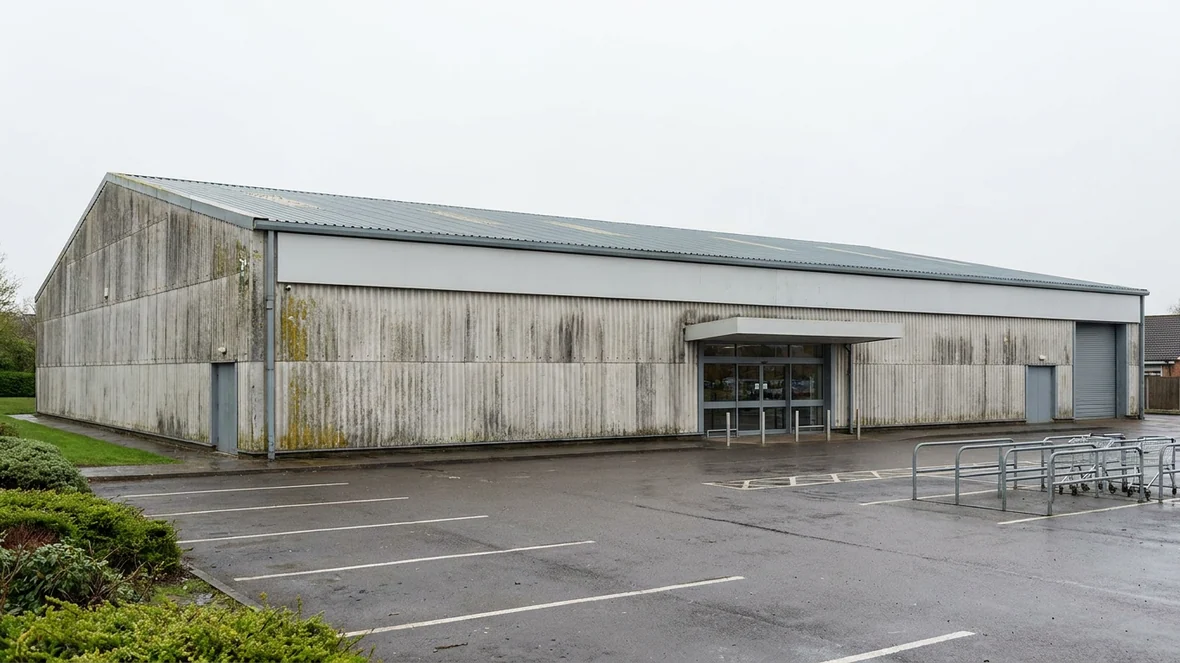
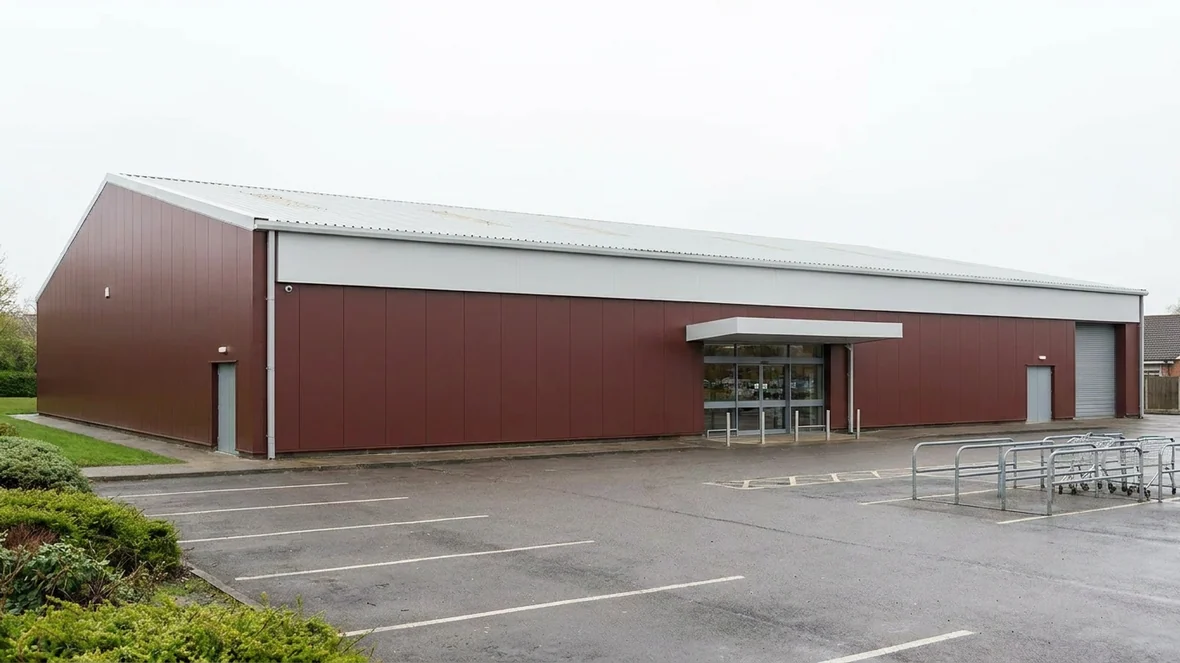
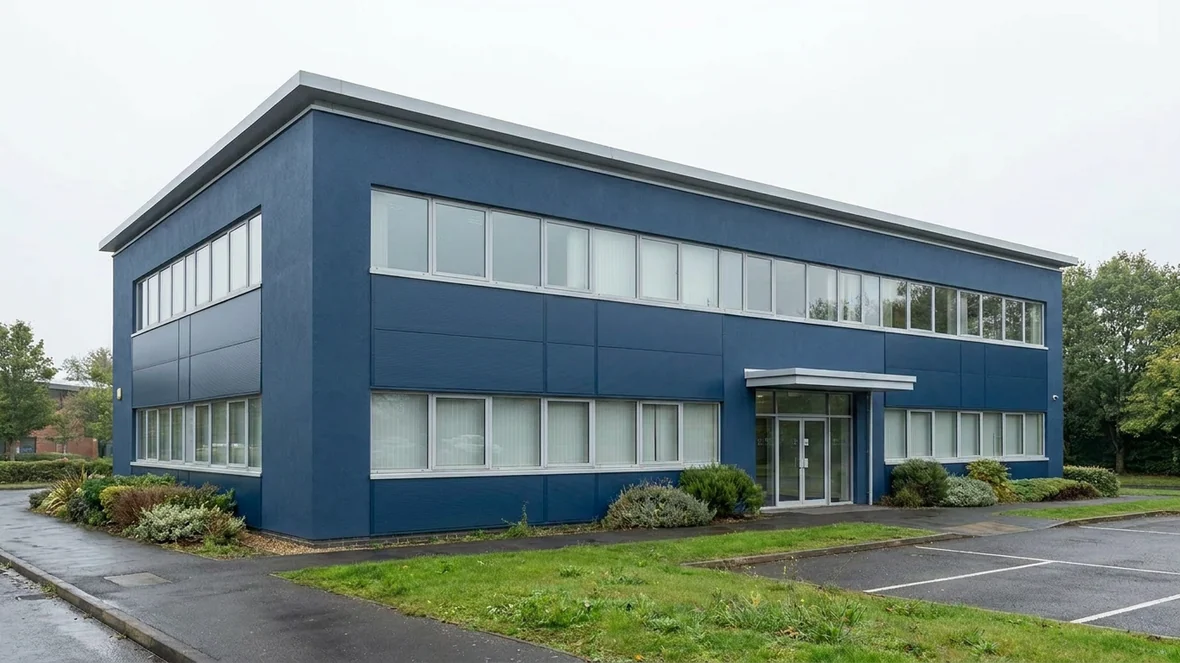
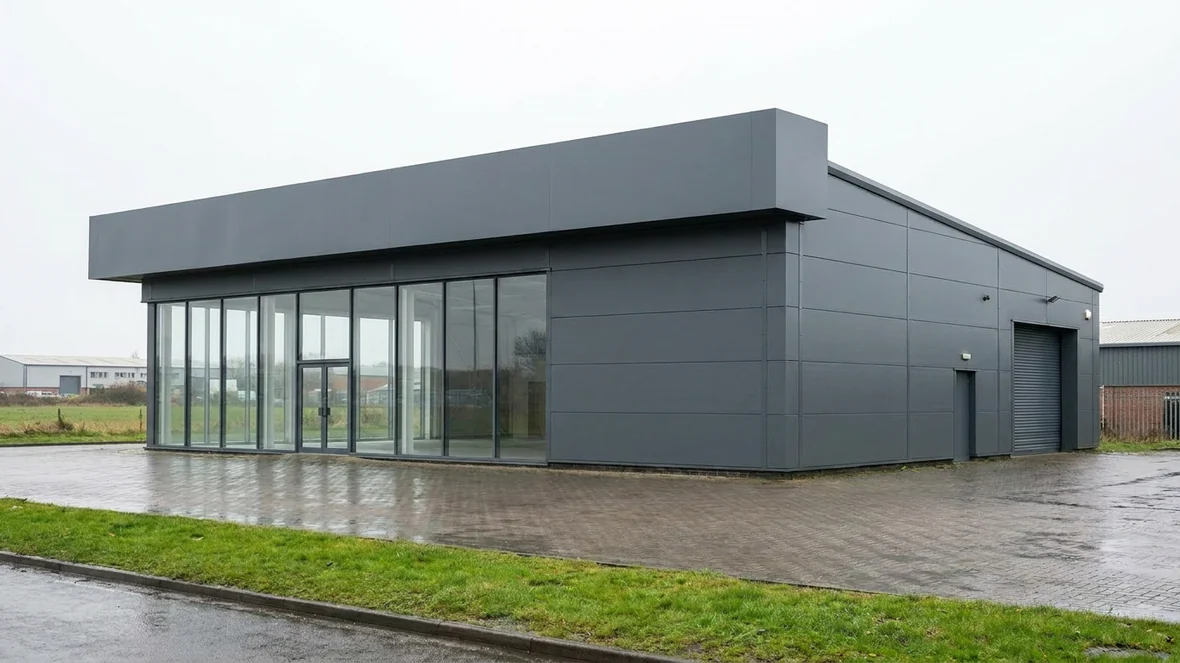
Cladding work here starts with the panels, not a colour chart. Gloucester has a practical mix of clad buildings: trade and industrial units around the ring road and towards the M5, the larger distribution and storage sheds that serve the Bristol-Birmingham corridor, and regenerated space down by the docks. Most are finished in profiled steel or composite panels, and the faults they develop, fading, chalking, surface rust creeping in at the cut edges, streaky fascias and mismatched past repairs, are exactly what cladding spraying is built to put right. On-site respraying brings the colour and protection back panel by panel while the building keeps working underneath.
Commercial coating Gloucester cladding on site can include a colour change as well as renewing protection. Colour change deserves a mention of its own. A good deal of our cladding painting work comes from a change of occupier or a rebrand, and spraying lets a building move from one corporate colour to another without touching the panels themselves.
Around the docks and the city’s more visible frontages, that quick visual reset carries clear commercial value. What a coating will not do is fix structure: panels that are delaminating, rusted through, mechanically damaged or letting water in need repair, and paint cannot change the fire performance of a cladding system. Where a survey turns up faults like those, the report says so plainly and points you to the right fix, whoever ends up carrying it out.
Industrial roof coating in Gloucester
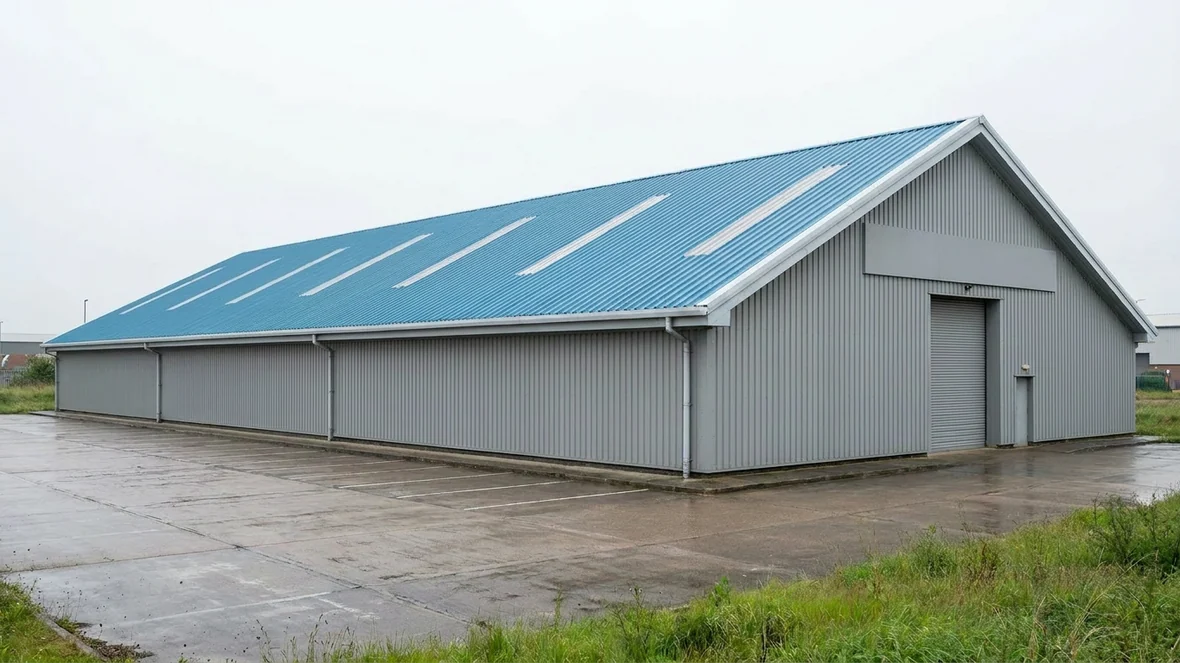
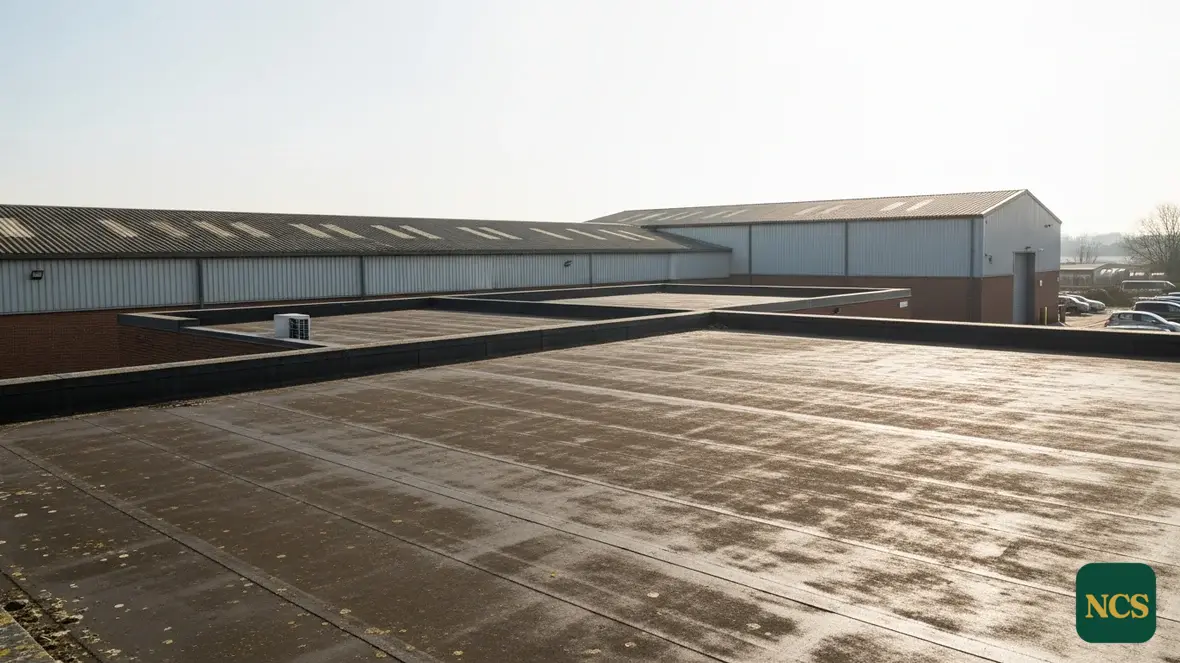
Gloucester’s industrial landscape shows its age. Older factory and warehouse buildings sit around the docks and the canal corridor, while modern distribution sheds fill the estates feeding the M5, and the roofs span every era in between. For the estates and facilities teams managing that mix, the main question is rarely whether the roofs are ageing but which ones can still be protected economically and which are simply done. Our survey-led industrial roof coating exists to answer that with hard evidence rather than a generic specification dropped over the lot. It is the same evidence-led approach we use when commercial coating Gloucester industrial buildings.
The newer profiled-steel roofs are often the straightforward job: coat them at the right time and they get a renewed weatherproof surface while the building stays occupied throughout. Older roofs need more thought, with previous repairs, mixed sheet types and replaced sections all in play, and the damp Severn air feeds two failure modes we find again and again, cut-edge corrosion at the eaves and laps, and gutter-line decay in the concealed valleys where debris and standing water sit against the steel.
When you weigh up industrial painting contractors for this kind of work, the question that matters most is whether they will physically survey the roof and tell you in writing if it should be replaced instead. A contractor who hesitates on that is telling you something.
Cut edge corrosion treatment in Gloucester
The edge is where Gloucester’s steel roofs fail first. Sheets are cut to length when they are made, and that cut exposes the raw steel core exactly where the factory coating stops. Rust takes hold on the bare edge, then creeps back underneath the coating and levers it away from the metal.
You will usually spot it as a brown line along the eaves or as staining where the sheets overlap, and by the time it is clear from the ground the coating above it has almost certainly started to lift. The damp laps between sheets, which never fully dry out in this valley, keep the process moving even through mild weather.
Caught early, cut edge corrosion treatment is a localised repair: we abrade the edges back to sound steel, prime them, seal the laps and lay a flexible coating band over the vulnerable zone, all with the building trading underneath. Leave it too long and the steel thins until it punctures, and then you are into replacing sheets and hiring specialist access instead.
This defect gives you a long window to carry out a localised repair and a very short one after that. Where the coating across the whole roof is already tired, treating the edges in isolation only means the rest fails on its own schedule, so a full recoat with edge treatment built in is often the sounder approach. The survey tells you where your roof sits.
Asbestos roof encapsulation in Gloucester
Sooner or later every owner of an ageing asbestos cement roof faces the same question: encapsulate or remove. Both are legitimate answers under the Control of Asbestos Regulations 2012, which require dutyholders of non-domestic buildings to identify asbestos materials, record their condition and manage the risk.
Sound asbestos cement can lawfully stay in place under a management plan, and asbestos roof encapsulation is a practical route for roofs that have not yet crossed the line. Failed sheets cannot be rescued and have to come off. The whole decision rests on an accurate condition survey, which is why we will not answer it from the kerb, and why you should be wary of anyone who will.
Gloucester’s industrial history left plenty of candidates: post-war workshops and depots, units on the trading estates, garage blocks behind older commercial property and farm buildings across the surrounding Severn Vale, most of them roofed in corrugated asbestos cement. The same assessment governs commercial coating Gloucester asbestos cement roofs.
Where the survey confirms sound sheets, the work follows a controlled sequence, cleaning without dry abrasion or uncontrolled jet washing, repairing fixings, laps and flashings, then sealing the whole roof with a flexible system and addressing the rooflights and gutters properly. The fibres are locked in and the weathering stops, with the building in use throughout. Where the sheets are brittle or delaminating, or the material looks like insulation board rather than cement, we say so in writing and point you to licensed removal instead.
Agricultural building coating in Gloucester
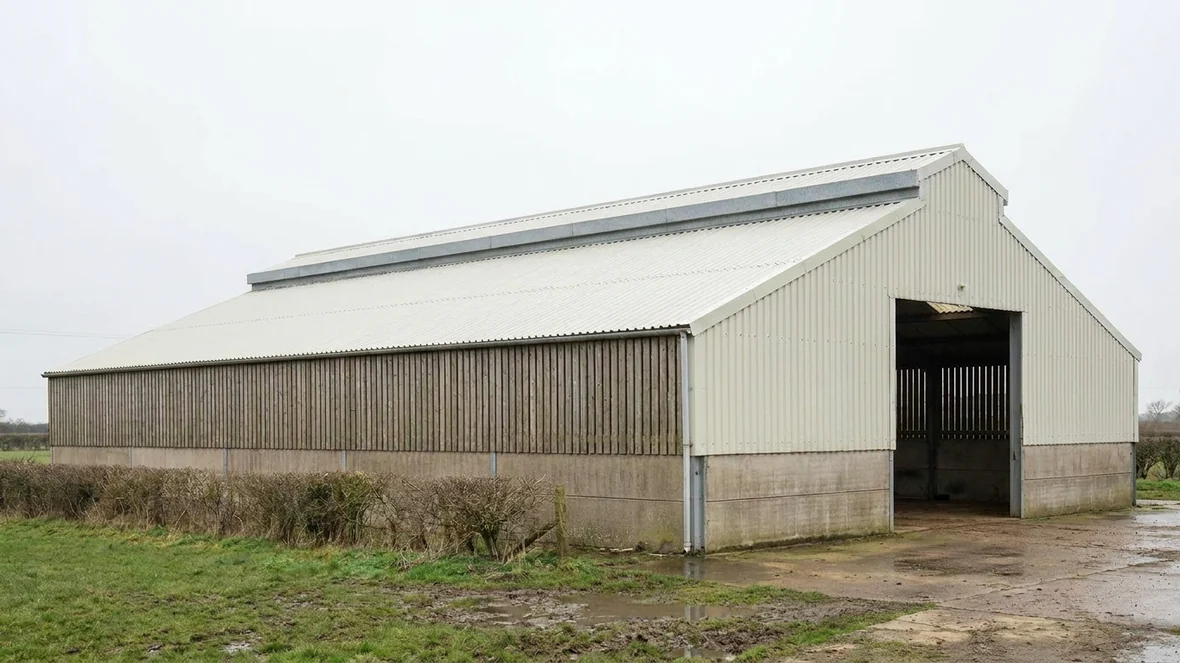
The land around Gloucester sits between two kinds of farming country. The Severn Vale spreads flat and damp to the west with its dairy and mixed holdings, and the Cotswold edge rises to the east with stone barns and higher pasture. The buildings reflect the split: brick and stone barns from earlier generations standing beside steel portal-frame sheds and clad grain and machinery stores. Most are sound structures that simply need the roof and cladding protected before weathering turns into water getting in, and our agricultural building coating service surveys and treats them across the wider Gloucester area.
Low river-valley air keeps farm roofs damp longer than the rainfall suggests. We see north-facing slopes carrying heavy moss, fibre-cement sheets staying saturated through much of winter, and freeze-thaw widening hairline cracks a little more each year, while dairy and livestock buildings add condensation from below that corrodes steel from the underside.
A coating deals with the outside surface, and the survey flags the internal issues no external system will fix, so you see the whole picture rather than half of it. We plan the work around the farming calendar too: grain and machinery stores once the floor empties, livestock housing while animals are out at grass, and genuine weather contingency rather than promises the British climate will not keep. That is how we approach commercial coating Gloucester agricultural buildings.
Coat, repair or replace across Gloucester
A coating contractor who never says no is not assessing roofs, only selling to them. There are Gloucester buildings we tell owners to leave well alone, and the reasons are always the same. Where insulation within a roof is wet, a membrane would seal that moisture in. Where sheets, decks or laps are corroded or rotted through, there is nothing sound left to bond to. Where cut edge corrosion has advanced deep into the sheet body, or ponding is structural and cannot be corrected by surface work, coating buys appearance and not protection, and it usually creates more work in the long run because the underlying failure carries on regardless.
Our reports separate the three clear categories: what can be coated, what needs repair first, and what is past the point where coating is good value. Almost every failed coating in the country failed for a predictable reason, no proper survey, rushed preparation, the wrong system for the substrate, or application in poor conditions, and none of those shows up on handover day. They show up two winters later. The survey-led version asks for a little patience at the start and saves you from paying for the same roof twice.
Recent projects from the same team
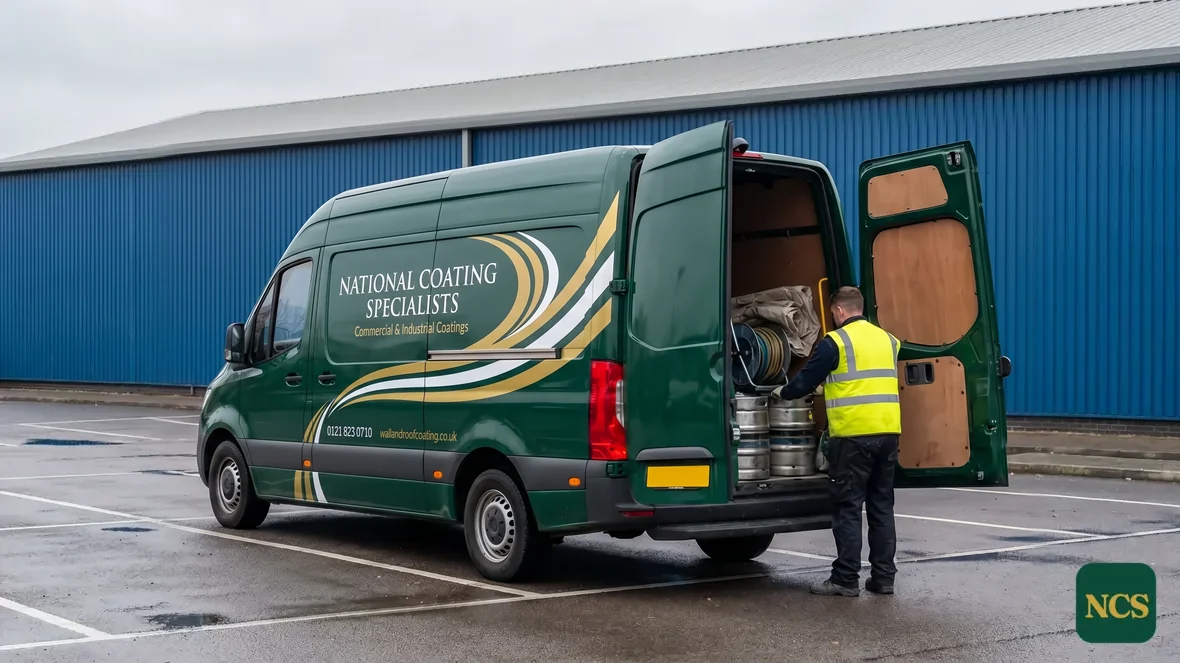
The photographs on our service pages are our own, taken on jobs of the same type rather than pulled from a stock library. One worth a look is our supermarket roof coating case study, where a chalked, rust-streaked commercial roof was resprayed without closing the store for a single day, using the same survey-led method we bring to every Gloucester building.
Booking a coating survey in Gloucester
The survey is where every job starts. We inspect the roof or elevation in person, checking substrate, seams, fixings, rooflights, flashings, drainage and any sign of moisture already in the build-up, and you receive a written report with photographs and one of three clear recommendations: a full coating specification, targeted repairs, or a frank steer towards replacement if that is the better value. There is no obligation attached to any of it, and the recommendation is written before any work is agreed, which is what keeps the advice survey-led. It is the starting point for commercial coating Gloucester roofs and elevations.
We programme the work itself around your operation, so a live site keeps running while the roof or walls are brought back. Alongside Gloucester we regularly cover Cheltenham, Stroud, Tewkesbury and Cirencester, which means a business with sites across the county can deal with one contractor for the lot. For the full picture of how we assess buildings across the region, see our Gloucestershire coating hub, then book a survey whenever it suits your operation.
Recently
A survey gives you a written read on the condition of the roof or walls and the route we would take, with no obligation to go ahead.
Dry summer spells are the window for tackling cut-edge corrosion and tired finishes before the autumn rain sets back in.
All access and roof work is planned in line with HSE work-at-height guidance.