



The state of commercial walls and exterior finishes across Barnsley
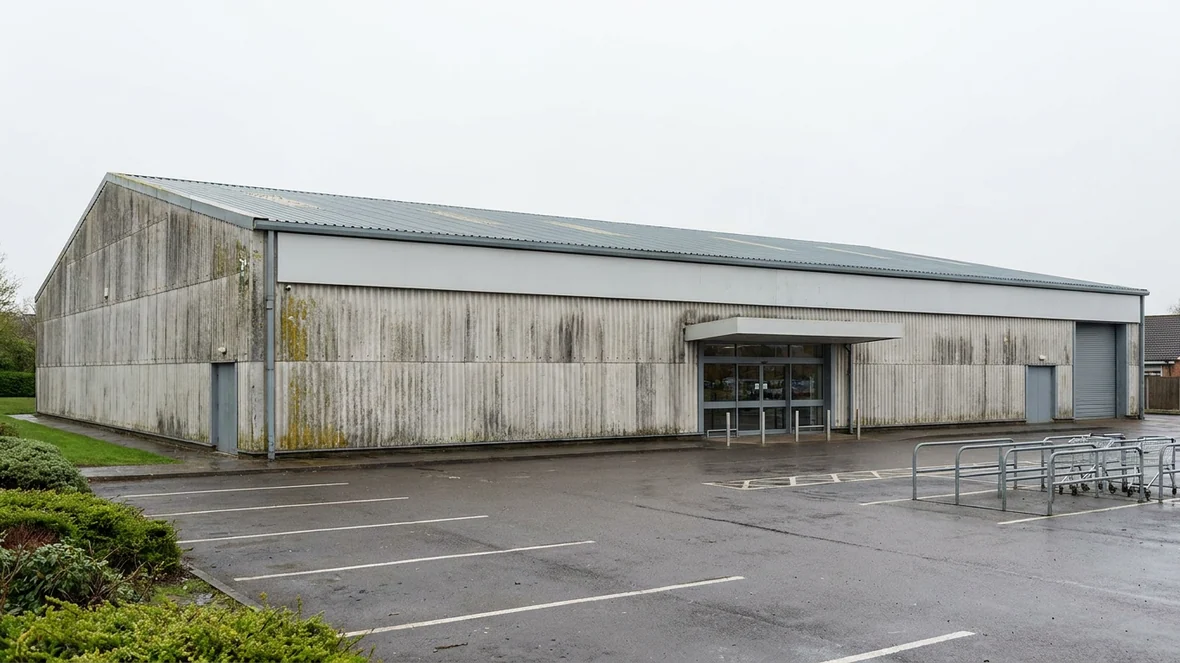
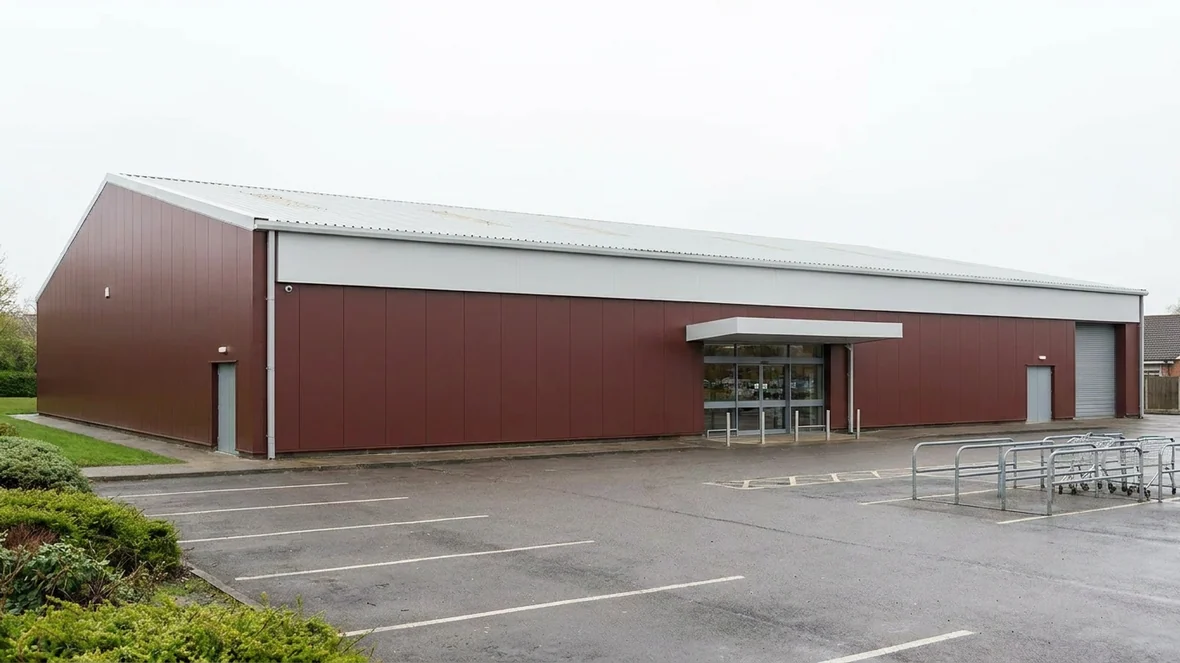
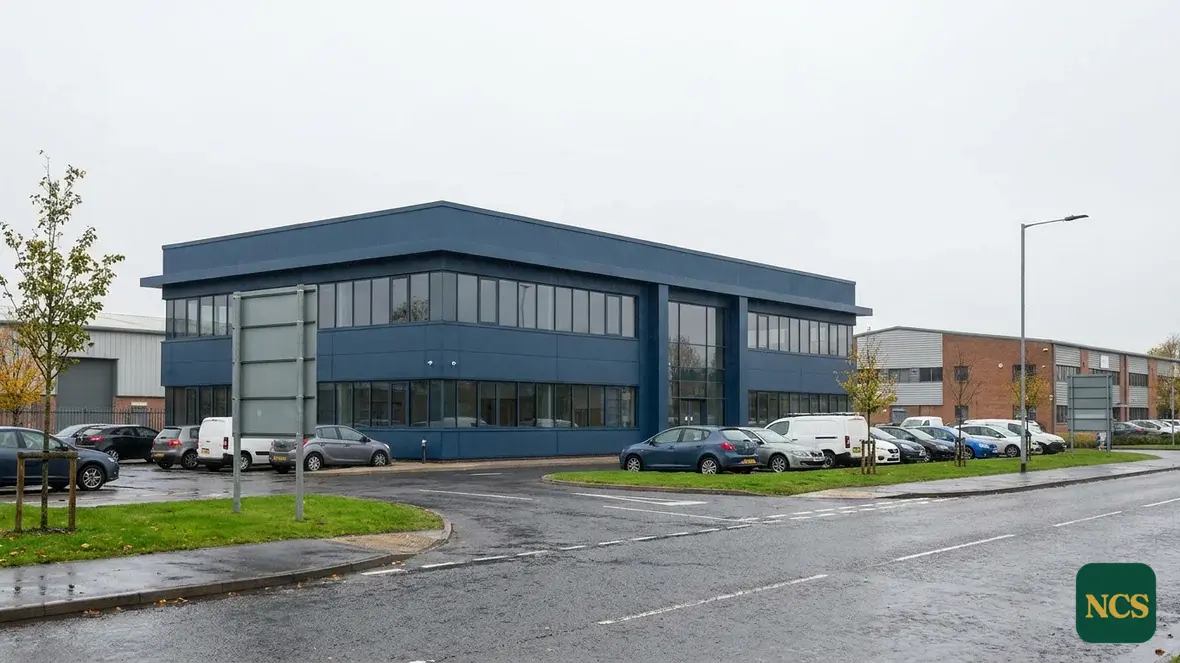
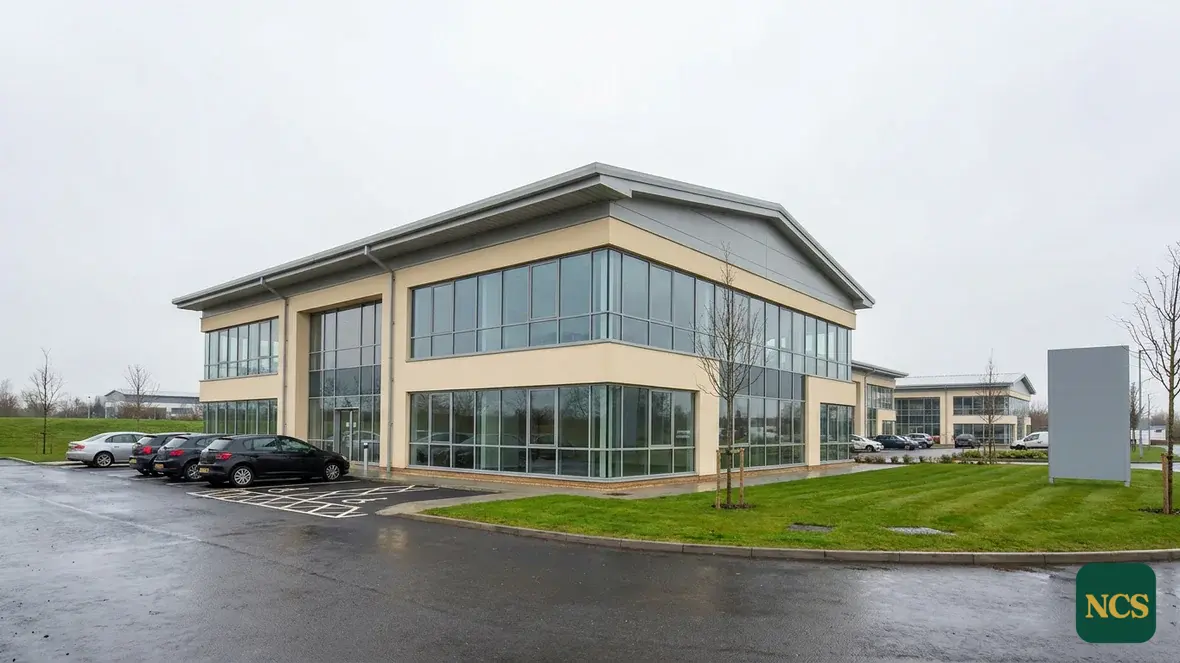
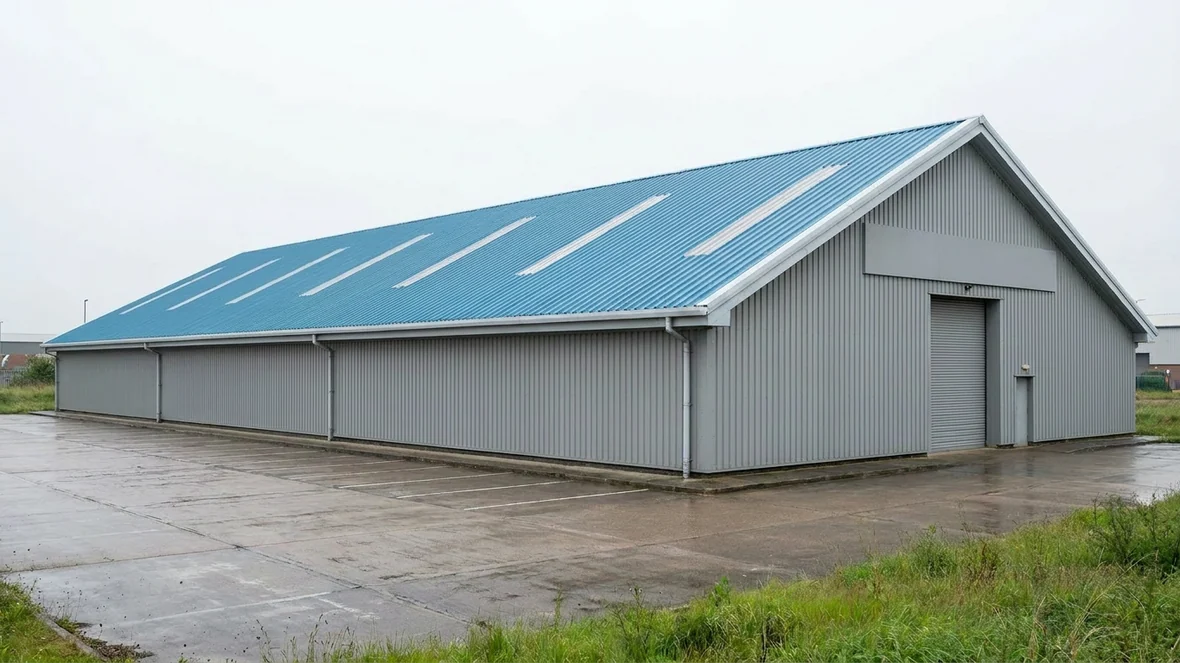
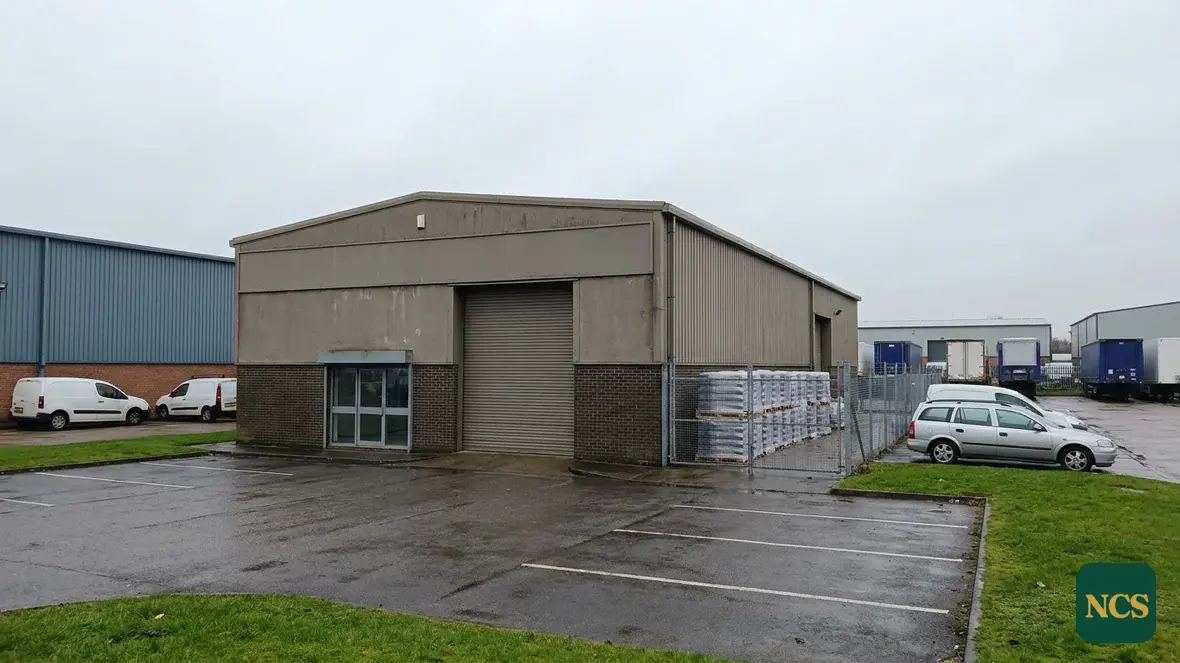
A commercial wall coating Barnsley site survey needs to account for the condition beneath the finish, not just its appearance. Walk through Barnsley’s industrial estates and trading parks today and you’ll see the same story repeated across the town’s commercial building stock. Years of exposure to South Yorkshire’s weather have left render cracked, pebbledash crumbling, and metal cladding showing its age. Around the Dearne Valley regeneration sites particularly, buildings that went up during the area’s glassmaking boom now need serious facelifts. The problem isn’t cosmetic – cracked render lets water in behind it, while tired cladding stops doing its job of protecting the substrate.
If the Barnsley job is repainting on a sound wall, that is what we quote. If the wall needs work first, the report says so plainly.
Barnsley’s commercial building stock and problem areas
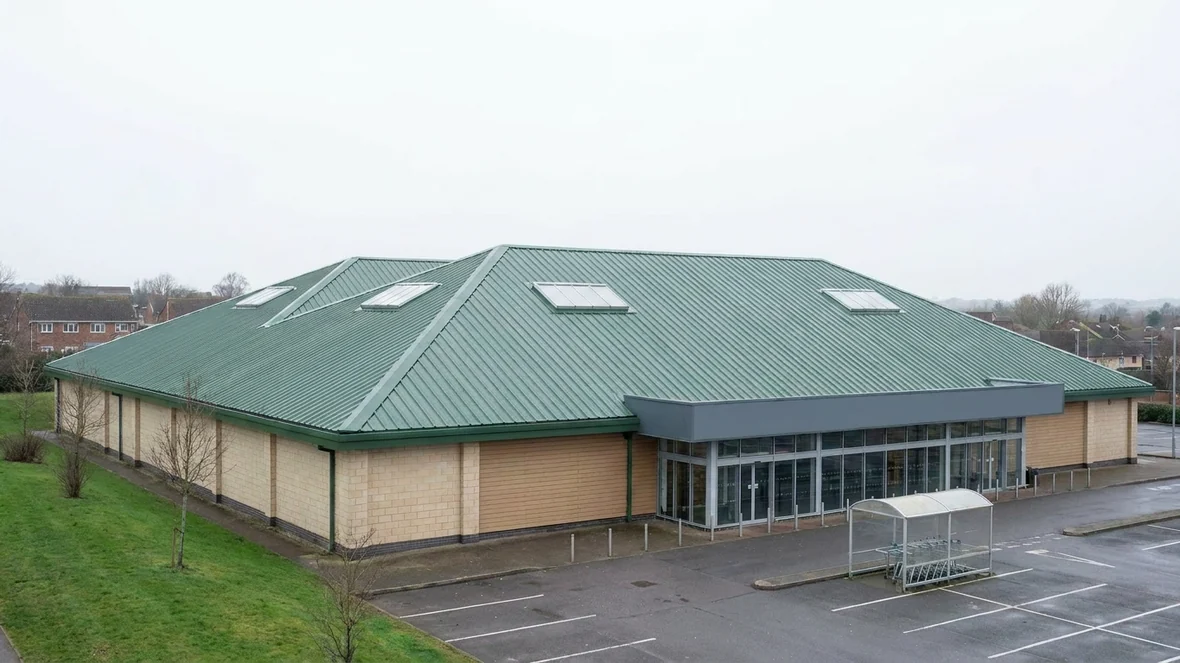
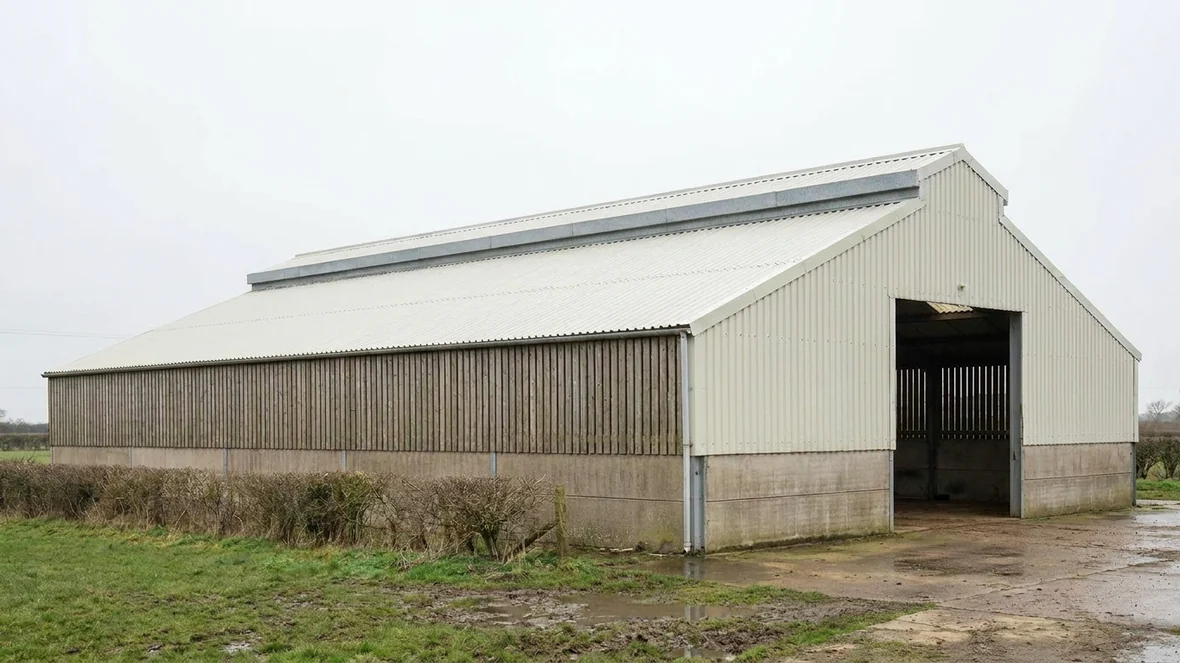
The town’s distribution parks near M1 junctions 36 and 37 hold some of the worst cases, where constant lorry movements blast grit at elevations. Units on the Wakefield Road trading estate show classic failures – blown patches where moisture got behind acrylic render, especially around reveals and coping details. Over at Glasshouse Business Park, original textured coatings are failing at parapet level after decades of freeze-thaw cycles. Elsewhere, you’ll find steel cladding that needs overcoating before corrosion takes hold, particularly on older agricultural buildings towards Dodworth.
What survey-led commercial wall coating Barnsley work involves
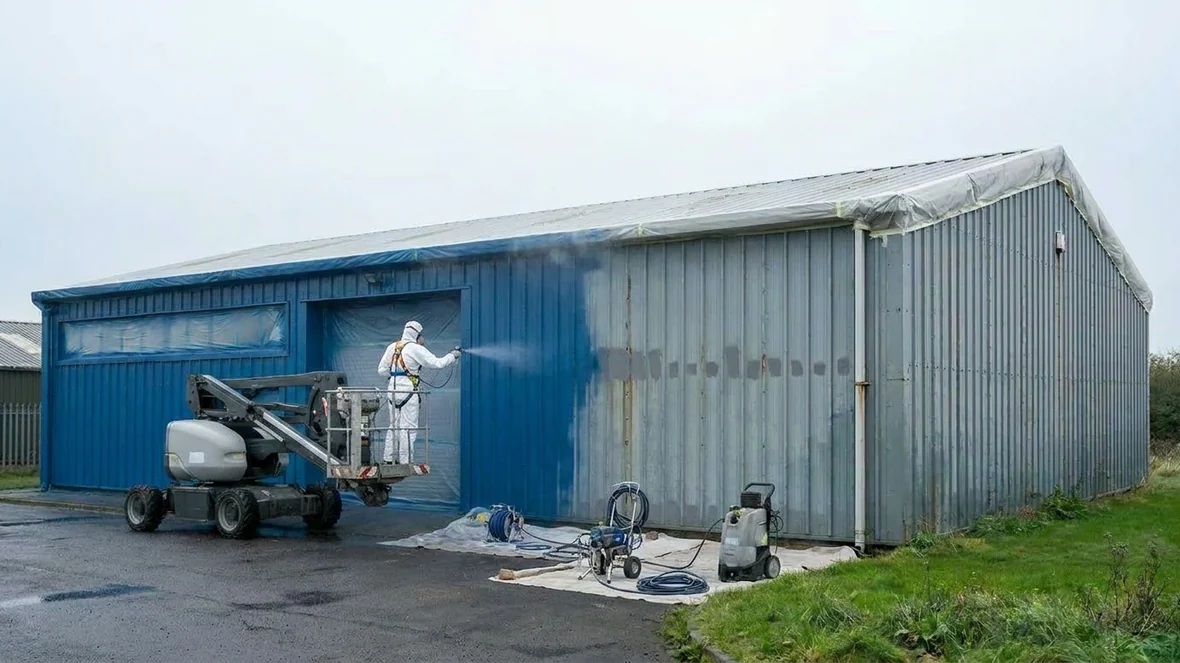
This isn’t a case of slapping paint over problems. Our commercial painters start by walking every elevation to map defects, from hairline cracks needing stabilisation to areas where render has completely lost its key. Only then can we specify whether silicone resin, textured coatings, or specialist masonry paints will deliver lasting protection. The difference shows in details – properly preparing surfaces, masking adjacent materials, and choosing systems that suit Barnsley’s specific exposure to driving rain from the Pennines.
The repairs that come before any coating work
Nine times out of ten, we find substrate issues that need addressing first. That might mean cutting out and replacing blown render sections, treating efflorescence, or dealing with damp penetration at flashings. On steel panels, it often involves corrosion repairs to edge details before protective coatings can be considered. These aren’t upsells – they’re necessary groundwork that stops new coatings failing prematurely.
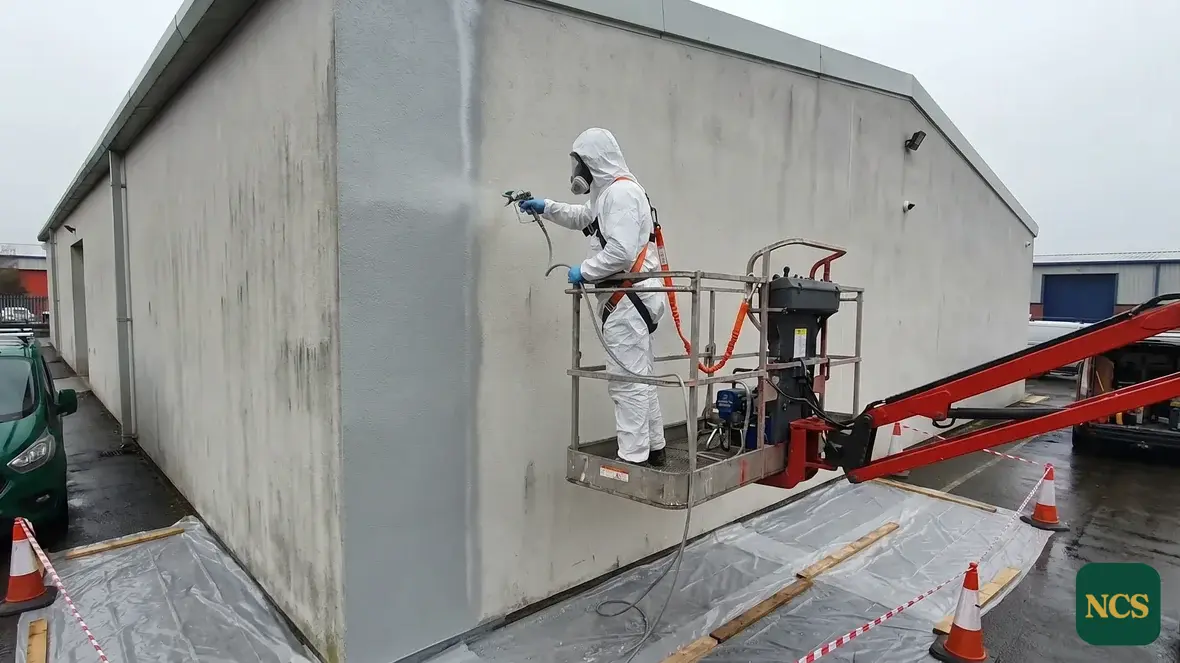
For commercial wall coating Barnsley projects, preparation also means removing loose material and surface contamination before applying a new finish. Repair edges need to be sound, adjacent surfaces must be protected, and each prepared area should be suitable for the specified coating. These practical stages help create a consistent surface rather than simply hiding visible defects.
Our step-by-step survey process
- Site visit to assess all elevations and identify failure patterns
- Moisture meter testing across vulnerable areas
- Substrate sampling where degradation isn’t superficial
- Detailed photographic record of existing conditions
- Written report specifying required repairs and coating options
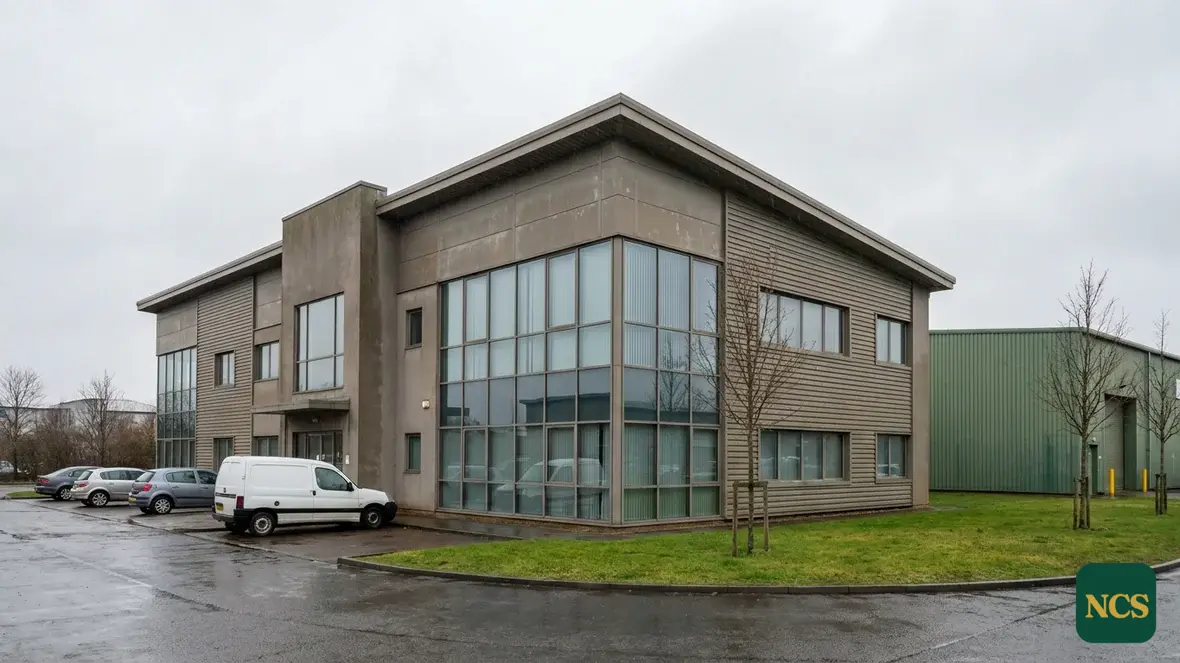
During the survey, junctions, openings and changes in material require separate attention because they can have different preparation needs. Cracks, hollow areas and staining are considered in context before the repair and coating sequence is set out. The resulting report can distinguish between cleaning, local repairs, priming and finishing, giving the coating team a clear basis for the work.
Why specification follows survey, not the other way round
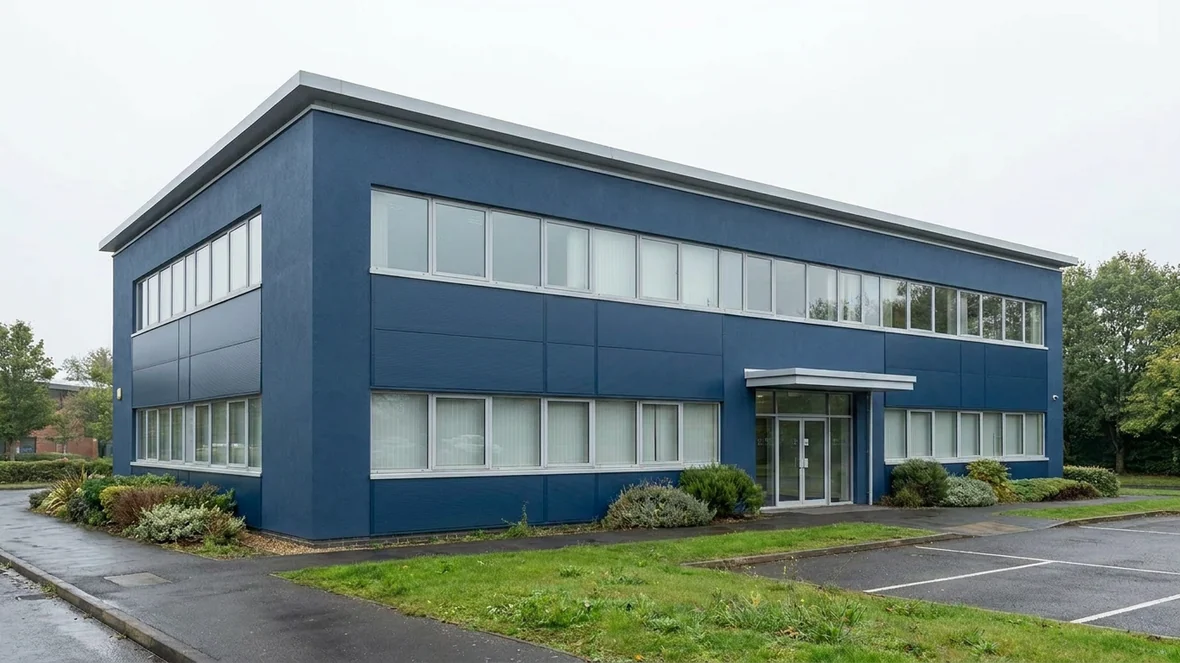
Too many contractors lead with products when commercial wall coating should start with the building’s actual condition. What works on a modern insulated panel system at Barnsley’s Metrodome complex won’t suit the brick elevations of older mills. That’s why we never quote blind – proper protection demands seeing the substrate, understanding its movement patterns, and knowing how each area handles South Yorkshire’s particular climate challenges.
To discuss commercial wall coating Barnsley requirements, use our free survey service, or explore more about commercial wall coating approaches across our operating areas.
Recently
We plan the work around how your site runs, so the building stays in use while we are on the roof.
With surfaces staying dry for longer, summer lets us prepare and coat a roof in a single planned visit rather than working around showers.
All access and roof work is planned in line with HSE work-at-height guidance.
Common questions about commercial wall coating Barnsley
Can commercial wall coating be applied over cracked render?
It depends on the cause and extent of the cracking. We distinguish between stable surface cracks and cracks that indicate movement, failed render or defects around openings. Stable defects can often be prepared and repaired before coating. Active movement or widespread render failure requires corrective work first; coating over it merely postpones the problem.
Will an exterior wall coating stop damp?
A coating can reduce rain penetration through a suitable external wall surface, but it is not a general cure for damp. Leaking gutters, defective flashings, failed sealant, rising moisture and internal condensation must be dealt with at source. We inspect the likely moisture route before recommending any coating specification.
Can commercial wall coating be applied during winter?
Application depends on surface temperature, moisture, wind and the likelihood of rain, rather than the season alone. Cold or damp walls can affect adhesion and curing. We plan work around suitable conditions and do not apply coating simply because access has already been arranged.
Does the building need to close while the walls are coated?
Not necessarily. Many commercial premises can remain operational if access, overspray control, pedestrian routes and working areas are properly managed. There may still be short restrictions around entrances, loading areas or sections where access equipment is in use. We agree the working sequence with the building operator before starting.
How long does commercial wall coating last?
Service life depends on the substrate, preparation, exposure, detailing and ongoing maintenance. A sheltered elevation on sound render will not behave like a weather-facing wall with persistent movement or poor drainage. We therefore avoid giving a lifespan based on appearance alone and assess the wall condition before specifying the work.
Commercial wall coating or replacement?
Commercial wall coating Barnsley property owners consider is usually most appropriate where the existing render, masonry or previously painted surface remains substantially sound. Coating retains the existing wall finish, limits disruption and can improve weather protection and appearance without removing serviceable material.
That does not make coating the right answer in every case. Replacement wins where render is extensively hollow or detached, masonry is badly deteriorated, incompatible layers cannot be prepared reliably, or underlying insulation and construction details need to be opened up. It is also the better option where repeated cracking shows that the existing wall build-up cannot provide a stable base.
Localised defects do not always justify wholesale replacement. Unsound areas can sometimes be removed and reinstated, with sound surrounding surfaces retained and coated. The decision depends on whether repairs will leave a coherent, durable substrate rather than a patchwork of marginal areas.
We assess adhesion, cracking, moisture, contamination and wall detailing before advising either route. If the substrate cannot reasonably support a coating system, we say so. A new finish applied to a failing background is still a failing wall, only in a more uniform colour.
Preparation and detailing before wall coating
Checking the substrate
We begin by identifying the wall construction and the condition of existing finishes. Loose coatings, friable masonry, hollow render, open joints and signs of trapped moisture all affect the preparation method. Adhesion checks may also be required where previous coatings are sound in appearance but of uncertain compatibility.
Cleaning without damaging the wall
Dirt, biological growth, chalking paint and atmospheric deposits must be removed before coating. The cleaning method is matched to the substrate. Excessive pressure can scar render, saturate the wall or drive water into joints, so force is not a substitute for controlled preparation.
Repairing cracks and weak areas
Cracks are opened and repaired where necessary rather than simply filled at the surface. Loose material is removed back to a firm edge, and repairs are allowed to dry appropriately before further work. Where movement is suspected, we investigate the cause instead of relying on a thicker coating to conceal it.
Protecting vulnerable details
Window seals, vents, service penetrations, roof junctions, parapets and drainage points are common sources of failure. We check these areas and mask adjacent surfaces before application. Coating should not block ventilation paths, bridge functioning movement joints or cover defects that require a different trade.
Applying a consistent finish
Application method is selected according to the wall profile, access and surrounding risks. We control coverage at edges, repairs and changes in texture, where thin or uneven application is most likely. Elevations are sequenced to reduce visible joins and to keep freshly coated areas clear of unsuitable weather.